



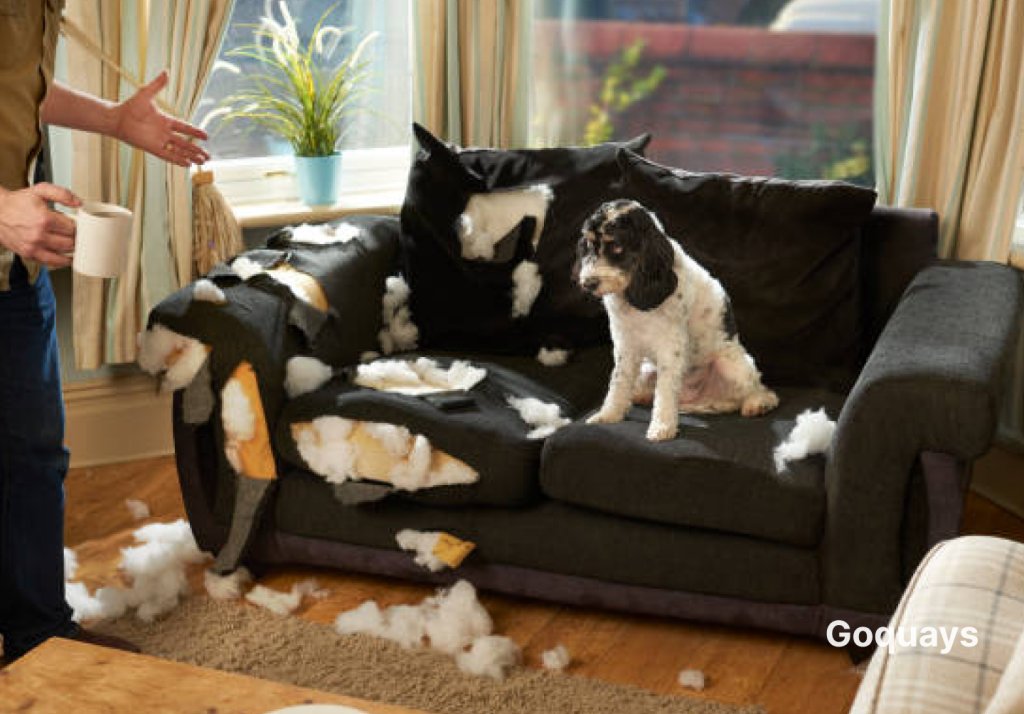
Dog behaviour problems are one of the biggest challenges dog owners face. Whether your dog barks excessively, chews furniture, pulls on the lead, jumps on guests, or struggles with separation anxiety, understanding why these behaviours happen is the first step towards fixing them. According to the American Veterinary Medical Association (AVMA), behavioural problems are among the most common reasons dogs are surrendered to animal shelters, highlighting the importance of early training and intervention.
The good news is that most dog behaviour problems have a cause and a solution. Some behaviours stem from boredom, fear, anxiety, a lack of training, or unmet physical and mental needs. As renowned animal behaviourist Patricia McConnell explains, “Dogs do what works.” In other words, behaviours that are rewarded, even unintentionally, are likely to be repeated. Once you understand why your dog behaves a certain way, you can begin replacing unwanted habits with positive ones.
In this guide, you’ll discover the 10 most common dog behaviour problems, why they happen, and practical, reward-based training techniques to help manage or stop them. Whether you’re raising a playful puppy or working with an older dog, these tips will help you build better habits, strengthen your bond, and create a happier home for both you and your dog.
What Causes Dog Behaviour Problems?
Most dog behaviour problems have an underlying cause. Rather than being “naughty,” dogs are usually responding to their environment, emotions, or physical needs.
Common causes include:
- Lack of exercise
- Lack of socialisation
- Boredom
- Anxiety or fear
- Illness or pain
- Inconsistent training
- Genetics and breed instincts
Veterinary behaviourist Karen Overall explains that a dog’s behaviour is influenced by a combination of genetics, health, learning, and environment. If your dog’s behaviour changes suddenly or becomes severe, consult your veterinarian to rule out an underlying medical condition before beginning behaviour training.
Understanding the cause of your dog’s behaviour is the first step towards finding the right solution.

10 Dog Behaviour Problems and How to Fix Them
. Excessive Barking
Barking is your dog’s natural way of communicating, but excessive barking can become a frustrating dog behaviour problem. Dogs bark for many reasons, including boredom, excitement, fear, territorial instincts, or to get your attention, which can differ depending on the roles of working dogs compared to companion breeds. Some breeds, such as Beagles and Terriers, are naturally more vocal than others.
Environmental triggers can also play a role. Passing people, other dogs, loud noises, deliveries, or changes in routine may set your dog off. In some cases, barking becomes a learned behaviour because the dog discovers it gets attention or makes the trigger go away.
How to Stop Excessive Barking
The first step is to identify what triggers the barking. Keep a simple diary of when it happens to spot patterns. If your dog constantly barks at people or dogs outside, limit the view by closing curtains or applying frosted window film to lower windows.
Teach a reliable “quiet” cue. Allow one or two barks, then calmly say “Quiet.” When your dog stops barking, even for a second, reward them with a treat. Over time, they’ll learn that being quiet earns rewards.
If boredom is the cause, increase mental stimulation with puzzle feeders, scent games, or short training sessions throughout the day. Dogs with busy minds are less likely to bark out of frustration.
For barking caused by anxiety or separation, focus on reducing the source of stress rather than simply stopping the noise. If the barking becomes sudden, excessive, or is accompanied by other signs of distress, consult your veterinarian or a qualified dog behaviourist to rule out any underlying medical or behavioural issues.
Separation Anxiety
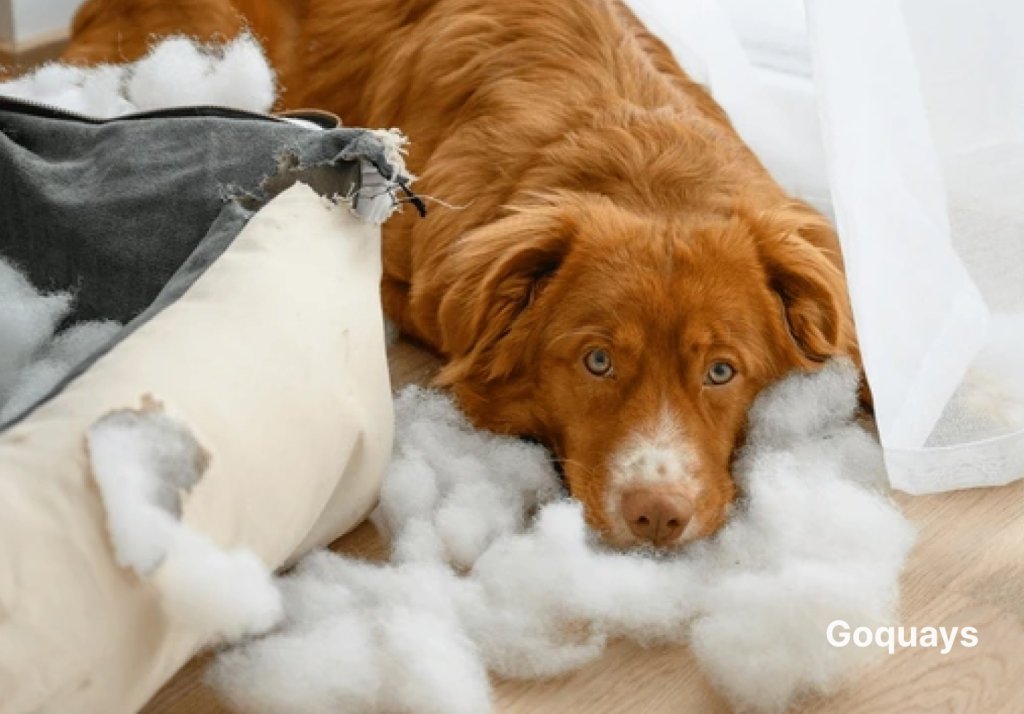
Separation anxiety is one of the most common dog behaviour problems. It occurs when a dog becomes distressed after being left alone, often leading to excessive barking, whining, destructive chewing, pacing, or house soiling. Dogs that have been rehomed, experienced major routine changes, or formed a strong attachment to their owners are more likely to develop separation anxiety.
How to Help Your Dog Cope
Help your dog become comfortable with your departures by practising short absences. Pick up your keys or put on your shoes without leaving, then gradually increase the time you’re away. This helps your dog learn that these cues don’t always mean you’ll be gone for long.
Before leaving, provide a stuffed food toy or puzzle feeder to keep your dog occupied. Leave a familiar blanket or an item of clothing with your scent nearby, and keep arrivals and departures calm to avoid increasing your dog’s anxiety.
If your dog injures themselves while trying to escape, refuses to eat when left alone, or their anxiety continues despite training, consult your veterinarian or a qualified dog behaviourist. Severe separation anxiety may require a structured behaviour plan and, in some cases, medication.
Aggression

Aggression is a serious dog behaviour problem that should never be ignored. It may appear as growling, snapping, lunging, or biting, and is often triggered by fear, pain, frustration, poor socialisation, or resource guarding. Some dogs may also become aggressive when protecting their home or family.
Sudden aggression in a normally friendly dog should always be assessed by a veterinarian, as pain, neurological disorders, or other medical conditions may be the underlying cause.
How to Calm and Manage Aggression
Start by identifying what triggers the aggressive behaviour. Keep a record of when it happens and what occurred beforehand. Never punish an aggressive dog, as punishment can increase fear and make the behaviour worse.
Instead, create distance from the trigger and reward calm behaviour. Gradually expose your dog to the trigger at a level where they remain relaxed, rewarding them for staying calm. Basic commands such as “sit,” “stay,” and “leave it” can also help redirect your dog’s attention.
If your dog has bitten someone, shows unpredictable aggression, or the behaviour is becoming more severe, seek help from your veterinarian and a qualified, force-free dog behaviourist. Early intervention gives you the best chance of improving your dog’s behaviour safely.
Destructive Chewing
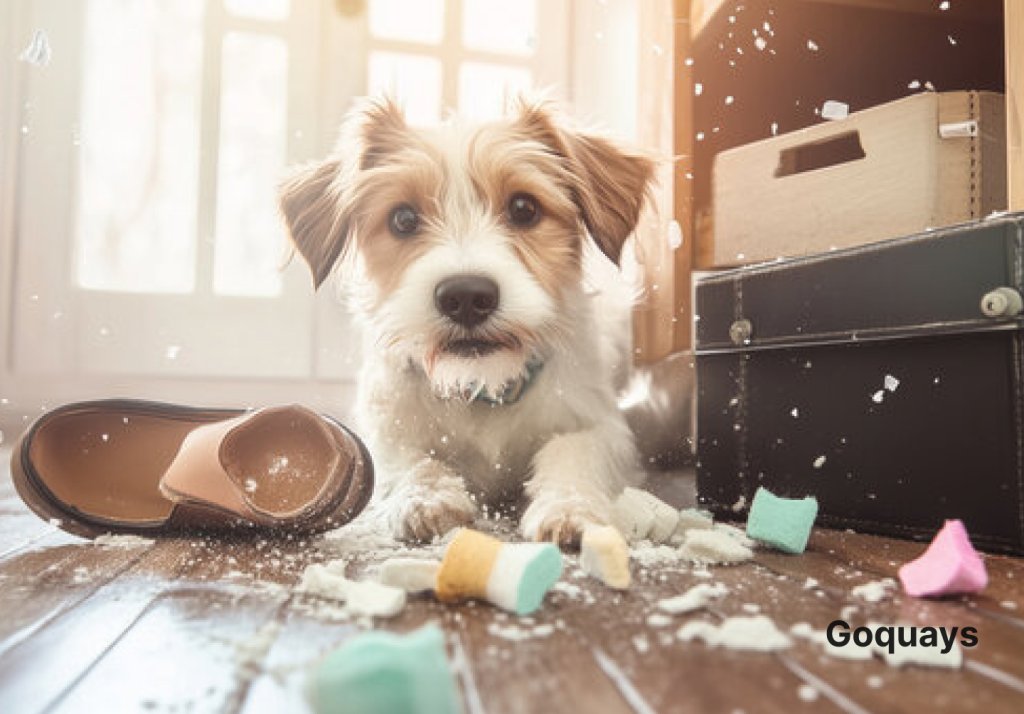
Chewing is a natural behaviour for dogs. Puppies chew to explore their world and relieve teething discomfort, while adult dogs chew to keep their jaws strong and teeth clean. But when chewing turns destructive, it becomes a frustrating dog behaviour problem.
Common reasons include boredom, anxiety, teething, or lack of proper chew toys. Dogs left alone for long periods without stimulation often turn to chewing as a way to relieve stress or entertain themselves. Some dogs chew out of frustration or to seek your attention, especially if it worked once before.
Sometimes chewing is linked to nutritional deficiencies or medical issues. If your dog suddenly starts chewing unusual items like rocks or dirt, consult your vet.
How to Stop This Dog Behaviour Problem
Prevention starts with management. Keep tempting objects like shoes, cables, and children’s toys out of reach. Provide plenty of safe, appealing alternatives like rubber chew toys, bones, or puzzle feeders.
Exercise and mental stimulation go a long way. A tired dog is less likely to chew. Take your dog on regular walks, engage in play sessions, and rotate toys to keep things interesting.
When you catch your dog chewing something inappropriate, interrupt gently with a sound or command. Then, redirect them to a chew toy and praise them when they use it. Avoid punishment, it can create anxiety and make the problem worse.
Crate training or using a safe playpen when you’re away can also help prevent destructive chewing. Just ensure your dog gets enough interaction and exercise when you’re home.
With consistency and the right tools, you can turn your dog’s chewing habits into something healthy and manageable.
Inappropriate Elimination (House Soiling)
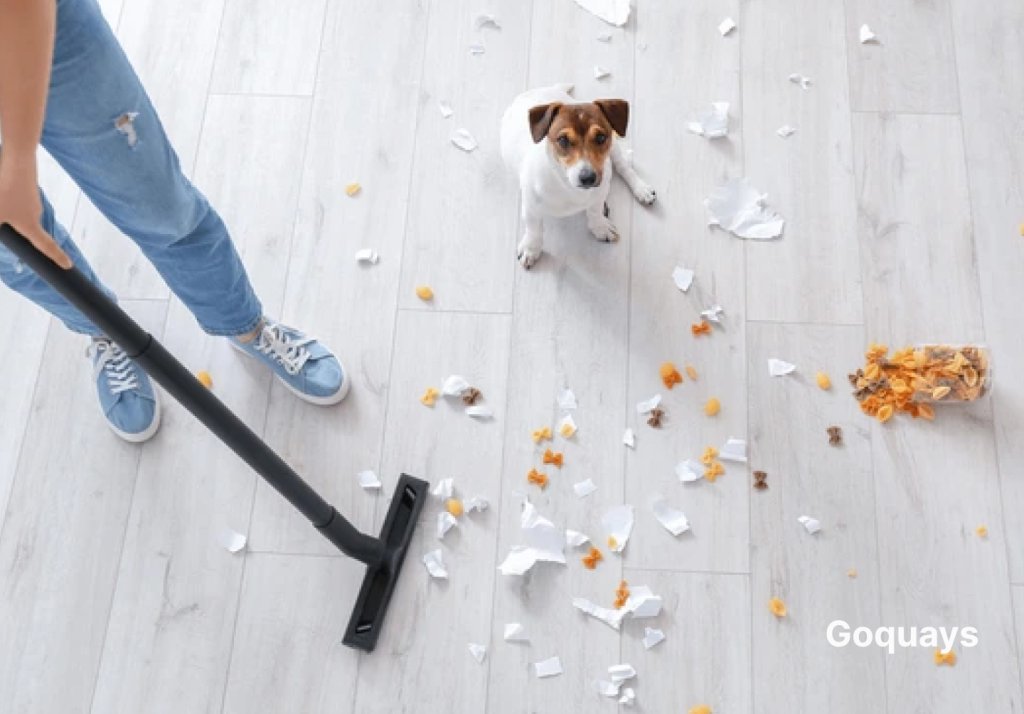
Inappropriate elimination, urinating or defecating indoors, is a messy and stressful dog behaviour problem. It’s common in puppies but can also occur in adult dogs due to poor training, stress, or medical issues.
Puppies need time and consistency to learn where it’s appropriate to go. Older dogs might regress due to changes in routine, moving to a new home, or the presence of other pets. Medical conditions like urinary tract infections, bladder stones, or gastrointestinal problems can also be culprits.
Submissive or excitement urination, especially in young or nervous dogs, can happen during greetings or scolding. Marking is another issue, especially in unneutered males, who use urine to claim territory.
How to Housetrain or Re-train Your Dog
Start with a vet check to rule out health problems. If your dog is healthy, stick to a strict routine. Take them outside frequently, especially after eating, drinking, sleeping, or playing.
Reward your dog immediately when they eliminate outdoors. Praise and treats work wonders. Never punish indoor accidents. Clean the area thoroughly with an enzymatic cleaner to remove lingering odours.
Crate training can help by limiting your dog’s space when unsupervised. Dogs usually avoid soiling where they sleep. Ensure the crate is the right size, big enough to turn around, but not so large they can use one end as a toilet.
If stress is a factor, identify and minimise the triggers. Provide a safe, calm space, and keep changes in routine gradual.
Patience, consistency, and positive reinforcement are key. With time, your dog will understand where to go, and where not to.
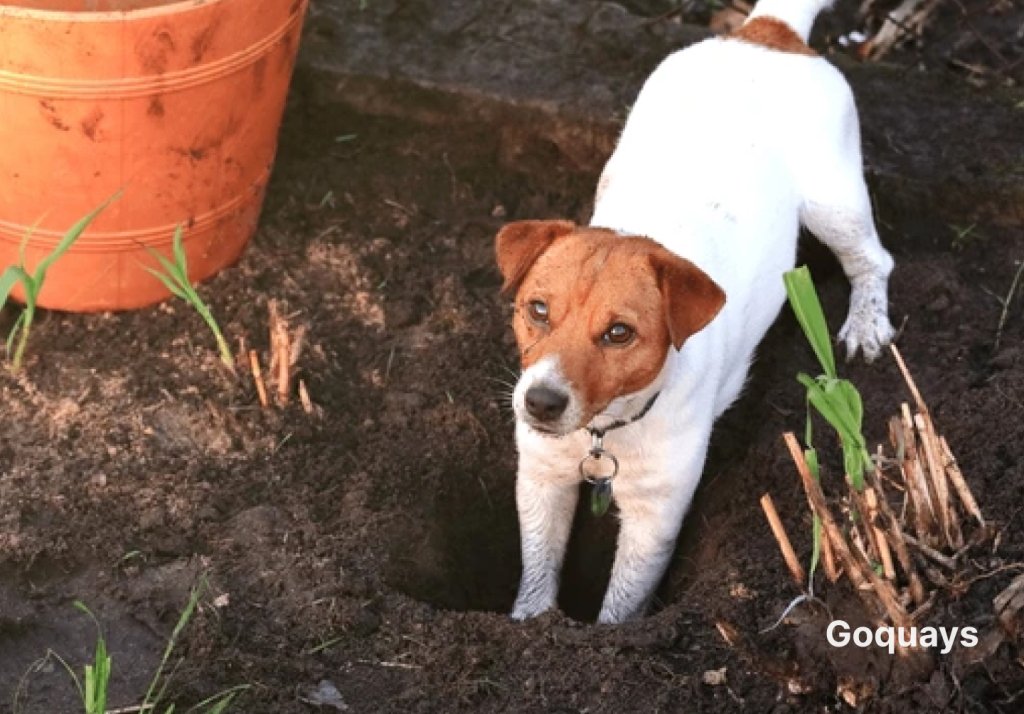
Digging
Jumping is one of the most common dog behaviour problems. Dogs usually jump as an excited greeting, they want to get close to your face or simply grab your attention. Puppies often learn this behaviour early on when they’re small and it’s seen as cute, but it becomes problematic as they grow.
Some dogs also jump when they’re anxious, trying to seek comfort. Others do it to assert dominance or to get rewards like petting, treats, or even eye contact. If jumping consistently gets them what they want, they’ll keep doing it.
Even scolding can reinforce the behaviour if it gives the dog attention.
Simple Training Tips to Stop It
The key is consistency. Teach your dog that jumping never gets them what they want. Ignore your dog when they jump, turn your back, avoid eye contact, and say nothing. The moment all four paws are on the ground, reward with praise or a treat.
Teach an alternative greeting like “sit” or “down.” Reward that behaviour every time someone enters the house. Practise with friends or family until your dog understands what’s expected.
Use a leash during greetings so you have control. Step on the leash to prevent jumping if needed, but don’t yank or scold.
Make sure everyone in your household follows the same rules. If one person allows jumping and another doesn’t, your dog will get confused.
With patience, your dog will learn that calm greetings bring rewards—and jumping brings nothing at all.
Jumping on People
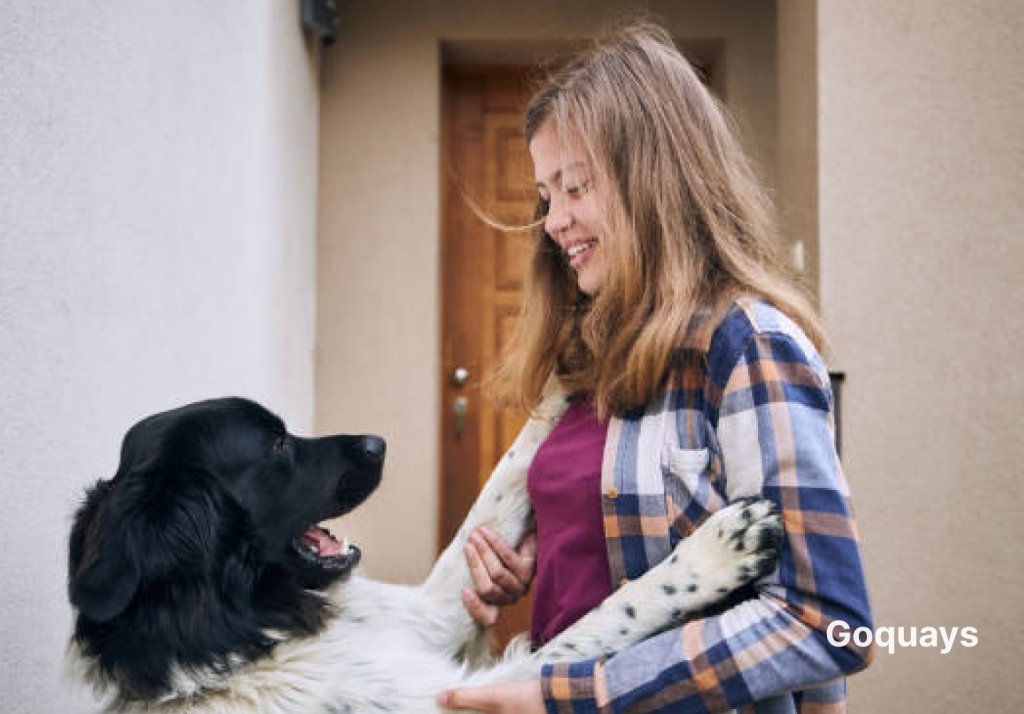
Jumping is one of the most common dog behaviour problems. Dogs usually jump as an excited greeting—they want to get close to your face or simply grab your attention. Puppies often learn this behaviour early on when they’re small and it’s seen as cute, but it becomes problematic as they grow.
Some dogs also jump when they’re anxious, trying to seek comfort. Others do it to assert dominance or to get rewards like petting, treats, or even eye contact. If jumping consistently gets them what they want, they’ll keep doing it.
Even scolding can reinforce the behaviour if it gives the dog attention.
Simple Training Tips to Stop It
The key is consistency. Teach your dog that jumping never gets them what they want. Ignore your dog when they jump—turn your back, avoid eye contact, and say nothing. The moment all four paws are on the ground, reward with praise or a treat.
Teach an alternative greeting like “sit” or “down.” Reward that behaviour every time someone enters the house. Practise with friends or family until your dog understands what’s expected.
Use a leash during greetings so you have control. Step on the leash to prevent jumping if needed, but don’t yank or scold.
Make sure everyone in your household follows the same rules. If one person allows jumping and another doesn’t, your dog will get confused.
With patience, your dog will learn that calm greetings bring rewards—and jumping brings nothing at all.
Stealing Food or Objects
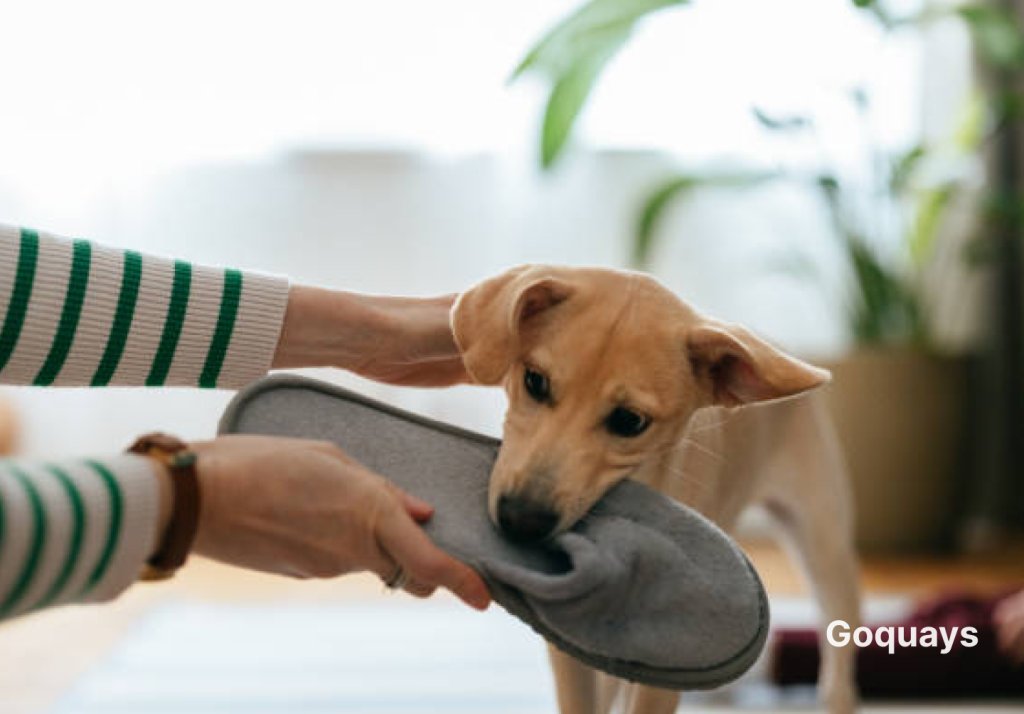
Stealing is a sneaky but common dog behaviour problem. Dogs often grab food or objects out of curiosity, boredom, or for attention. If your dog has ever been chased after stealing something, they may even see it as a fun game.
Some dogs are driven by hunger or past experiences of food scarcity. Others are just exploring their environment with their mouths. Puppies, especially, are natural scavengers. In some cases, stealing is a sign of anxiety, they may hoard objects that smell like you for comfort.
Dogs also tend to repeat behaviours that have been rewarded in the past, even unintentionally.
How to Fix This Dog Behaviour Problem
Start by dog-proofing your space. Keep food out of reach, close bins securely, and limit access to laundry or personal items. Prevention is easier than correction.
Provide your dog with plenty of toys and mental stimulation. Rotate toys regularly to keep them interesting. Make sure your dog has enough exercise, especially if boredom is the cause.
Train a reliable “leave it” or “drop it” command using positive reinforcement. Practise with low-value items and work up to more tempting objects.
Avoid chasing your dog when they steal something, that only makes it more exciting. Instead, offer a trade with a treat or toy. When they drop the stolen item, reward and praise them.
Most importantly, never punish your dog after the fact. They won’t associate the punishment with the ‘stealing’. Focus on setting boundaries, reinforcing good habits, and staying consistent.
Leash Pulling
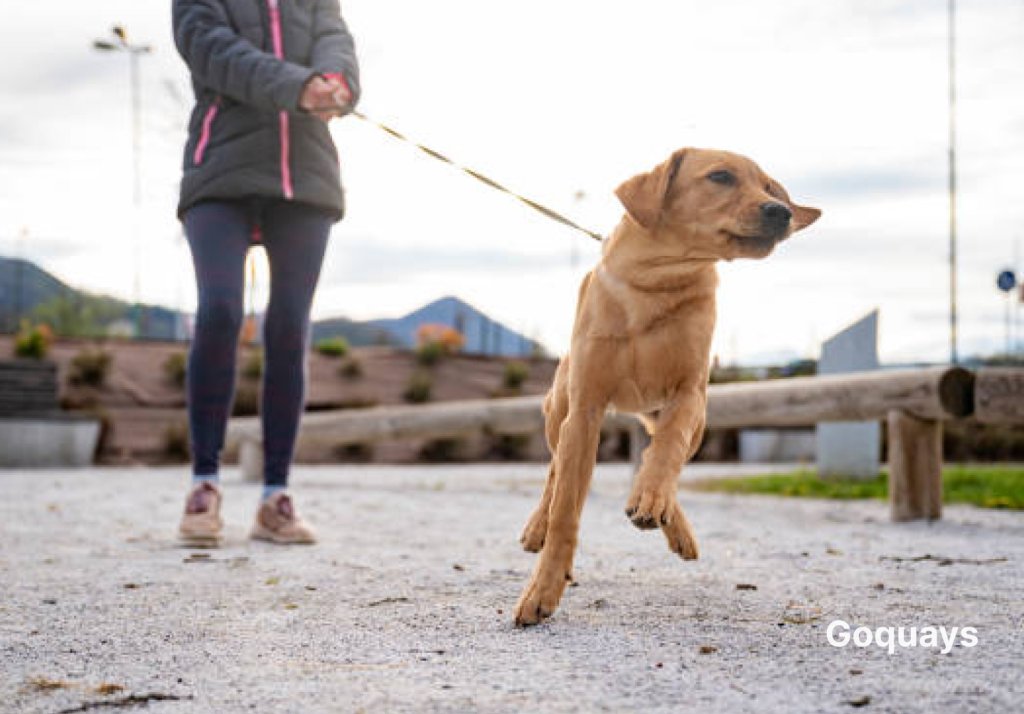
Leash pulling is another frustrating dog behaviour problem that can turn a pleasant walk into a tug-of-war. Most dogs pull because they’re excited to explore the world. Walking too fast or sniffing something interesting triggers the behaviour, and if they move forward, they get rewarded by reaching their goal.
Some dogs pull out of frustration, fear, or overstimulation. Others have simply never been taught how to walk on a loose leash. Certain breeds with high energy levels, like huskies or retrievers, are more prone to pulling.
The habit forms quickly, especially if pulling helps them get where they want to go.
How to Teach Proper Leash Manners
Start training in a calm environment, like your garden or a quiet street. Use a short, sturdy leash and treats your dog loves. When your dog walks beside you without pulling, reward them frequently.
As soon as they start to pull, stop walking. Wait until the leash slackens or call them back. Once they return to your side, resume walking. Repeat every time they pull. This teaches them that pulling gets them nowhere, but calm walking moves things forward.
Use verbal cues like “heel” or “let’s go” to guide your dog. A front-clip harness can give you more control and discourage pulling without hurting your dog.
Be patient and consistent. Don’t expect perfection overnight. Practice short walks and gradually increase the distance.
With time, your dog will understand that walking politely is the fastest way to enjoy the world around them, together.
Begging for Food
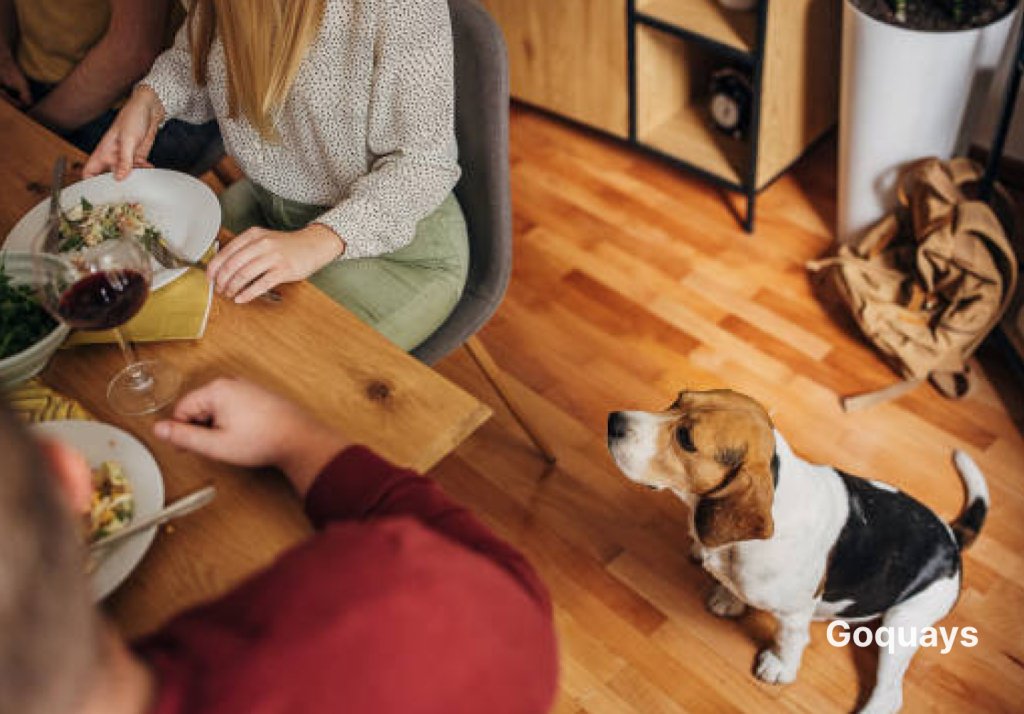
Begging is a dog behaviour problem that often starts with good intentions, giving your dog a little treat under the table or letting them lick your plate. Once rewarded, even once, begging becomes a habit. Dogs quickly learn that those puppy eyes or cute whines get results.
Some dogs beg because they’re truly hungry or not getting enough nutrients. Others do it out of boredom or simply because food smells too tempting. Begging is also reinforced when multiple people in a household sneak treats.
If your dog always seems to beg, especially during meals, it’s likely because they’ve been rewarded for it in the past, consciously or not.
Training Your Dog to Stop Begging
The first rule is simple: never reward begging. Don’t give treats from the table, no matter how cute your dog looks. Everyone in your home needs to agree to stop feeding the dog during meals.
Feed your dog before the family eats. A full belly reduces their interest in your food. You can also give them a chew toy or a stuffed food puzzle to keep them busy during meal times.
Use place training. Teach your dog to go to a designated spot like a mat or bed when food is around. Reward them for staying there calmly.
Ignore begging behaviours completely. No scolding, no talking, no eye contact. Any attention, even negative, can encourage the behaviour.
With time and consistency, your dog will learn that begging doesn’t work. Instead, reward calm, patient behaviour and keep human food where it belongs; on your plate.
Conclusion
Every dog has quirks, but some behaviours can turn into full-blown challenges if left unaddressed. From excessive barking and chewing to more serious issues like aggression or separation anxiety, each dog behaviour problem has a root cause, and a solution.
The key is understanding why your dog acts out. Are they bored? Anxious? Under-exercised? Once you identify the cause, you can apply the right training techniques, offer mental stimulation, or change your environment to help them thrive. Patience, consistency, and positive reinforcement go a long way.
It’s important to remember that your dog isn’t being “bad” on purpose. Most of the time, they’re just reacting to their surroundings the only way they know how. Behaviour problems are your dog’s way of communicating an unmet need, whether it’s more exercise, a predictable routine, or simply clear boundaries.
If you’re struggling with any of these issues, know that you’re not alone. Many dog owners face similar challenges. Sometimes, a small adjustment in your daily routine can make a big difference. In other cases, working with a professional dog trainer or behaviourist might be the best step forward.
Choosing a dog means accepting responsibility for their training and well-being. When you invest time in understanding and correcting dog behaviour problems, you strengthen your bond and create a more peaceful and happy home for both of you.
So don’t give up. Stay consistent, stay kind, and remember that even the toughest behaviour problems can be solved with the right mix of patience and love.
FAQ
What is the most common dog behaviour problem?
Excessive barking is one of the most common dog behaviour problems. Other frequent issues include destructive chewing, separation anxiety, leash pulling, jumping on people, and begging for food.
Why has my dog’s behaviour suddenly changed?
A sudden change in behaviour may be caused by illness, pain, stress, anxiety, or a major change in your dog’s environment or routine. If the behaviour appears suddenly or is severe, consult your veterinarian.
Can dog behaviour problems be corrected?
Yes. Most dog behaviour problems can be improved with the right training, management, and understanding of the underlying cause. Some behaviours may take longer to change than others, but many dogs respond well to consistent, reward-based training.
At what age should you start training a dog?
Training should begin as early as possible. Puppies can start learning basic commands and socialisation from around 8 weeks of age, but dogs of any age can learn new behaviours.
Should I punish my dog for bad behaviour?
No. Punishment can increase fear and anxiety, making some behaviour problems worse. Positive reinforcement, where you reward the behaviour you want to see, is generally a more effective and humane training method.
How long does it take to correct a behaviour problem?
It depends on the behaviour, its cause, and how long it has been happening. Some dogs improve within a few weeks, while more complex issues may take several months of consistent training.
When should I hire a professional dog trainer?
Consider working with a qualified trainer or behaviourist if your dog’s behaviour is becoming difficult to manage, isn’t improving with home training, or involves aggression, severe anxiety, or fear.