


When it comes to sharing snacks with your dog, fruit can seem like a healthy option—but not every fruit is as safe as it looks. Many dog owners wonder whether popular fruits like blueberries, apples, and tomatoes can be safely added to their pet’s diet or if they come with hidden risks.
The good news is that some fruits can offer valuable vitamins, antioxidants, and fibre when served properly. However, portion size, preparation, and the type of fruit all matter. In this guide, we’ll look at whether dogs can eat blueberries, apples, and tomatoes, the nutritional benefits each fruit may offer, the possible risks to watch out for, and how to serve them safely as an occasional treat.
What Fruits Can Dogs Eat Safely?
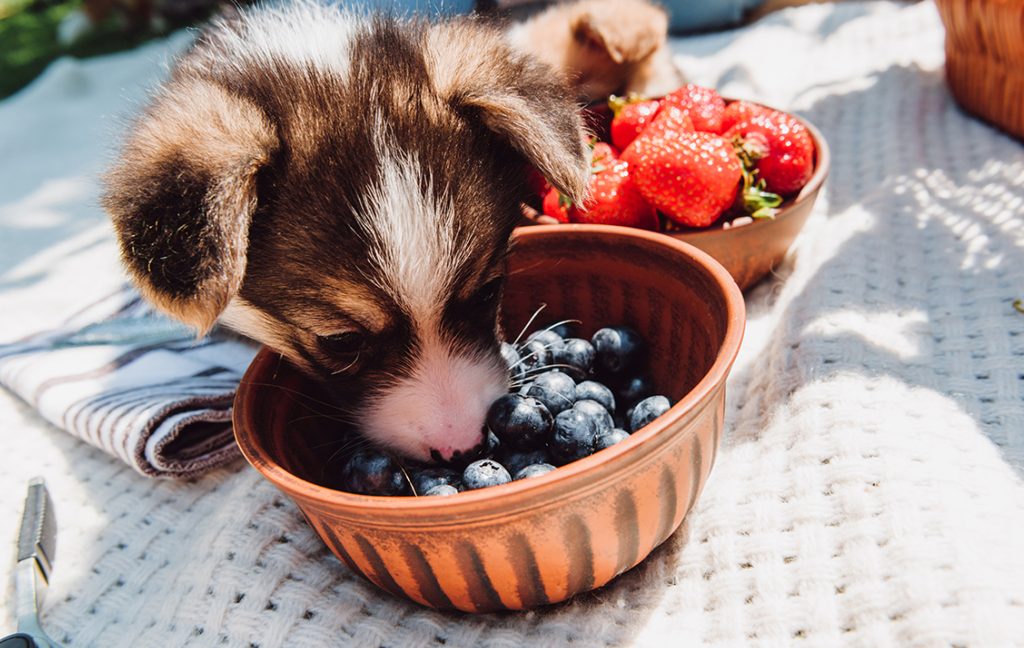
- Blueberries?
Of course. Blueberries are like little superfood bombs for your dog. These tiny blue gems are packed with antioxidants, vitamin C, and fibre, which are all brilliant for your pup’s overall health.
Benefits of blueberries for dogs:
- Boost immune system with powerful antioxidants
- Support brain health and cognitive function
- Low in calories (perfect for chunky pups)
- Natural source of vitamins K and C
Safe serving size: 2-3 blueberries per 10kg of body weight, 2-3 times per week
2. Apples?
Yes, but with a crucial caveat: Always remove the core and seeds first! Apple flesh is fantastic for dogs, providing vitamins A and C, as well as dietary fibre. The natural sugars give them a lovely energy boost, too.
Apple benefits for dogs:
- Helps clean teeth naturally (the crunchy texture works like a toothbrush)
- Supports digestive health with natural fibre
- Low-fat treat option
- Rich in antioxidants
It’s important to keep in mind that Apple seeds contain cyanide, which is toxic to dogs. Always core your apples completely before sharing. Think of it like preparing apples for a toddler.
Safe serving size: 1-2 small slices for small dogs, 3-4 slices for larger breeds, once or twice weekly.
3. Tomatoes?
Ripe, red tomatoes in small amounts are generally safe for most dogs. However, green tomatoes, tomato plants, and large quantities of any tomatoes can be problematic due to solanine, a compound that’s toxic to dogs.
The tomato rule: Only feed fully ripe, red tomatoes, and only as an occasional treat.
Tomato risks:
- Green tomatoes contain high levels of solanine
- Tomato leaves and stems are toxic
- Some dogs are more sensitive than others
- Can cause stomach upset in larger quantities.
For safety caution, especially without access to ripe red tomatoes, it’s best to skip tomatoes altogether. There are so many safer fruit options that your dog will love just as much without the potential risks.
Nutritional Benefits
Fruits can be brilliant additions to your dog’s diet when given properly. They provide natural vitamins, minerals, and antioxidants that support everything from immune function to coat health.
Nutrient | Benefits for Dogs | Best Fruit Sources | Daily Value Impact |
Antioxidants | Fight free radicals, support cellular health | Blueberries, strawberries | High in berries |
Vitamin C | Immune support (dogs produce their own) | Strawberries, apples | Supplementary only |
Fibre | Digestive health, weight management | Apples, pears | 2-5% of daily needs |
Potassium | Heart and muscle function | Bananas, cantaloupe | 1-3% of daily needs |
Water | Hydration support | Watermelon, oranges | 10-15% contribution |
High-quality commercial dog foods are specially designed to meet all your dog’s nutritional needs, so they don’t actually need fruit in their diet. That said, safe fruits can be offered as an occasional treat and may provide some great extra benefits in moderation.
Other Dog-Safe Fruits to Consider
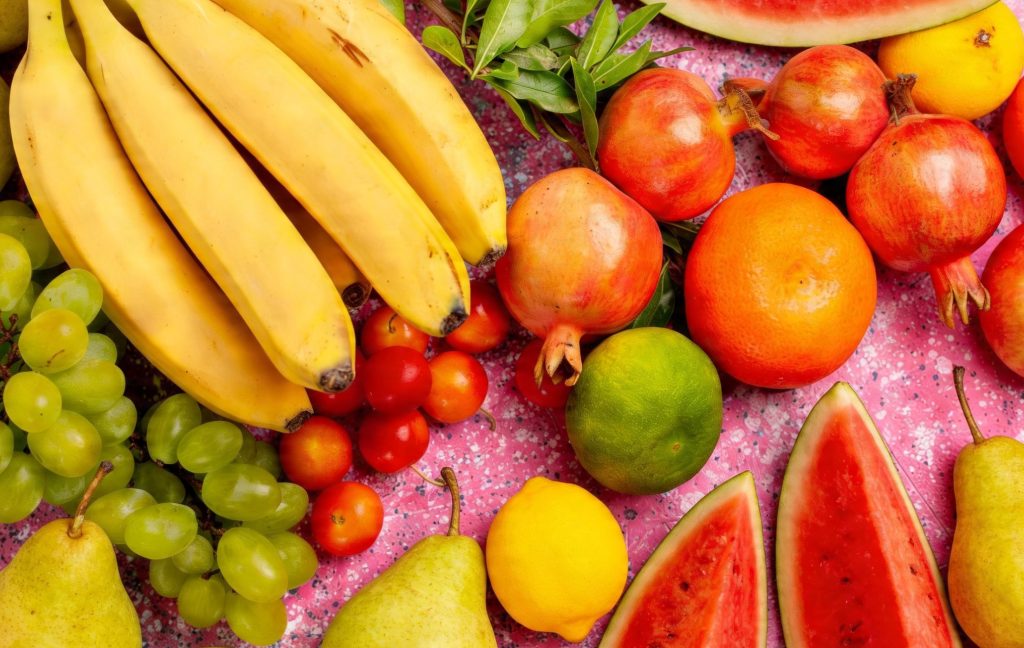
Beyond our main trio, here are other fruits your pup can safely enjoy:
Excellent choices:
- Bananas – potassium powerhouses (limit due to sugar content)
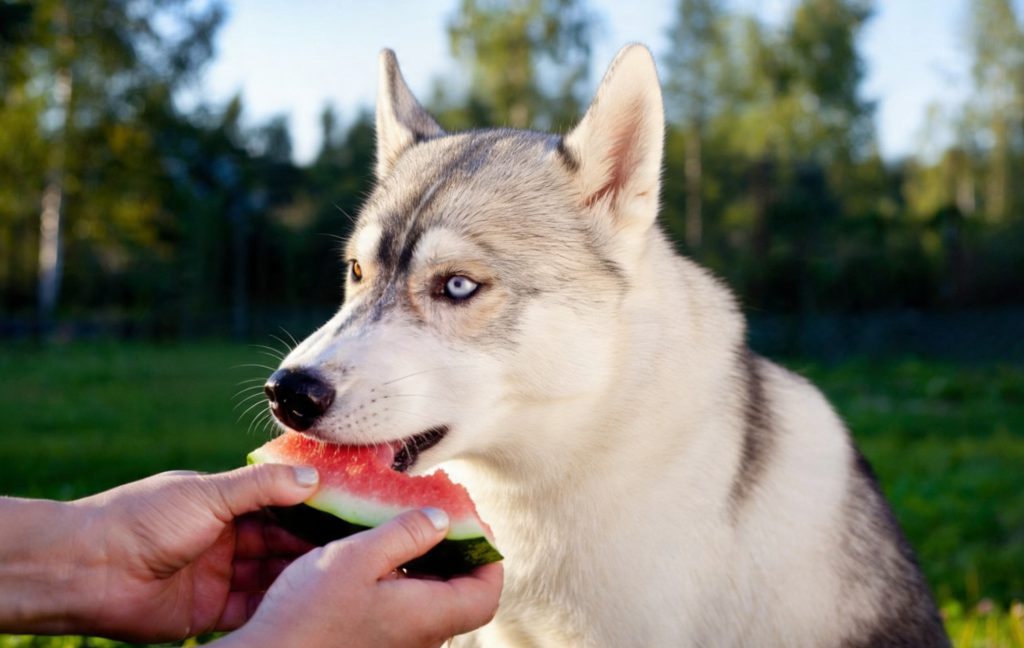
- Watermelon – hydrating summer treat (remove seeds)
- Strawberries – vitamin C and natural teeth whiteners
- Pears – fibre-rich (remove core and seeds)
- Cranberries – urinary tract support (fresh only, not dried)
Portion control tip: Treats (including fruit) should never make up more than 10% of your dog’s daily caloric intake.
Vet-Approved Fruit Portions
Getting portions right is crucial for your dog’s health. Too much of even safe fruits can cause stomach upset or contribute to weight gain.
Dog Size | Weight Range | Blueberries | Apple Slices | Strawberries | Frequency |
Small Dogs | Under 10kg | 2-3 berries | 1-2 small pieces | 1 small berry | 2-3 times weekly |
Medium Dogs | 10-25kg | 5-8 berries | 2-3 medium pieces | 2 medium berries | 2-3 times weekly |
Large Dogs | Over 25kg | 8-12 berries | 3-4 large pieces | 3-4 berries | 2-3 times weekly |
Pro tip: Start with smaller portions to see how your dog’s tummy reacts. Every pup is different, and some have more sensitive digestive systems than others.
Can Dogs Eat Dried or Frozen Fruit?
Frozen Fruit
Generally safe options:
- Plain frozen blueberries (a brilliant summer treat)
- Frozen banana slices (great for teething puppies)
- Frozen apple pieces (remove cores first)
Avoid frozen fruits with:
- Added sugars or syrups
- Artificial preservatives
- Mixed with unsafe fruits
Dried Fruit
This is where you need to be extra careful. Most commercial dried fruits contain added sugars, preservatives, or are processed with ingredients harmful to dogs.
Safe occasionally:
- Plain, unsweetened dried apple pieces (very small amounts)
- Homemade dehydrated sweet potato (technically a vegetable)
Absolutely avoid:
- Raisins or dried grapes (highly toxic)
- Dried fruits with added sugars
- Trail mix containing dried fruits
- Any dried fruit with chocolate or nuts
Fruits Dogs Should Never Eat
Some fruits are absolutely off-limits for our four-legged friends. These can cause serious illness or even be fatal.
Toxic Fruit | Danger Level | Why It’s Dangerous | Symptoms |
Grapes/Raisins | EXTREME | Kidney failure (unknown compound) | Vomiting, lethargy, loss of appetite |
Cherries | HIGH | Cyanide in pits, stomach upset | Difficulty breathing, red gums |
Avocado | MODERATE | Persin toxicity | Vomiting, diarrhoea, heart issues |
Wild Berries | VARIABLE | Unknown toxicity levels | Depends on berry type |
Toxic fruits to avoid completely:
- Grapes and Raisins: Even small amounts can cause kidney failure. The exact toxic compound isn’t known, making all grapes dangerous regardless of type or quantity.
- Cherries: The pits contain cyanide, and the fruit can cause stomach upset. Not worth the risk when there are safer options.
- Avocado: Contains persin, which can cause vomiting and diarrhoea. The pit is also a choking hazard.
- Wild Berries: Unless you are certain of the type, avoid any wild berries. Many look similar but have vastly different safety profiles.
Remember, when in doubt, don’t risk it. There are plenty of safe alternatives your dog will love just as much.
How to Introduce New Fruits Safely
Starting your pup on fruit treats? Here’s my tried-and-tested approach:
The gradual introduction method:
- Start tiny – literally one small piece
- Wait 24-48 hours – watch for any digestive upset
- Monitor behaviour – ensure they’re acting normally
- Gradually increase – if all goes well, slightly increase portion size
- Establish routine – once you know they tolerate it well, create a treat schedule
What to watch during introduction:
- Changes in bowel movements
- Vomiting or loss of appetite
- Unusual lethargy or hyperactivity
- Skin reactions or excessive scratching
If you notice any negative reactions, stop immediately and consult your vet.
Creative Ways to Serve Fruit Treats
Let’s face it, presentation matters, even for dogs! Here are some fun ways to serve up fruity goodness:
Summer cooling treats:
- Freeze blueberries in ice cube trays with water
- Blend banana and apple pieces into “pupsicles.”
- Stuff Kong toys with mashed banana and freeze
Training rewards:
- Use small blueberries as high-value training treats
- Dice apples into tiny training-sized pieces
- Alternate fruit treats with regular treats for variety
Special occasion ideas:
- Create a “fruit salad” with safe options for birthday celebrations
- Make homemade dog treats incorporating safe fruits
- Use fruits as food puzzle fillers to encourage mental stimulation
Creative fruit treat arrangements and frozen dog treats.
Seasonal Fruit Safety Considerations
Living in the country means dealing with seasonal changes that affect fruit availability and safety.
Spring considerations:
- Watch for discarded fruit in parks during cleanup season
- Be cautious of early stone fruits (stick to proven safe options)
- Garden fruit trees may have unripe, potentially harmful fruits
Summer abundance:
- Perfect time for frozen fruit treats
- Increased risk of overfeeding due to availability
- Watch for wasps around fallen fruit (double danger!)
Autumn warnings:
- Fallen apples in parks may be fermenting (toxic)
- Windfall fruit can harbour mould or bacteria
- Increased risk of dogs finding and eating unsuitable fruits
Winter safety:
- Imported fruits may have more preservatives
- Frozen treats might be too cold for senior dogs
- Limited fresh options make proper portions even more important
Conclusion
After years of watching friends navigate the world of dog treats, I’ve learned that knowledge truly is power when it comes to our pets’ health. Yes, many fruits can be wonderful additions to your dog’s diet, but the key lies in understanding which ones, how much, and how often.
Your fruit-feeding checklist:
- Always remove seeds, cores, and stems
- Start with tiny portions and monitor reactions
- Stick to the 10% treat rule for daily calories
- Choose fresh over dried or processed options
- When in doubt, consult your vet
- Keep emergency vet numbers handy
The most important thing? Your dog’s health and happiness. These fruit treats should enhance their diet, not replace proper nutrition or become a source of stress for you both.