

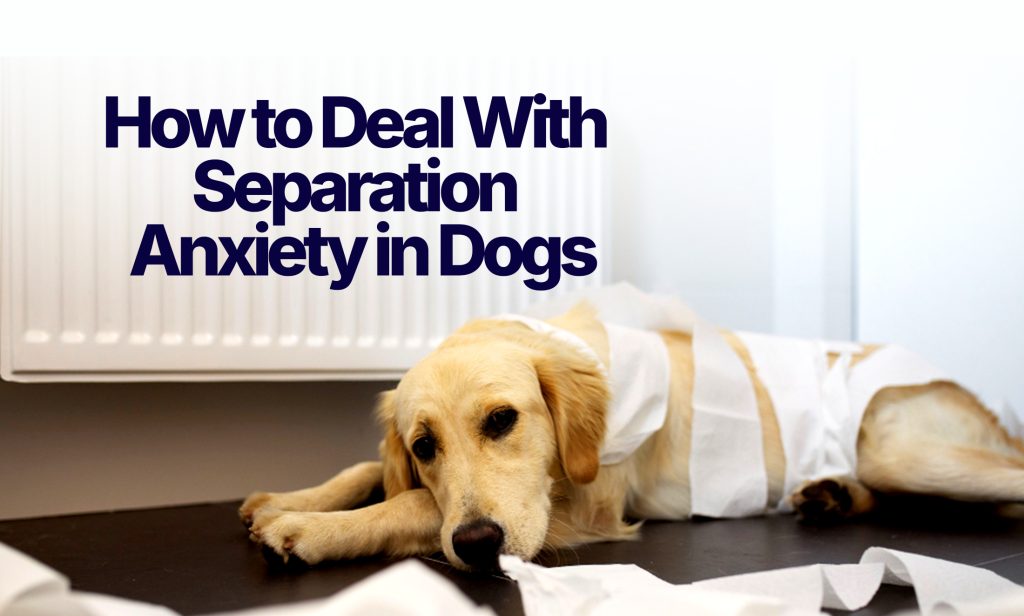
You pick up your bag and head for the door. Behind you, your dog is already pacing, ears low, eyes full of worry. The moment you close the door, the barking starts. Maybe they scratch the floor or chew the corner of the sofa. They’re not being naughty. They’re scared. And they’re hurting from separation anxiety.
Separation anxiety in dogs is one of the most misunderstood issues pet owners face. Your dog isn’t trying to get revenge or cause chaos. They’re simply overwhelmed. You’re their whole world. When you leave, even for a short time, it can feel like everything safe and familiar disappears with you.
This behaviour often shows up in adopted dogs, especially those who’ve been abandoned before. But even dogs raised from puppyhood can suddenly struggle when routines change or life feels uncertain. Sometimes these behaviours are not as a result of separation anxiety and if it is not then we have the right article to help you understand behavioural problems in your dog.
As behaviourist Caroline Wilkinson says, “When a dog suffers from separation anxiety, they’re not giving you a hard time. They’re having a hard time.”
It’s painful to watch and exhausting to manage, but there’s hope. With the right steps, you can help your dog feel secure and confident again. You’ll learn how to spot the signs, understand what your dog is going through, and take kind, practical steps to make life easier for both of you.
Because no dog should feel alone in their fear. And no owner should feel helpless watching it happen.
What Is Separation Anxiety in Dogs?
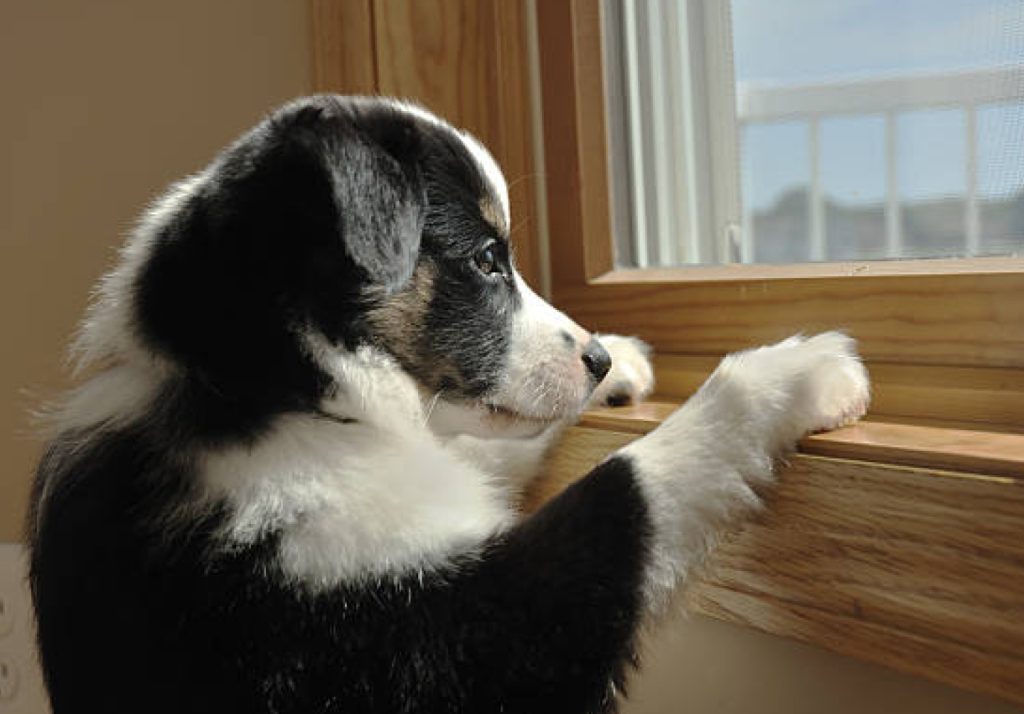
Separation anxiety in dogs is more than just missing you when you leave. It’s a deep fear that something terrible is happening when you’re not there. Your dog isn’t just being dramatic or spoiled. They’re overwhelmed, panicked, and genuinely distressed by your absence.
You might come home to shredded pillows, scratched doors, or puddles on the floor. But these aren’t signs of a bad dog. They’re cries for help. Dogs with separation anxiety aren’t misbehaving. They’re trying to cope with intense emotional stress the only way they know how, by acting out their fear.
This condition often looks like clinginess at first. Your dog follows you from room to room, watches your every move, and whines when you grab your keys. But it can quickly become more serious. Some dogs stop eating when left alone. Others injure themselves trying to escape. That’s why it’s so important to spot the early signs.
If left untreated, separation anxiety can damage your dog’s well-being and your bond with them. It can also make life harder for you both, turning everyday routines into emotional minefields.
Veterinary behaviourist Dr. Sarah Heath puts it simply: “Separation anxiety is not a behaviour problem, it’s an emotional disorder. And it deserves empathy, not punishment.”
Understanding what separation anxiety really is helps you respond with compassion and patience. Once you know what’s going on, you can begin to give your dog the calm, confident support they truly need.
What Are the Signs of Separation Anxiety in Dogs?
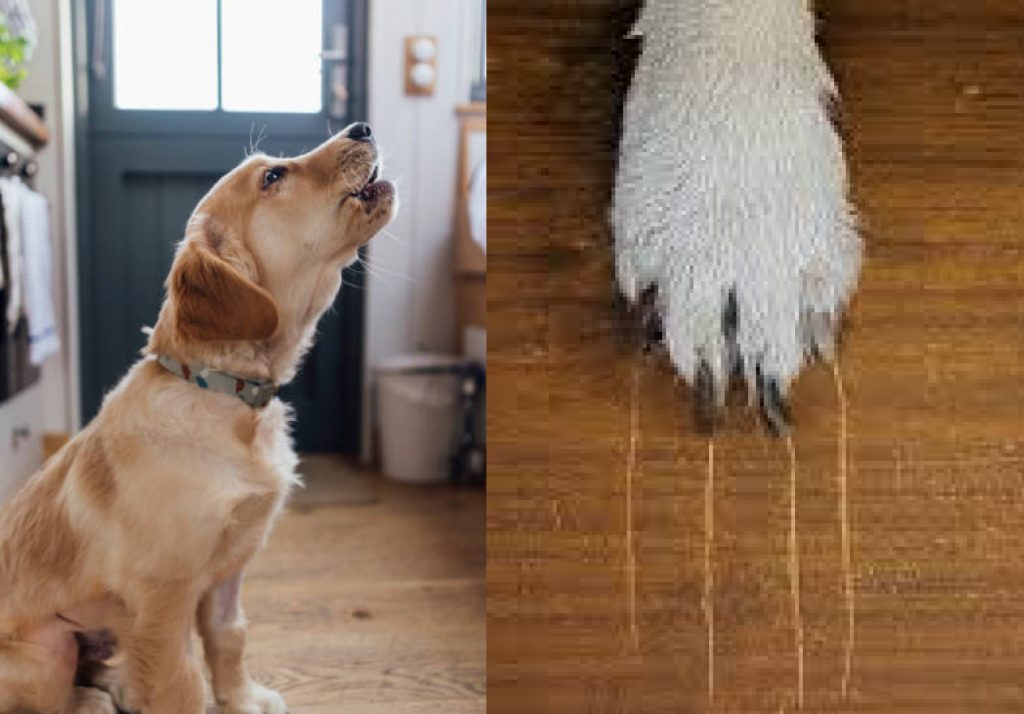
Separation anxiety in dogs doesn’t always look the same, but the signs are often loud, heartbreaking, and hard to miss. It shows up in many ways, and each sign is your dog’s way of saying, “I’m not okay without you.” It usually starts when your dog senses that you’re getting ready to leave. Maybe you reach for your keys, or put on your shoes, and suddenly your dog changes. They might begin to whine, follow you closely, or pace nervously around the house.
Here are the most common signs:
- Whining, barking, or howling when left alone
- Destructive chewing or scratching, especially near doors or windows
- Pacing, trembling, or restlessness while you’re gone
- Peeing or pooping indoors, even though your dog is house-trained
- Desperate attempts to escape, which can lead to injury
- Excessive drooling or panting, even in cool conditions
- Following you constantly before you leave
- Ignoring food or treats when alone
Every dog is different. Some show just one of these signs, others show several. But if these behaviours mostly happen when you’re leaving or gone, separation anxiety is likely behind them. Recognising the signs early helps you give your dog the comfort and support they need.
Why Do Some Dogs Develop Separation Anxiety?
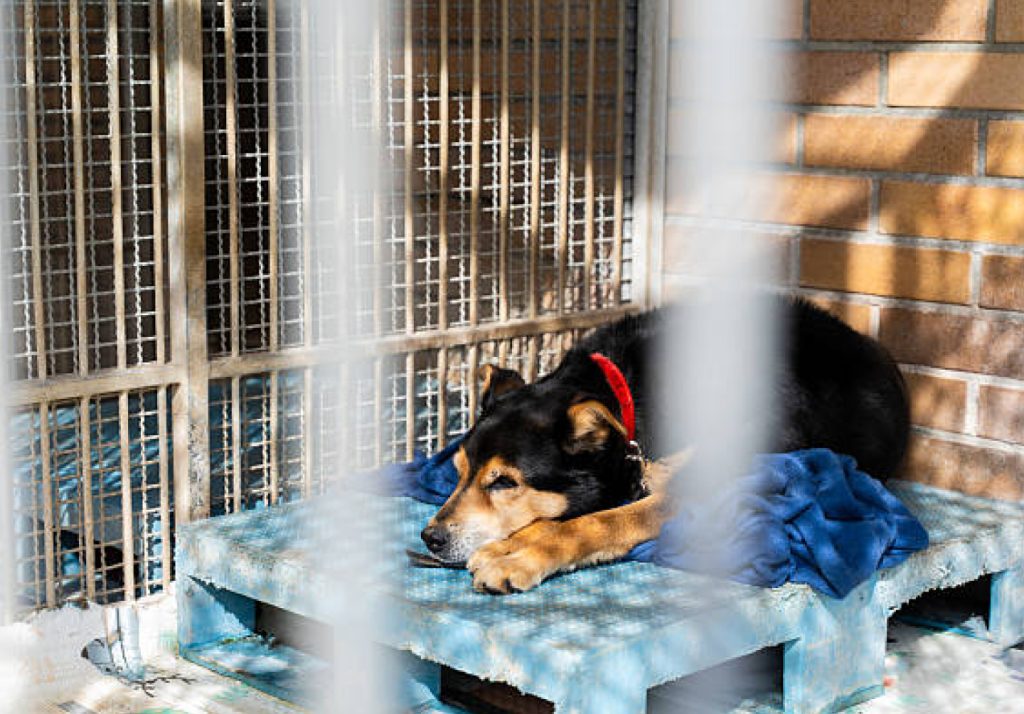
Some dogs seem to handle alone time just fine. Others panic the moment you’re out of sight. Why? It often comes down to how their world has changed.
A sudden shift in schedule can throw your dog off balance. If you recently started a new job or school routine, your pup might be confused and stressed by the longer periods of silence and solitude.
Moving to a new home or joining a new family can also leave a dog feeling uncertain. They crave familiarity and routine, and when everything smells, sounds, and feels different, anxiety can creep in.
Some dogs develop separation anxiety after a traumatic event. Being abandoned, rehomed, or left at a shelter can break their sense of trust and stability. Even dogs raised with love can carry emotional scars from earlier experiences.
In many cases, a dog becomes overly dependent on one person. If your pup only feels secure when you’re around, any time apart can feel unbearable.
As Dr. Linda Simon, MVB MRCVS, explains, “Dogs are creatures of habit. Disruption to their routine often triggers stress.” Helping them adjust slowly, with patience and consistency, can make all the difference.
The Difference Between Separation Anxiety and Normal Canine Behavior

It’s normal for your dog to greet you excitedly when you come home. Tail wags, happy barks, even following you from room to room, these are typical signs of attachment and affection.
But separation anxiety runs deeper. It isn’t just missing you. It’s full-blown panic.
A dog with separation anxiety shows distress before you even walk out the door. You may notice pacing, whining, or excessive drooling. Once alone, they might bark for hours, chew furniture, or try to escape.
The key difference is how intense and disruptive the behaviour becomes. A dog that simply likes your company might sigh and nap when you’re gone. A dog with anxiety will struggle to settle, showing physical and emotional signs of distress.
Understanding the difference helps you respond with the right support. If it’s anxiety, your dog needs more than comfort, they need structure, reassurance, and sometimes professional help to feel safe again.
How Separation Anxiety in Dogs Differs From Other Health or Behavior Problems
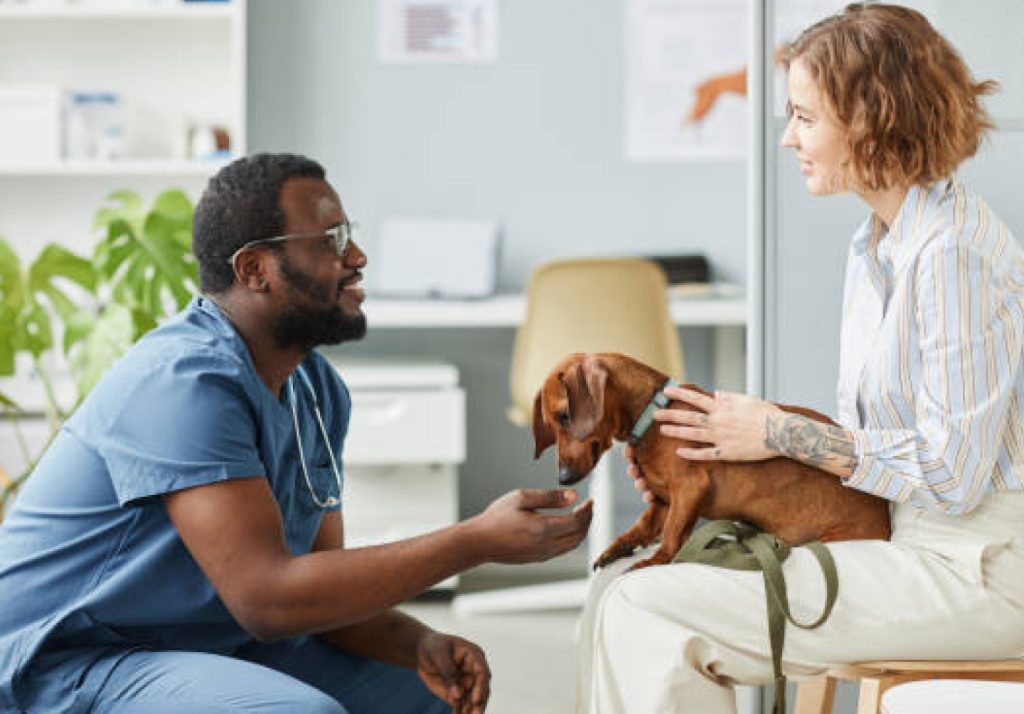
Not every destructive or noisy dog has separation anxiety. Sometimes, what looks like anxiety is actually a medical issue or a behaviour rooted in boredom.
Start by ruling out health concerns. If your dog is urinating indoors, it could be a bladder infection. If they seem restless or in pain, joint problems or digestive issues might be the cause. A quick check with your vet can help clear up doubts.
Boredom is another common trigger for misbehaviour. Dogs need mental and physical stimulation. Without toys, play, or exercise, even a calm dog may chew, bark, or dig out of sheer frustration.
Poor training can also lead to problem behaviours. If your dog hasn’t learned boundaries or routines, they may act out when left alone, not because of anxiety, but because they’re confused.
True separation anxiety is marked by distress linked specifically to your absence. If your dog acts perfectly fine when you’re home, but falls apart the moment you leave, it’s time to look deeper. Understanding the root cause is the first step toward helping your dog feel calm and secure again.
How to Help a Dog With Separation Anxiety
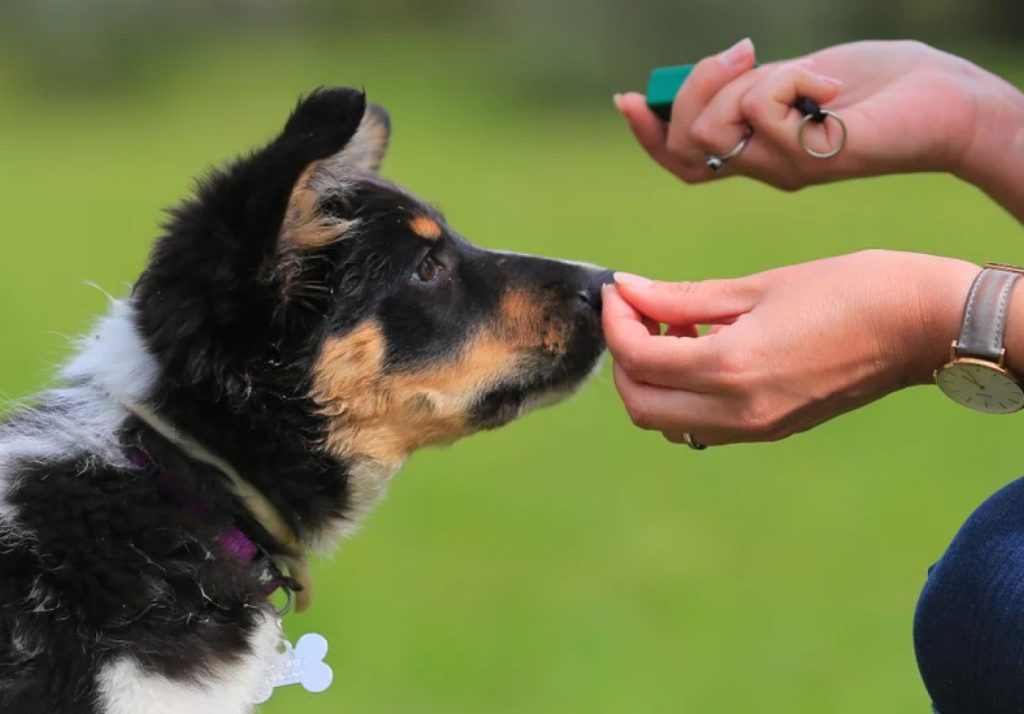
Helping your dog cope with separation anxiety takes time, not quick fixes. You’re not just teaching them to be alone, you’re helping them feel safe without you. That takes love, patience, and small steps forward.
- Behaviour Modification
Start with short absences. Step out for a minute, then return calmly. Gradually increase the time. Each peaceful moment alone helps your dog trust that you’ll always come back.
- Desensitisation and Counter-Conditioning
Change what your dog associates with your leaving. Offer a puzzle toy, soft music, or a relaxing scent. When your dog begins linking your absence with comfort, anxiety starts to fade.
- Exercise Your Dog
Before leaving, give your dog a long walk or playtime. A tired dog is more likely to nap than panic. Physical activity helps release nervous energy and builds emotional balance.
- Crate Training
With gentle training, a crate can become a safe, cosy den. Keep the door open at first, and make it a place of calm, not confinement.
- Interactive Toys
Give your dog toys that engage their mind. Puzzle feeders or treat-filled toys offer distraction and comfort, especially during your absence.
- Don’t Leave Your Dog Alone for Too Long
First, avoid long periods alone. Ask a friend or sitter to check in. Gradual, supported absences help your dog adjust with less fear.
- Never Punish Your Dog
Destructive behaviour isn’t rebellion, it’s panic. Stay calm. Offer comfort. Your understanding is what your dog needs most to heal and grow stronger.
How to Treat or Prevent Separation-Related Behavior
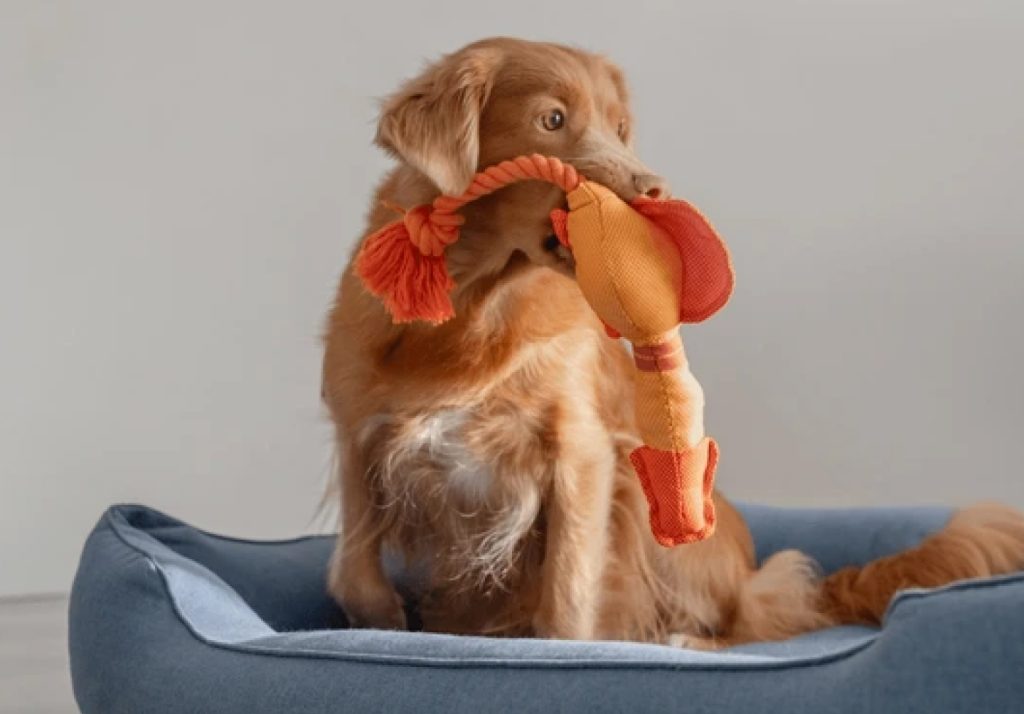
Prevention starts early, but it’s never too late to make a difference. Dogs don’t just grow out of separation anxiety. They grow through it with your help. These small, thoughtful steps can make being alone feel less like a loss and more like a moment of peace.
- Leave a ‘Special’ Toy
Choose one toy your dog absolutely loves and only offer it when you leave. It could be a puzzle feeder, a squeaky favourite, or a frozen chew. This simple habit makes your departure feel like a treat instead of a threat. Over time, your dog may even look forward to it.
- Encourage Relaxation During Alone Time
Help your dog unwind with familiar comforts. Leave behind a worn T-shirt that smells like you. Use soft background music or calming dog-specific playlists. These small touches make a big difference, especially during those first anxious minutes after you leave.
- Minimise Disturbances
Reduce triggers that can heighten anxiety. Close the curtains, play white noise, or move your dog’s bed to a quieter part of the home. Avoid dramatic exits and returns. Calm, neutral goodbyes teach your dog that there’s nothing to fear.
- Get a Dog Sitter or Use Doggy Daycare
If your schedule allows, consider doggy daycare or a trusted sitter for days when you’re gone longer than usual. Social play or gentle companionship breaks up the day and keeps your dog from feeling isolated. Even a few hours of company can ease their worry.
Conclusion
Helping your dog through separation anxiety takes time, patience, and love. But every small step you take makes a world of difference to them.
You’re not just teaching them to stay calm when you leave, you’re showing them they’re safe, even when you’re not by their side. That kind of trust isn’t built overnight. It grows with gentle routines, comforting touches, and the quiet moments when your dog learns to rest without fear.
“Dogs don’t fake their emotions. If they miss you, they really miss you,” says canine behaviourist Sarah Matthews. And that’s exactly why your efforts matter so much.
Whether it’s using a favourite toy, calming scents, or a short goodbye, everything you do helps your dog feel just a little more secure. And when they finally wag their tail instead of whining as you walk out the door, you’ll know you’re on the right path.
You don’t have to do it alone. Ask for help, lean on professionals, and keep learning what works best for your dog. With kindness and consistency, your dog can go from anxious to assured.
Because every dog deserves to feel safe and every goodbye should come with the promise of return.