



Do dogs dream? If you’ve ever watched your dog twitch, paddle their legs, wag their tail, or softly bark while sleeping, you’ve probably asked yourself that very question. While we can’t ask dogs what they dream about, scientific research strongly suggests that they do. Like humans, dogs experience Rapid Eye Movement (REM) sleep, the stage most closely linked to dreaming.
Like humans and many other mammals, dogs experience Rapid Eye Movement (REM) sleep. This is the stage of sleep most closely associated with dreaming. During REM sleep, the brain becomes highly active while the body remains mostly relaxed. You may notice your dog’s eyes moving beneath their closed eyelids, their breathing becoming irregular, or their paws making gentle running motions. These are all normal signs that your dog has entered the dreaming stage of sleep.
While we may never know exactly what dogs see in their dreams, modern sleep research provides strong evidence that dreaming is a normal and healthy part of a dog’s life. Understanding how dogs dream can help you better recognise their sleep behaviours and appreciate just how active their minds remain, even while resting.
In this guide, you’ll discover what scientists know about dog dreams, what dogs are most likely to dream about, whether they can have nightmares, how age and breed affect dreaming, and when unusual sleep behaviour may be a reason to visit the vet. You’ll also learn how to help your dog enjoy better, more restful sleep.
How Scientists Know Dogs Dream
Scientists know dogs dream because they have sleep cycles similar to humans. By studying brain activity, researchers found that dogs enter REM sleep, when the brain is highly active and dreaming is most likely to occur.
During REM sleep, dogs often twitch their paws, move their eyes beneath closed eyelids, wag their tails, or make soft sounds. These behaviours suggest the brain is processing memories rather than the movements being random.
Research on other mammals has strengthened this understanding. In a well-known MIT study, rats replayed brain activity from tasks they completed while awake, showing that animals process daily experiences during sleep. Because dogs have more complex brains, researchers believe they likely experience richer dreams.
While science can’t tell us exactly what dogs dream about, the evidence strongly supports that dreaming helps with memory, learning, and emotional processing.
What Do Dogs Dream About?
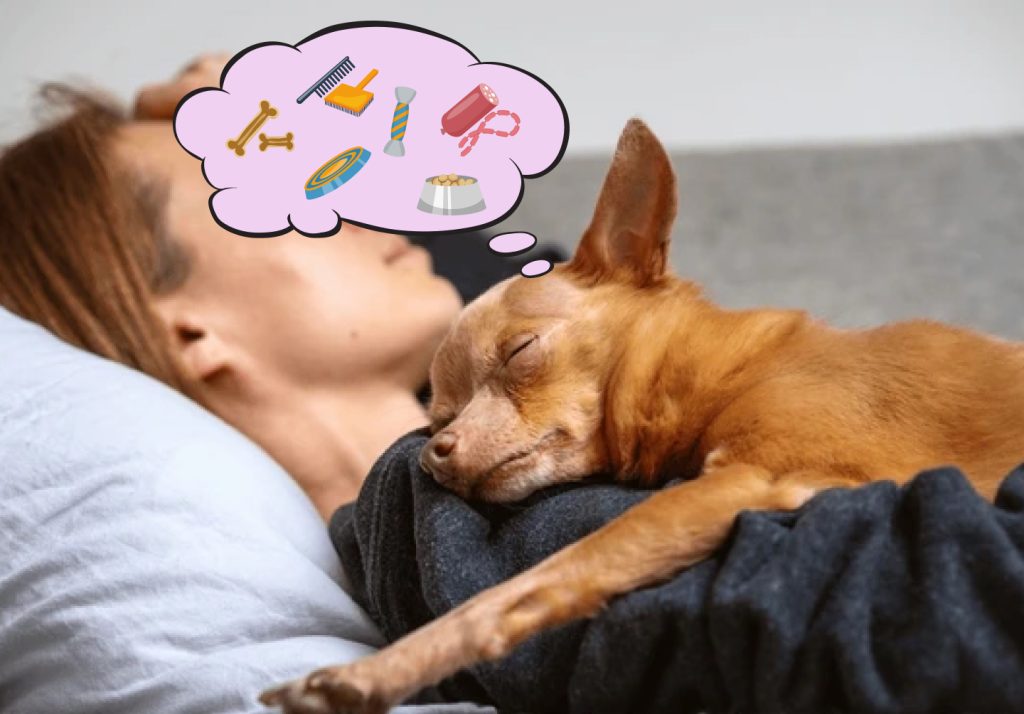
Although we can’t know exactly what dogs see in their dreams, scientists believe they dream about the people, places, and activities that fill their everyday lives. Like humans, dogs are thought to replay memories while they sleep, helping them process experiences and emotions.
Your dog may dream about chasing a ball, going for a walk, playing with other dogs, or exploring familiar places. Working breeds may even dream about tasks linked to their instincts, such as herding, retrieving, or guarding.
Many experts also believe dogs dream about their owners. Since you are an important part of your dog’s daily routine, they may relive moments like playing together, cuddling on the sofa, or simply resting by your side.
Puppies often dream more frequently because they are constantly learning about the world. Their brains use sleep to organise new sights, sounds, and experiences, making dreaming an important part of healthy development.
While every dog’s dreams are unique, researchers agree that dreaming helps strengthen memories and process daily experiences, making sleep an essential part of your dog’s well-being.
Do Dogs Have Bad Dreams?
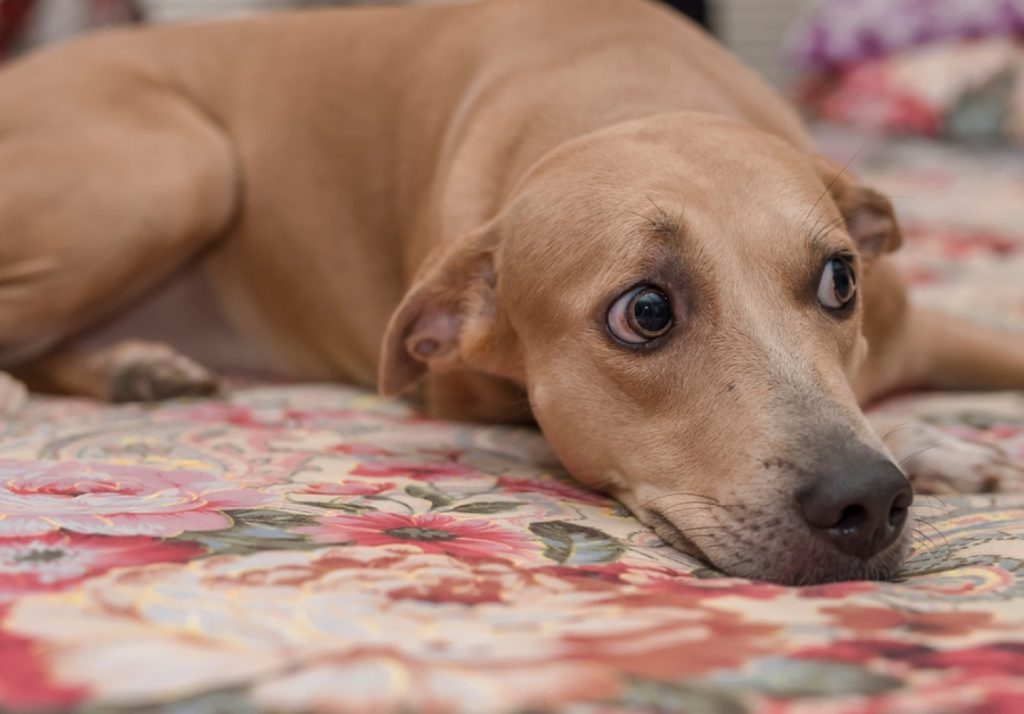
Yes, dogs can have bad dreams. Just as people sometimes experience nightmares, dogs may also dream about stressful or frightening events. During a bad dream, your dog may whimper, growl, twitch more than usual, or move their legs as if trying to run away.
Nightmares are more likely after upsetting experiences, such as a loud thunderstorm, a stressful trip to the vet, or a frightening encounter with another animal. Dogs that have experienced trauma or anxiety may also be more prone to unpleasant dreams.
Most nightmares only last a few seconds and are nothing to worry about. Once your dog wakes, they usually return to normal quickly. However, if your dog frequently seems distressed during sleep or shows signs of anxiety while awake, it’s worth discussing their behaviour with your veterinarian.
Should You Wake a Dog Having a Bad Dream?
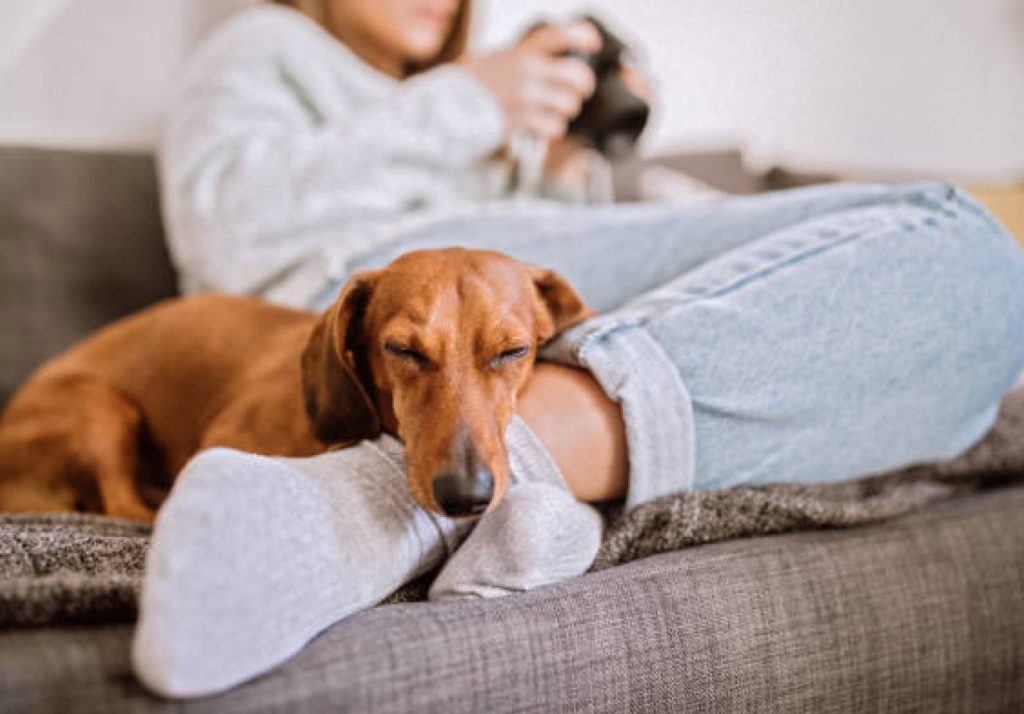
It can be upsetting to watch your dog having what appears to be a nightmare, but it’s usually best not to wake them suddenly. Dogs in REM sleep may wake feeling confused or frightened, and they could react by snapping or barking before they fully recognise their surroundings.
Instead, let the dream pass naturally. Most bad dreams are brief and end on their own. If your dog seems particularly distressed, try speaking their name softly from a short distance rather than touching them.
If you need to wake your dog for safety reasons, do so gently and give them a moment to settle before offering reassurance. A calm voice and familiar surroundings will help them relax.
Does Breed Affect a Dog’s Dreams?
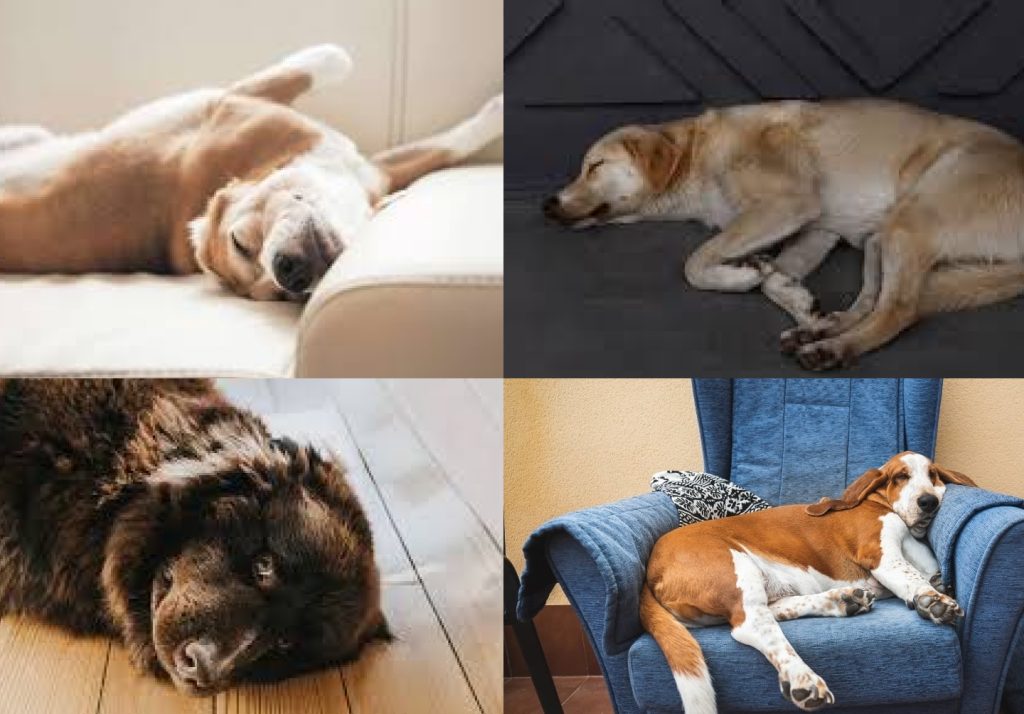
A dog’s breed can influence how often they dream and what they may dream about. Smaller breeds, such as Chihuahuas and Toy Poodles, tend to dream more frequently but for shorter periods. Larger breeds, including Golden Retrievers and German Shepherds, usually dream less often, although their dreams tend to last longer.
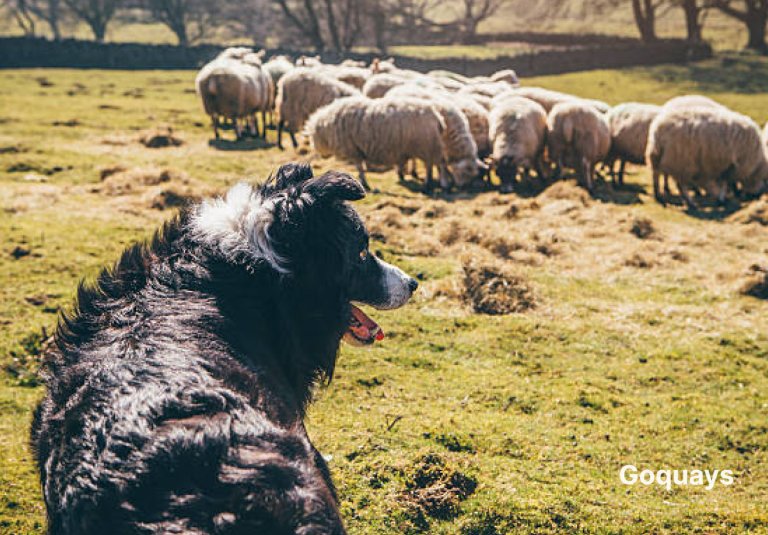
Breed instincts may also shape dream content. A Border Collie might dream about herding livestock, while a Labrador Retriever may relive retrieving games or swimming. These dreams are likely based on both natural instincts and everyday experiences.
That said, breed is only one factor. Your dog’s age, personality, lifestyle, and daily activities all play an important role in shaping their dreams. Whether they’re a working dog or a family pet, their dreams are thought to reflect the experiences that matter most to them.
Do Puppies Dream More Than Adult Dogs?
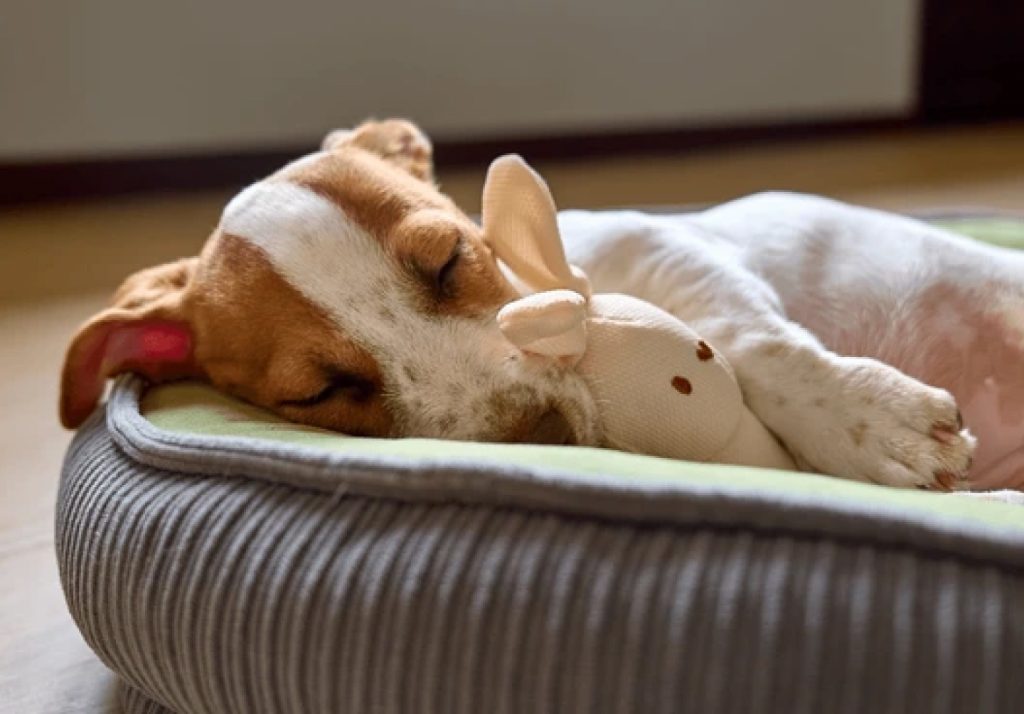
Yes, puppies are believed to dream more often than adult dogs. Their brains are developing rapidly, and every day brings new sights, sounds, smells, and experiences. During sleep, especially REM sleep, their brains process and organise this new information, helping them learn and remember.
Because puppies spend more time in REM sleep, you may notice them twitching, paddling their legs, making small noises, or even wagging their tails while they nap. These behaviours are usually normal and are a sign that their brain is active during sleep.
As dogs mature, their sleep patterns become more stable, and they generally spend less time dreaming than they did as puppies. Even so, dreaming remains an important part of healthy brain function throughout a dog’s life.
Do Older Dogs Dream More?
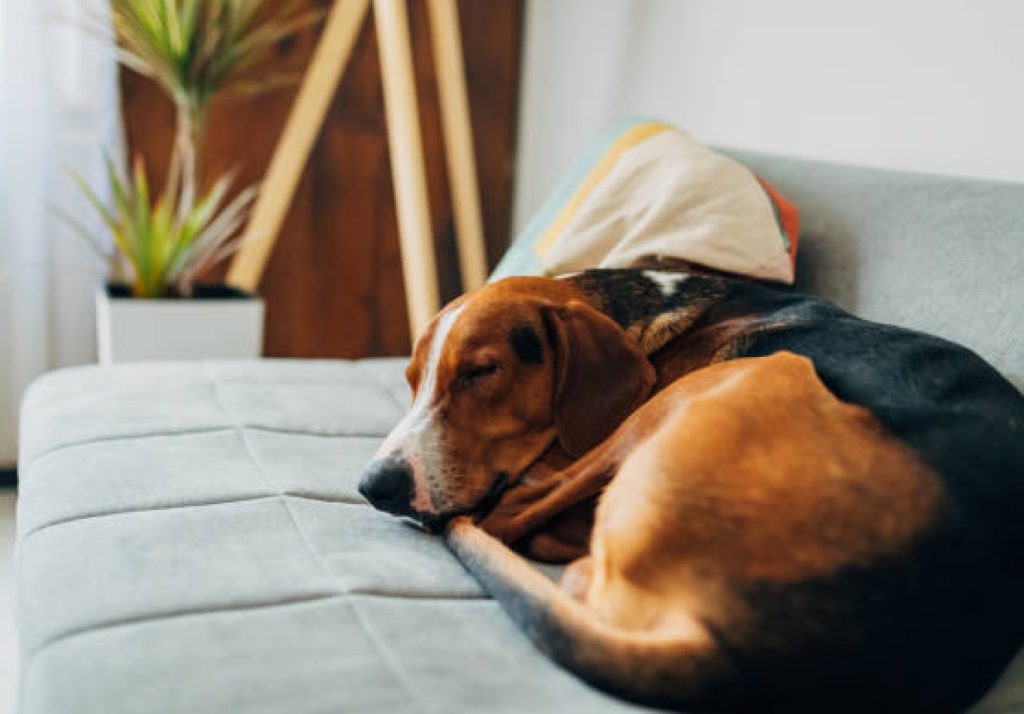
Senior dogs may seem to dream more often because they usually sleep longer than younger adults. Although they may spend more time resting, their dreams are thought to serve the same purpose of processing memories and experiences.
Older dogs can also have lighter, more fragmented sleep, making dream-related movements such as twitching, soft barking, or paw movements easier to notice. In many cases, these behaviours are completely normal.
However, if your senior dog suddenly develops unusual movements during sleep, appears confused after waking, or experiences frequent restlessness, it’s a good idea to speak with your veterinarian. These changes could sometimes be linked to age-related health conditions rather than normal dreaming.
How Often Do Dogs Dream?
Most dogs dream several times each day, especially if they take multiple naps. They typically enter REM sleep about 20 to 30 minutes after falling asleep, and this is when dreaming is most likely to occur.
How often a dog dreams depends on several factors. Puppies usually dream the most because their brains are constantly learning. Small breeds tend to dream more frequently but for shorter periods, while larger breeds dream less often but usually have longer dreams.
You may recognise that your dog is dreaming if you notice gentle twitching, eye movement beneath closed eyelids, changes in breathing, or quiet sounds such as soft barks or whimpers. These behaviours are a normal part of REM sleep.
Every dog has its own sleep pattern, so some may dream more visibly than others. As long as your dog is sleeping comfortably and waking up normally, dreaming is simply a healthy part of their daily routine.
How to Help Your Dog Get Better Sleep
Good sleep is essential for your dog’s physical and mental health. A well-rested dog is happier, healthier, and more likely to enjoy restful dreams.
Start by giving your dog a comfortable place to sleep. A soft, supportive bed in a quiet area away from loud noises and bright lights can help them settle more easily. Keeping a consistent daily routine, including regular feeding, exercise, and bedtime, also encourages better sleep.
Physical activity and mental stimulation during the day are equally important. Walks, play sessions, puzzle toys, and training exercises help burn energy and keep your dog’s mind active. Avoid intense exercise right before bedtime, as it may make it harder for your dog to relax.
If your dog seems anxious at night, creating a calm environment with familiar bedding, a favourite toy, or soft background noise may help. If sleep problems continue or your dog appears uncomfortable, speak with your veterinarian to rule out any underlying health issues.
When Should You See a Vet?
Occasional twitching, barking, or paw movements during sleep are completely normal. However, some sleep behaviours may need medical attention.
Contact your veterinarian if your dog:
- Has violent or prolonged movements while sleeping.
- Appears to have seizures rather than normal dream-related twitching.
- Frequently wakes up confused or distressed.
- Suddenly develops major changes in their sleeping habits.
- Snores heavily, struggles to breathe, or seems unusually restless during sleep.
- Shows signs of pain or discomfort when awake.
Your vet can determine whether your dog’s symptoms are related to normal dreaming or an underlying medical condition that requires treatment.
Conclusion
Research strongly suggests that dogs dream, even though we can’t know exactly what they see while sleeping. Their dreams are thought to help process memories, reinforce learning, and make sense of daily experiences. From chasing a favourite toy to spending time with their family, the moments that matter most in your dog’s life may continue long after they close their eyes.
Most sleep movements, including twitching, tail wagging, and soft barking, are perfectly normal. By providing a comfortable sleeping environment, regular exercise, and a consistent routine, you can help your dog enjoy the quality rest they need.
The next time you see your dog peacefully asleep, remember that they may be reliving some of their happiest moments. Healthy sleep supports a healthy mind, making dreaming just another fascinating part of your dog’s everyday life.
FAQ
Do dogs dream every night?
Most dogs dream every day, especially if they take several naps. Dreaming occurs during REM sleep, which happens multiple times throughout the day and night.
Can dogs dream about their owners?
Scientists believe they can. Since owners are a major part of a dog’s daily life, it’s likely they dream about familiar people, activities, and routines.
Can dogs have nightmares?
Yes. Dogs can experience bad dreams, particularly after stressful or frightening experiences. Most nightmares are short and harmless.
Why does my dog twitch while sleeping?
Twitching is usually a normal sign of REM sleep. It often happens when your dog’s brain is processing memories and dreams.
Is it safe to wake a dreaming dog?
It’s usually best not to. Waking a dog suddenly during a dream may startle them and cause temporary confusion.
Do puppies dream more than adult dogs?
Yes. Puppies spend more time in REM sleep because their brains are developing rapidly, so they tend to dream more often.
Do certain dog breeds dream more than others?
Yes. Smaller breeds generally dream more frequently but for shorter periods, while larger breeds dream less often but usually have longer dreams.
Can dogs remember their dreams?
There’s no scientific evidence showing that dogs remember their dreams after waking, so the answer remains unknown.
What if my dog cries or barks in its sleep?
Occasional vocalisations are usually normal. However, if they happen frequently or are accompanied by unusual behaviour when awake, consult your veterinarian.