


Rabbits may look easy to care for, but their digestive systems are delicate, and the food they eat plays an important role in their health. As strict herbivores, rabbits need a fibre-rich diet to support digestion, maintain healthy teeth, and prevent common health problems.
Many rabbit owners wonder if certain fruits, vegetables, or household foods are safe to share with their pets. Some foods provide valuable nutrients, while others can cause digestive upset or serious health issues.
A healthy rabbit diet starts with unlimited hay, followed by fresh leafy greens, safe vegetables, and small amounts of treats. Knowing which foods to offer, which ones to avoid, and how much to feed can help your rabbit maintain a healthy weight and live a healthier life.
This guide explains the best foods for rabbits, unsafe foods to avoid, recommended feeding portions, and simple habits that support your bunny’s long-term wellbeing.
Why a Rabbit’s Diet Matters
A rabbit’s diet affects almost every aspect of their health, from digestion and dental care to energy levels and overall wellbeing. Unlike many pets, rabbits have a digestive system designed to process large amounts of fibre throughout the day. This is why hay should always be the foundation of their diet.
Rabbits also have teeth that grow continuously throughout their lives. Chewing fibrous foods like hay helps naturally wear down their teeth and reduces the risk of painful dental problems.
A diet that is too low in fibre or too high in treats, starch, or sugary foods can lead to issues such as obesity, digestive upset, and gastrointestinal stasis (GI stasis), a serious condition that requires prompt veterinary attention.
Providing the right balance of hay, fresh greens, vegetables, and limited treats helps support healthy digestion, proper dental wear, and a better quality of life for your rabbit.
Safe Foods for Rabbits
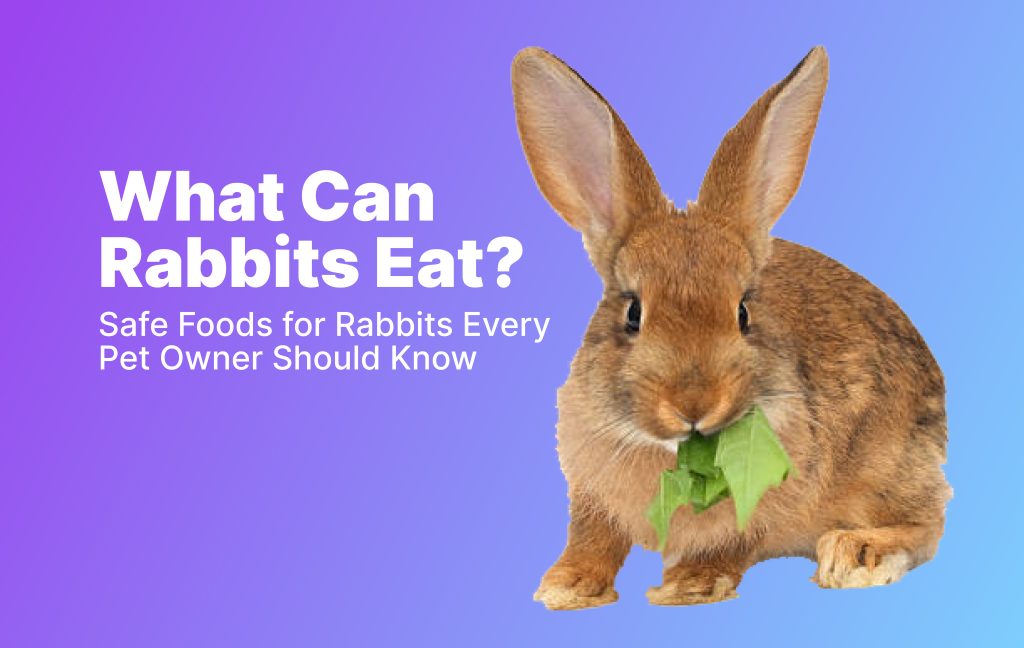
A rabbit’s diet should be built around high-fibre foods that support digestion and dental health. While hay should make up the majority of their daily intake, fresh greens, vegetables, and small amounts of fruit can provide variety and additional nutrients.
Hay
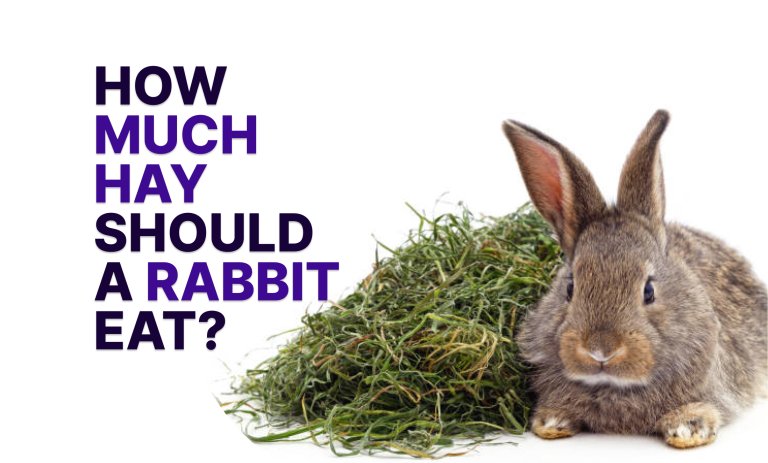
Hay is the most important part of a rabbit’s diet and should be available at all times. It provides the fibre needed for healthy digestion and helps wear down continuously growing teeth.
Good hay options include:
- Timothy hay
- Orchard grass hay
- Meadow hay
- Oat hay
Adult rabbits should avoid large amounts of alfalfa hay because it is higher in calcium and protein. It is more suitable for young rabbits that are still growing.
Leafy Greens
Fresh leafy greens provide vitamins, minerals, and hydration. Offer a variety of greens daily, introducing new options slowly to prevent digestive upset.
Safe choices include:
- Romaine lettuce
- Parsley
- Cilantro
- Basil
- Mint
- Bok choy
- Dandelion greens
Vegetables
Vegetables add variety and nutrients but should be introduced gradually and offered in moderation. Too many vegetables at once can upset a rabbit’s sensitive digestive system.
Safe options include:
- Bell peppers
- Zucchini
- Broccoli leaves and stems
- Celery cut into small pieces
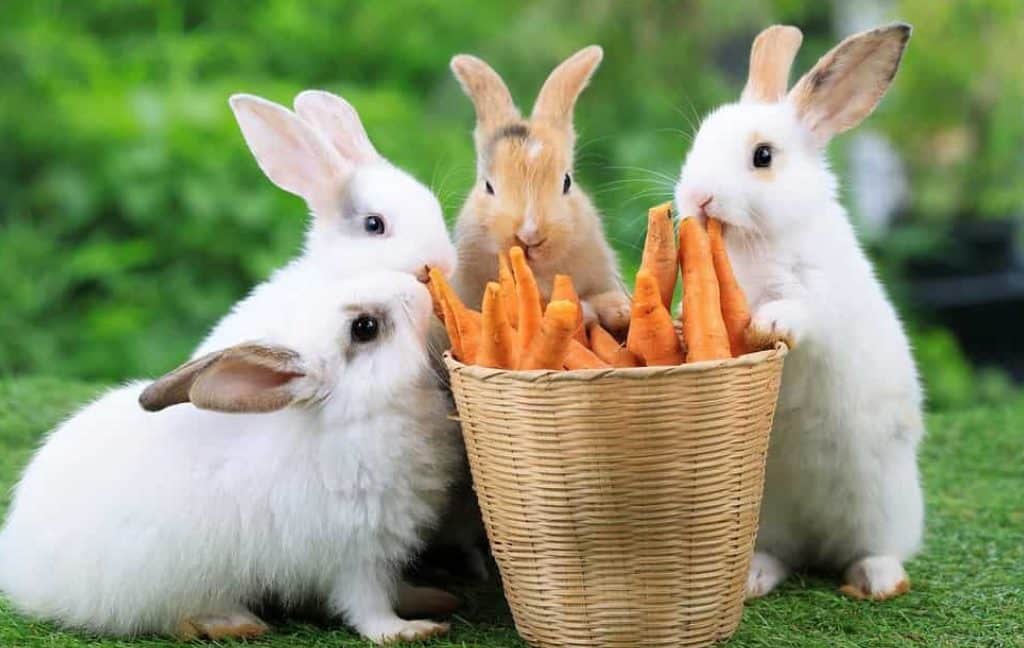
- Carrots as an occasional treat due to their sugar content
Fruits
Fruits should be treated as an occasional snack, not a daily food. Their natural sugar content means they should only be offered in small amounts.
Rabbit-safe fruits include:
- Apples without seeds
- Strawberries and blueberries
- Banana
- Pear without seeds
- Papaya or pineapple in small portions
Pellets
Pellets can provide additional nutrients but should not replace hay. Choose plain, high-fibre pellets without added seeds, nuts, or dried fruit, as these ingredients are often high in fat and sugar.
A balanced rabbit diet starts with unlimited hay, while greens, vegetables, fruit, and pellets provide variety in controlled amounts.
Unsafe Foods for Rabbits
Rabbits have a sensitive digestive system that is designed to process high-fibre plant foods. Many human foods and household snacks contain ingredients that rabbits cannot digest properly and may lead to serious health problems.
Avoid giving your rabbit the following foods:
- Chocolate: Contains compounds that are toxic to rabbits and can affect their nervous system and heart.
- Avocado: Contains persin, a substance that can be harmful and potentially dangerous for rabbits.
- Onions and garlic: These can damage red blood cells and may cause health complications.
- Bread, cereal, cookies, and chips: These processed foods are high in sugar, salt, and starch, which can disrupt digestion and increase the risk of obesity and GI stasis.
- Potatoes, corn, beans, and peas: These starchy foods are difficult for rabbits to process and may cause digestive problems.
- Dairy, eggs, and meat: Rabbits are herbivores and cannot properly digest animal-based foods.
- Iceberg lettuce: It provides little nutritional value compared with darker leafy greens and may cause digestive upset when fed in large amounts.
Feeding your rabbit the right foods helps maintain a healthy digestive system and prevents avoidable health issues. When introducing new foods, always do so gradually and monitor your rabbit for any changes in appetite, droppings, or behaviour.
How Much and How Often Should Rabbits Eat?
Rabbits are natural grazers, meaning they need a steady supply of food throughout the day to keep their digestive system working properly. Feeding the right amount of each food helps prevent weight problems, digestive issues, and nutritional imbalances.
The table below shows you how much and how often to feed your rabbit for balanced nutrition:
Rabbit Food Sources | Portion |
Hay | Unlimited Amount |
Leafy greens | 1-2 cups per 6 pounds of body weight daily |
Non-leafy veggies | 1 tablespoon per 2 pounds of body weight daily |
Pellets | ¼ cup per 5 pounds of body weight daily |
Fruits | 1-2 small pieces, once or twice a week |
Hay should always be available because it provides the fibre rabbits need for healthy digestion and natural tooth wear. Fresh water should also be provided daily and refreshed regularly.
Young rabbits, senior rabbits, and rabbits with health conditions may have different nutritional needs. A rabbit-savvy veterinarian can help create a feeding plan that suits your pet’s age, size, and health.
Tips for Maintaining a Healthy Rabbit Diet
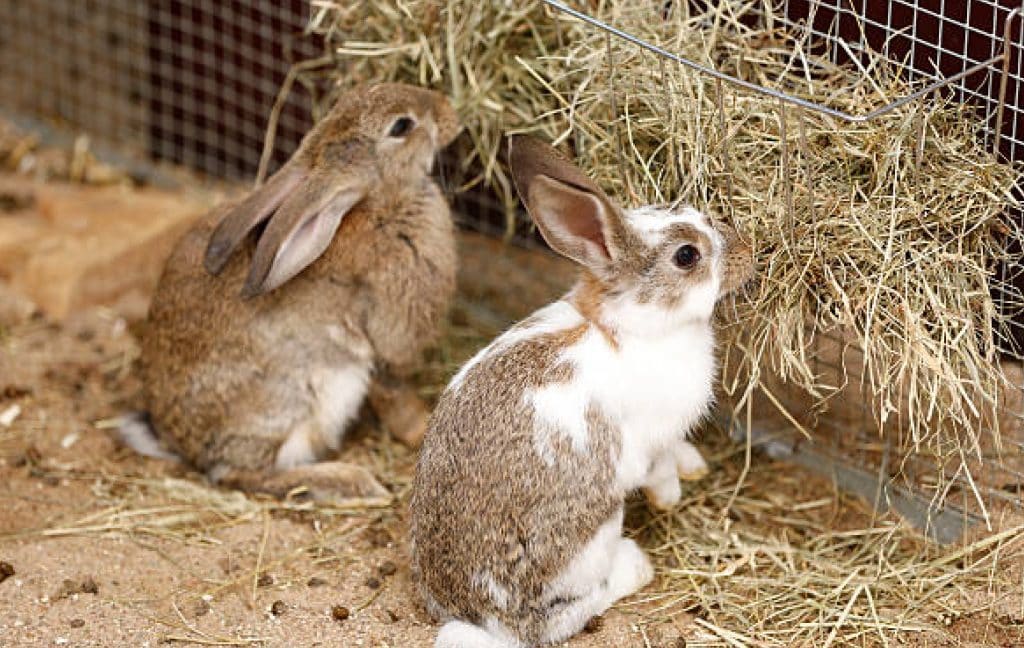
A balanced diet is one of the most important parts of keeping your rabbit healthy. Simple feeding habits can support good digestion, prevent common problems, and help your rabbit maintain a healthy weight.
- Provide unlimited hay: Hay should always be available to support digestion and keep your rabbit’s teeth naturally worn down.
- Offer fresh water daily: Clean water helps maintain hydration and supports normal body functions.
- Introduce new foods slowly: Add new vegetables or greens gradually to avoid upsetting your rabbit’s digestive system.
- Keep portions balanced: Treats like fruit and pellets should be limited to prevent excess sugar, weight gain, and nutritional imbalances.
- Remove uneaten fresh food: Take away leftover vegetables and greens after a few hours to prevent spoilage.
- Monitor eating habits: Changes in appetite, droppings, or energy levels can be early signs of health problems.
Consistency is key when feeding rabbits. A predictable routine with the right balance of fibre, fresh foods, and controlled treats helps support a healthier and happier bunny.
Conclusion
Feeding your rabbit the right diet is one of the simplest ways to support their health and wellbeing. A foundation of unlimited hay, fresh leafy greens, safe vegetables, and carefully measured treats provides the fibre and nutrients they need to thrive.
Understanding which foods are safe and which ones to avoid helps protect your rabbit from digestive problems, weight issues, and other preventable health concerns. Small, consistent choices at mealtime can make a big difference in your rabbit’s comfort, energy, and quality of life.
With a balanced diet, fresh water, and a little attention to their changing needs, you can help your rabbit stay healthy, active, and happy for years to come.
Frequently Asked Questions
No. Carrots are safe for rabbits, but they are high in sugar and should only be offered as an occasional treat in small amounts.
How much hay should a rabbit eat daily?
Rabbits should have unlimited access to fresh hay every day. Hay should make up the largest part of their diet because it supports healthy digestion and dental care.
Can rabbits eat grass?
Yes, rabbits can eat fresh grass as long as it is free from pesticides, chemicals, and contamination from other animals. Introduce outdoor grass slowly if your rabbit is not used to it.
Can rabbits eat lettuce?
Yes, rabbits can eat certain types of lettuce, such as romaine lettuce. Iceberg lettuce should be avoided because it offers little nutritional value and may cause digestive problems.