

Bringing your outdoor rabbit inside your house can be very rewarding in the long run as it improves their safety and strengthens your bond with them. To guarantee a seamless transition for your pet, however, careful preparation is needed.
The goal of bringing your rabbit indoors is to improve their entire life, not just their surroundings. A growing number of rabbit owners are opting to relocate their furry friends from hutches and outdoor cages to the comfort, security, and companionship of indoor living. It should come as no surprise that indoor bunnies tend to be happier, healthier, and have a closer bond with their owners.
However, it’s not a good idea to hastily move your rabbit from outdoors to indoors, it requires careful planning and a couple of procedures ought to be followed. Due to their sensitivity and love for routine, rabbits can become confused and stressed by abrupt changes. A step-by-step guide on how to get your house ready, acclimatise your bunny to their new environment, and keep them secure, cozy, and happy indoors are provided here.
We will guide you on how to make the transition seamless, stress-free, and enjoyable for you and your bunny, whether you’re transitioning due to changing weather patterns, the threat of predators, or just wanting to be closer to your pet.
Understanding the Benefits of Indoor Living
Moving rabbits indoors improves their health, safety, and quality of life, which is why welfare organisations like the RSPCA and Rabbit Awareness Action Group increasingly recommend indoor living.
- Protection from Adverse Weather Conditions
All year long, outdoor rabbits are subject to the weather. Unpredictable weather, from bitter cold winters to intense summers, can lead to major health issues including heatstroke or hypothermia.
- Safety from Hazards and Predators
Outdoor rabbits are at risk from foxes, dogs, birds of prey, and theft, even in safe hutches. Health problems might result from the stress of seeing or being afraid that predators are lurking nearby. Because they are shielded from these threats indoors, your rabbit will experience less stress and live a longer life.
- A Closer Relationship with Owners
Being social creatures, rabbits enjoy company (it is recommended that you adopt them as a pair). Your rabbit can become more involved in everyday family life by living indoors, interacting with you more often, picking up on your routines, and even reacting to your voice.
- Improved Health Tracking
Any changes in your rabbit’s behaviour, appetite, or droppings will be obvious to you sooner if they live indoors. Since rabbits frequently conceal symptoms until it’s too late, early detection is essential when it comes to illnesses in these animals. You can keep a close eye on your rabbit’s health and wellbeing by keeping them indoors.
- Enrichment
Toys, tunnels, hideaways, and secure spaces for exploration can be added to indoor spaces to pique your rabbit’s natural curiosity and keep them from getting bored. In outdoor hutches, boredom and a lack of mental stimulation can result in destructive tendencies or sadness.
How to Prepare Your Home for the Arrival of Your Rabbit?
The most important question about transitioning your rabbit from outdoors to indoors is; where will your rabbit live in your home? Do want them to roam free, have their own room or section off a part of a room for them. Whatever you decide, it is important to prepare your home appropriately to welcome your furry friend.
Because rabbits are naturally curious and like exploring, the area you choose should be safe and secure while also emulating the kind of enrichment they may find outside such as digging and foraging. Here are some tips on how to prepare your home:
- Choose the Right Space
Choose a place where your rabbit can feel safe, such as a corner or a peaceful, well-lit room. When you first move indoors, stay away from busy places since too much movement or noise might be distracting. The space should ideally have plenty of natural light, adequate ventilation, and few potential risks, such as small objects or cords.
- Set Up Your Rabbit’s Space
Whether your rabbit lives in a large indoor pen, a gated-off area of a room, or is allowed to roam freely under supervision, make sure they have access to a litter box, hay rack or pile, fresh water, a hiding place and chew toys.
- Flooring Considerations
Tile or hardwood floors may be slick and painful for your rabbit’s joints. To make your rabbit’s space more comfortable, use carpets, foam mats, or rugs. If your rabbit decides to nibble, just make sure the materials are safe.
- Adjust the Temperature
Rabbits do best in temperatures between 16°C and 21°C. Keep their space away from air vents, fires, and radiators. The ideal environment is one that is stable, cool, and devoid of disturbances
Transition Gradually
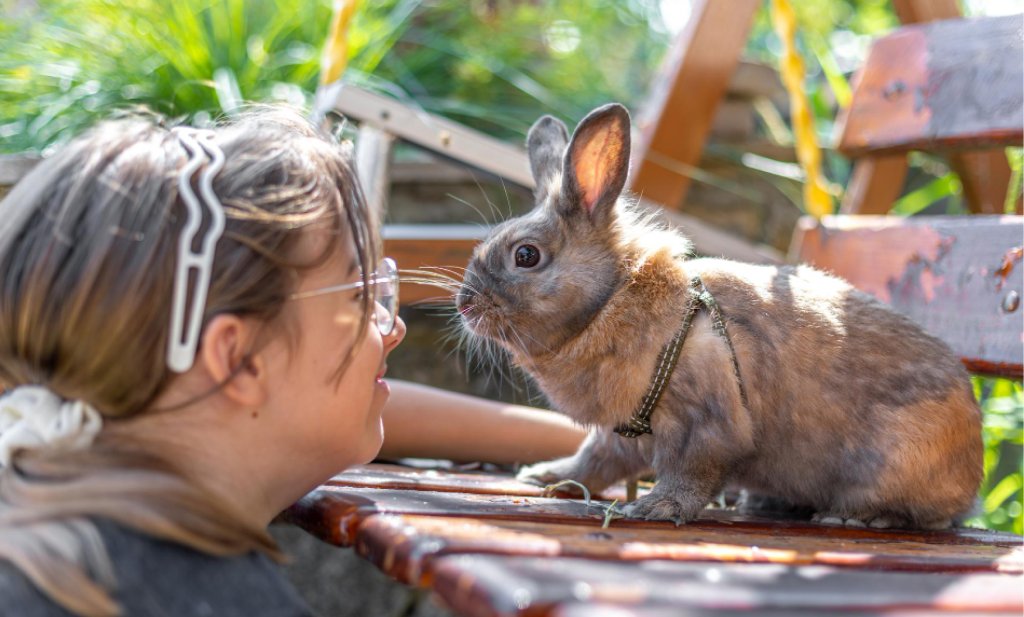
It is not a good idea to move your rabbit from an outdoor hutch into your home overnight. Since rabbits are creatures of habit, a gradual, well-thought-out transition will ease their anxiety and make things easier for both you and your bunny.
Start with Brief Indoor Visits and Gradually Increase Indoor Time
Begin with short, supervised indoor visits in a quiet space, allowing free exploration. Gradually extend indoor time as your rabbit becomes comfortable with the environment’s sounds, layout, and scents.
Keep Some Familiar Items
A feeling of comfort and familiarity can be created by bringing in toys, bedding, or even a portion of their outdoor shelter. As they get used to their new surroundings, these objects might help them feel less anxious and carry their fragrance.
Monitor Their Behavior Closely
Keep an eye out for symptoms like increased hiding, thumping, or appetite loss that indicate stress or discomfort. Slow down and take a step back if your rabbit appears uneasy. Each bunny is unique; some adjust more rapidly than others.
Introduce Indoor Routines Gradually
Make every effort to maintain regular playtimes, feeding schedules, and ambience. Rabbits enjoy routines, so keeping things structured will make it easier for them to adapt. During this time, you can also begin litter training, which bunnies will naturally learn to do quite fast with assistance.
Full Move-In
Your rabbit should be prepared to make the complete transition after a few weeks of indoor visits and progressive acclimatisation. Make sure their new location is equipped with everything they need to survive, then move their primary resting and dining area inside.
Following this step-by-step guide will ensure that your bunny has a smooth transition without the anxiety that comes with moving to a new environment.
How to Rabbit-Proof Your Home
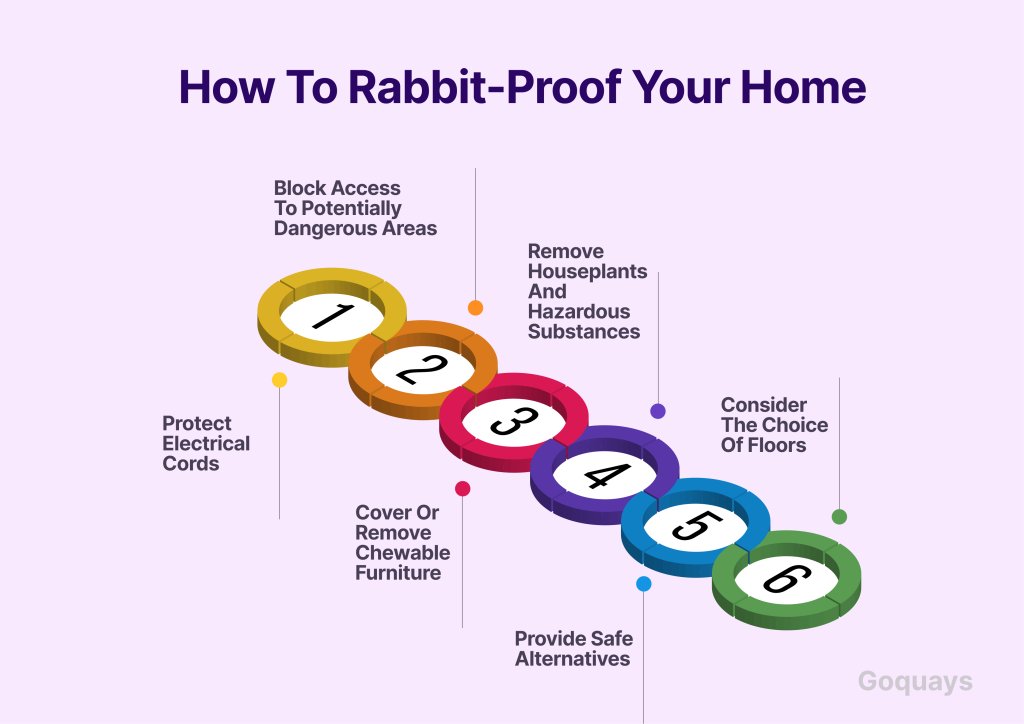
Rabbit-proofing is crucial after your rabbit moves indoors full-time, not just for the safety of your pet but also for the protection of your floors, furniture, and electrical cables. It is your responsibility to make sure that rabbits can safely chew, dig, and explore because they enjoy doing these things.
- Protect Electrical Cords
In order to wear down their teeth, rabbits naturally chew, and wires are a common target. Chewing on live cables can result in fatalities or major injuries. To keep cords out of reach, use cord protectors, cable organisers and block off areas behind electronics.
- Block Access to Potentially Dangerous Areas
To limit access to potentially dangerous areas, such as restrooms, kitchens, or places with a lot of cables and small objects, use playpens or baby gates. If your bunny is free-roaming, ensure all doors and windows are always closed.
3.Cover or Remove Chewable Furniture
Bunnies will eat carpet, baseboards, wooden furniture, and even your favourite sofa. To keep these things safe, wrap the legs of furniture with cardboard and have rabbit-safe. chew toys to divert their attention.
- Remove Houseplants and Hazardous Substances
Many common houseplants, including philodendrons, ivy, aloe, and lilies, are poisonous to rabbits. All plants should be kept well out of your rabbit’s reach or in rooms that are inaccessible. Actually, the Rabbit Welfare Association and Fund, RWAF advises that you should treat all house plants as poisonous to rabbits.
- Provide Safe Alternatives
Provide your rabbit with a designated space filled with lots of opportunities for enrichment such as wooden chew toys and grass mats, cardboard castles or tunnels, and digging boxes filled with hay or torn paper. These will fulfil their innate tendencies without causing any damage in your home.
Creating a Safe and Enriching Indoor Environment
The next step after keeping your rabbit safely indoors is to create an environment that encourages mental stimulation, supports natural behaviours, and fosters a happy, healthy life. With the correct setup, indoor spaces can be just as enriching as outdoor ones.
They should be Free to Roam
Rabbits are active animals that need space to stretch, hop, and binky (that happy bunny leap!). Give them a few hours each day to explore and move around outside of their pen. Ideally, this should be a large, safe space where they can roam freely with supervision.
Provide Hiding Places
Rabbits require safe spaces where they can hide and feel safe. You can use cardboard boxes with entry and exit, wooden tunnels and fabric tubes. Make sure every hiding place is roomy enough.
Enrichment Toys and Activities
Exercise is vital to keep your rabbit active, so also is mental stimulation. Enhance learning with puzzle feeders or toys that give out treats, forage boxes or toilet rolls filled with hay, or paper bags or boxes that contain shredded paper and herbs. To keep things interesting, switch up the toys every few days.
Maintain a Calm Environment
Loud noises, continuous activities, or abrupt changes can trigger stress in your bunny. Avoid distractions like vacuum cleaners and overly inquisitive pets, and keep your rabbit’s space in a quiet section of the house.
Litter Training
Place a litter box in the corner of their enclosure filled with rabbit-safe litter, no clumping clay or pine or cedar shavings. Litter training usually comes easily to most rabbits, especially if you put some dirty hay in the box to promote use. White vinegar is an excellent remedy for odours and stains, so keep their space tidy but stay away from strong-smelling cleaning agents
How to Ensure the Health and Safety of Your Rabbit Indoors
Bringing your rabbit indoors is only the first step; you must continue to provide a safe and healthy environment for them. Even though indoor bunnies are shielded from many outdoor dangers, there are still crucial care considerations to make sure they live long, happy lives.
Provide a Balanced Diet
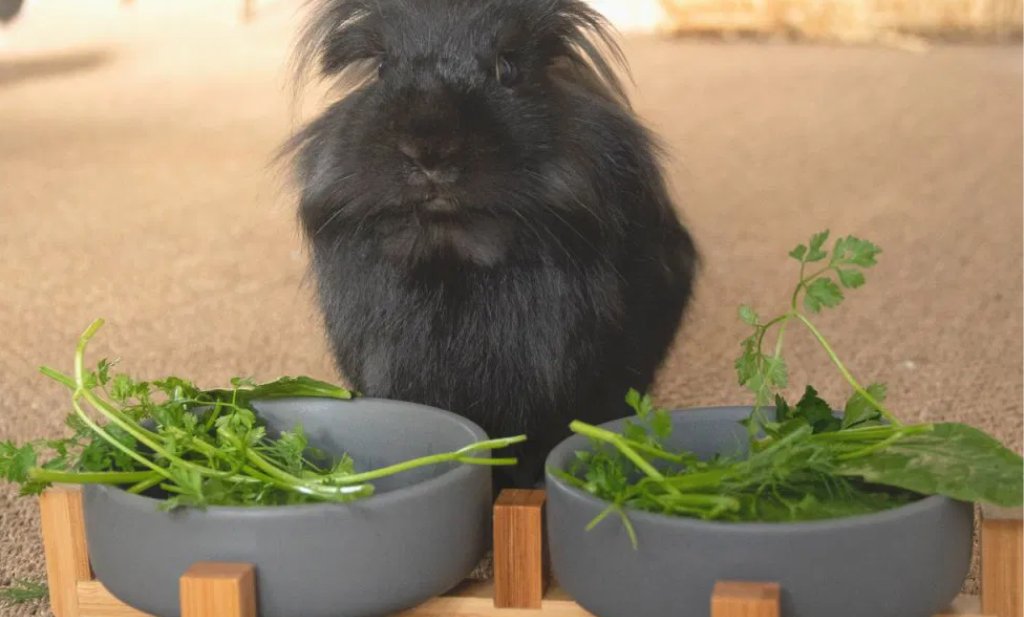
The key to raising a contented bunny is a nutritious diet. Their nutritional requirements are the same whether they are indoors or outdoors. A healthy balanced diet should consist of hay (80-90%), fresh vegetable, pellets and fresh water.
Keep an eye on your rabbit’s eating habits, if you notice changes in appetite, fewer droppings, or bloating, these could be signs of health problems, visit a vet immediately.
Take Grooming Seriously
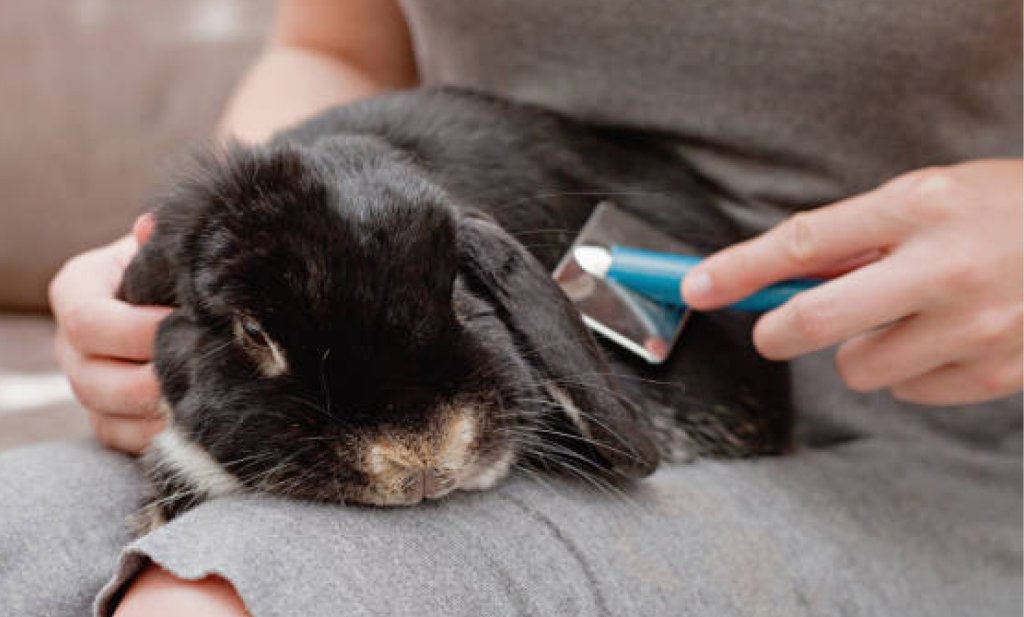
Indoor rabbits still shed seasonally and need brushing to prevent hairballs and matting. While short-haired bunnies need to be brushed once a week, long-haired types, such as Lionheads, may need to be brushed every day. Additionally, trim their nails as they grow and check them frequently.
Schedule Routine Visits to the Vet
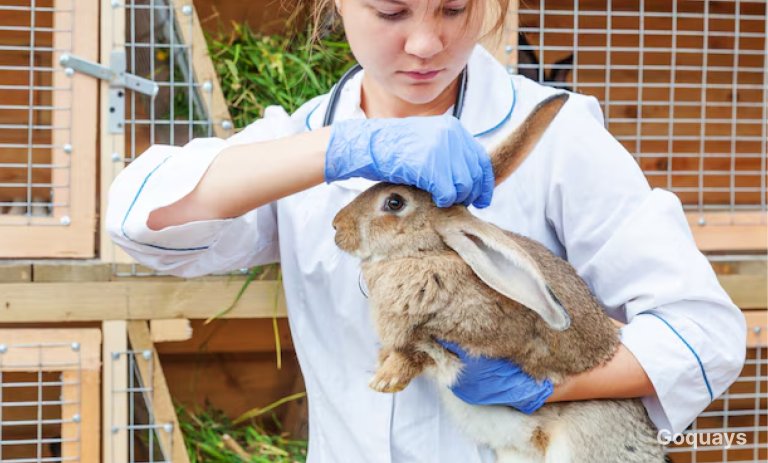
Even indoor rabbits need routine veterinary care such as regular health checkup and vaccinations like myxomatosis and RHD.
Keep the Environment Clean
Frequent cleaning keeps your rabbit comfortable and lowers the chance of illness. Use pet-safe disinfectants or diluted white vinegar for cleaning, spot-clean litter trays every day and deep-clean once a week. Also ensure that there are no hidden dangers, such as plants, sharp objects, or spots where your rabbit could become stuck.
Conclusion
Bringing your rabbit indoors offers more comfort, protection, and strengthens your bond with them. It is more than just a change of habitat; it’s a lifestyle change. The benefits of switching from outside to indoor living are well worth the patience, care, and effort required. In addition to living longer lives, indoor rabbits have closer relationships with their human owners and are shielded from many of the risks associated with outdoor housing.
Click here to join the rabbit community on our website where you can get more tips on how you can seamlessly transition your bunny from outdoor to indoor. You can also bond with other bunny parents and share stories and experiences.