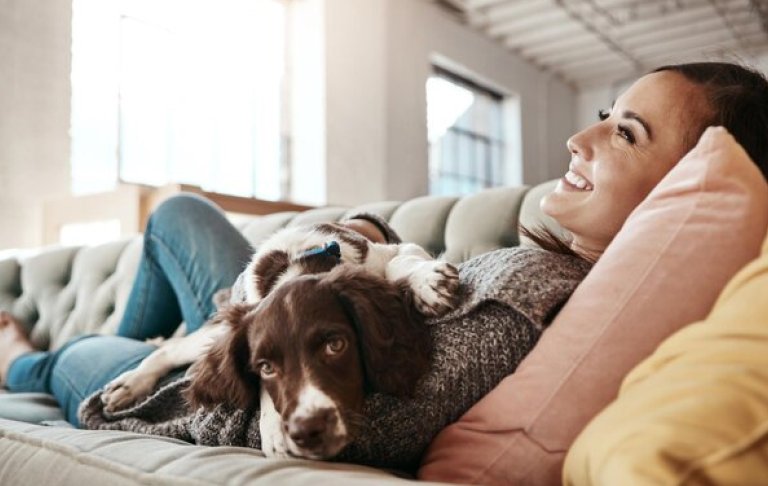




Many pet owners assume separation anxiety is just about chewed shoes, scratched doors, or a bit of whining when they leave the house. But in reality, separation anxiety in pets is a much deeper emotional and behavioural issue that can seriously affect their wellbeing. What may look like simple “bad behaviour” is often a sign of stress, fear, or panic when a pet is left alone.
Understanding separation anxiety means looking beyond the obvious mess and recognising the emotional distress behind it. In this guide, we’ll explore what separation anxiety in pets really is, the common signs to watch for, what causes it, and how pet owners can support their pets safely and compassionately.
What is Separation Anxiety?
Separation anxiety is a genuine distress response some pets have when left alone or separated from their owner, not a behaviour problem or a bid for attention. It can look a bit like a panic attack: a racing heart, pacing, drooling, and a pet who simply cannot settle until you’re back.
It’s easy to misread this as bad behaviour, but a few things separate true separation anxiety from ordinary boredom or a bit of restlessness:
- It isn’t disobedience. A dog chewing your shoes isn’t getting back at you for leaving.
- It doesn’t just go away on its own. Most pets need some form of training or support to manage it.
- It isn’t always about long absences. Some pets react within minutes of you leaving, even on a quick trip to the bins.
- Getting a second pet doesn’t automatically fix it. The anxiety is usually about your absence specifically, not about being alone in general.
Why Does This Matter?
It matters because separation anxiety is far more common, and far more often missed, than most owners realise. According to the RSPCA, around 8 out of 10 dogs find it hard to cope when left alone, but half show no obvious outward signs, which makes it easy for owners to miss entirely.
A UK study following dogs through the 2020 lockdowns found separation-related behaviours in 22% of dogs before restrictions eased, dropping to 17% as routines returned to normal, with some dogs developing new signs of stress as their time alone increased again. That pattern (anxiety rising when a pet’s routine shifts) is worth watching for in your own home, especially after a house move, a new job, or any change to your schedule.
What Are the Signs of Separation Anxiety?
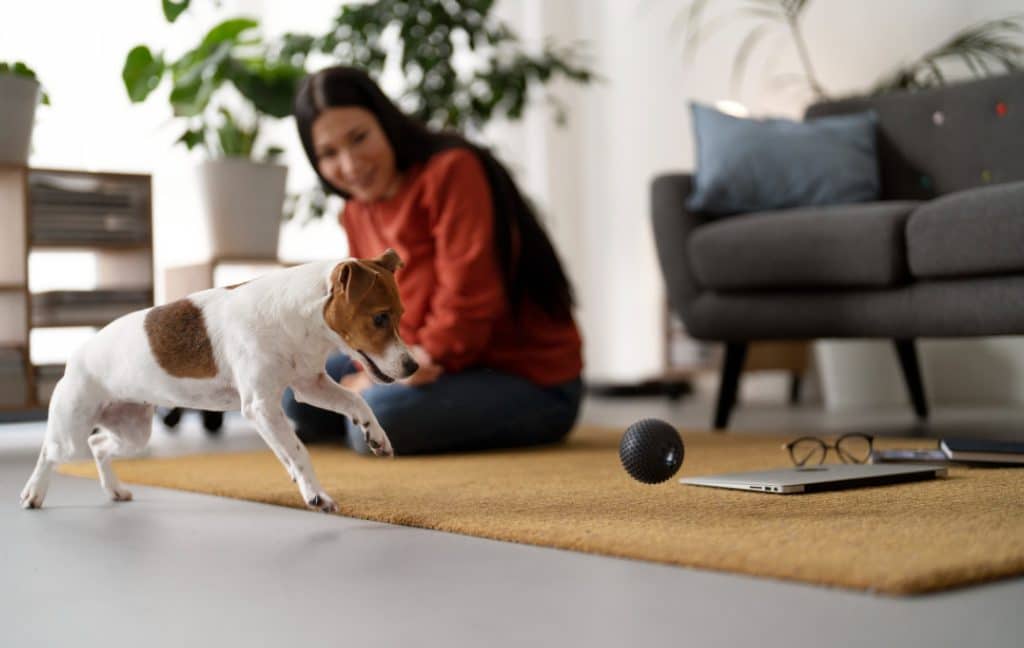
The signs of separation anxiety fall into two groups: what you can see in your pet’s behaviour, and what shows up physically.
Behavioural Signs
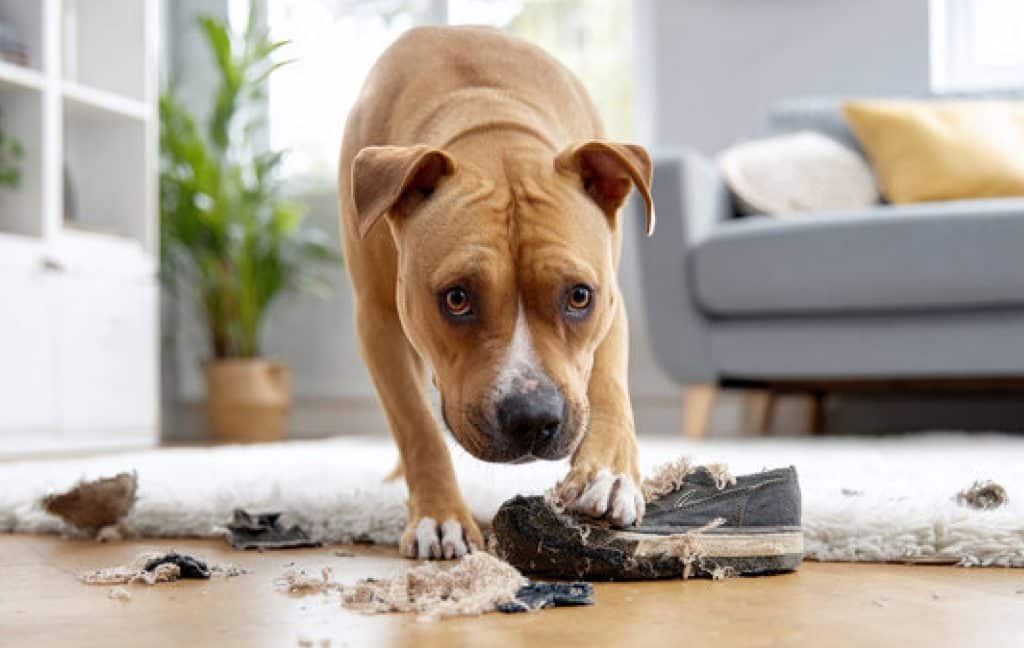
Destructive behaviour is the one most owners spot first: chewed furniture, scratched doors, and torn-up cushions. But watch for these too:
- Excessive barking, howling, or whining, often starting the moment you leave or even as you’re getting ready to go
- Pacing or restlessness, unable to settle in one spot
- Toilet accidents indoors, even in a pet that’s normally fully house-trained
- Attempts to escape the house or garden
Physical Signs
Some pets show distress in ways that are easy to miss unless you know what to look for:
- Loss of appetite, or the opposite: eating faster or more than usual out of stress
- Vomiting or diarrhoea when left alone
- Excessive grooming, sometimes leading to bald patches or sore skin
- Trembling, a tucked tail, wide or staring eyes, and dilated pupils
Why Do Pets Develop Separation Anxiety?
There’s rarely a single cause. A few common risk factors show up again and again:
- Early life experiences. Pets separated from their mother too young, or without a stable early home, tend to be more prone to anxiety later on.
- Big changes at home. A new baby, a house move, or a shift in your work schedule can all unsettle a pet who thrives on routine.
- Past trauma. Time in a shelter or a history of being rehomed can leave a lasting mark.
- A sudden shift in alone time. Dogs whose time alone changes sharply, in either direction, are more likely to develop new signs of stress.
Recent surveys suggest that more than 30% of UK pet dogs show clear signs of concern when left home alone, and some experts believe up to 80% may be quietly finding alone time challenging. Nearly three-quarters of UK dog owners (73%) have reported their pets are suffering from separation anxiety as people return to workplaces
How Do You Help a Pet With Separation Anxiety?
Two main approaches work well together: training and setting up the environment to support calm.
Training and Behaviour Work
Consistent basic training gives your pet clear structure and a sense of safety, so start there if you haven’t already.
Desensitisation is the core technique for separation anxiety specifically. Begin by leaving your pet alone for just a few seconds, then return and reward calm behaviour. Slowly stretch out the time. Picking up your keys, stepping out, and coming straight back (with no fuss either way) teaches your pet that these cues don’t always mean a long, scary absence.
Fun, structured activities like agility or scent games can also help build confidence and burn off nervous energy in a healthy way.
Environmental Enrichment
A pet that’s mentally occupied is often a calmer pet. Puzzle toys that dispense treats keep your dog or cat engaged while you’re out, and rotating them regularly helps maintain the novelty. A safe, comfortable space, like a covered crate or a quiet corner, gives your pet somewhere to settle, especially if that space is already linked to good things like feeding or playtime.
For more structured, day-by-day guidance, read our full guide on dealing with separation anxiety in dogs.
When Should You Seek Professional Help?
If your pet’s anxiety is severe, or isn’t improving with training and enrichment at home, it’s worth booking a vet visit. A vet or certified animal behaviourist can rule out other causes and build a plan suited to your pet specifically. In some cases, short-term anti-anxiety medication helps a pet tolerate being alone enough for training to actually stick.
Asking for this kind of help isn’t a failure. It’s a normal, responsible step, and it often speeds up progress rather than replacing the training itself.
If your pet also gets anxious in other high-stress situations, like the vet’s office, training for calmer vet visits uses a lot of the same gradual, reward-based approach.
What’s Next
Start small. Pick one short absence today, seconds rather than hours, and build from there. If you’ve recently brought home a new pet, working through the basics in the first weeks after adoption can help prevent separation anxiety from taking hold in the first place.
Conclusion
Separation anxiety in pets is a real thing, and it’s a bit more than just a few chewed-up slippers. And they’re not trying to be naughty; they’re just a bit scared when you are not around. The good news is that it’s manageable, usually with patience, gradual training, and the right support when you need it. Start small, stay consistent, and reach out to your vet if things aren’t improving.
FAQ
What exactly is separation anxiety in pets?
Separation anxiety is when your pet gets super stressed and upset when you leave them alone. It’s not about them being naughty; it’s a real panic, like a kid who’s lost their mum in a big shop. They might chew things, pee inside, or bark loads because they’re genuinely scared.
How can I tell if my pet has separation anxiety?
Look out for things like constant barking or whining as you’re leaving, or even before you’ve gone. They might chew up furniture, scratch at doors, or have accidents indoors, even if they’re house-trained. Some pets also pace around, drool a lot, or try to escape. It’s their way of saying, “I’m not okay with this!”
Why do pets get separation anxiety?
It’s a bit of a mixed bag, really. Sometimes it’s because they were separated from their mum too early, or they’ve had a tough past, like being in a shelter. Big changes at home, like moving house or a new baby, can also kick it off. And sometimes, it’s just how attached they are to you they can’t cope without their favourite human around.