


Most pets hate going to the vet. Strange smells, weird sounds, car rides, and being touched by strangers can turn even the calmest cat or gentlest dog into a shaking, scared animal. Research shows that over 25% of pet owners can spot obvious stress signs in their pets at the vet, and many miss the subtler signs of worry. But here’s the good news: you can change vet visits from scary moments into okay ones. Your pet may never love the clinic, but they don’t have to be terrified of it either.
What Is Vet Visit Training?
Vet visit training teaches your pet that the vet, the carrier, and the car ride are safe. It works by taking small, easy steps instead of one big scary trip. You start at home with the carrier and build up from there. Slowly, your pet learns there’s nothing to fear.
This is different from just getting through a bad visit. Training changes how your pet feels about the whole process. Each trip should get a little easier, not harder.
Why Does This Matter?
It matters because fear builds on itself. A scary first visit can shape how your pet acts for years.
Studies back this up. In one large study of over 26,000 dogs, 41% showed mild to moderate fear during a vet exam, and 14% showed severe or extreme fear. Cat owners report even more stress: about half say vet visits stress out their cat, compared to just 20% of dog owners. Cats show fear at almost every step, too. In one clinic study, about 78% of cats showed distress before even walking in the door, and 85% showed it once they were up on the exam table.
For small pets like rabbits and guinea pigs, it can be worse. Their instincts tell them strange places and sounds mean danger. A scary visit can make even a simple check-up a fight every time.
Why Pets Get Scared at the Vet
Think about walking into a room full of strange smells and loud noise. That’s the vet clinic for your pet. Dogs and cats smell things we can’t even notice. Add barking, crying, and clinking tools, and it’s a lot to take in.
Your own stress adds to it. Pets notice when you’re tense. If you’re worried about the bill or a health problem, your pet feels that tension too.
How Do "Happy Visits" Help?
A happy visit is a short trip to the vet where nothing scary happens. You walk in, your pet gets a treat, and you leave. No shots. No exam. Just a good memory.
How to Start
Keep it small at first. Walk in, get one treat, walk out. That’s the whole visit. Do this every week or two. Each time, stay a little longer. Let your pet sniff around and get used to the sounds and smells.
Some clinics are “Fear Free certified,” which means the staff is trained to keep pets calm. It’s worth asking your vet if they offer this.
Happy Visits for Small Pets
Rabbits and guinea pigs need more time than dogs or cats. This isn’t stubbornness, it’s instinct. Go slow. Let them lead. It might take many short visits before they’ll even take a treat inside the door.
How Do You Make Carriers and Car Rides Less Scary?
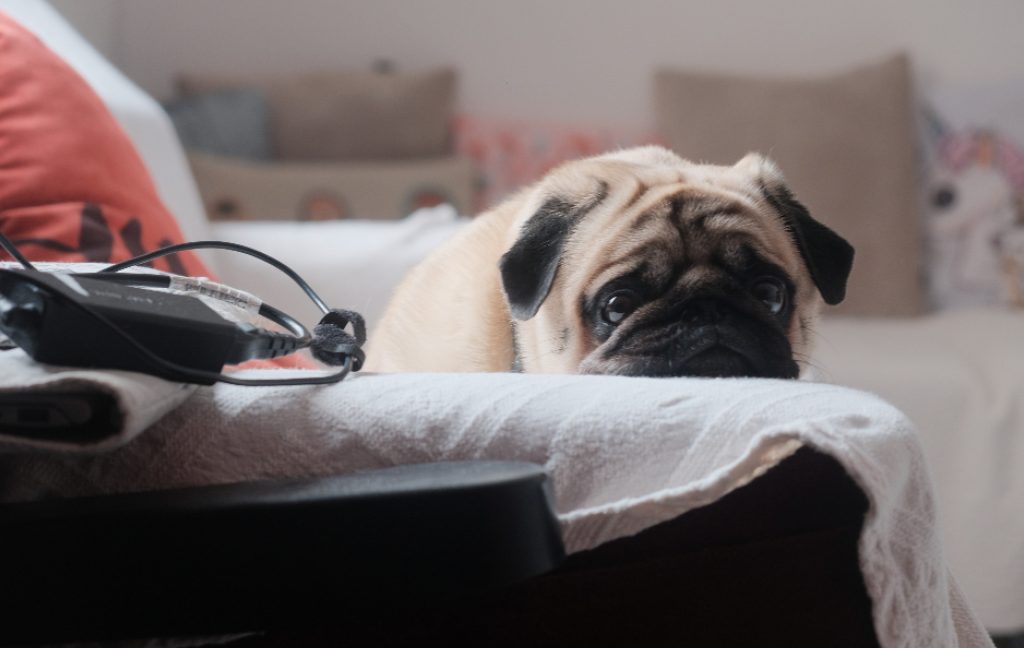
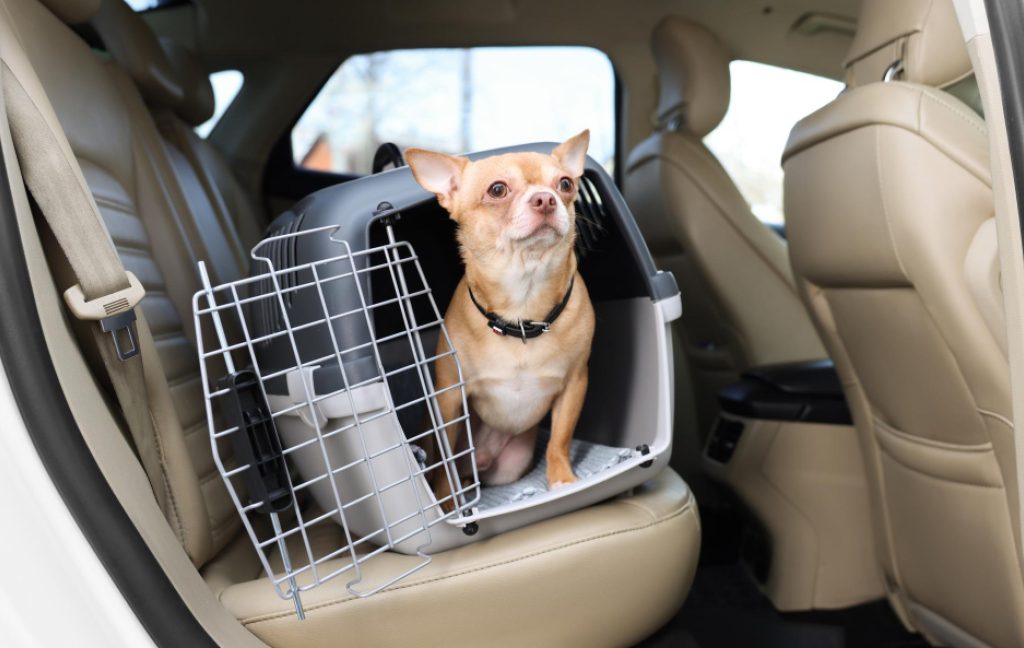
The trick is simple: keep the carrier out all the time, not just on vet day. When a carrier only shows up before something scary, your pet learns to fear the carrier itself.
For Cats
Leave the carrier out with soft bedding inside, door open, all year round. Drop a treat in now and then. Feed meals near it or inside it. Your cat should see it as just another piece of furniture.
For Rabbits and Guinea Pigs
Fill the carrier with hay, familiar bedding, and treats well before any trip. Never grab your pet at the last second and shove them in. One bad moment like that can undo weeks of hard work.
For Dogs in the Car
Start with short drives around the block. Build up slowly. Make some trips end somewhere fun, like the park, so the car doesn’t always mean “vet.” Always buckle your dog in safely. UK law requires pets to be secured while travelling in a car.
For cats and small pets, wedge the carrier so it can’t slide, or use a seatbelt. Cover part of it with a light cloth to block some of the scary sights. Skip a big meal right before the trip, but a small snack two to three hours ahead is fine.
What Natural Calming Aids Actually Help?
Some products can calm your pet down, but they work best as a team with training, not instead of it.
Product Type | Examples | How It Helps |
|---|---|---|
Pheromone sprays | Feliway (cats), Adaptil (dogs) | Copies natural calming scents |
Calming chews | Zylkene, YuCalm, Pet Remedy | Natural ingredients that support calm |
Pressure wraps | Snug-fit wraps like Thundershirts | Gentle, steady pressure, like a hug |
Always ask your vet before giving a new supplement. This matters most if your pet already takes other medicine. What helps one pet might not help another.
Getting Ready for Vet Day
Book a quiet time slot if you can. Early morning or mid-afternoon usually means fewer animals around. Get there about 15 minutes early so your pet can settle first.
Bring these items:
- Special treats your pet doesn’t usually get
- A favourite toy or blanket that smells like home
- Fresh water for a long wait
- Vaccine records and your pet insurance details
- A short list of any health worries
- Cleanup supplies, just in case
Feed a light meal two to three hours before the trip. This stops car sickness without leaving your pet too hungry. If your vet says to skip food before the visit, follow that instead.
Your Mood Matters More Than You Think
Pets pick up on how you feel fast. If you rush around or sound worried, your pet feels that too, often before the vet even touches them.
Use a calm, steady voice. Skip the high, baby-talk voice; it can actually make things worse. Sit still in the waiting room. Let your pet come to you for comfort in their own time. A rabbit that freezes up probably wants space. A dog leaning on your leg wants a bit of reassurance.
Where to Get More Support
- Fear-Free certified clinics train staff to keep pets calm and set up their space to feel less scary.
- Vet behaviourists, listed by the Association of Pet Behaviour Counsellors, can build a plan just for your pet.
- If your pet struggles with fear in general, working on basic training and confidence at home often makes vet training easier too.
When Should You Get Professional Help?
Get help if your pet shuts down completely, gets aggressive, loses control of their bladder or bowels, or refuses any care even after months of home training.
This isn’t a sign you failed. Short-term calming medicine or working with a trained behaviourist are real tools. There’s no shame in using them.
Conclusion
Fear of the vet isn’t something your pet is stuck with forever. It’s learned, which means it can be unlearned too. Start small with happy visits. Keep the carrier out all year. Stay calm yourself. Your pet might never love the vet, but with steady training, they don’t have to dread it either.