

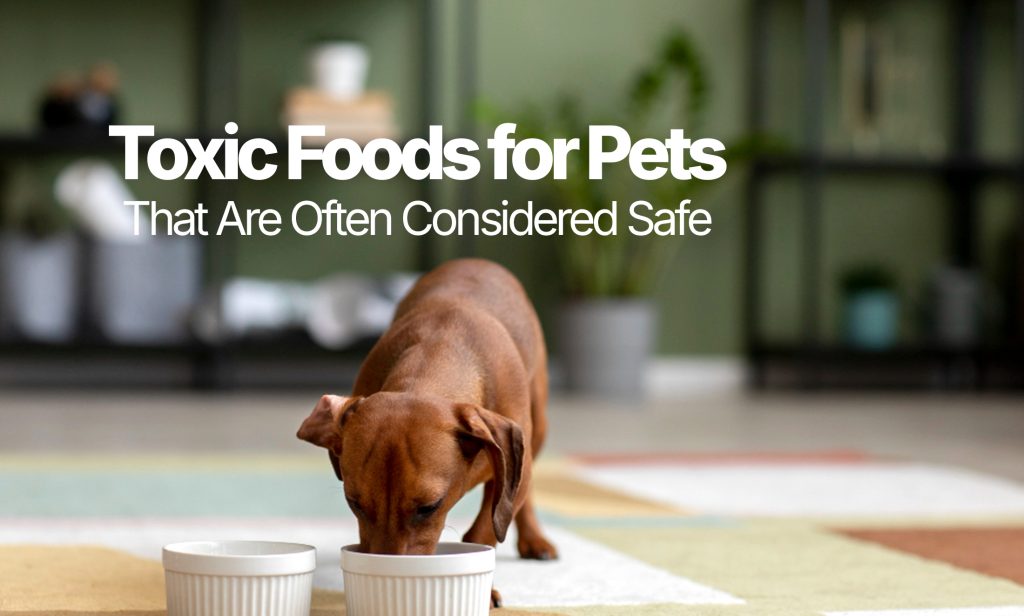
You’re making a cup of tea, and your dog gives you those irresistible puppy eyes while your cat casually strolls over to investigate. A tiny sip won’t hurt, right? Wrong. That innocent cuppa could actually land your furry friends in the emergency vet.
With 81% of pet owners saying it’s more expensive to look after their pets now, the last thing you need is an unexpected vet bill because of something you didn’t know was dangerous. The shocking truth? Many foods we consider completely safe are toxic to our dogs and cats.
I’ve spoken with veterinarians across the country, and they’re seeing more pet poisoning cases than ever, affecting both dogs and cats. The worst part? Most of these incidents could have been prevented if owners knew which “safe” foods to avoid for their furry companions.
Why Some Safe Foods Are Actually Dangerous for Pets
Ever wondered why your dog or cat can’t just eat what you eat? Pet metabolism works completely differently from ours. What’s perfectly fine for humans can wreak havoc on their digestive systems, kidneys, liver, and even nervous system.
The tricky bit is that some toxic foods don’t show immediate symptoms in dogs or cats. Your pets might seem fine for hours or even days before serious problems develop. That’s why knowing these hidden dangers is so crucial for both dog and cat owners.
The Most Dangerous Safe Foods Your Pet Should Never Eat
Grapes and Raisins – The Kidney Destroyers
Here’s what shocks most pet owners: even tiny amounts of grapes or raisins can be extremely toxic in some cases. We still don’t know exactly what makes them so dangerous, but they can cause sudden kidney failure.
Your dog might seem fine after eating a grape, then suddenly become seriously ill days later. Don’t risk it – not even one grape is safe
Xylitol – The Hidden Sweetener Threat
This sugar substitute lurks in places you’d never expect. It’s not just in sugar-free gum anymore. Candy, gum, toothpaste, baked goods, and some diet foods are sweetened with xylitol. It causes a rapid drop in blood sugar that can be fatal within minutes.
Onions and Garlic – The Blood Cell Destroyers
“But I only use a tiny bit of garlic powder!” This is something I hear from pet owners all the time. Unfortunately, all forms of onions and garlic are toxic – fresh, dried, powdered, or cooked.
They damage red blood cells, leading to anemia. The scary part? Symptoms might not show up for several days.
Avocado – The Trendy Toxin
Avocado toast might be your Sunday morning favorite, but it’s definitely not safe for your pets. The fruit contains persin, which can cause digestive upset and even heart problems in some animals.
Birds and small mammals are especially vulnerable, but dogs and cats can also get sick from eating avocados.
Surprising Drinks That Could Poison Your Pet
Tea and Coffee – Caffeine Catastrophe
While a small taste of tea or coffee will not affect your dog, a larger amount of caffeine can be dangerous, especially for smaller dogs. Caffeine affects their heart and nervous system and can cause seizures.
This includes:
- Black tea
- Green tea
- Coffee
- Energy drinks
- Cola drinks
Alcohol
Some people think it’s funny to give their pet a tiny taste of beer. It’s not. Alcohol poisoning in pets is extremely serious and can happen quickly.
Even small amounts can cause:
- Vomiting and diarrhea
- Difficulty breathing
- Coma
- Death
Foods That Seem Healthy But Aren't Safe
Raw Eggs and Meat – The Bacteria Risk
Raw meat and raw eggs can contain bacteria such as Salmonella and E. coli that can be harmful to pets and humans alike. Plus, raw eggs contain an enzyme that interferes with vitamin absorption.
Macadamia Nuts – The Mobility Thief
These expensive nuts are particularly dangerous for dogs. They can cause weakness, vomiting, and difficulty walking. Most dogs recover, but it’s a scary experience for everyone involved.
Salt and Salty Snacks – The Thirst Trap
Too much salt can cause excessive thirst, urination, and even sodium poisoning. This includes:
- Crisps
- Salted nuts
- Pretzels
- Processed meats
Hidden Dangers in Your Kitchen And creating a safe kitchen
- Fruit Pits and Seeds
Apple seeds, cherry pits, and apricot stones contain cyanide compounds. While you’d need to eat lots to poison yourself, pets are much smaller and more vulnerable.
- Mushrooms from Your Garden
Wild mushrooms can be incredibly toxic. Even if you’re an expert forager, don’t risk it with your pets. Stick to pet-safe treats instead.
- Yeast Dough
Rising gas can expand in your pet’s stomach, causing bloating and potentially dangerous complications. Plus, the yeast produces alcohol as it ferments.
Creating a Pet-Safe Kitchen
Safe Storage Solutions
- High cupboards for chocolate, xylitol products, and medications
- Secure bins with tight-fitting lids
- Counter barriers to prevent counter-surfing
- Clear surfaces – don’t leave dangerous foods out
What to Do If Your Pet Eats Something Toxic
Don’t panic, but act quickly:
- Remove any remaining food from your pet’s reach
- Don’t induce vomiting unless specifically told to by a vet
- Call your vet immediately or contact the Animal PoisonLine: 01202 509000
- Gather information: What did they eat? How much? When?
- Keep packaging if possible – it helps vets determine treatment
Never wait to “see what happens” – some toxins cause delayed symptoms but early treatment is crucial.
Having pet insurance can provide peace of mind during these emergency situations, ensuring you can focus on your pet’s health rather than worrying about unexpected vet bills.
The Bottom Line: When in Doubt
With 95% of owners seeing their pets as part of the family, it’s natural to want to share everything with them. But the best way to show love is to keep them safe.
Remember, your pet doesn’t know that grape could kill them or that a chocolate bar could cause seizures. They’re counting on you to make the right choices.
The good news? Once you know what to avoid, keeping your pet safe becomes second nature. You’ll automatically think twice before sharing that biscuit or letting them lick your teacup.
Your furry family member deserves a long, healthy life. By avoiding these toxic foods that seem safe, you’re giving them the best chance at exactly that.