



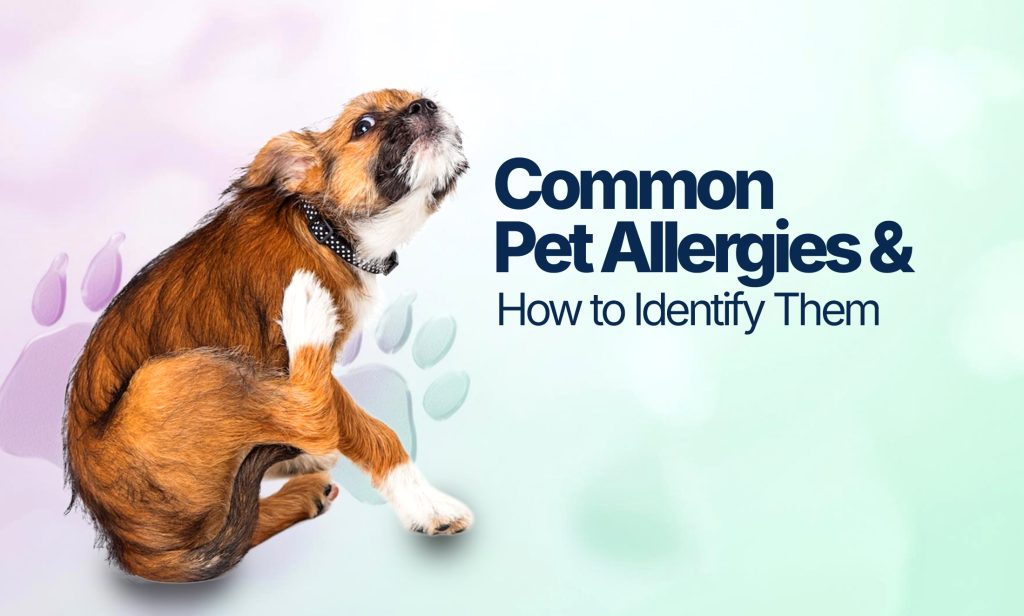
Watching your pet scratch constantly, sneeze more than usual, or get uncomfortable can be upsetting. Since pets can’t tell us how they’re feeling, even small changes in their behaviour can leave us wondering what’s wrong.
Allergies are one of the most common health issues in pets, and they can be triggered by everyday things such as pollen, dust mites, flea bites, certain foods, or household products. While the symptoms may seem mild at first, they can become more serious if left untreated, affecting your pet’s comfort and overall well-being.
The good news is that most allergies can be managed once the cause is identified. Recognising the early signs and seeking veterinary advice can help your furry companion feel better sooner. In this guide, you’ll learn about the most common pet allergies, how to spot the warning signs, what causes them, and the steps you can take to help your pet live a happier, healthier life.
You can also check our guide on uncommon food allergies in pets and how to spot them early. Let’s help your pet thrive and feel better again.
What Are Pet Allergies?
Just like humans , dogs and cats can develop allergies when their immune system reacts to substances that are normally harmless. Instead of ignoring these everyday substances, the body treats them as a threat, triggering an allergic reaction.
These reactions can be caused by a wide range of allergens, such as pollen, dust mites, mould, flea saliva, certain foods, and even ingredients in grooming products. While some pets experience mild itching or occasional sneezing, others may develop persistent skin irritation, recurring ear infections, digestive problems, or breathing difficulties.
Allergies can appear at any age, although they often become noticeable between one and three years of age in dogs. Some breeds are also more likely to develop allergic conditions due to their genetic makeup. Early recognition is important because ongoing exposure to an allergen can make symptoms worse over time and increase the risk of secondary infections.
Although allergies can’t always be prevented, they can often be managed successfully with the right diagnosis, treatment, and lifestyle adjustments. Understanding what causes an allergic reaction is the first step towards helping your pet feel more comfortable and improving their quality of life.
Common Types of Pet Allergies

Not all allergies affect pets in the same way. Some are triggered by things in the environment, while others are linked to food, flea bites, or direct contact with certain materials. Here are some common pet allergies to note;
1. Environmental Allergies
Environmental allergies, also known as atopic dermatitis, are among the most common allergies in dogs and can also affect cats. They are caused by allergens such as pollen, mould spores, dust mites, and grass. Pets with environmental allergies often develop itchy skin, lick or chew their paws, rub their face against furniture, or experience recurring ear infections.
2. Food Allergies
Food allergies occur when a pet’s immune system reacts to a specific ingredient in their diet. Common triggers include proteins such as chicken, beef, dairy, or fish, although any ingredient can cause a reaction. Unlike food intolerances, true food allergies often lead to persistent itching, skin irritation, ear infections, or digestive problems such as vomiting or diarrhoea. Your veterinarian may recommend an elimination diet to identify the offending ingredient.
3. Flea Allergy Dermatitis
For some pets, a single flea bite is enough to trigger an intense allergic reaction. This condition, known as flea allergy dermatitis, is caused by proteins in flea saliva rather than the bite itself. Pets may scratch excessively, lose fur around the tail or lower back, and develop inflamed, irritated skin. Consistent flea prevention is one of the most effective ways to manage this type of allergy.
4. Contact Allergies
Contact allergies are less common but can occur when a pet’s skin comes into direct contact with an irritant or allergen. Certain shampoos, cleaning products, fabrics, plastics, or even lawn treatments may cause redness, itching, or a rash where the skin has been exposed. Identifying and removing the trigger usually helps relieve the symptoms.
Symptoms of Pet Allergies

Every pet responds to allergies differently, and the symptoms can range from mild to severe. Some signs develop gradually, making them easy to overlook, while others appear suddenly and require prompt veterinary attention. Paying close attention to changes in your pet’s behaviour, skin, or eating habits can help you spot a problem early.
- Skin Problems: Itchy skin is one of the most common signs of an allergic reaction. You may notice your pet scratching more than usual, licking or chewing their paws, rubbing their face on furniture, or developing red, inflamed patches of skin. Hair loss, hot spots, and recurring ear infections are also common, particularly in dogs.
- Respiratory Symptoms: Although less common than skin issues, some pets react to airborne allergens like pollen or mould. Sneezing, watery eyes, coughing, wheezing, or nasal discharge may indicate an allergy, especially if these symptoms appear during certain seasons or after spending time outdoors.
- Digestive Issues: Food allergies can affect the digestive system as well as the skin. Frequent vomiting, diarrhoea, excessive gas, or soft stools may suggest that your pet is reacting to an ingredient in their diet. If these symptoms persist or occur alongside itching, it’s worth discussing them with your veterinarian.
- Behavioural Changes: Pets often communicate discomfort through changes in their behaviour. A normally playful dog may become restless or irritable, while a cat might hide more often or avoid being touched. Constant scratching, poor sleep, reduced appetite, or excessive grooming can all be subtle signs that your pet isn’t feeling their best.
If your pet’s symptoms persist for more than a few days, worsen over time, or interfere with their daily activities, schedule a visit with your veterinarian. Early diagnosis can help identify the cause and prevent complications such as skin infections or ongoing discomfort.
How Pet Allergies Are Diagnosed

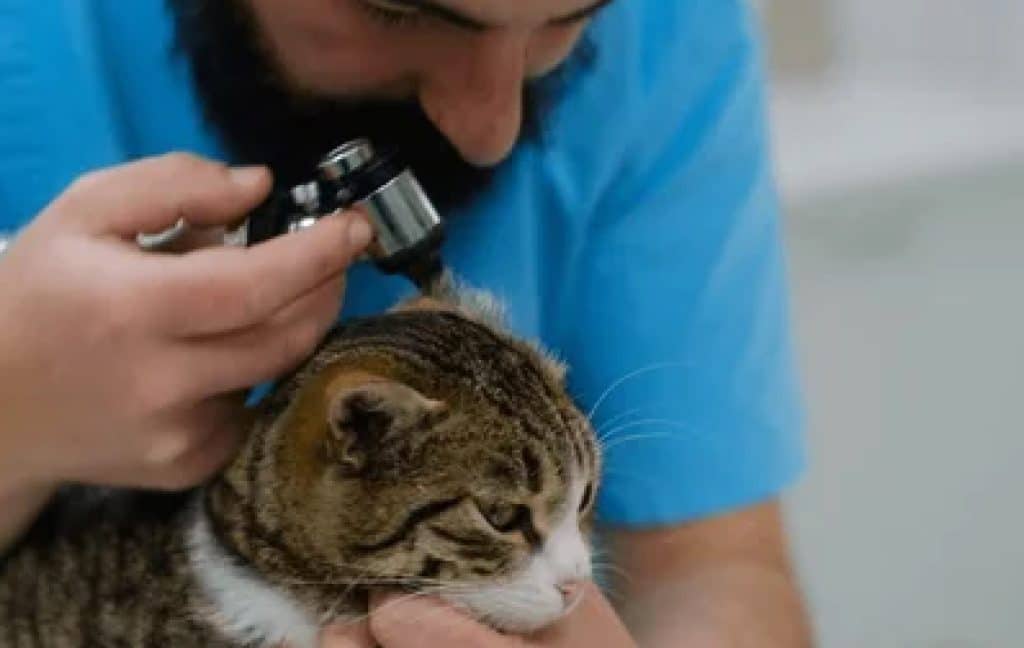
If you suspect your pet has an allergy, a visit to the veterinarian is the best place to start. Because many skin conditions and illnesses share similar symptoms, your vet will first rule out other possible causes, such as parasites, infections, or underlying health conditions.
The diagnosis usually begins with a physical examination and a discussion about your pet’s medical history, diet, environment, and lifestyle. You may be asked when the symptoms started, whether they occur year-round or seasonally, and if you’ve noticed any changes after introducing new foods, treats, or household products.
If a food allergy is suspected, your veterinarian may recommend an elimination diet. This involves feeding your pet a specially formulated diet with limited or novel ingredients for several weeks before gradually reintroducing other foods to identify the trigger. It’s important to follow the plan carefully, as even small treats can affect the results.
For environmental allergies, your vet may suggest allergy testing to identify specific allergens, particularly if symptoms are severe or recurring. While no single test can diagnose every type of allergy, the information gathered through examinations, dietary trials, and testing helps your veterinarian develop a treatment plan tailored to your pet’s needs. Finding the exact cause may take time, but a thorough diagnosis is the first step towards helping your pet feel more comfortable and preventing future flare-ups.
Treatment and Management of Pet Allergies

Managing pet allergies starts with identifying the cause of the reaction. Once your veterinarian determines the trigger, the goal is to reduce your pet’s exposure to allergens, relieve their symptoms, and prevent future flare-ups. Treatment varies depending on the type and severity of the allergy, but many pets respond well to a combination of medical care and simple lifestyle changes.
Follow Your Veterinarian’s Treatment Plan
Your veterinarian may recommend one or more treatments to help control your pet’s symptoms, including:
Medications to reduce itching and inflammation.
Prescription diets for pets with food allergies.
Medicated shampoos to soothe irritated skin.
Allergy immunotherapy (allergy shots or drops) for some environmental allergies.
Antibiotics or antifungal medication if a secondary skin or ear infection develops.
Always give medications exactly as prescribed and avoid using human allergy medicines unless your veterinarian advises you to do so.
Reduce Exposure to Allergens
Small changes at home can make a noticeable difference, especially for pets with environmental allergies. You can help by:
Washing your pet’s bedding regularly.
Vacuuming carpets and furniture to reduce dust and pet dander.
Wiping your pet’s paws after walks to remove pollen and grass.
Keeping up with year-round flea prevention.
Avoiding shampoos or cleaning products that irritate your pet’s skin.
Monitor Your Pet’s Progress
Even after treatment begins, continue to watch for changes in your pet’s symptoms. If the itching worsens, new symptoms develop, or the treatment doesn’t seem to be working, let your veterinarian know. Allergies often require ongoing management, and treatment plans may need to be adjusted over time. With consistent care and regular veterinary support, most pets with allergies can continue to live happy, active, and comfortable lives.
Conclusion

Allergies can be uncomfortable for pets, but recognising the signs early can make a meaningful difference. From persistent itching and ear infections to digestive problems and sneezing, paying attention to changes in your pet’s behaviour can help you identify when something isn’t right.
While allergies can’t always be prevented, many can be managed with the right diagnosis, treatment, and everyday care. Working closely with your veterinarian and making small adjustments at home can help reduce flare-ups and improve your pet’s comfort.
If you think your dog or cat may have an allergy, don’t ignore the symptoms. Early intervention can prevent complications and help your furry companion enjoy a healthier, happier, and more comfortable life.