



At some point in your pet parenting process, you will be faced with the decision of whether or not to spay or neuter your pets. These procedures involve surgically preventing animals from reproducing. This procedure plays a key role in controlling pet overpopulation and also offers other health benefits.
In this content, we will explore the pros and cons of early spaying or neutering your pets. We will understand the potential risks, benefits, and consider how this decision could influence your pet’s wellbeing.
What is spaying or neutering

Spaying and neutering are procedures performed on pets to prevent them from reproducing. It is medically known as sterilisation, which is carried out by a professional veterinarian.
Spaying
Spaying is the surgical removal of the ovaries and usually the uterus of a female dog or cat. This procedure is also called an ovariohysterectomy, which eliminates a female pet’s ability to become pregnant and go through heat cycles. It’s usually performed under general anaesthesia through a small abdominal incision.
Neutering
This is for sterilising male pets through the removal of their testicles. For male pets, the procedure is called orchiectomy.
Pros of early spaying or Neutering

The British Veterinary Association(BVA) and RSPCA support early neutering of your pets before they reach six months of age, especially for pets not intended for breeding. Here are some of the benefits of sterilising your pets early.
- Health Benefits
Early neutering reduces the risks of some potentially serious health conditions. Some of these health benefits include;
Reduced cancer & longer life: Early spaying and neutering lowers the risk of reproductive cancers and infections, helps pets live longer, and reduces costly reproductive emergencies.
- Behavioural benefits
Behavioural improvement is also a major reason to choose early neutering, especially in a multi-pet household.
Early neutering reduces roaming and escape risks, helps prevent urine marking in male cats, and lowers aggression and dominance by decreasing testosterone levels.
- Population Control
One of the most important reasons for early neutering by RSPCA(the Royal Society for the Prevention of Cruelty to Animals) and Cats Protection is to prevent unplanned pregnancies. Early neutering ensures pets adopted from shelters don’t add to the number of unwanted animals in the UK.
- Financial benefits
While neutering has an upfront cost, it pays off in the long run. These includes
Lower vet bills: Neutered pets are less likely to develop reproductive illnesses like mammary tumours, prostate problems that would cost a lot of money for treatment.
- Reduced pet insurance premiums: Some UK pet insurance providers, like Quays Pet Insurance, may offer lower premiums or more coverage options for neutered pets. This is because spayed pets are more likely to have lower long-term health risks. But be sure to check with your provider if neutering your pet can influence your insurance premium.
Cons of neutering or spaying your pets

While early neutering offers certain health benefits, it’s also important to understand the downsides that accompany performing neuter at an early stage. Here are some disadvantages to look forward to when you neuter or spay your cat.
- Your pet cannot get pregnant: The most obvious disadvantage is your pet not being to bear a kitten or puppy because neutering or spaying is an irrevocable procedure. So if you would ever have a change of heart in the future, you may want to consider your pet, what you want, and weigh the pros and cons that come with spaying or neutering your pet. All you need to know about pregnancy in cats.
- Health risks: While neutering lowers reproductive cancer risks, it may increase the chance of other conditions like lymphoma, osteosarcoma, and urinary incontinence, especially in females. These issues can often be managed, so consult your veterinarian for guidance.
- Developmental concerns: Early spaying or neutering can affect bone development since sex hormones help close growth plates. This may increase the risk of joint issues, hip dysplasia, and ligament injuries, especially in large breeds. It can also cause coat texture changes. Always consult your vet to decide the best timing for your pet.
- Behavioural concerns: Early neutering may be linked to behavioral changes like separation anxiety, timidity, aggression, or noise fear. It can also slow metabolism, increasing the risk of weight gain and related conditions such as diabetes and arthritis.
- Surgical and recovery considerations: While general anaesthesia is safe for pets, young pets(puppy or kitten) tend to be more sensitive, which could eventually lead to lower body fat, smaller blood volume, immature liver and kidney function.
Age recommendation: When is the right time to Neuter my pet?
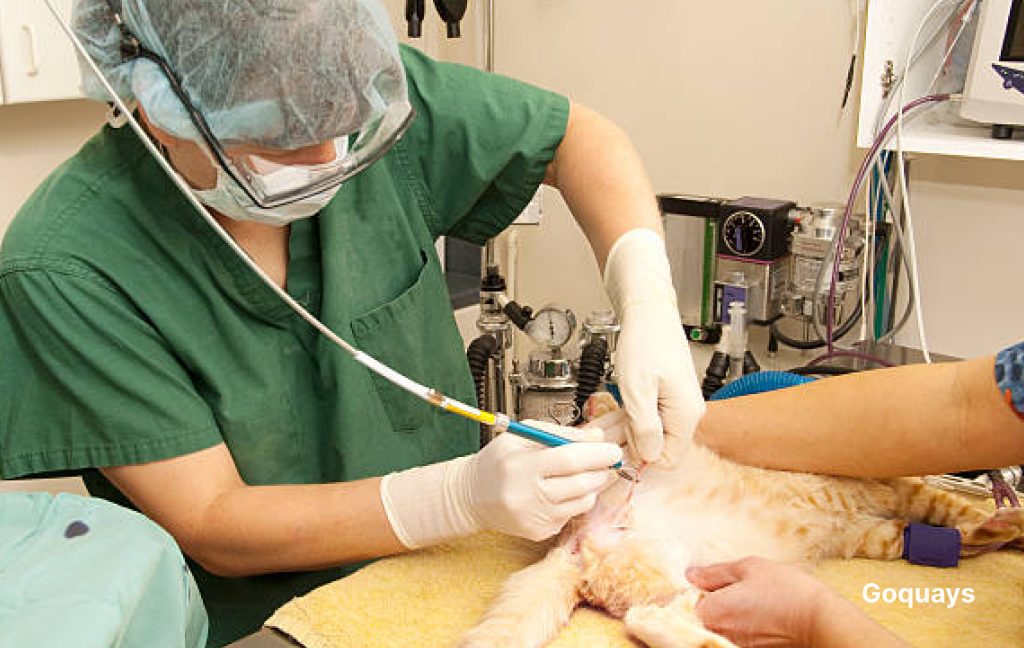
There is no one size fits all when it comes to the right time to spay or neuter your pet.
General veterinary guidance
- The British Veterinary Association(BVA) supports early neutering in suitable cases especially to help with animal population control.
- The Royal Society for the Prevention of Cruelty to Animals (RSPCA). Recommends neutering from as early as 8 weeks for kittens and 12 weeks for puppies, especially for rescue situations where preventing unplanned litters is urgent.
- PDSA and Blue Cross recommend spaying and neutering from 4-6 months of age depending on your pet’s health and whether they have started showing signs of sexual maturity.
Species and Breed timing for spaying and neutering
- Cats (both male and female) Often neutered from 4 months. The procedure is quick and widely tolerated in young cats.
- Small to medium dog breeds Generally safe to neuter from 6 months, though some vets may offer it earlier.
- Large and giant dog breeds May benefit from delayed neutering (12–18 months) to reduce the risk of joint and bone issues.
- Brachycephalic breeds (e.g. Bulldogs, Pugs) May require individual risk assessments due to increased anaesthesia risks.
Questions to ask before spaying /neutering your cat
Deciding whether to spay or neuter your pet—and when to do it—is a major health choice that can have lasting implications on your pet’s wellbeing, development. Here are the key questions you should ask yourself and your vet before making a decision.
- What is my pet’s breed, size and growth rate?
Different breeds mature at different rates. For example:
Small dogs and cats finish growing earlier and tolerate early neutering well. While Large and giant breeds (like Labradors, Great Danes, German Shepherds) may benefit from delaying sterilisation to reduce the risk of joint and bone issues.
- Is my pet showing signs of sexual Maturity?
Early signs such as: Male dogs marking or humping. Female cats calling or going into heat might influence when to proceed, especially if behaviours are becoming difficult to manage.
- Are there behavioural or Medical reasons to delay?
Some pets may be more anxious or underdeveloped at younger ages, and certain medical conditions (like retained testicles or heart murmurs) might affect surgery timing or approach.
- Am i planning to breed my pet responsibly?
If you are considering breeding, you will need to weigh the responsibilities of doing so carefully and likely delay neutering altogether.
Alternative to neutering and Spaying
While early-age spaying and neutering are the most common sterilisation options, they are not the only paths available. If you are bothered about early age procedures, either due to your pet’s health or behavioural needs, here are some alternatives you can explore.
Delayed neutering
Some vets and breed specialists recommend delaying sterilisation until your pet reaches physical and sexual maturity, especially in:
- Large and giant breed dogs (e.g., Golden Retrievers, Rottweilers, German Shepherds)
- Pets prone to joint problems or slow growth
For these animals, waiting until 12–18 months of age can reduce the risk of:
- Hip and elbow dysplasia
- Cruciate ligament injuries
- Growth plate issues
Chemical or temporary altenatives
If you are uncomfortable with permanent sterilising your pets, opt for temporary birth control
- Hormonal implants: They ar used in male dogs. It temporarily suppress testosterone and sperm production, the effects last about 6-12 months.
- Contraceptive injections or pills: Mostly used for female dogs and cats. It helps prevents heat cycles but have a side effects and it’s not advisable for long-term usage.
Ovary-sparing spay(OSS) and Vasectomy
Still rare in the UK, some vets offer less invasive surgical options:
- Ovary-sparing spay(OSS): The uterus is removed but one or both ovaries are left intact. This preserves hormones while preventing pregnancy.
- Vasetomy: The sperm ducts are severed in males allowing hormone production to continue but eliminating
Conclusion
Deciding whether and when to spay or neuter your dog or cat is one of the most important long-term health decisions you have to make as a pet owner. While early-age neutering offers clear benefits in terms of disease prevention, behavioural management, and population control, it’s not a blanket solution for every pet.
Instead, the best approach is a balanced, individualised plan, one that considers your pet’s breed, size, temperament, and environment, along with their stage of development. All in all, there is no one-size-fits-all answer. That’s why it’s important to work closely with your veterinary team, discuss your pet’s individual needs, and also factor in other considerations like pet insurance coverage, behavioural tendencies, and your ability to manage intact pets responsibly.