



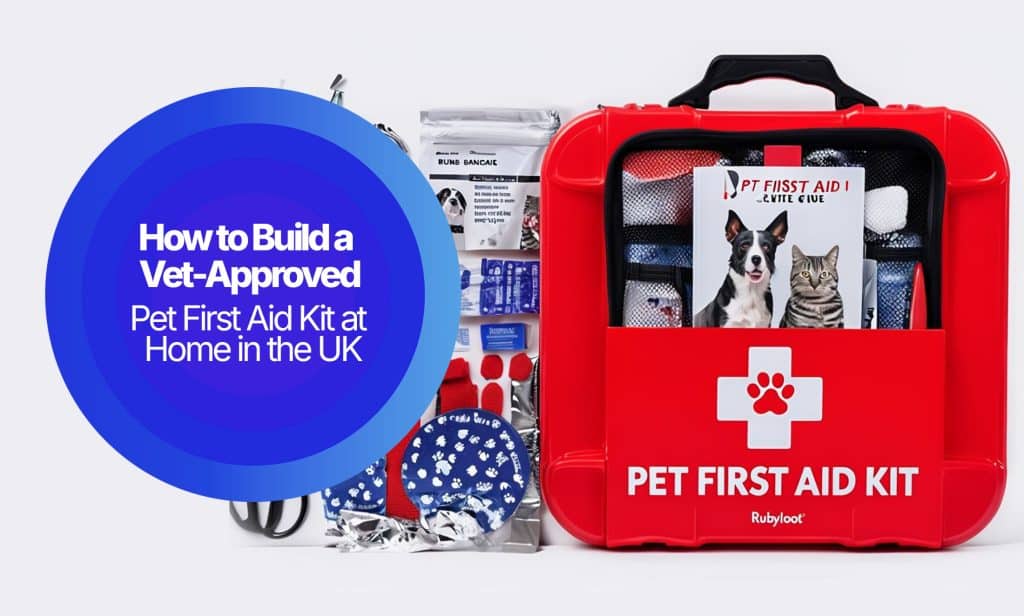
Picture a quiet, rainy evening, and your beloved dog comes back from a walk with a small cut on their paw. Maybe your cat slips in from the garden, favouring a scratched leg. It’s late, the vet’s office is closed, and you’re left feeling helpless. Having a pet first aid kit at home can bring peace of mind, letting you care for your furry friend right when they need you.
In the UK, 59% of households share their lives with pets, but a 2023 PDSA survey found that only 20% have a first-aid kit ready. With one in three pets facing little mishaps like scrapes or stings each week, being prepared can make all the difference. A vet-approved pet emergency kit is a simple way to show your love, ensuring you’re ready to keep your companion safe and comfortable.
This guide is like a friend walking you through the process. We’ll cover:
- Vet-approved essentials for dogs and cats
- How each item helps in emergencies
- Tips to customise your kit for your pet’s needs
- Basic CPR steps for worst-case scenarios
- Storage and travel tips to stay ready
Let’s get started so you can be your pet’s hero, no matter what.
What Goes in Your Pet First Aid Kit?
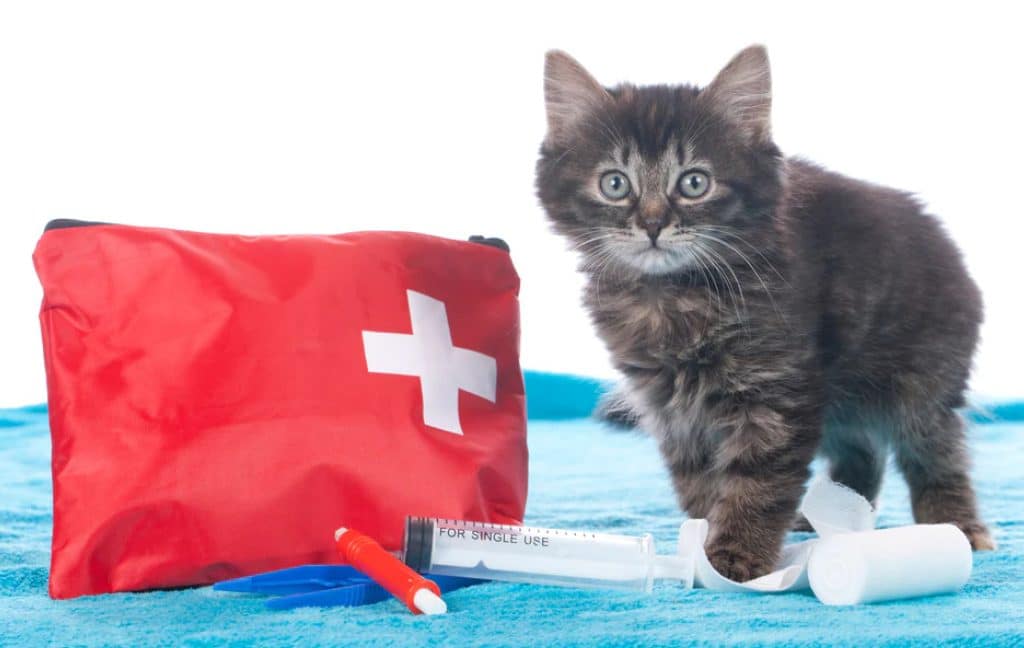
Building a pet first aid kit is like packing a love box for your pet, a promise you’ll be there when they need you. Here’s the vet-approved list for your dog and cat first aid kit:
- Gauze and cohesive bandages: Gently stop bleeding without sticking to fur.
- Antiseptic wipes or spray: Cleans wounds with pet-safe chlorhexidine.
- Digital thermometer: Checks fevers (38 – 39 degrees Celsius is normal for pets).
- Tweezers and blunt-ended scissors: Remove splinters or trim fur carefully.
- Saline solution: Flushes grit from eyes or cleans grazes.
- Disposable gloves: Keep wounds sterile for safety.
- Muzzle: Protects you if pain makes your pet nip.
- Styptic powder: Stops nail bleeding fast, perfect for grooming mishaps.
- Tick remover tool: Essential, with 15% of UK dogs at risk for Lyme disease.
- Emergency blanket: Keeps your pet warm in shock.
- Towel or soft cloth: Soothes and cleans gently.
- Activated charcoal (dogs): Neutralizes toxins; use only with vet guidance.
- Eye rinse (cats): Clears irritants from curious eyes.
- Vet contact card: Details your pet’s medical history for quick access.
- Pet-safe wound gel: Available at UK pet stores, it promotes healing for minor cuts.
- Flea comb: Useful for checking fur after outdoor adventures in grassy areas.
These supplies ensure you are ready for anything, from a scraped paw to a bee sting. A well-prepared kit means you can act calmly, keeping your pet comfortable until professional help is available. It’s your toolkit for peace of mind.
Key Essentials for Dog and Cat First Aid Kit
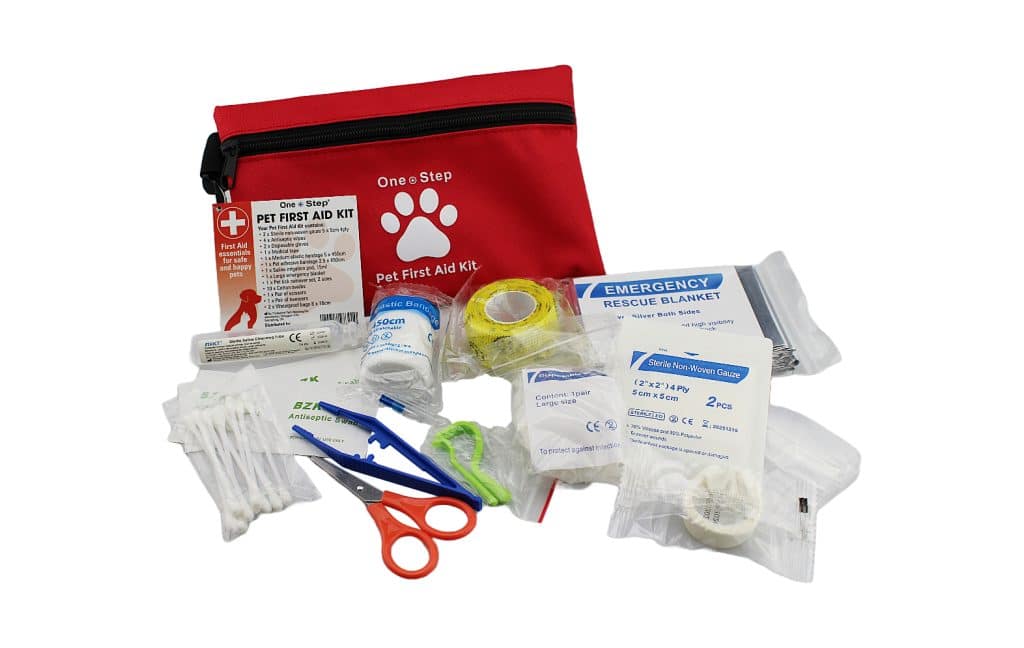
Let’s dive into the must-haves you need for your pet’s health care. Imagine your dog chasing a ball into a bramble and coming back with a scratched leg, or your cat getting dust in her eye from a dusty corner. These essential items in your pet emergency kit are lifesavers:
- Gauze and cohesive bandages: They are used to wrap wounds securely and are ideal for active dogs who won’t sit still.
- Antiseptic wipes or spray: A quick swipe prevents infection in small cuts, keeping them minor.
- Digital thermometer: It spots fevers early if your pet’s acting off, giving you a heads-up to call the vet.
- Disposable gloves: They ensure hygiene during messy moments, protecting you and your pet.
- Tick remover tool: With ticks thriving in UK parks and woodlands, this tool is critical to avoid Lyme disease risks.
These supplies let you act fast, showing your pet you’ve got their back. They are like having a vet’s aid kit right in your kitchen cupboard.
Pet-Safe Emergency Medications
Medications are where you need to tread carefully. Human drugs like paracetamol can be toxic. Studies show that the number one cause of pet poisoning is human medications. Always consult your vet before adding these to your pet’s first aid kit:
For Dogs:
- Activated charcoal: It absorbs toxins, like if your dog eats something harmful, but it should only be administered with vet approval.
- Benadryl (Diphenhydramine): It soothes allergies or insect bites, but the dosage must be vet-approved.
- Hydrogen peroxide (3%): Hydrogen peroxide may induce vomiting in emergencies, like chocolate ingestion, but only be used with vet guidance.
For Cats:
- Eye rinse solution: It clears irritants from the eyes after dusty adventures.
- Pet-safe anti-inflammatory (e.g., Metacam): Vet-prescribed for pain relief, like arthritis and flare-ups.
- Electrolyte solution (e.g., Dioralyte): It helps with dehydration, but always check with your vet.
When in doubt, call your vet. This careful approach keeps your pet safe and shows your responsibility, a quality employers value.
Customizing Your Pet First Aid Kit
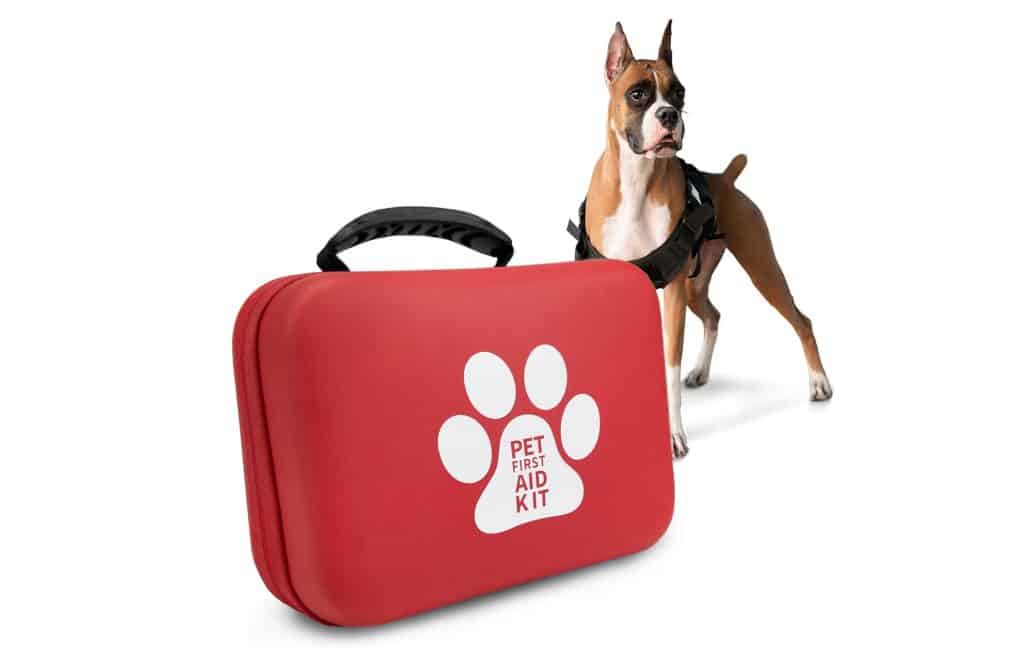
Your pet is one of a kind, and their first aid kit should reflect that. Here is how you can customise your pet’s first aid kit according to their specific needs:
- For young pets, choose softer tools, like flexible thermometers or mild cleansers.
- For seniors, 1 in 4 pets are over 8; add glucose gel for diabetics or calming sprays for anxious moments.
- Consider your pet’s lifestyle: Active dogs might need extra bandages, while indoor cats benefit from soothing eye drops.
- Check pet forums for breed-specific tips.
- Include a card with your vet’s number, your pet’s allergies, and medications.
Whether you are dodging ticks in the Peak District or broken glass in city parks, a tailored kit keeps you confident in any setting, from rural trails to urban walks. A customised pet emergency kit ensures you’re prepared for your pet’s unique needs. This thoughtfulness shines through as a pet parent and keeps your pet safe and happy.
Pet CPR: Be Your Pet’s Lifesaver
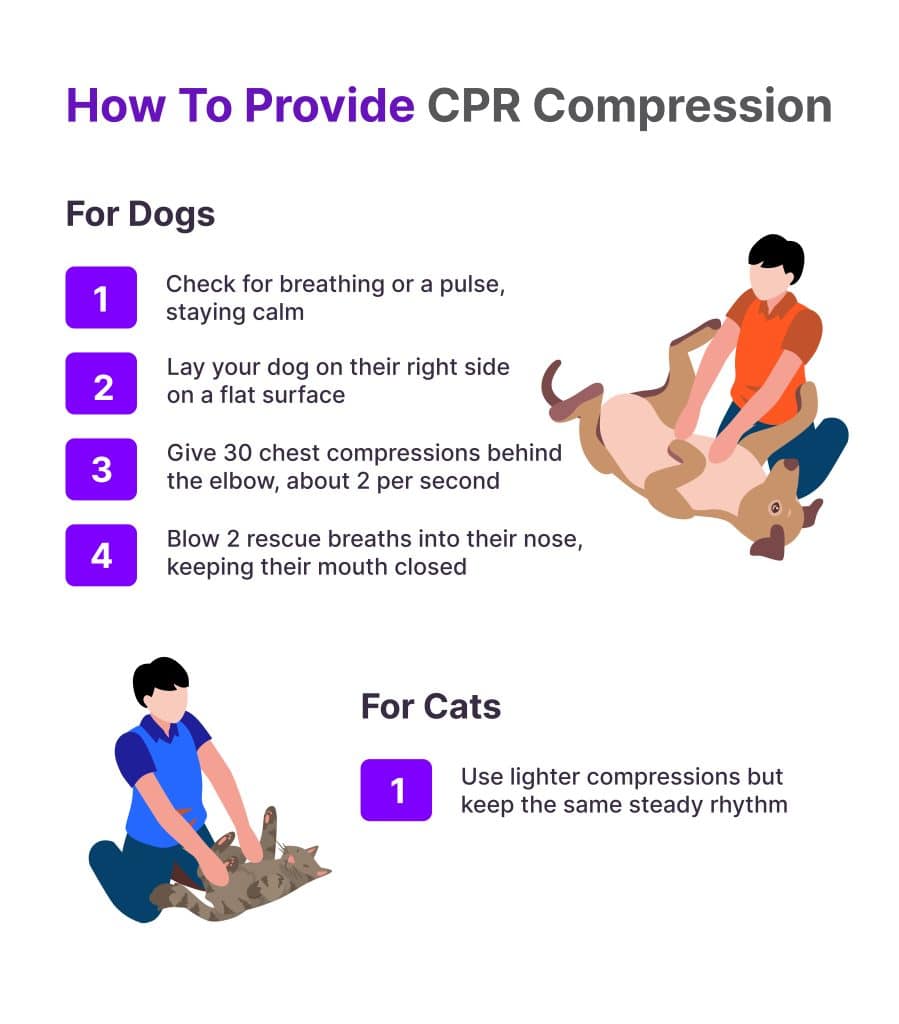
It’s hard to think about, but if your pet stops breathing, knowing how to administer CPR can save their life.
UK vets reported 3,000 pet cardiac emergencies in 2024. Learning this feels like a superpower for pet parents and is important for your pets. Here’s a simple guide:
For Dogs:
- Check for breathing or a pulse, staying calm.
- Lay your dog on their right side on a flat surface.
- Give 30 chest compressions behind the elbow, about 2 per second.
- Blow 2 rescue breaths into their nose, keeping their mouth closed.
For Cats:
- Use lighter compressions but keep the same steady rhythm.
Storing and Travelling with Your Pet First Aid Kit
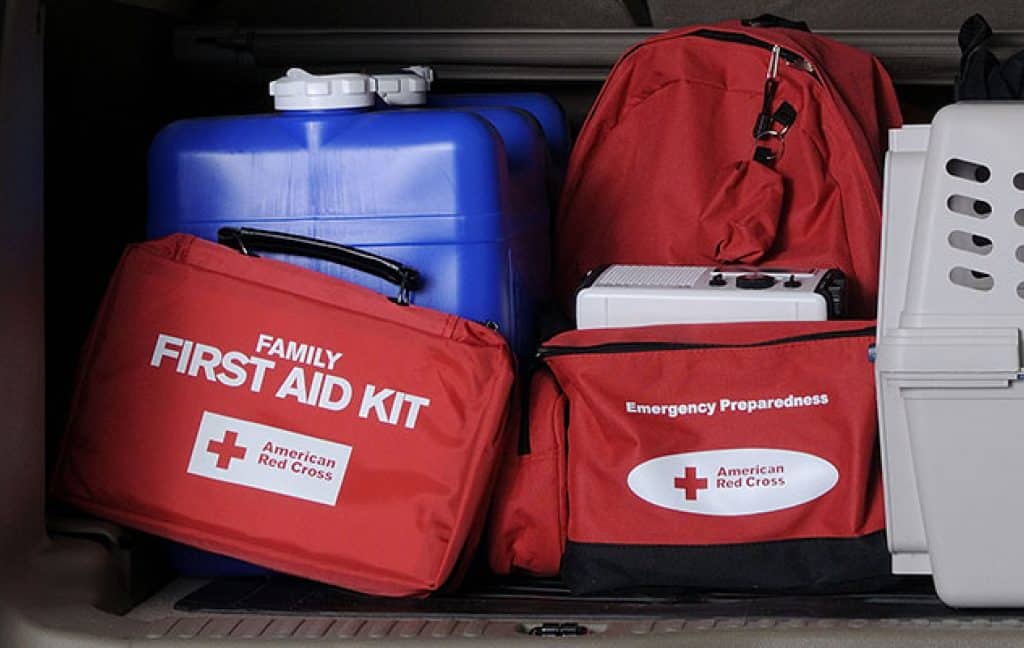
Your pet first aid kit is a promise you can hold. Keep it in a handy spot, like a kitchen cupboard, but safe from kids or curious paws. A 2023 Vets4Pets survey found 40% of pet owners forget to check expiry dates. Set a calendar reminder every three months to keep supplies fresh. For adventures, like hikes in the Lake District or beach trips to Cornwall, pack a travel pet emergency kit with:
- Collapsible water bowl for hydration
- Vet-approved calming spray for stressful journeys
- Waterproof pouch with your pet’s medical info
- A recent photo of your pet, in case they wander off
This mini kit ensures you’re ready on the go, showing your proactive nature as a loving pet parent.
Maintaining Your Pet First Aid Kit
Once your kit is built, it’s not a “set it and forget it” plan. I learnt this when I grabbed an expired antiseptic wipe during a pet emergency, and it wasn’t effective. Pet welfare organisations recommend checking and updating pet first aid kits regularly to replace expired or used supplies and ensure they are ready during emergencies.
These steps will guide you on how to properly maintain your pet’s first aid kit:
- Check your supplies every three months.
- Replace expired wipes, test the thermometer’s battery, and restock used bandages.
- Rotate seasonal items, like tick tools for summer or warming blankets for winter.
- Store your kit in a cool, dry place to preserve medications like activated charcoal.
- For travel kits, double-check before trips, especially to tick-prone areas like the New Forest.
- Ask your vet for a quick kit review during annual checkups to stay current.
A fresh kit ensures you’re always ready, giving you confidence to handle your pet’s emergencies with care.
Practical Tips for Building Your Pet First Aid Kit
If you are ready to start, building your pet first aid kit does not have to feel overwhelming. Set aside 20 minutes this weekend and gather your supplies. You can find most items at pet stores, pharmacies, or online retailers like Amazon UK or Pets at Home. For budget-conscious pet parents:
- Check local charity shops for items like towels or small containers to organize your kit.
- Label everything clearly; use a waterproof marker to note expiry dates.
- If you are unsure about medications, book a quick chat with your vet to confirm what’s safe.
These small steps make a big difference, showing your pet you care and are prepared for them.
Why Sharing This Knowledge Matters
Being ready for your pet’s emergencies feels empowering, but sharing that knowledge is even better. A friend once told me how her unprepared neighbour panicked when their dog got stung by a bee. She wished she’d shared tips like these sooner. Pet ownership is so common; passing on this guide could help a fellow pet parent avoid stress or even save a pet’s life. Share this post on social media, text it to a friend, or print it for your dog-walking group. Your ability to spread helpful, heartfelt content shows you care about other pet parents in the community.
Conclusion
A vet-approved pet first aid kit is more than supplies; it is a promise to your furry friend that you will always be there. Imagine the relief of grabbing that kit when a scrape or sting happens, knowing you can act fast. Take 20 minutes this week to build or refresh your pet emergency kit. Share this guide with another pet parent; it can help save a furry pal.
Build your pet first aid kit today. Explore our pet care resources for more ways to keep your pet safe.