



As a responsible pet parent, ensuring the well-being of your priority. One of the most effective ways to protect your pet from any potential life-threatening diseases is through timely vaccinations. vital part of preventive veterinary care.
Vaccinations are an important preventive veterinary care that helps your pet’s immune system to fight off specific infections by introducing harmless forms of bacteria or viruses that stimulate immunity without causing illness.
For new and experienced pet owners alike, understanding which vaccinations are essential, when they should be administered, and how they fit into your pet’s overall health plan can be overwhelming. This is why we have created this content to help you understand what your pet needs and how to do it.
Understanding pet vaccination
What are vaccinations?
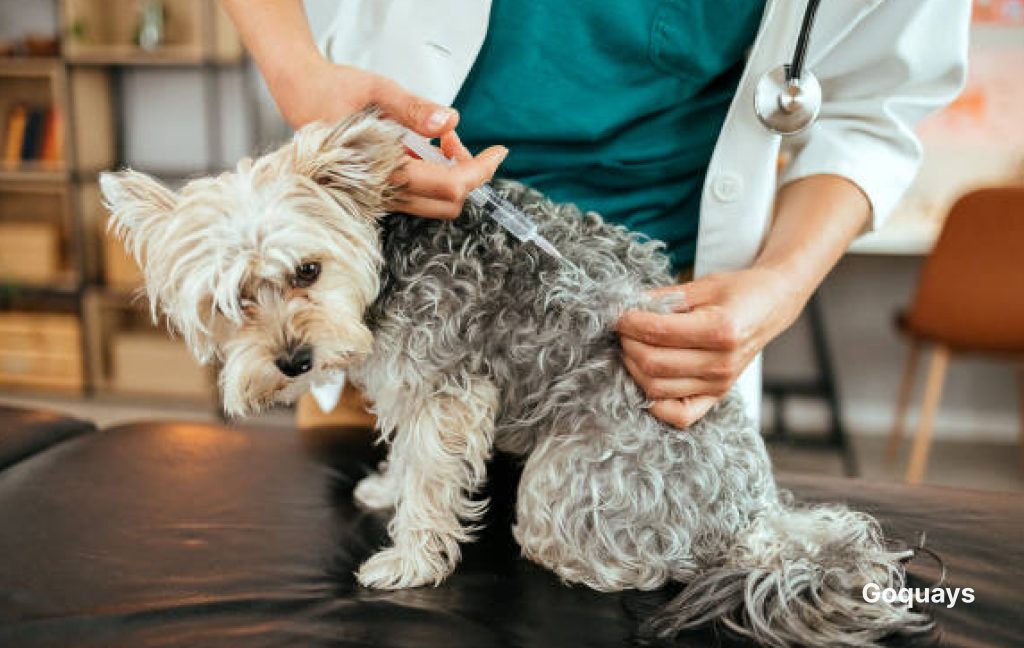
Vaccinations are designed to protect pets from infectious diseases. They stimulate the animal’s immune system to fight bacteria, viruses, or other microorganisms without actually causing the disease itself. When a pet is vaccinated, their body is being “programmed” to recognise a particular threat. So, if they are ever exposed to the real disease in the future, their immune system can respond quickly to fight it off.
The process of vaccination involves injecting a small, controlled amount of the disease-causing organism, either in a killed or weakened (attenuated) form, into the pet’s body. This stimulates the production of antibodies and trains white blood cells to identify and destroy the pathogen should the pet come into contact with it again.
Vaccinations are important for individual pets, public health and also disease control. Widespread vaccination reduces the prevalence of contagious diseases, making outbreaks less likely and helping to protect vulnerable animals, including those who may not be able to receive vaccines due to medical conditions.
Core vs Non-Core Vaccine
Not all pets require the same vaccines, also some vaccines are more important the other. Which is why pets’ vaccinations are categorised into core and non-core types.
Core Vaccines
Core vaccines are important for all pets, regardless of lifestyle or location. With core vaccines, certain diseases can be prevented and protected against disease which could be fatal to your pets. Core vaccines for dogs include;
- Canine Distemper/adenovirus/parvovirus(Known as DA2PP, DHPP, or DAPP)
- Leptospirosis
- Rabies virus vaccine
For cats, core vaccines generally include:
- Feline Panleukopenia Virus
- Feline Herpesvirus
- Feline Calicivirus
- FeLV Vaccine(for kittens)
- Rabies vaccine
Non-Core Vaccines
Non-core vaccines, on the other hand, are recommended based on your pet’s risk factors. These factors may include lifestyle, age, breed, geographic location, travel habits, and exposure to other animals. For example:
Non-core vaccination for pets includes;
- Dogs that frequently visit kennels or dog parks may benefit from the Bordetella vaccine (kennel cough).
- Borrelia Burhdoferi(lyme vaccine)
- H3N2/H3N8 (canine influenza vaccines)
- Crotalux atrox(rattlesnake)vaccine
Cats ‘ non-core vaccines include;
- Bordetella
- Chalmydia
Core vaccinations for dogs
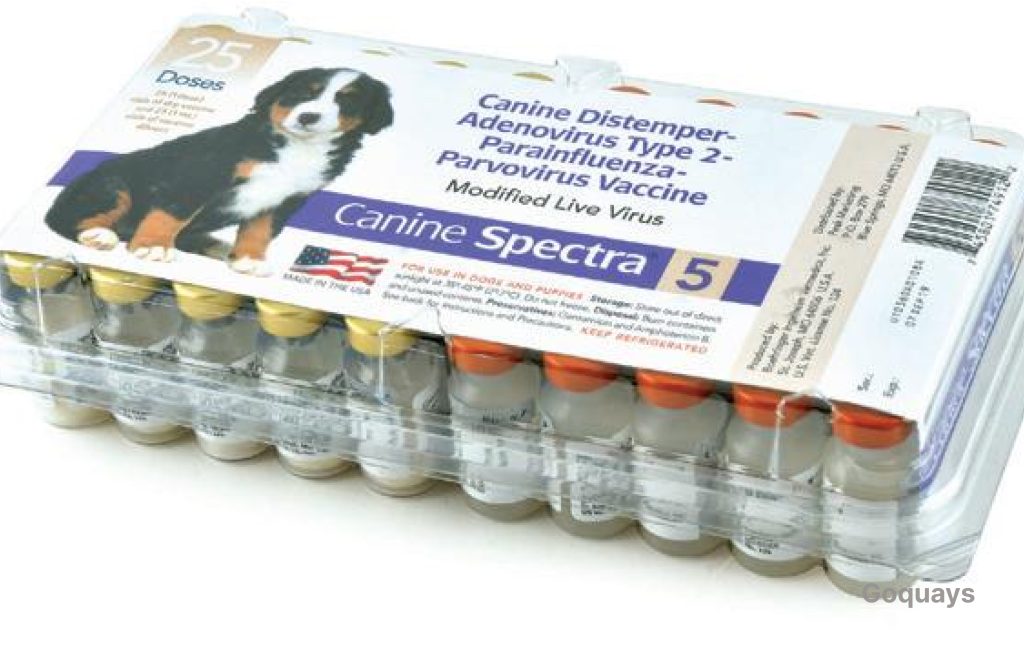
Ensuring your dog receives core vaccinations is one of the most effective preventive care to protect your dog from contagious diseases. Core vaccines are important for all dogs, regardless of breed, lifestyle(outdoor or indoor). These vaccines include;
Canine distemper, adenovirus and parvovirus(DA2PP/DHPP/DAPP)
The DA2PP/DHPP/DAPP protects against three major viral diseases:
- Canine Distemper Virus (CDV): Distemper is a highly contagious disease. Without the vaccination (unvaccinated dogs), it can result in neurologic signs, pneumonia, fever, encephalitis, and death.
- Canine Adenovirus Type 1 and 2 (CAV-1 and CAV-2): CAV-1 is also known as infectious canine hepatitis, a severe liver disease. CAV-2 is a respiratory virus that causes upper respiratory tract infections as well as fever, liver failure, kidney failure, and ocular disease. Vaccination against adenovirus reduces both disease severity and virus shedding.
- Canine Parvovirus (CPV): One of the most contagious viruses for dogs, parvovirus attacks the gastrointestinal tract, causing severe vomiting, diarrhoea, dehydration, and, in many cases, death.
Leptospirosis
Leptospirosis is a bacterial infection that dogs can contract from contaminated water, soil, or contact with infected animals, particularly rodents. It can lead to kidney and liver failure and it can be transmitted to humans.
There are multiple strains (serovars) of the Leptospira bacteria, and modern vaccines protect against the most common ones found in the UK. Due to its severity and prevalence in areas with standing water, leptospirosis is classified as a core vaccine.
Rabies virus vaccine
While rabies vaccination is not legally required for dogs residing within the UK, it is mandatory for dogs travelling abroad under the Pet Travel Scheme (PETS). Rabies is a fatal viral disease that affects the central nervous system and is transmissible to humans.
Non-core vaccine for dogs
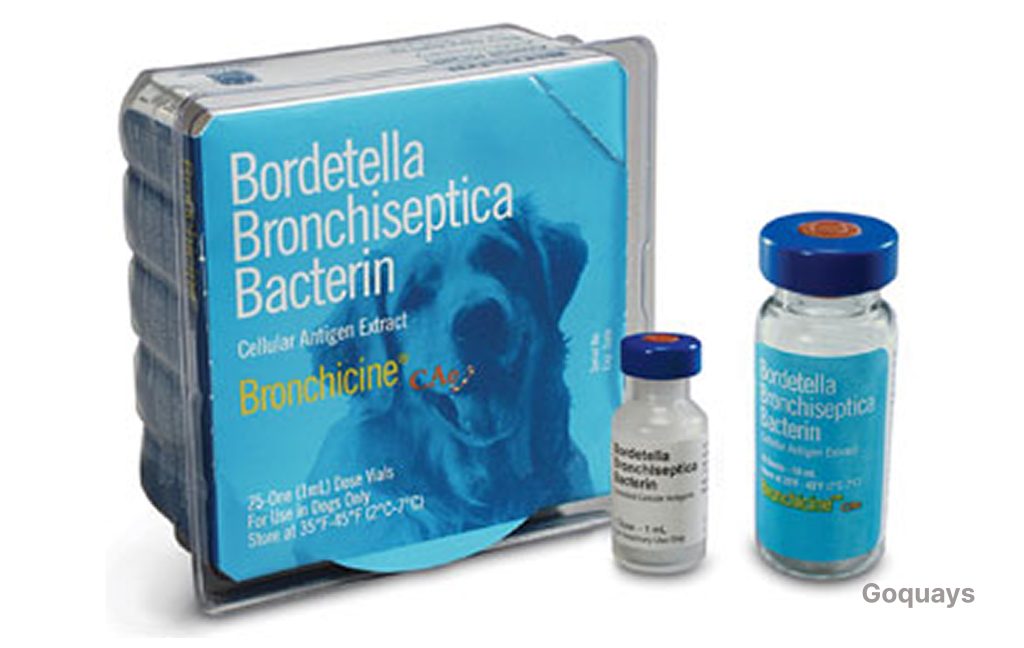
While core vaccines protect against highly contagious diseases, non-core vaccinations are recommended based on a dog’s individual lifestyle, environment, and exposure risk. These vaccines offer targeted protection and are especially valuable for dogs that socialise frequently, travel, or live in specific geographic areas.
Bordetella Bronchiseptica(Kennel Cough Vaccine)
Dogs that often attend kennels, grooming facilities, training classes, or dog parks are at increased risk of contracting kennel cough, a contagious respiratory disease. The primary culprit behind kennel cough is the Bordetella bronchiseptica bacterium, which spreads rapidly in environments where dogs are in close quarters. Symptoms include: A harsh, dry cough, retching, nasal discharge, and sometimes lethargy and loss of appetite.
Borrelia burgdorferi (Lyme Disease Vaccine)
Lyme disease, or tick-borne disease, is caused by the bacterium Borrelia burgdorferi, transmitted through tick bites. The disease can cause fever, lethargy, decreased appetite, shifting leg lameness or even kidney failure.
Canine Influenza virus (H3N2 and H3N8)
Canine influenza, also known as dog flu, is a contagious respiratory illness caused by two different influenza strains: H3N2 and H3N8. Dogs at risk include those who are boarded, attend doggy daycare, participate in dog shows, or interact with other dogs in communal settings. The disease causes cough, nasal discharge, fever and lethargy.
Crotalus Atrox(Rattlesnake Vaccine)
Primarily relevant to dogs in areas where rattlesnakes are native, the Crotalus atrox vaccine protects against the venom of the Western Diamondback rattlesnake. While not a substitute for emergency veterinary treatment, it can reduce the severity of symptoms and buy time during a snakebite emergency. Symptoms of a rattlesnake bite: Rapid swelling, pain at the bite site, bleeding, shock, and tissue damage.
Core Vaccination for cats
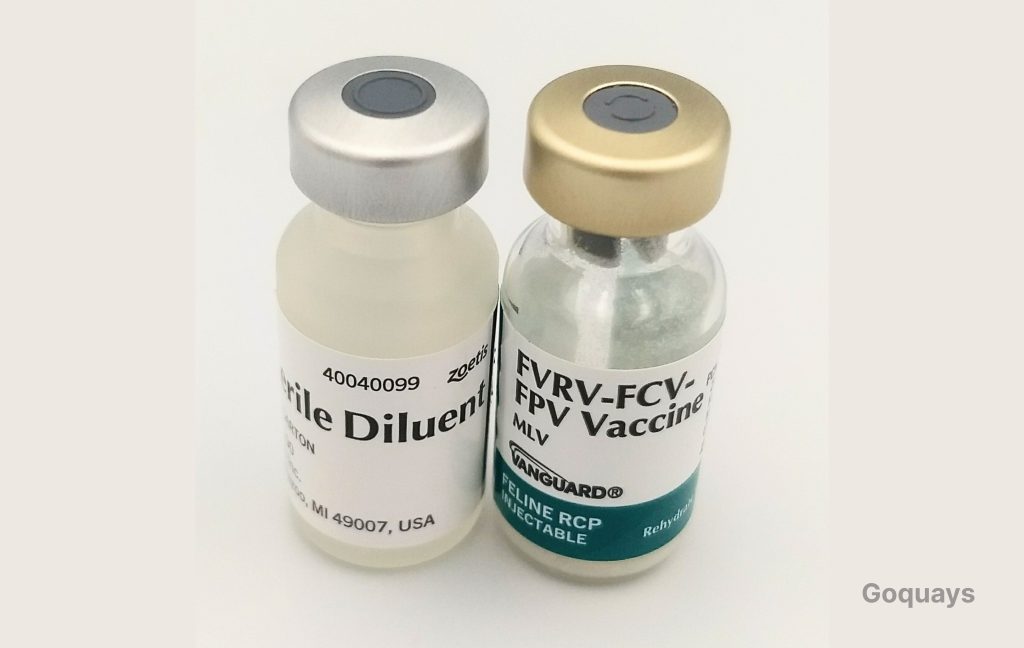
Like dogs, cats need essential vaccinations to protect against serious infectious diseases. Core vaccines are recommended for all cats, whether they live indoors or outdoors, including:
- Feline panleukopenia virus (FPV)
Also known as feline parvovirus, FPV is a highly contagious virus with a high death rate in kittens. It attacks the white blood cells in the cat’s body, primarily affecting the intestines, bone marrow, and also leaving the cat vulnerable to other infections. Some of the symptoms of this disease include vomiting, diarrhoea, dehydration, high fever, and sudden death in severe cases.
- Feline Herpesvirus(FHV-1)
Feline Herpesvirus causes feline rhinotracheitis virus (FVR), a major upper respiratory infection in cats. It’s extremely common and easily transmitted through sneezing. The symptoms includes: sneezing, nasal discharge, conjunctivitis, and pneumonia. It can become a lifelong condition with periodic flare-ups even without being reexposed to the disease.
- Feline Calicivirus(FCV)
The virus consists of various viral strains that contribute to feline upper respiratory infections and can cause painful mouth ulcers, nasal discharge and sneezing. It is also associated with gingivitis and stomatitis, an inflammation of the gums and teeth. Some strains cause hair loss, hepatitis or even death.
- Feline Leukaemia Virus(FeLv)
Felv is a retrovirus that weakens a cat’s immune system and can lead to fatal illnesses such as anaemia, lymphoma, and chronic infections. It is mainly spread through (saliva, urine), close contact, grooming, shared bowls, and bites.
- Rabies Vaccines
Although rabies is not present in the UK domestic animal population, vaccination is required for cats travelling abroad. The rabies virus attacks the nervous system and is nearly always fatal once symptoms appear. It’s also a serious zoonotic disease, meaning it can infect humans.
Non-core Vaccines for Cats
In addition to core vaccinations, certain cats may benefit from non-core vaccines based on their environment, lifestyle, and risk of exposure to specific infectious diseases. These vaccines are;
- Bordetella Vaccine
Bordetella bronchiseptica is a bacterium associated with respiratory infections in cats and is more commonly recognised as a cause of kennel cough in dogs. In cats, it can contribute to upper respiratory tract disease, especially in environments where many cats are housed together.
- Chlamydia felis Vaccine
Chlamydia felis is a bacterial infection that commonly causes conjunctivitis (eye inflammation) in cats. It is highly contagious, particularly in crowded or unsanitary conditions, and often affects young cats and kittens.
Vaccination schedules and boosters for dogs
Puppy Vaccination Schedule
Puppies are especially vulnerable to infectious diseases because their immune systems are still developing. They receive some immunity from their mother’s milk, but this natural protection diminishes over time, making early vaccinations critical.
Puppy vaccination timeline
- 6–8 weeks: First dose of core vaccines (DAP)
- 10–12 weeks: Second dose of core vaccines (DHLPP)
- 14–16 weeks: Third dose of core vaccines and optional non-core vaccines based on lifestyle (DHLPP, Bordetella, Leptospirosis, Lyme disease, Canine influenza)
- 12–16 weeks: Rabies vaccine (as required for travel or by local regulations)
- 12 months of age: First annual booster for all core and selected non-core vaccines
However, it’s best to consult with your veterinarian to know the best puppy vaccination schedule for your pet.
Adult dog vaccination timeline
Once a dog reaches adulthood, their vaccination needs depend on their previous vaccine history, current health status, lifestyle, and exposure risks.
Typical Adult Dog Booster Schedule:
- Rabies vaccine – every year for core vaccines. For non-core vaccines – Lyme, Canine influenza, Bordetella
- Leptospirosis
- Bordetella (Kennel Cough): Every 6–12 months, especially for social dogs
Canine Influenza & Lyme Disease: Annually for at-risk dogs - Rattlesnake vaccine: Annually, if the exposure risk remains
Vaccination Schedule for Cats
Kitten Vaccinations
Kittens are born with temporary antibodies from their mother, but this immunity fades quickly, leaving them susceptible to illness. Vaccinating during their early weeks helps protect them when they are most vulnerable.
Kitten Vaccination Timeline:
- 6–8 weeks: First dose of core vaccines (FVRCP and Felv)
- 10–12 weeks: Second booster of core vaccines (FVRCP and Felv)
- 14–16 weeks: Final dose of kitten vaccine series( FVRCP, Felv, Rabies)
- 1 year after: First annual booster of all applicable vaccines(FVRCP and Rabies).
Keep in mind to avoid contact with unknown or unvaccinated cats until the kitten’s full vaccination course is completed.
Adult Cat Vaccination
- Core Vaccines (FPV, FHV-1, FCV): Boosters every 1–3 years, depending on lifestyle and vet recommendations
- Felv Vaccine: Annual boosters are recommended for cats that go outdoors or live in multi-cat environments
- Rabies Vaccine: Required every 1–3 years for travel or as per destination country regulations
Non-Core Vaccines (Bordetella, Chlamydia felis):
- Annual boosters are recommended only if the cat is exposed to risk environments like catteries or shelters.
Conclusion
Vaccinating is a step further in safeguarding your pet’s health and enhancing their quality of life. As a proud pet parent, staying informed and committed to your pet’s vaccination schedule is one of the most effective ways to protect them from preventable, life-threatening diseases.
As we have explored, core vaccines that are essential for all pets offer foundational protection, while non-core vaccines can be tailored to match your pet’s lifestyle and specific risks. From the first round of puppy or kitten shots to adult boosters and senior care, vaccinations should always evolve with your pet’s needs.
As a UK pet parent, your commitment to keeping vaccinations up to date is a simple yet powerful way to express love, care, and responsibility. Stay informed, stay proactive, and most importantly—keep those tails wagging and whiskers twitching in good health.