


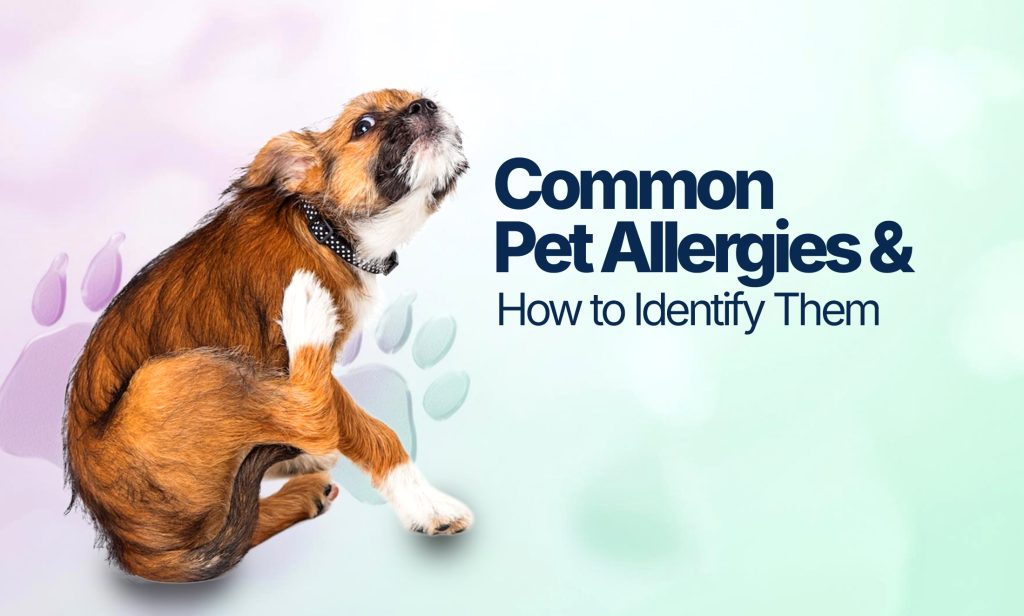
Your heart aches when your furry best friend is feeling unusual and cranky, your dog scratches until their skin is raw, or your cat sneezes and slips under the couch. I’ve felt that ache with my rescue pup, Luna, whose sore ears left me helpless until a vet diagnosed a flea allergy. Pet allergies affect countless dogs and cats across the U.S. and the UK, dimming their playful spark.
You’re not alone in wanting to ease their discomfort, dear pet parent. This guide, wrapped in warmth and empathy, is like a chat with a trusted friend, offering practical pet care tips to spot pet allergies, understand their causes, and prevent them. You can also check our guide on uncommon food allergies in pets and how to spot them early. Let’s help your pet thrive, wag its tail, and feel better again.
The Growing Issue of Pet Allergies
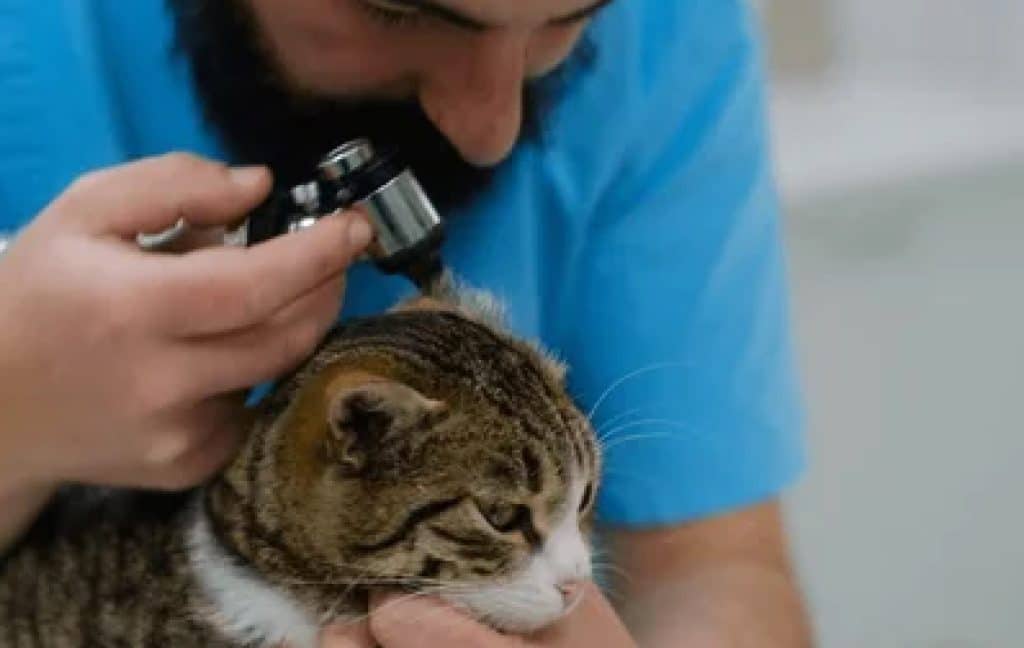
Pet allergies are a top reason our furry friends visit the vet, and pet allergies are often unnoticed until the symptoms worsen. In 2023, Nationwide Insurance reported over 410,000 claims for dog skin allergies, accounting for approximately 1 in 5 dog claims. With over 150 million dogs and cats in U.S. and UK homes, millions of pets likely require vet care for pet allergies yearly, which can cost $200–$600 per visit, according to Banfield Pet Hospital’s 2024 report. Cats often face chronic itching or tummy troubles, and this adds to the tally. Modern life fuels this rise; city living exposes pets to dust mites, while climate change extends pollen seasons, worsening pet allergies, says veterinary dermatologist Dr. Jennifer Schissler.
The emotional toll of pet allergies, from seeing your pet uncomfortable to financial strain as vet bills add up, affects a pet owner deeply. According to the American Veterinary Medical Association (AVMA), processed pet foods with ingredients like chicken or wheat can spark sensitivities and pet allergies. Banfield’s 2024 report notes a 15% rise in allergy-related visits since 2018, showing how common pet allergies have become. A neighbour’s dog, Max, suffered from itchy, red, and inflamed skin until his owner discovered he was exposed to pollen. Understanding these pet allergy signs helps us feel more connected to our pets, leaving them healthy and happy. Let’s explore how to spot and manage pet allergies with love and warmth.
Early Warning Signs of Pet Allergies
Pet allergies whisper through subtle signs like a sneaky sneeze, extra licking, or a pet becoming quieter. These are your pet’s ways of asking for help, and noticing their pet allergy signs early is a part of gentle and thoughtful pet care. Here are pet allergies to watch for:
Sign | Description | Common in Pets |
Skin Reactions | Scratching, licking, or chewing at face, paws, or belly; red spots or hair loss | Dogs (bulldogs) |
Respiratory Issues | Sneezing, wheezing, or watery eyes, especially during pollen seasons | Cats (siamese) |
Digestive Problems | Vomiting, diarrhea, or soft stools after meals | Dogs & Cats |
Behavioural Changes | Paw chewing, scooting or hiding more | Dogs & Cats |
Gina’s ear scratching was my first clue, and jotting down her symptoms helped our vet pinpoint her pet allergies. According to the AVMA, breeds like bulldogs, German shepherds, or Siamese cats are more prone, and symptoms vary by age. Younger pets may show milder signs, while older ones react strongly. Try keeping a notebook for a week; take note of scratching, meals, or mood changes. It’s like looking out for your pet and catching pet allergies early to prevent infections or pain.
Pet allergies can lead to secondary issues, such as skin infections, and journaling symptoms like time, frequency, and triggers allows you to diagnose pet allergies faster and better. For example, a friend’s beagle, Daisy, had watery eyes mistaken for a cold until a vet linked it to dust mites. This pet care step of noticing pet allergies is about listening and acting with love.
Check your pet’s skin daily, especially in folds or ears, and note energy changes. Early detection through these pet care habits can keep pet allergies from stealing your pet’s joy, ensuring they stay happy and playful.
Common Triggers of Pet Allergies
Pet allergies can come from the environment, the air, their food, or a sneaky flea. Identifying triggers is like solving a puzzle to tailor your pet care. Here’s a detailed look:
Trigger | Details | Common Sources |
Environmental Allergens | Pollen, mold, or dust mites cause itching or sneezing | Grass, carpets, air freshners |
Food Sensitivities | Beef, chicken or wheat can cause skin or tummy issues in pets | Kibble, treats, table scraps |
Fleas | One bite can cause weeks of itching; check for flea dirt | Carpets, bedding, and outdoor areas |
Contact Irritants | Shampoos, collars, or bedding irritate the skin | Detergents, treated lawns, collars |
Our pets bring so much joy, but allergies can make them itchy and uncomfortable. With a little love and care, we can help them feel happy and cozy again.
Prevention and Management Strategies for Pet Allergies

Pet allergies can’t always be prevented, but loving pet care can make your pet’s world softer. Here are strategies to ease pet allergies:
- Low-Allergen Home
Vacuum daily with a HEPA filter to trap dust and dander. Wash bedding, toys, and blankets weekly in hot water. Use HEPA air purifiers and avoid scented cleaners. Keep pets off furniture and out of bedrooms, and wipe paws with unscented wipes after walks to remove pollen. - Thoughtful Feeding
Try a hypoallergenic diet such as Hill’s z/d Ultra for 8–12 weeks, avoiding all treats. Reintroduce foods slowly to identify triggers. Work with your vet to ensure balanced nutrition. Simple home-cooked meals like boiled turkey and rice may help, but only with vet approval. - Flea Prevention
Fleas can worsen allergies. Use monthly preventatives like Frontline Plus. Wash bedding often and vacuum carpets to remove eggs and allergens. - Gentle Grooming
Bathe weekly with oatmeal shampoo, brush outdoors, clean ears regularly, and trim nails every 2–3 weeks to reduce irritation and scratching. - Medical Support
Some pets respond to antihistamines and Omega-3 supplements. Vets may prescribe Apoquel, allergy shots, or run skin tests to identify triggers. - Stress Reduction
Provide a calm, quiet space, gentle play, and affectionate care to support healing.
Strategy | Action | Benefit to Pets |
Low-Allergen Home | Vacuum, wash bedding, use air purifiers and wipe paws | It reduces environmental allergens |
Thoughtful Feeding | Hypoallergenic diet, avoid treats during trials | It identifies food allergy |
Gentle Grooming | Weekly baths, outdoor brushing, ear cleaning, nail trims | Soothes skin and removes allergens |
Medical Support | Antihistamines, omega-3s, Apoquel, allergy shots, vet tests | It targets specific pet allergies |
Stress Reduction | Cozy bed, daily play time, calm environment | It lowers stress and reduces allergy flares |
Living with Pet Allergies

Living with pet allergies is a heartfelt journey of balancing love, care, and practical solutions. Imagine a dog gently playing with a hypoallergenic toy, the owner smiling nearby, or a cat napping peacefully in their owner’s lap, bathed in soft light. These moments capture the bond that drives pet owners to navigate the challenges of pet allergies with dedication.
When my dog Gina’s allergies flared, I felt overwhelmed, but small steps made a difference. Wiping her paws after walks reduced allergens, while a friend’s cat, Shadow, found relief from food allergies through a vet-guided diet. Regular vet visits to prevent pet allergy, and maintaining a clean home became essential pet care habits. Sharing stories with other pet parents built a supportive community, easing the emotional weight of managing pet allergies.
Conclusion
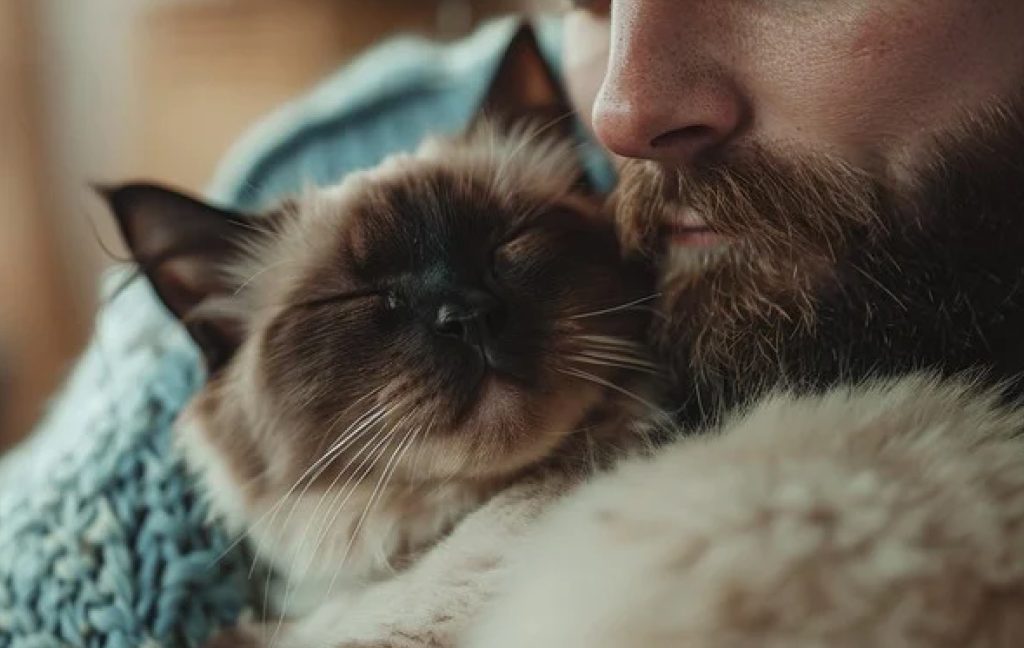
Supporting your pet emotionally is just as vital. Seeing Luna struggle with itching felt heavy, but cuddling her for 10–15 minutes daily, whispering softly, or playing with hypoallergenic toys eased her stress. Offering low-allergen treats and giving space on tough days, while gently checking in, strengthened our bond. This nurturing approach not only soothes pet allergies but also deepens the connection, making your pet feel safe and loved through their challenges.
You know your pet’s every quirk, their happy wag or purr, and every look in their eyes. A sneeze or scratch is your pet’s call for help. Check your pet’s skin or energy today, and tweak their environment; use hypoallergenic bedding or paw wipes to soothe pet allergies. Share this pet allergy resource with a friend; it can help them recognize pet allergy signs. Your love makes all the difference for pet allergies.