


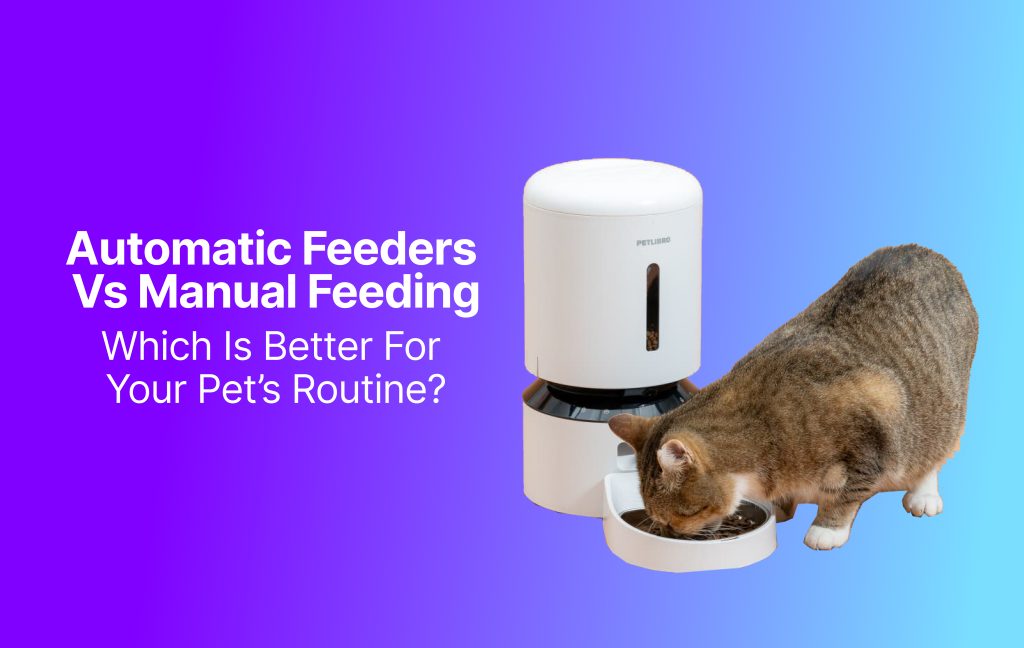
Feeding your pet is one of those daily tasks that seems simple until life gets in the way. Between work, errands, and the occasional late night or weekend trip, sticking to a consistent feeding routine isn’t always easy. And when your pet’s health and behaviour depend on regular mealtimes, that inconsistency can start to show.
It’s no surprise, then, that more UK pet owners are turning to automatic feeders as a solution. The UK’s smart pet feeder market is projected to grow from £88 million in 2024 to £136 million by 2030, showing just how popular these tech-based tools are becoming.
But are they really better than feeding your pet by hand? Or is the old-fashioned way still the best?
In this post, we are comparing automatic feeders vs manual feeding to help you decide what’s best for your pet’s routine and your lifestyle. We’ll break down the pros and cons of each method, how feeding habits affect your pet’s health, and what to consider before making the switch.
Importance of a consistent pet’s routine
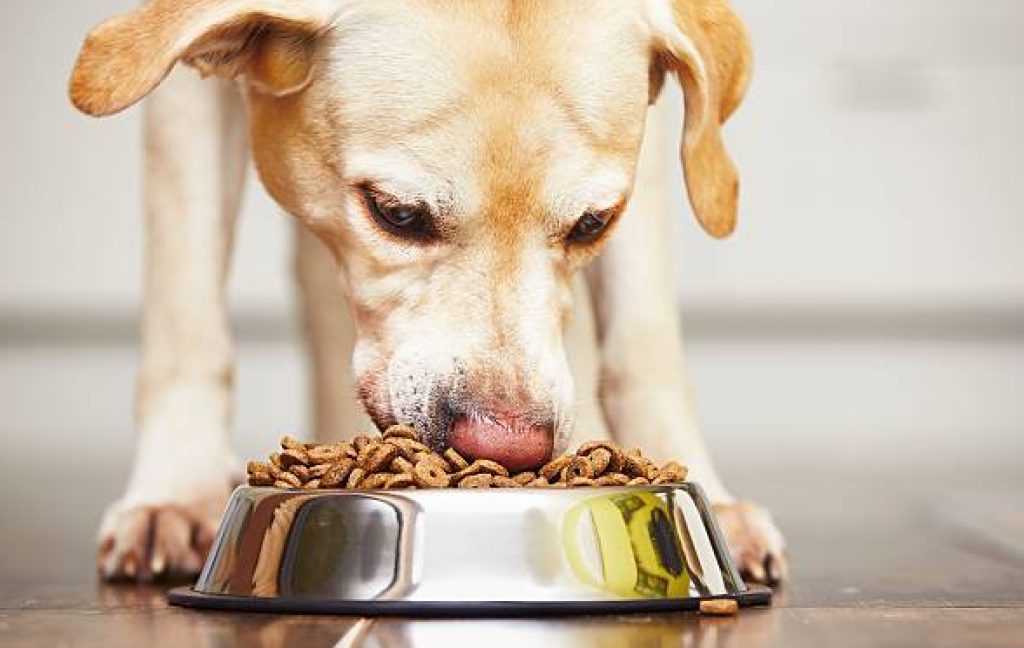
A consistent feeding schedule plays a role in maintaining your pet’s physical health, emotional well-being and even behaviour. Knowing when and how much they eat each day makes a difference in their overall health.
An irregular feeding pattern can lead to various health problems like digestive issues, overeating, and even anxiety. For example, when you feed your dog inconsistently, they may develop habits like begging or food aggression, which can also apply to your cat. However, a controlled, scheduled feeding portion can help pets like cats that are prone to obesity or diabetes.
In environments where feeding is scheduled, you can easily notice signs of illness. For example, a sudden loss in appetite or a change in eating habits are signs that something may be wrong with your pet. And you can only easily notice these signs when you feed your pet at a scheduled time. Which in the long run could save you emergency vet bills.
Automatic vs. Manual feeding: Which is better for your pet?
Automatic feeder
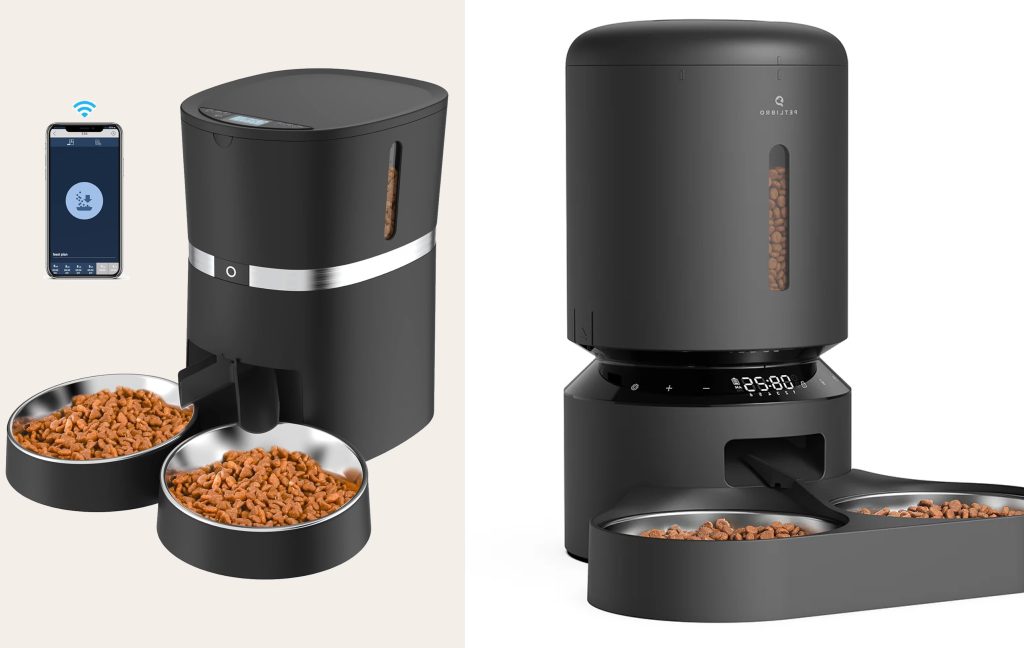
An automatic portion feeder is designed to dispense a pre-measured portion of food at specific times
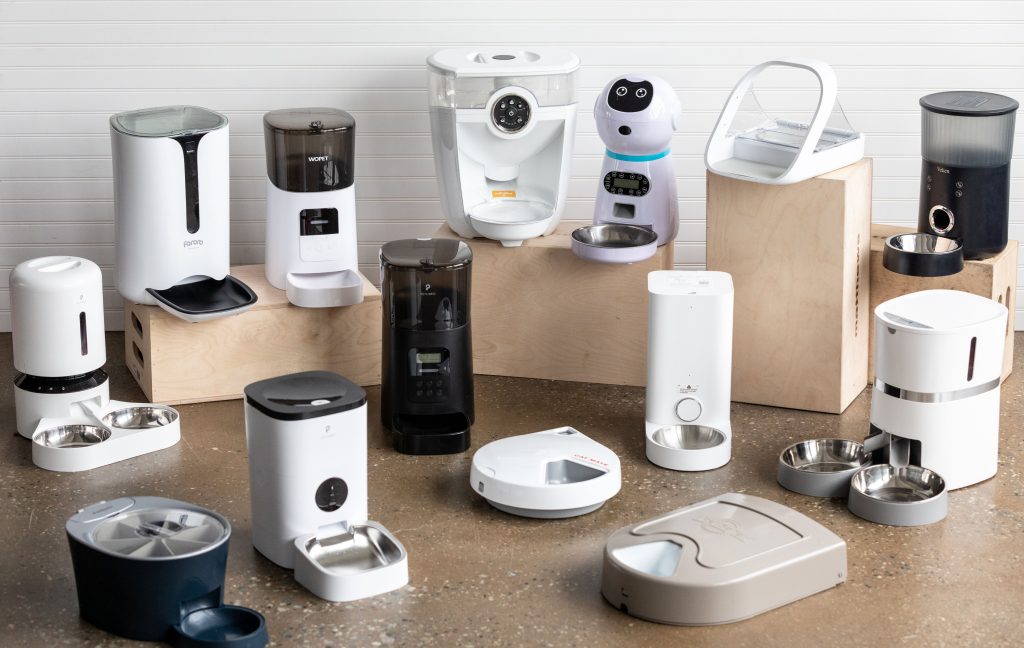
With an automatic feeder, you can simplify your pet’s eating routine and also be assured that your pets are consistently fed, especially when you are away from home. There are various types of automatic feeders available.
- Gravity feeders: Refill a bowl automatically as it empties (better for pets with good self-control).
- Mechanical/timer-based feeders: Open compartments or drop kibble based on a set schedule.
- Smart feeders: App-enabled devices that allow you to set feeding schedules, track consumption, and even record voice messages for your pet.
Benefits of Automatic Feeders
- Convenience: Whether you are at the office, stuck in traffic, or away for a weekend, your pet won’t miss a meal.
- Portion control: Many automatic feeders allow for precise meal sizes ideal for pets on calorie-controlled diets.
- Support for medical conditions: Pets with diabetes or other health issues often require meals at strict intervals. Automatic feeders help owners maintain consistency without stress.
- Multi-pet households: Some smart feeders feature microchip recognition to ensure each pet gets their share, which is especially useful in homes with pets on different diets.
Downsides of Automatic feeders
- Tech reliability: Power outages, Wi-Fi disconnections, or battery failures can disrupt the schedule
- Limited diet flexibility: Wet food and raw diets often are not compatible with most feeders unless refrigerated models are used.
Reduced owner-pet interaction: Automated systems mean less hands-on time, which may impact the human-animal bond for some pets.
Manual Feeding
Manual feeding is a simple, personal, and effective method of feeding. It involves the pet parents physically feeding their pets at a particular time of the day. This is the typical feeding method for most pet owners.
Benefits of Manual Feeding
- Pet-human bonding: Feeding your pet at all meal times strengthens the emotional connection between you and your pet. These little daily interactions help reduce stress and anxiety in pets and support a better relationship
- Health Monitoring: Manual feeding allows you to immediately notice changes in your pet’s appetite, eating speed, or enthusiasm. All these can point to an early sign of illness. By noticing early, you easily prevent the illness with faster diagnosis, leading to a lower vet cost altogether.
- Flexible with any type of diet: Irrespective of your pet’s food, whether it’s a wet food, raw food or even home-cooked meals, a manual feeding option gives you control over ingredients and portion size. Manual feeding is even more helpful for pets with allergies or sensitive stomachs.
- Ease of adjustments: Manual feeding easily allows you to increase or decrease your pet’s portion, either as a result of weight changes or vet advice. These changes can be easily implemented without any technical setup or programming.
Drawbacks of Manual Feeding
- Inconvenience for busy pet parents: Manual feeding requires you to be available at the same time each day. However, if you are a pet parent that your work hours vary or you have to travel from time to time, then maintaining consistency can become difficult.
- Risk of irregular feeding: Manual feeding means that when you are unavailable, your pet doesn’t eat. A missed feeding or two over time can cause stress for your pet and disrupt their meal routine, which can lead to digestive issues or behavioural problems.
- Lack of built-in portion control: Manual feeding does not have a proper measuring tool, which means you can easily overfeed or underfeed your pet, especially in multi-pet households or when different people share feeding duties.
How to choose the right feeder for your pet
Choosing between an automatic feeder and a manual feeder boils down to what fits your pet’s needs and your lifestyle as the pet parents.
Your pet’s breed, age and dietary needs
Feeding requirements vary from pet to pet. For example, puppies or kittens need to eat more, while senior pets or pets with health conditions require portion control. So when considering feeder options,
- Manual feeding gives you flexibility to adjust for pets with wet food diets or those that require medication alongside meals.
- Automatic feeders are better for pets on dry food diets or those that need regular, timed portions for health reasons. Also, put into consideration the required feeding routine for your pet.
Your daily routine
Are you always at home for long? Or does your work schedule vary? Do you travel frequently? If you answered yes, then you consider automatic feeders. With them you can be assured of your pets eating on time. On the other hand, if you answered no, then a manual feedr is ideal for you. This time could also create more interact and bond with your pet.
Budget consideration
For manual feeders, there is no extra cost to accrue other than the initial cost of food and bowls. Automatic feeders are more expensive as basic models cost around £20 or more while smart models cost up to £200 or more. The feeders have features like: app control, cameras, and microchip access that make feeding your pets easier in your absence.
Multi-pet households
In households with multiple and, you will likely use the automatic feeders, opt for feeders with microchip access to make it easier to separate their foods without worry. On the other hand, a manual feeder means you can oversee the whole feeding process and manoeuvre any complicated situations.
Tips for creating a healthy pet feeding routine
No matter the feeder you opt for, any feeding method you intend to achieve would only thrive when you have a routine in place. Here are some tips to put into consideration to help you achieve a healthy feeding routine.
- Stick to consistent mealtimes: Feeding your pet at the same times every day trains their internal clock, supports proper digestion, and can prevent behavioural issues like food anxiety or begging. Set alarms or make use of smartphone reminders if you are feeding manually, or let an automatic feeder handle it.
- Measure portions accurately: Overfeeding is one of the major causes of obesity in pets. Use a measuring scoop or kitchen scale to ensure accuracy, especially if your pet is on a calorie-restricted diet. Automatic feeders with programmable portions can help maintain consistency.
- Always provide fresh water: Irrespective of your pet’s routine, be sure to always provide your pet to access to clean and fresh water.
- Monitor your pet’s eating habits: Changes in appetite, speed of eating, or interest in food. All these could be signs of a potential health issue. A manual feeder makes this easy to spot, but many smart feeders now include consumption tracking features as well.
- Clean bowls and feeders regularly: Leftover food residue can harbour bacteria. Wash bowls daily, and clean automatic feeders according to manufacturer guidelines, especially if you’re using wet or semi-moist food.