

Choosing the perfect guard dog isn’t just about size or strength. It’s about finding the right partner for your family and lifestyle. These dogs aren’t just pets, they’re loyal protectors and trusted companions.
Guard dogs are known for their courage, intelligence, and loyalty. They keep watch over your home, but they also love and protect their families. A well-trained guard dog can deter intruders and bring peace of mind to your household.
But picking the right breed matters. Some dogs are natural protectors. Others need more training and socialization to bring out their best instincts. Each breed has its own personality and energy level, too.
For families with kids or small spaces, gentle and patient breeds work best. For those who want extra protection, more intense breeds might be the perfect fit. No matter which breed you choose, daily exercise and training are key. Guard dogs need mental challenges and physical outlets to stay happy and balanced.
In this blog, you’ll find everything you need to know about the best guard dog breeds. We’ll break down the top family-friendly protectors and highlight breeds that do well in apartments or larger homes. You’ll also learn how to train a guard dog for success and separate myth from fact.
Whether you’re a first-time dog owner or an experienced trainer, this guide will help you pick the right guard dog for your needs. Remember, every guard dog has its own personality and preferences. It’s not just about protection, it’s about finding a loyal friend who will watch over your family with unwavering love.
Ready to meet your next best friend and protector? Let’s dive in and explore the world of guard dog breeds!
What Makes a Great Guard Dog?
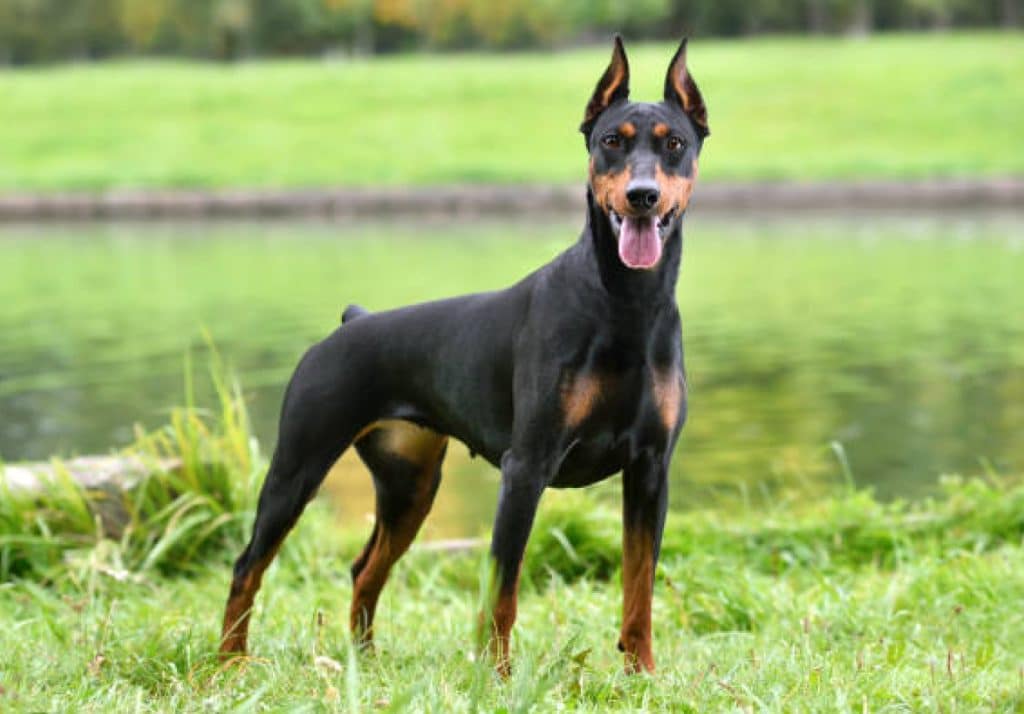
A great guard dog isn’t just about muscle or bark. It’s about balance, courage, loyalty, and a steady temperament.
The best guard dogs are alert and watchful. They’re naturally protective but know when to relax. These dogs don’t overreact to harmless sounds. Instead, they read situations and react only when needed.
Intelligence plays a big role. Smart dogs learn quickly and respond to commands fast. They understand their job: to watch and protect, not to attack without reason.
Confidence is key. A great guard dog won’t back down if there’s real danger. At the same time, they won’t act out of fear or nervousness. This calm bravery makes them trustworthy protectors.
Loyalty and bond with their family are just as important. Guard dogs must be gentle and loving with the people they protect. They’re not just security, they’re part of the family.
Trainability matters too. The best guard dogs respond to training and enjoy learning. This keeps them focused and ensures they follow your commands, not just their instincts.
Finally, physical strength and stamina are important, especially for breeds known to patrol large yards or homes. But a dog doesn’t have to be huge to be a great guard dog. Some smaller breeds have big-dog confidence and will alert you to anything unusual.
The best guard dogs combine these qualities. They’re strong and smart, loyal and loving. They watch over your home and family, giving you peace of mind.
Finding the right guard dog means matching your lifestyle with the breed’s natural traits. With proper care and training, these dogs become more than protectors, they’re lifelong friends, ready to keep you safe and loved.
Top Family-Friendly Guard Dogs
You don’t have to choose between a loyal family companion and a reliable protector, some dogs are both! These breeds combine protective instincts with gentle, loving natures, making them ideal for homes with kids.
- German Shepherd: Famous for police and military work, they’re smart, loyal, and easy to train. Their natural guarding instincts come with a steady, gentle side that fits in with family life.
- Boxer: The Boxer is another great choice. They’re playful, patient with kids, and watchful without being aggressive. Boxers are energetic, so they’re perfect for active families.
- Bullmastiff: The Bullmastiff has a calm, loving heart in a powerful body. They’re natural protectors but don’t bark without reason. Their size alone is enough to make strangers think twice!
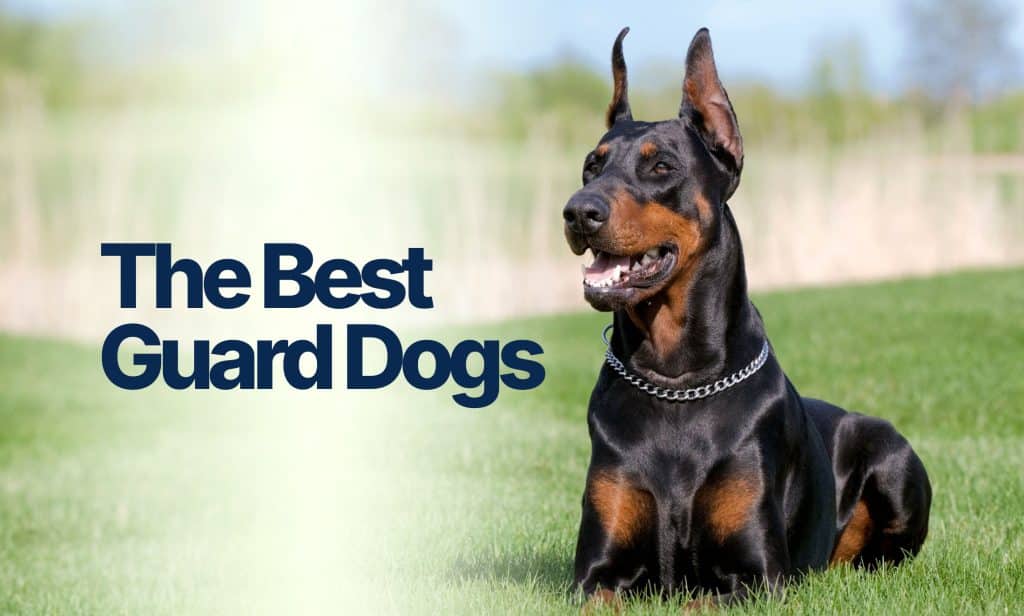
- Doberman Pinscher: The Doberman Pinscher stands out for loyalty and elegance. They’re fearless but affectionate with family. With proper training, they’re obedient and devoted guardians.
- Great Dane: If you’re looking for a gentle giant, consider the Great Dane. Their deep bark and huge size deter intruders, but they’re sweet and patient with kids. Just make sure you have enough room for this big buddy!
- Staffordshire Bull Terrier: For smaller homes, the Staffordshire Bull Terrier is worth a look. They’re sturdy and brave but also famously good with children. Their size doesn’t stop them from being fearless protectors.
No matter the breed, early socialization and training are key. Expose your pup to new people, sounds, and situations so they know what’s normal and what’s not. This helps them protect you without being too quick to bark or bite.
Choosing a family-friendly guard dog means finding a balance, one who’s loyal and gentle at home but ready to stand up when it counts.
Top Guard Dogs for Apartments and Small Homes
Living in a smaller space doesn’t mean you can’t have a guard dog! Certain breeds are perfectly suited for apartment or city living, offering protection without overwhelming your home.
- Miniature Schnauzer: The Miniature Schnauzer is a top pick for apartments. They’re small but mighty, with a bold bark that deters strangers. Plus, they’re affectionate and adaptable, happy to snuggle on the couch or patrol the hallways.
- Boston Terrier: The Boston Terrier might not look tough, but they’re alert and ready to sound the alarm if anything seems off. They’re also polite with guests and make great companions in tight spaces.
- French Bulldogs: are known for their charming personalities and surprisingly loud bark when needed. They’re not traditional guard dogs, but they’re naturally watchful and devoted to their families.
- Pug: Another small but confident breed is the Pug. While they’re more likely to greet a stranger than chase them off, they’re alert and will let you know if someone’s at the door.
- American Staffordshire Terrier: If you prefer a bit more size, the American Staffordshire Terrier offers a solid mix of protectiveness and affection. They’re strong and loyal but usually quiet indoors, perfect for apartment life.
- Chihuahua: Even a Chihuahua can be a tiny guard dog. Their fierce loyalty and loud bark often surprise visitors! While they can’t physically stop a threat, they’re quick to alert you to anything suspicious.
No matter the breed, good training is key for apartment guard dogs. Teach them when to bark and when to relax, so they’re not disturbing the neighbours over every little noise.
With the right care and attention, these small but mighty dogs can offer the same loyal protection as their larger cousins, proving that size isn’t everything when it comes to guarding your home.
Best Guard Dogs for Large Properties and Rural Homes
If you have more space and need a guardian who can cover it all, these larger guard dog breeds are perfect for rural or spacious properties. They’re loyal protectors, confident in both their abilities and their loyalty to you.
German Shepherds are the gold standard for guard dogs. They’re intelligent, obedient, and incredibly versatile. Whether it’s a big yard or a farm, a German Shepherd will patrol with purpose and keep everything in check.
Rottweilers are powerful and alert. These dogs are natural guardians, known for their protective instincts. They’re calm and loving with their families, but strangers quickly learn not to test them.
The Belgian Malinois is another top choice. They’re highly energetic and excel at working tasks, making them perfect for active property owners. With the right training, their focus and drive keep your property secure.
For an even more imposing presence, the Doberman Pinscher is sleek, strong, and unafraid. They’re known for their speed and precision when responding to threats.
The Great Pyrenees offers a different kind of protection. Traditionally livestock guardians, they’re calm and watchful. They’ll quietly stand their ground and protect your land and livestock from predators.
Akitas are dignified and courageous, known for their strong bond with family and their unwavering determination to guard.
Finally, the Anatolian Shepherd is a formidable presence. Bred to guard livestock in harsh conditions, they’re independent and self-sufficient—perfect for large, open spaces.
Each of these breeds thrives with plenty of room to roam and a job to do. They need regular exercise, mental stimulation, and training to channel their instincts the right way.
For big properties and bigger protection, these dogs are the ultimate security system, loyal, watchful, and always on duty.
How to Train a Guard Dog for Success
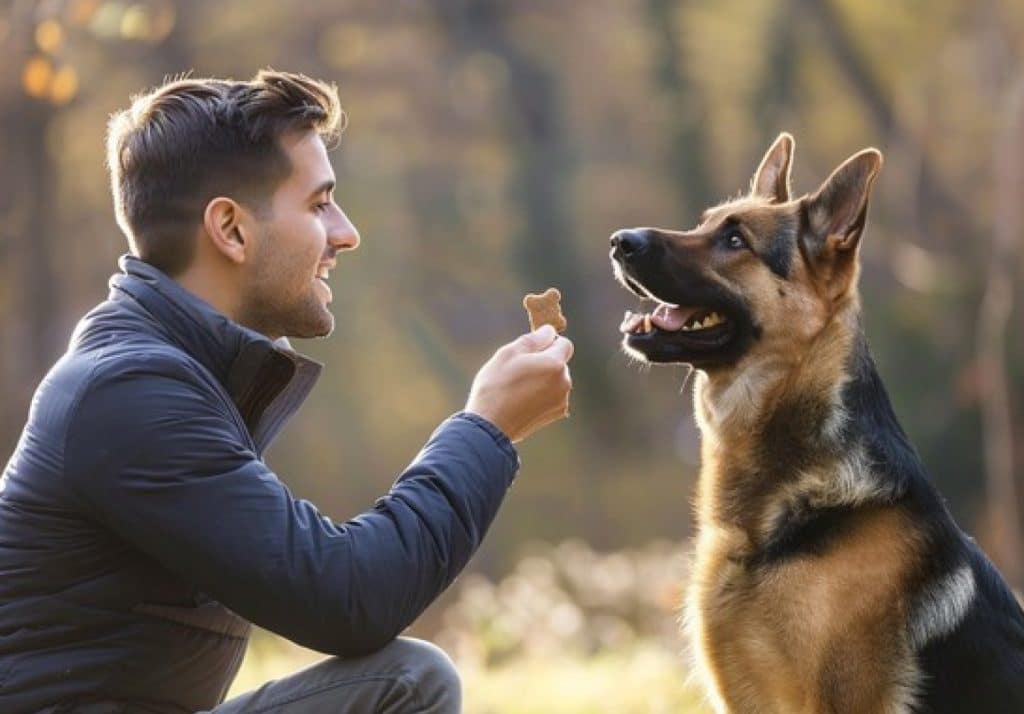
Training a guard dog is about building calm confidence not aggression. Here’s a simple plan to guide you:
- Start Early: Early training lays the foundation for everything. Socialize your pup with different sights, sounds, and people to help them feel secure and confident.
- Focus on Basic Obedience: Commands like “sit,” “stay,” and “come” are the backbone of good behavior. Practice these daily in short, fun sessions with treats and praise.
- Teach Advanced Commands: Once your dog masters the basics, add commands like:
- “Watch” (focus on a person or object)
- “Leave it” (ignore distractions)
- “Quiet” (stop barking on command)
These keep your dog under control when protective instincts kick in.
- Use Real-World Practice: Walk your dog around the yard or neighborhood. Let them get used to strangers and new environments. Teach them to be watchful but calm.
- Encourage Calm Alertness: Guard dog training isn’t about aggression. Reward your dog for staying calm, not for overreacting. Use gentle corrections not harsh punishments.
- Seek Professional Guidance: A professional trainer can show you how to:
- Channel your dog’s instincts safely
- Read their body language
- Avoid mistakes that can make things worse
- Keep Them Busy: Boredom can lead to mischief! Keep your dog’s mind and body active with:
- Long walks
- Puzzle toys
- Jobs like carrying a backpack or helping around the yard
- Stay Consistent: Set clear rules and stick to them. Your dog will learn faster and trust you more.
With the right approach, your guard dog will grow into a loyal protector, calm, balanced, and ready to keep your family safe.
Guard Dog Breeds and Families: Balancing Protection and Play
A guard dog’s job is serious—but they’re still family members first. Many breeds are natural protectors, but they also crave love and playtime. Finding that balance is key!
Family-Friendly Guard Dogs:
- Boxers: Playful, loyal, and great with kids—plus they’ll alert you if someone’s at the door!
- German Shepherds: Smart, trainable, and protective. They love kids and can switch between watchdog and playmate easily.
- Dobermans: Fearless but affectionate. With proper training, they’re sweet family companions who know when to stand guard.
Breeds to Be Cautious With
- Rottweilers: Strong protectors who bond deeply with their family but need early socialization to be gentle at home.
- Belgian Malinois: Super smart and loyal but need an active home. They get bored easily, so exercise and play are a must!
Balancing Guarding and Fun
Here’s how to keep things safe and happy at home:
- Socialize early: Expose your dog to kids, visitors, and other animals in a calm setting.
- Set rules: Clear boundaries teach your dog when to relax and when to be on guard.
- Supervise play: Even the most family-friendly guard dog can get overexcited. Watch interactions with young kids, especially during rough play.
- Give them a job: Guard dogs love tasks. Teaching them to “watch the yard” or carry toys around helps satisfy their instincts in a healthy way.
A balanced guard dog is a family friend first, protector second. When their protective instincts are channeled properly, these dogs can be both playmates and loyal guardians—making your home a safe, happy place for everyone.
How to Choose the Right Guard Dog Breed for You
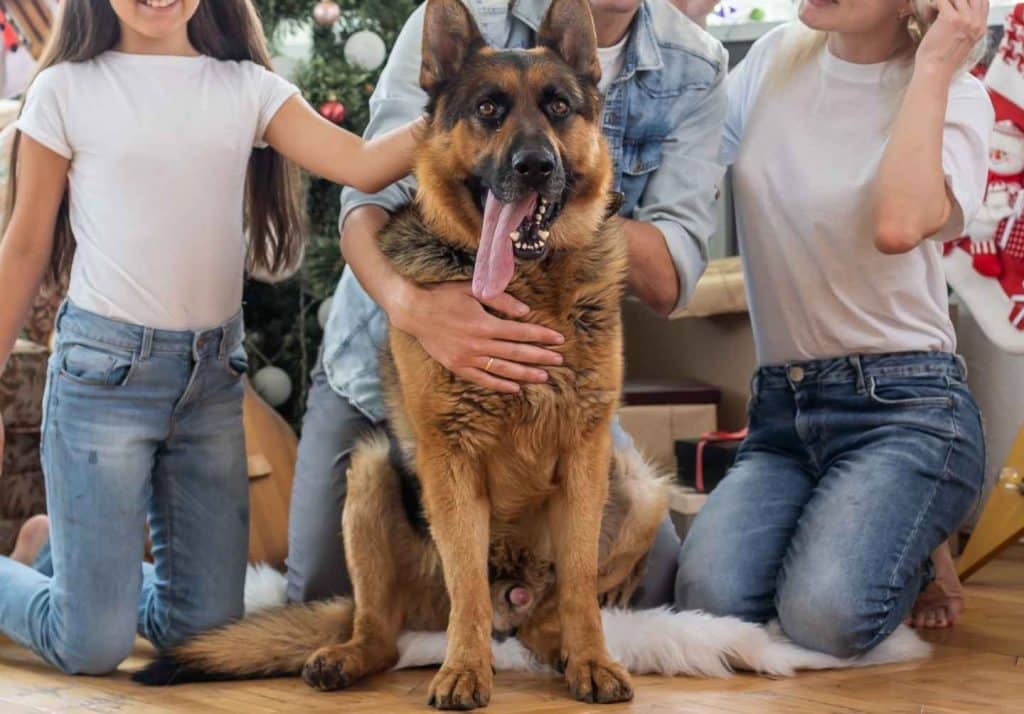
Choosing the perfect guard dog breed is a big decision—it’s not just about looks or reputation. The right breed for you depends on your lifestyle, living space, and experience level. Here’s how to make the best choice:
- Consider Your Home and Family
Do you live in a small apartment or a large house with a yard? Some guard dog breeds, like Rottweilers and German Shepherds, need plenty of room to move. If you have children, make sure the breed you pick has a reputation for being good with kids and has a balanced temperament. - Match Your Activity Level
Guard dog breeds are usually energetic and thrive on exercise and mental challenges. If you’re an active person who enjoys long walks or hikes, breeds like Belgian Malinois or Doberman Pinschers can be a great fit. If you prefer a calmer pace, breeds like Bullmastiffs can offer protection without as much daily activity. - Think About Your Experience
Some guard dogs are easier to train than others. Breeds like German Shepherds are known for being eager to please and quick learners. Others, like Akitas, can be more independent and need an experienced owner who can provide firm, consistent guidance. - Factor in Grooming and Care
Guard dogs come in all shapes and coat types. If you’d rather not deal with shedding, look for breeds with shorter hair or those that don’t shed much. Long-haired breeds, like some shepherds, need more grooming to keep their coats healthy.
5. Assess Your Commitment
Owning a guard dog is a serious responsibility. These dogs need proper training, socialization, and routine health checks. Make sure you’re ready for the commitment to keep them balanced and happy.
Conclusion
Choosing the best guard dog breed is a big decision, but it doesn’t have to be overwhelming. The key is to balance your needs, protection, companionship, and lifestyle while focusing on your future furry friend’s unique traits and care. A well-chosen guard dog isn’t just a security measure. It’s a loyal family member, a playmate, and a devoted friend who will watch over your home and your loved ones.
Don’t forget: proper training, socialization, and ongoing care are essential for any guard dog to thrive. Start with the basics, building trust and confidence through positive reinforcement and you’ll have a dog that can tell the difference between a welcome visitor and an unwelcome intruder.
Every dog is different, even within the same breed. That’s why it’s important to do your research, spend time with your dog, and work closely with your vet or trainer. With the right breed and the right guidance, you’ll have a canine protector that’s always ready to step up when needed and always there to curl up by your side when the day is done.