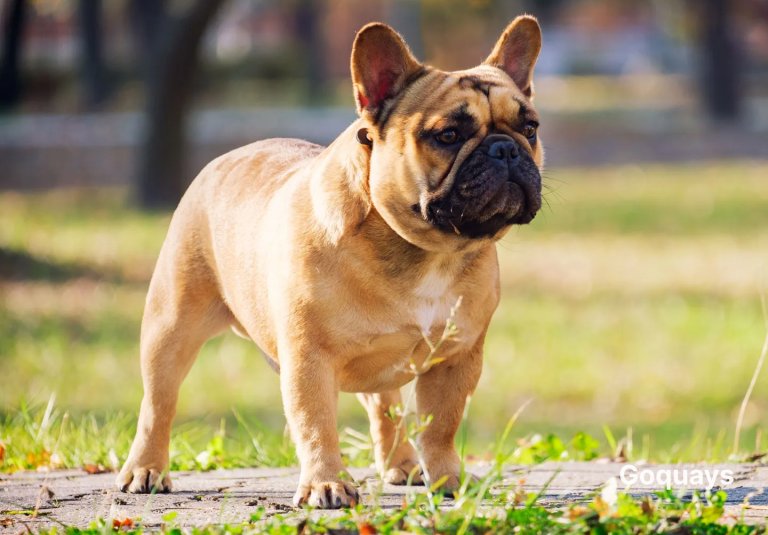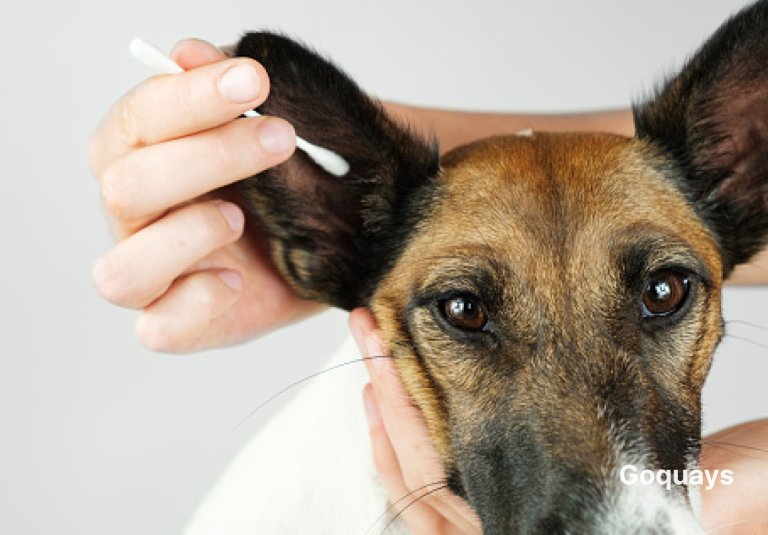




As our beloved dogs grow older, their needs change, they require extra care, regular vet visits, and sometimes specialized treatments. If you have multiple older dogs, managing their healthcare costs can become overwhelming. That’s where multi-pet insurance for elderly pets comes in. At Quays, we recognise the unique care older pets deserve, and our specialised multi-pet insurance helps ensure your beloved pets have the best coverage without putting unnecessary strain on your finances.
Health risks that affect older dogs, the several kinds of coverage that are available, typical health risks, factors that affect insurance for older dogs, and how to select the best policy are all covered in this article. Let’s get started and give you and your elderly family members peace of mind!
We will explore the different aspects of insurance for older dogs. It is important to know that, as our canine friends age, their healthcare needs change, necessitating the consideration of customised insurance options. For households with multiple senior dogs, understanding multi-pet insurance becomes even more important.
When is a Dog Considered “Old”?
Dogs have different life stages just like humans and as they get older, their physical and medical requirements change. However, at what point in time is a dog deemed “old”? A number of variables, such as breed, size, and general health, are considered.
A dog is classified as old based on its breed and size. Generally, smaller breeds like Chihuahuas and Dachshunds enter their senior years around 9-10 years old, while larger breeds like Great Danes and Mastiffs may be considered senior by 6-7 years. Recognizing this transition is vital, as it influences healthcare and insurance considerations. Here are some of the considerations:
Breed and Age Considerations
Not every dog ages at the same pace. Larger breeds age more quickly and attain senior status sooner, while smaller breeds often live longer and age more slowly. Based on breed and size, the following is a basic guide to when a dog is deemed senior:
- Small breeds (such as Pomeranians, Dachshunds, and Chihuahuas) around 9 to 10 years old
- Medium Breeds: (e.g., Border Collies, Cocker Spaniels) around 8 to 9 years old
- Large breeds: such as German Shepherds, Labradors, and Golden Retrievers, around 6 – 7 years old
- Giant breeds, such as Saint Bernard’s and Great Danes: approximately 5 – 6 years old
Because aging is influenced by lifestyle and heredity, some dogs may exhibit symptoms of aging sooner or later than anticipated.
Signs That Your Dog is Getting Older
In addition to age, there are signs to show that your dog is approaching their later years. They may exhibit some physical and behavioural changes. These could include:
- Slower movement and lower energy — Your once-active dog might move less excitedly and take longer sleeps.
- Stiff joints and mobility problems: Joint troubles and arthritis are becoming more prevalent.
- Grey fur and texture changes: Ageing can be evident in greying fur around the muzzle and in changes in coat thickness.
- Alterations in appetite and digestion: Older dogs may need specific diets or have more sensitive stomachs.
- Hearing and vision loss: Older dogs often have diminished senses.
- Changes in behaviour: Cognitive decline may manifest as confusion, anxiety, or irregular sleep patterns.
Why Does Your Dog's Age Matter for Insurance?
Your dog’s age at the point you take out a policy matters because most insurers set upper age limits for new customers, and many exclude conditions that were already present or symptomatic before the policy started. Insuring earlier in a dog’s life, even if you can’t afford full cover right away, tends to lock in better terms before age-related conditions appear.
What Health Risks Are Most Common in Older Dogs?
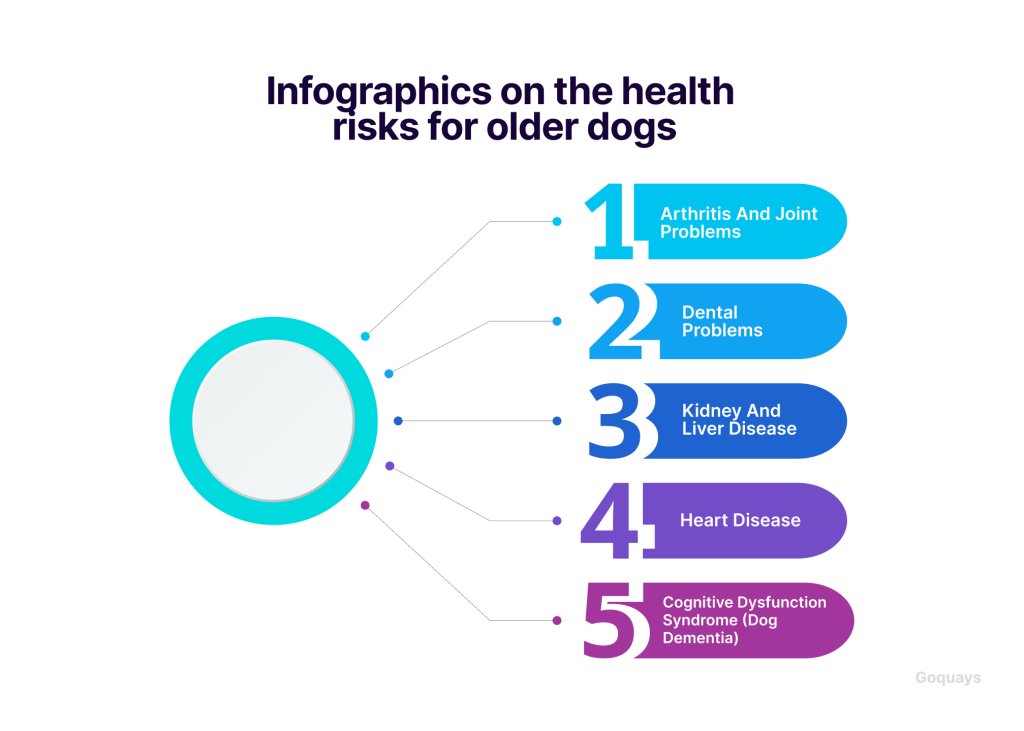
As dogs get older, their bodies begin to change and this can increase their vulnerability to health problems. To preserve their quality of life, elderly dogs need additional care, frequent veterinary examinations, and even specialised treatments, just like human beings. Pet owners can take preventative measures to maintain the happiness and health of their furry friends by being aware of these common health issues.
Arthritis and Joint Problems
Arthritis, a disease that causes inflammation in the joints and results in stiffness, pain, and decreased movement, is one of the most prevalent health issues affecting older dogs. Joint-related problems like hip dysplasia and osteoarthritis are more common in larger breeds, like Labradors, German Shepherds, and Great Danes. Some symptoms of arthritis include; having trouble standing or lying down, not wanting to jump or climb stairs, Limping, and favouring one leg over the other. Multi pet insurance for older dogs can help offset the costs for joint supplements, physiotherapy, arthritis drugs, and even surgery if necessary.
Dental Problems
As dogs age, their dental health usually deteriorates, increasing the risk of infections, gum disease, and tooth decay. Because oral bacteria can enter the bloodstream, poor dental hygiene can exacerbate more serious conditions including heart and renal illness. Some signs of poor dental health include; bad breath which is a sign of gum disease, difficulty in chewing, red or bleeding gums, and missing or loose teeth. Some pet insurance policies cover treatments for dental treatments such as tooth extraction and cleaning.
Kidney and Liver Disease
Kidney or liver issues are more common in older dogs and can be brought on by ageing, genetics, or long-term medication use. Kidney and liver disease symptoms include; increased thirst, frequent urination, weight loss, appetite loss, diarrhea, vomiting, and lethargy. Chronic conditions may require continuous treatment, prescription diets, and medication, all of which can be costly. Multi pet insurance that covers long-term illnesses ensures that your dog gets the necessary care without financial strain.
Heart Disease
Heart issues like congestive heart failure (CHF) are common in older dogs. Symptoms include; persistent coughing, difficulty in breathing, fatigue, and swollen belly due to fluid retention. Having the ideal multi pet insurance ensures that you dogs can get medications and even surgery if required to manage the disease effectively.
Cognitive Dysfunction Syndrome (Dog Dementia)
Some elderly dogs have cognitive impairment, which is comparable to Alzheimer’s in humans. The following are some of the symptoms; disorientation (such as looking at walls or becoming confused in familiar areas), changes in sleep pattern, increased anxiety, clinginess, and forgetting house-training rules.
Although there is no cure for this condition, having insurance can help ameliorate the impact by paying for things like behavioural therapy, supplements and drugs that can help your dogs live better lives.
How Does Multi-Pet Insurance Actually Work for Mixed-Age Households?
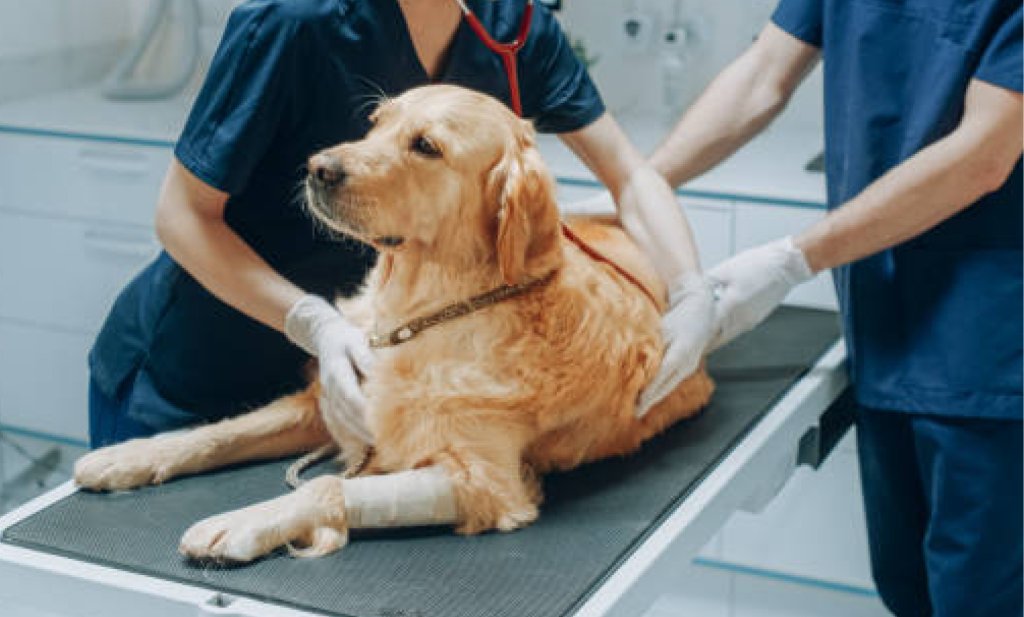
Multi-pet insurance combines cover for several pets under one policy and one bill, but each pet is still individually assessed and priced based on their own age, breed, and health history. Adding an older dog to a multi-pet policy alongside younger pets doesn’t average out the risk. The older dog’s portion of the premium reflects their own likelihood of claims.
That said, multi-pet insurance discounts can knock up to 10% to 15% off combined premiums depending on the provider, offering meaningful savings even when an older dog is included.”Data from Go.Compare highlights that the cost of pet insurance depends entirely on your pet’s age, location, and breed. Rather than paying separate individual premiums, pet owners with multiple animals can often secure multi-pet discounts, which reduce the per-pet coverage rate and lower overall annual costs
- Some providers let you set different cover levels for each pet on the same policy, which matters if your senior dog needs more comprehensive cover than a younger, healthier pet
- Ask whether pre-existing conditions on one pet affect pricing or terms for your other pets. On most policies, they shouldn’t, but it’s worth confirming
- Check whether you can add a newly adopted senior dog to an existing multi-pet policy mid-term, or whether you’ll need to wait for renewal
What Types of Pet Insurance Cover Are Available?
Lifetime policies renew your cover annually and continue covering ongoing conditions year after year, provided you keep renewing without a break. This is generally the best fit for older dogs, since chronic conditions like arthritis or kidney disease need continuous management rather than a one-off payout.
Time-limited policies cover a specific condition for up to 12 months from diagnosis, or until a set payout limit is reached, whichever comes first. Cheaper, but often a poor fit for a senior dog likely to develop a long-term condition.
Maximum benefit policies set a fixed financial limit per condition, with no time limit. Once that limit is reached, the condition is no longer covered, even if the underlying illness continues. This sits between time-limited and lifetime cover in both cost and suitability.
Accident-only policies are the cheapest option but only cover injuries, not illness. Given that most senior dog health issues are illness-related rather than accidents, this is rarely the right choice for an older dog.
Pre-existing condition cover is offered by a small number of specialist providers, usually at a higher premium and with specific limitations. Worth investigating if your dog already has a diagnosed condition and standard policies have excluded it.
What Else Affects the Cost of Insuring an Older Dog?
- Age at enrolment. The older your dog is when you first take out cover, the higher the premium and the more likely certain conditions are excluded as pre-existing.
- Excess and co-payment options. Choosing a higher excess, or agreeing to pay a percentage of each claim yourself, can lower your monthly premium.
- Waiting periods. Most insurers apply a waiting period before cover begins, so avoid letting a policy lapse if your dog is already older, since you may need to serve that waiting period again elsewhere.
- Breed-specific risk. Breeds prone to hereditary conditions, hip dysplasia in larger breeds, for example, often carry higher premiums regardless of age.
This article is general guidance, not financial advice specific to your situation. Since policy terms and pricing vary significantly between providers, it’s worth comparing multi-pet insurance providers directly before deciding, and reading each provider’s policy documents in full.
What’s Next
If you’re insuring an older dog for the first time, get quotes before assuming cost will be prohibitive, and ask each provider directly how they handle mixed-age multi-pet policies. If budget is the main concern, our guide on finding cheaper dog insurance covers practical ways to bring the cost down without dropping to accident-only cover.
Finding Affordable Multi Pet Insurance Cover
When shopping for insurance for your older dogs, it is important to start early and choose affordable dog insurance. Insuring your dogs before they reach a certain age will offer better coverage. Also compare providers as they have varying limits, exclusions and pricing. Quays offers affordable and reliable multi pet insurance for your older dogs, guaranteeing your peace of mind and the health of pets.
In conclusion, the specific health demands of older dogs must be carefully considered when navigating multi-pet insurance. You must ensure that your older pets have the protection they need by knowing when a dog is deemed senior, identifying health risks, investigating different coverage options, identifying variables that affect insurance, and carefully comparing plans.
Conclusion
Insuring an older dog, whether on their own or alongside younger pets, comes down to matching the right policy type to their actual health risks rather than just chasing the lowest premium. Lifetime cover, honest comparison between providers, and insuring earlier rather than later all make a real difference to what you’re covered for when it matters.