

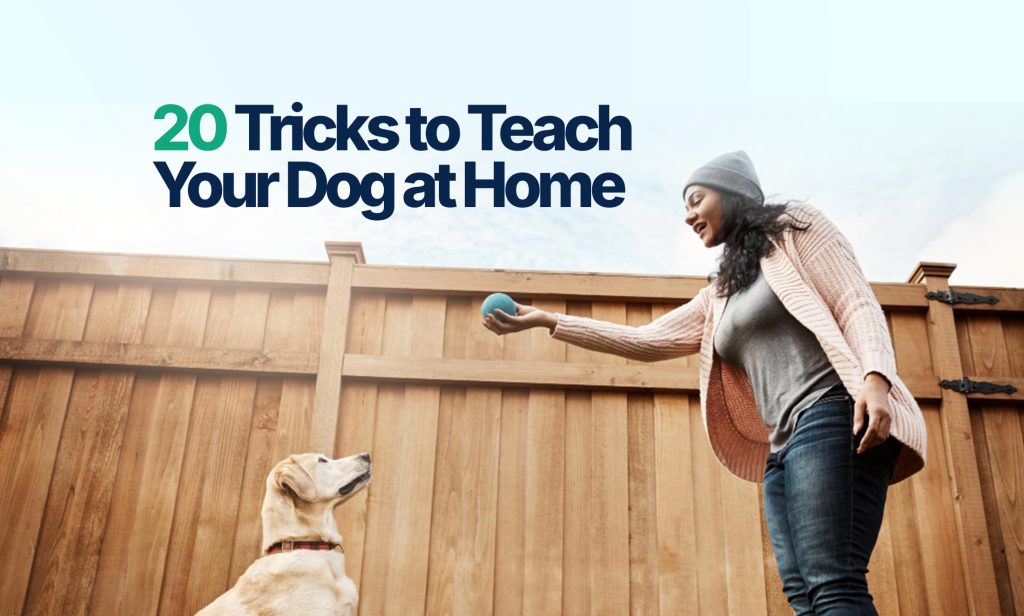
Looking for easy tricks to teach your dog at home? Teaching your dog new tricks does more than impress your friends. It builds trust, sharpens focus, and strengthens your bond. If you’re searching for fun and effective tricks to teach your dog, you’re in the right place.
Research shows that mental stimulation can reduce behavioural issues in dogs by up to 90%. That means training isn’t just fun. It helps your dog stay calm, focused, and happy. Dogs thrive on routine and love learning something new with you.
According to veterinary behaviourist Dr. Ian Dunbar, “Training a dog is not a luxury. It’s a key part of responsible care.” That quote says it all. Simple training sessions can improve behaviour and create a deeper connection between you and your dog.
You don’t need expensive equipment or hours of free time. With consistency, patience, and a few treats, your dog can learn many amazing tricks at home. Start with the basics, then move to playful, practical, and even impressive ones. The best part? You’ll enjoy the process just as much as your dog will.
In this guide, you’ll learn 20 easy tricks to teach your dog. Whether you’re training a playful pup or a senior dog, there’s something here for every skill level. From sit and stay to spin and hug, these tricks are both fun and useful in everyday life.
Let’s dive in and turn training into a rewarding part of your daily routine.
Basic Tricks to Teach Your Dog First
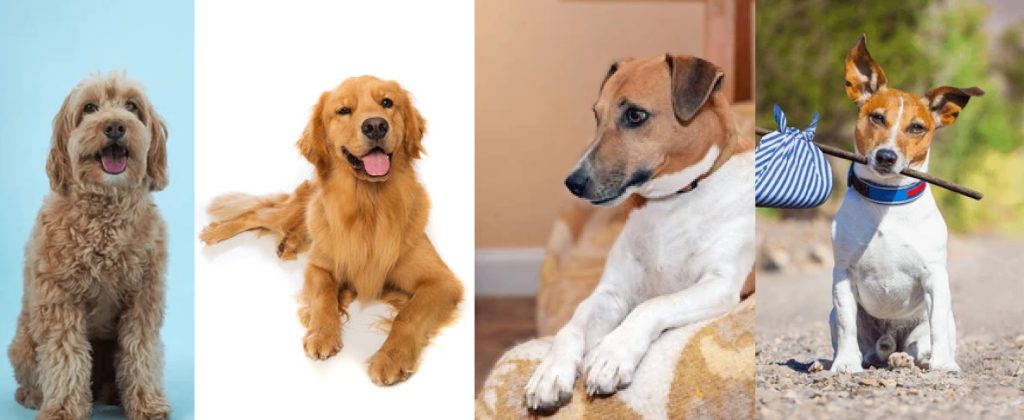
Before jumping into fancy tricks, you need to build a strong foundation. These basic tricks are the first steps to a well-trained dog. They’re simple to teach, easy to remember, and useful in everyday life.
- Sit: Teaching your dog to sit helps calm their energy and get their attention. Hold a treat close to their nose, then move your hand upward. As their head follows the treat, their bottom will naturally lower. The moment they sit, say “Sit” and reward them. Repeat daily until it becomes second nature.
- Stay: “Stay” keeps your dog in place, which is vital for safety. Start by asking them to sit. Show your palm and say “Stay.” Take one step back. If they hold the position, reward them. Gradually increase the distance and time. Consistency and patience are key to mastering this command.
- Come: Use “Come” to call your dog back, especially off-leash. Begin in a quiet area. Squat to their level, open your arms, and say “Come” with a cheerful tone. Reward them the second they reach you. Always make coming to you a positive experience.
- Down: “Down” helps calm a dog and is great in busy places. Ask them to sit, then lower a treat to the floor. Slide it forward between their paws. As they lie down, say “Down” and give the treat. Keep sessions short and positive.
- Leave It: “Leave it” stops your dog from grabbing harmful things. Hold a treat in your hand and close it. When your dog stops trying to get it and looks away, say “Leave it” and give a different treat. Practice with items on the ground and praise every correct decision.
Fun and Simple Tricks to Teach Your Dog
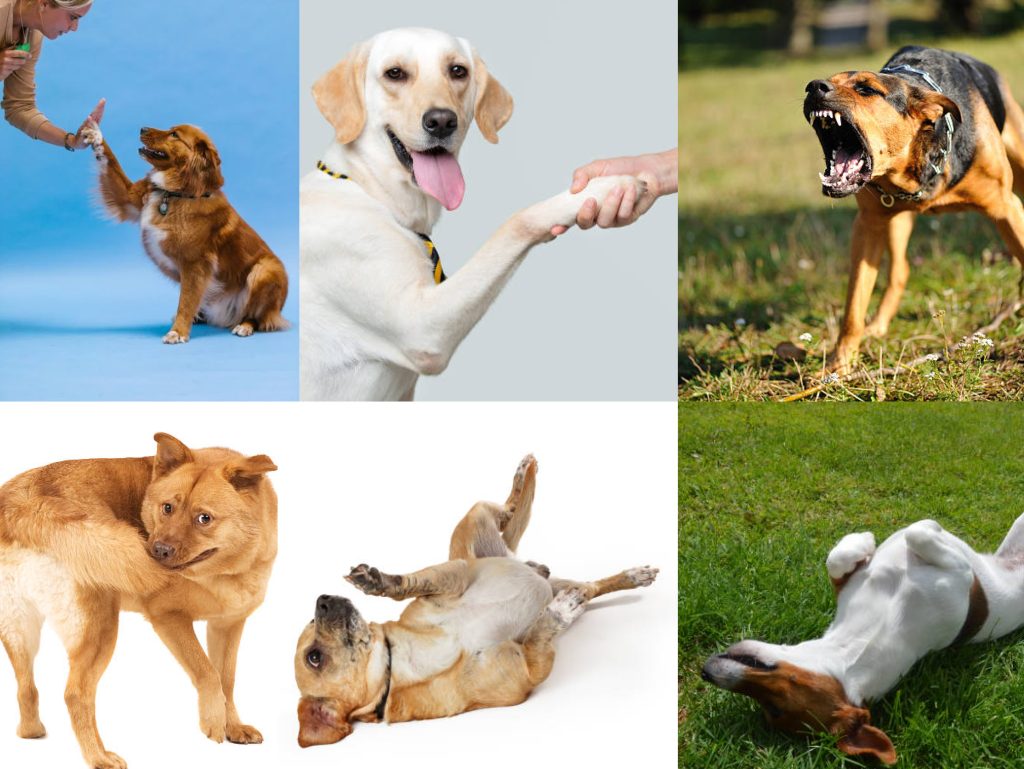
Once your dog has mastered the basics, it’s time to add fun into training. These simple tricks boost your dog’s confidence, improve focus, and keep them mentally active.
- Shake Paws: Start with your dog in a sitting position. Hold a treat in your hand and let your dog sniff it. Say “Shake” and gently lift one paw. Praise and reward immediately. Practice until they offer the paw on their own.
- High Five: Once your dog knows how to shake, teaching high five becomes easier. Hold your palm out just above their paw level. Say “High five” and wait for a response. Tap their paw gently if needed. Reward and repeat. Over time, your dog will raise the paw to meet your hand.
- Speak: Teaching your dog to bark on command helps control excessive barking. Wait until they bark naturally, then say “Speak” and reward. Eventually, they’ll link the word to the action. Always pair this with teaching “Quiet” to manage noise properly.
- Roll Over: Ask your dog to lie down. Hold a treat near their nose and move it slowly over their shoulder. As they follow it, their body will roll. Say “Roll over” and reward. It may take several tries, but with repetition, they’ll get it.
- Spin: Hold a treat near your dog’s nose and slowly guide it in a circle. Say “Spin” as they turn. When they complete the circle, give the treat. Practice in both directions to balance their movement.
6. Play Dead: Have your dog lie down. Hold a treat near their head and move it to their side. As they roll onto their side, say “Bang” or “Play dead.” Use a dramatic hand signal for fun. Reward when they stay in position. This trick is perfect for show-offs.
Unique Tricks to Teach Your Dog to Impress Friends
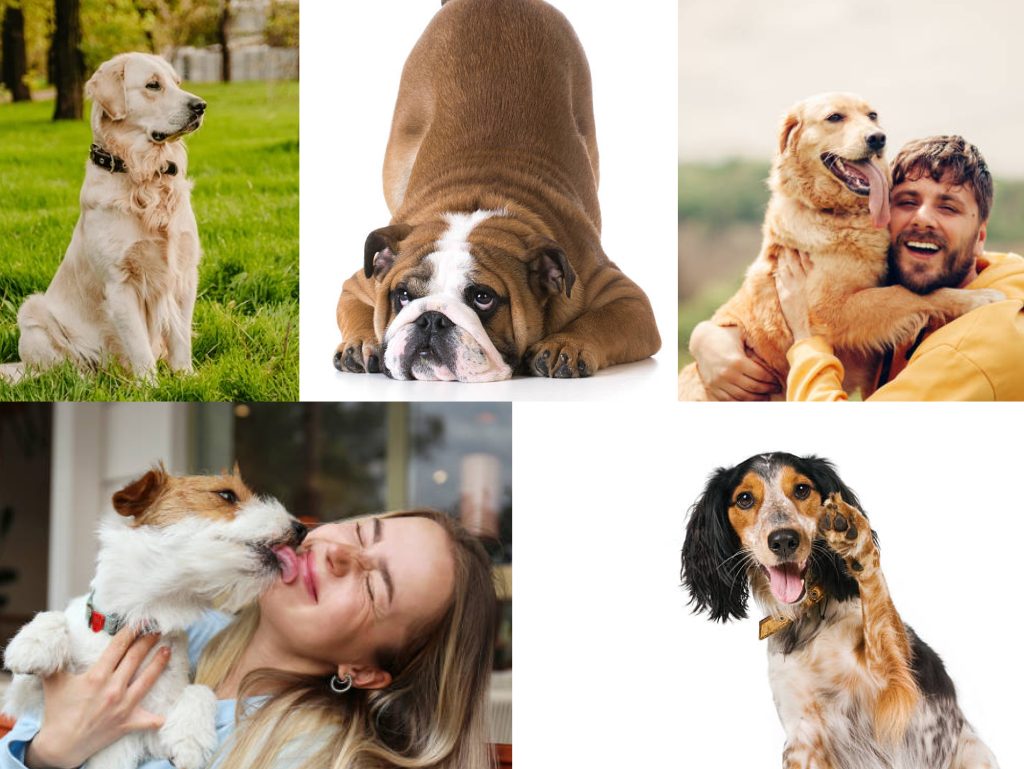
Once your dog has nailed the fun basics, it’s time to teach a few tricks that really stand out. These are perfect for parties, family gatherings, or social media. They’re playful, entertaining, and great for showing off your dog’s personality.
- Sit Pretty: This adorable trick involves your dog sitting upright with front paws off the ground. Start with a “Sit” command. Hold a treat above their head and slowly lift it higher until they raise their paws. Say “Sit pretty” and reward.
- Take a Bow: Use this to signal the end of a performance or just for fun. Begin with your dog standing. Hold a treat at nose level, then lower it between their front paws. As they lower their chest and keep the rear up, say “Take a bow.” Reward immediately. It’s a natural movement after play, so practice right after games for quicker learning.
- Hug: Have your dog sit in front of you. Hold a treat behind your neck or shoulder. As they reach forward, gently guide their front paws onto your shoulders. Say “Hug” and reward. Use a calm tone and be sure your dog is comfortable with contact.
- Give a Kiss: This simple trick is all about cuteness. Dab a small bit of peanut butter on your cheek or hold a treat beside your face. Say “Kiss” and reward them for licking your cheek. Keep it gentle and fun. Over time, your dog will respond to the command alone.
- Wave: This trick is a twist on “Shake.” Ask your dog to sit. When they raise a paw, pull your hand back slightly. Say “Wave” and reward. Practice until they lift the paw on command without touching your hand.
Practical Tricks to Teach Your Dog for Everyday Life
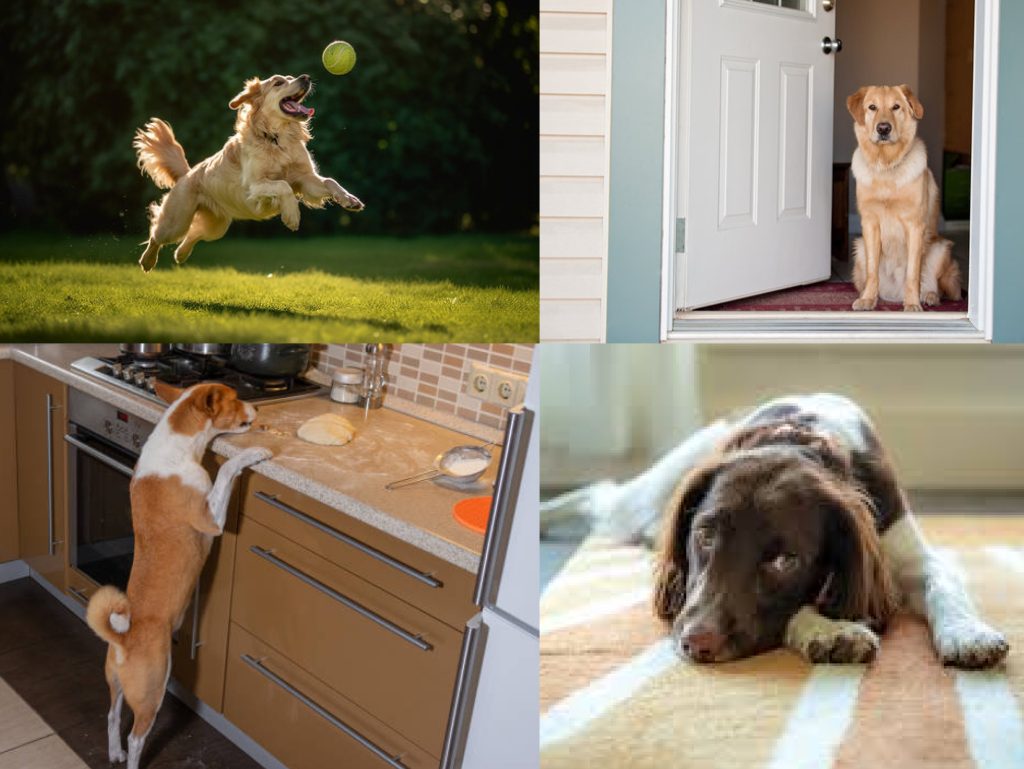
Not every trick is just for fun. Some can make your daily routine smoother and improve your dog’s behaviour at home or outdoors.
- Fetch: Fetch is more than a game. It teaches focus, recall, and exercise. Start by tossing a favourite toy a short distance. When your dog picks it up, say “Fetch” and encourage them to return. Use a second toy or treat to trade for the first one. Reward each time they bring it back.
- Place Command: This trick sends your dog to a specific spot like a mat or bed. It helps during meals, doorbells, or when guests visit. Point to the mat and say “Place.” Lure with a treat until your dog steps on it. Once all four paws are on, say “Yes” or click and reward.
- Wait: “Wait” is different from “Stay.” It’s useful when you need your dog to pause briefly, like before crossing a street or exiting the car. Hold up your hand like a stop sign and say “Wait.” Use a leash for control. Release with “OK” and reward. Practice at doors, curbs, or during mealtimes to build strong impulse control.
- Eye Contact: Teaching your dog to look at you improves focus and strengthens your bond. Hold a treat between your eyes and wait. The moment your dog makes eye contact, say “Yes” and reward. Use the cue “Look at me” or “Watch.” It’s helpful during distractions, training, or when you need their attention fast.
5. Back Up: “Back up” teaches body awareness and gives your dog space from crowded spots or doorways. Stand in front of them and take a step forward. Most dogs will step back naturally. Say “Back up” as they move. Reward after each step.
Best Tricks to Teach Your Dog Indoors vs Outdoors
Some dog tricks work better indoors while others need more space and stimulation. Knowing where to train makes the process easier and more effective. Use your environment to your advantage and match each trick to the right setting.
Best Tricks to Teach Indoors
Indoor training helps eliminate distractions and keeps your dog focused. These tricks require minimal space and are perfect for rainy days or quiet evenings.
- Sit, Stay, and Down – Basic obedience is best taught in a quiet room.
- Shake Paws and High Five – Great for practicing near the sofa or in the hallway.
- Speak and Kiss – Quiet spaces help your dog connect actions with verbal cues.
- Spin and Roll Over – Use soft floors or a carpet to avoid injuries.
- Hug and Wave – Calm environments help your dog concentrate and follow hand signals.
Best Tricks to Teach Outdoors
Outdoor training adds excitement, space, and natural distractions. It’s perfect for energetic dogs who love movement.
- Fetch – Parks and open fields give your dog plenty of room to run.
- Jump Through a Hoop – Large yards or quiet outdoor areas work best for jump training.
- Take a Bow and Stand – These look great in the park and impress others.
- Come and Leave It – Real-world distractions make these commands stronger.
- Back Up and Place – Useful during outdoor walks or crowded spaces.
Whether indoors or outdoors, make sure your training sessions are fun, safe, and rewarding. Use treats, praise, and clear cues to encourage progress. Rotate locations to help your dog generalise each trick and respond in any environment.
Tips to Make Tricks Easier to Teach Your Dog
Teaching tricks to your dog takes patience, consistency, and the right mindset. These tips will help you make each session more enjoyable and successful for both of you.
- Keep Training Sessions Short
Dogs learn best in short bursts. Aim for 5 to 10 minutes per session. Long sessions can cause frustration or boredom. If your dog seems tired or distracted, take a break and try again later.
- Use High-Value Treats
Use treats your dog loves and doesn’t get often. Cheese, chicken, or store-bought training treats work well. Give rewards immediately after the right action so your dog links the treat to the trick.
- Be Consistent with Cues
Use the same words and gestures every time. If you say “Spin” one day and “Turn” the next, your dog may get confused. Stick to simple, clear commands and repeat them the same way each time.
- Celebrate Every Success
Praise your dog even for small progress. A happy tone, a treat, or a belly rub can go a long way. Positive reinforcement builds confidence and makes your dog eager to learn more.
- Train in Distraction-Free Zones First
Start indoors or in a quiet backyard before moving to busy parks or noisy streets. Once your dog knows a trick well, slowly increase distractions to help them stay focused.
- Practice Often, but Don’t Rush
Repeat tricks daily, but don’t expect perfection immediately. Some dogs learn fast, others take time. Stay patient and encouraging.
Final Thoughts
Teaching tricks to your dog is more than just showing off. It’s one of the best ways to build trust, improve communication, and create lasting memories. Every trick you teach helps your dog understand you better and gives them a sense of purpose.
Training your dog doesn’t have to be perfect. What matters most is the time you spend together and the fun you both have. Whether you’re working on basic obedience or playful tricks like “wave” or “hug,” your dog gets to use their brain, burn energy, and feel proud of their progress.
Use training time as an opportunity to strengthen your bond. Celebrate small wins, laugh through the mistakes, and enjoy the journey. Dogs love to learn when they feel safe, happy, and loved. And when they succeed, they light up with excitement.
You don’t need fancy tools or endless hours. Just a little consistency, patience, and lots of love will take you far. So grab your treats, clear some space, and start teaching new tricks to your dog today. The rewards are bigger than the tricks, they’re found in the connection you build along the way.