

Dog dental care isn’t just a luxury, it’s essential. Many owners forget that healthy teeth and gums are just as important for dogs as they are for us. Overlooking dental care can lead to pain, infections, and health problems that go far beyond your dog’s mouth.
Plaque, tartar, and gum disease are more common than you might think. If you’ve noticed bad breath or yellow teeth, that’s your first warning sign. And it doesn’t end there. Poor dental care can lead to bigger problems like heart disease and kidney damage.
The good news? Most of these issues are preventable. With the right care, your dog’s teeth can stay clean and healthy for years. But too many dog owners make the same mistakes, skipping brushing, using the wrong products, or assuming dental chews alone are enough.
Dental care isn’t complicated, but it does take consistency and the right approach. It’s about daily habits like brushing your dog’s teeth, choosing the right chew toys, and paying attention to warning signs. It’s about knowing that bad breath isn’t just a normal dog smell, it could be a cry for help.
In this guide, we’ll break down the ten biggest mistakes dog owners make when it comes to dental care. You’ll learn why these missteps can be harmful and, more importantly, how to fix them. From the dangers of using human toothpaste to why your dog’s breed matters, we’ll cover the essentials to keep your dog’s smile bright.
So, if you’re ready to protect your dog’s health and avoid those common dental care pitfalls, let’s get started. Your dog deserves a clean, healthy mouth and together, we’ll make it happen.
10 Dog Dental Care Mistakes to Avoid
- Skipping Regular Brushing: Brushing your dog’s teeth isn’t optional. Plaque builds up fast and can lead to gum disease and pain. Even if your dog resists at first, don’t give up. Gentle brushing a few times a week makes a huge difference.
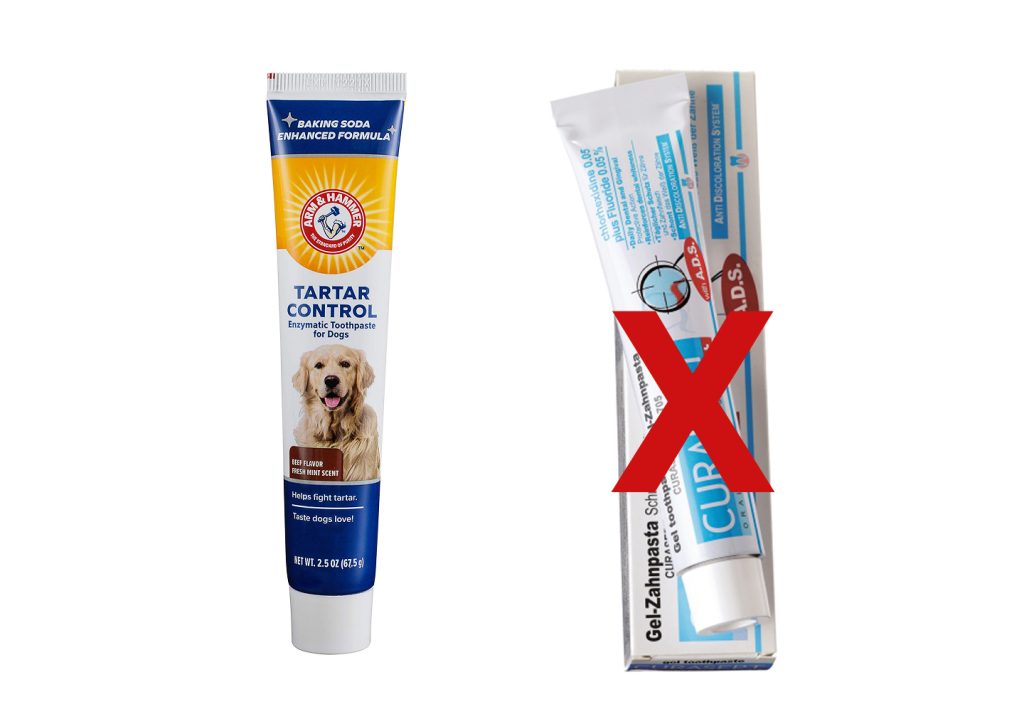
- Using Human Toothpaste: Human toothpaste isn’t safe for dogs. It can upset their stomach or even be toxic. Always use toothpaste made for dogs. It’s safe to swallow and has tasty flavours to make brushing easier.
- Starting Dental Care Too Late: Puppies should get used to dental care early. Older dogs can learn, but it’s harder. Start dental routines as soon as possible, so it becomes a lifestyle.
- Ignoring Bad Breath: Bad breath isn’t normal. It’s usually a sign of gum disease or other dental issues. If your dog’s breath smells, check their teeth and see a vet if needed.
- Giving the Wrong Chew Toys: Not all chew toys are safe. Hard bones or antlers can crack teeth. Use vet-approved dental chews that clean teeth without causing damage.
- Skipping Professional Cleanings: Brushing helps, but it can’t do it all. Professional cleanings remove plaque you can’t see. Ask your vet how often your dog should have them.
- Overlooking the Dog’s Diet: Food impacts dental health. Dry food or dental diets can help reduce plaque. Avoid sticky treats and give crunchy ones instead.
- Not Watching for Signs of Trouble: Red gums, loose teeth, or drooling can mean dental issues. Catching problems early prevents pain and bigger vet bills.
- Forgetting to Hydrate: Water washes away food particles and keeps the mouth healthy. Make sure your dog drinks enough every day.
10. Being Inconsistent: Dental care needs to be part of daily life. Skipping days or weeks lets plaque build up.
How to Correct These Mistakes for a Healthy Smile
The good news? It’s never too late to make changes that boost your dog’s dental health. Correcting these mistakes doesn’t have to be complicated.
Start by making brushing a daily habit. Use a dog-friendly toothpaste and a soft brush. Even a few seconds of brushing can make a difference.
Switch to vet-approved dental chews and toys. They’re designed to clean teeth while being safe. Ditch the hard bones and antlers that could crack teeth.
Schedule a professional cleaning with your vet if you haven’t in a while. They’ll remove plaque and tartar you can’t tackle at home.
Pay close attention to what your dog eats. Choose foods that support dental health and avoid sticky, sugary treats. Crunchy kibble or dental diets help scrub teeth while your dog chews.
Watch for signs like bad breath, red gums, or changes in eating habits. Early action can prevent bigger problems.
Always provide fresh water. It helps rinse away food bits and keeps your dog’s mouth healthy.
Most importantly, stay consistent. Dental care should be part of your daily routine, like feeding or walking. Small efforts every day lead to a cleaner, healthier smile and a happier dog.
Why is Dog Dental Care Important?
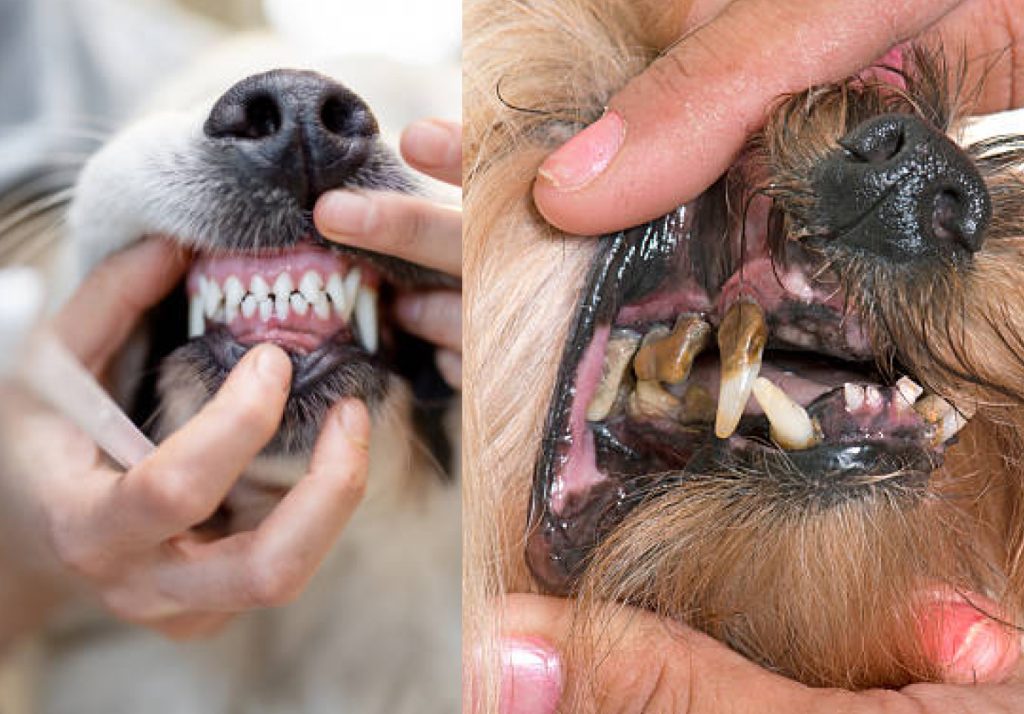
Dental care is more than just fresh breath. It’s a vital part of your dog’s overall health. Poor dental hygiene can lead to plaque buildup, gum disease, and even tooth loss. But it doesn’t stop there, bad dental health can impact your dog’s entire body. Bacteria from infected gums can enter the bloodstream, causing heart, kidney, or liver problems.
Caring for your dog’s teeth means you’re giving them the best shot at a long, healthy life. When teeth and gums are clean, your dog eats better, plays more comfortably, and stays happier overall. Plus, regular brushing can save you from expensive vet visits down the road.
Even if your dog seems fine, dental disease often starts quietly. Plaque turns into hard tartar that irritates the gums. That’s when bacteria set in, leading to redness, bleeding, and bad breath. Left unchecked, your dog could lose teeth or develop painful infections.
Luckily, most dental issues are preventable. All it takes is a few minutes of daily care and a watchful eye for early signs. Start brushing as soon as possible, puppies and older dogs can both learn to enjoy it. And remember, dental chews and diet play a big part, too.
A healthy smile isn’t just for show, it’s a sign your dog is feeling their best. So don’t skip those brushing sessions! Your dog will thank you with tail wags, kisses, and a lifetime of healthy adventures.
How to Brush Your Dog’s Teeth
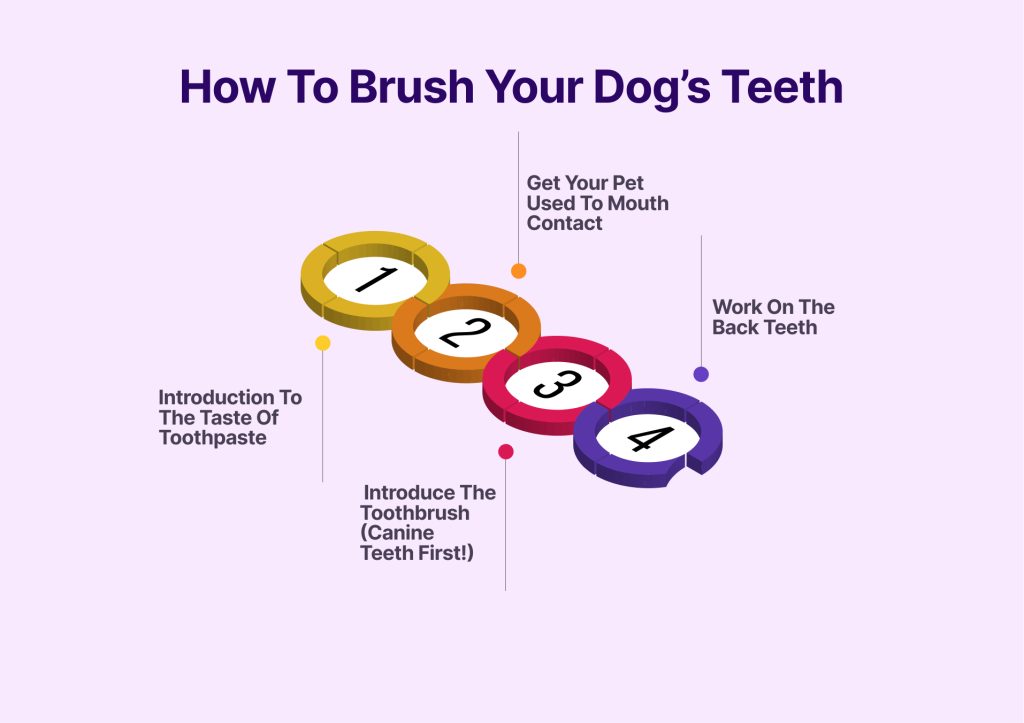
Brushing your dog’s teeth might seem tricky at first, but with patience and a positive approach, it can become a fun and rewarding daily habit for both of you. Regular brushing is the best way to prevent dental disease and keep your dog’s mouth healthy. Here’s a simple, step-by-step guide to follow
- Introduction to the taste of toothpaste: Start by letting your dog taste dog-friendly toothpaste. These come in flavors like chicken, beef, or even peanut butter, something your pup will love! Let them lick a small amount from your finger to show that brushing can be tasty, not scary.
- Get your pet used to mouth contact: Before using a brush, help your dog get comfortable with having their mouth handled. Gently lift their lips, massage their gums, and touch their teeth with your finger. Keep sessions short and calm, and reward your dog with a treat or praise to build trust and confidence.
- Introduce the toothbrush (canine teeth first!): Once your dog is used to the sensation, switch to a soft-bristled dog toothbrush or finger brush. Start with the big canine teeth, using gentle circular motions to clean them. Take it slow, speaking softly and offering treats to make it a positive experience.
- Work on the back teeth: Move to the back teeth once your dog is relaxed. These teeth collect the most plaque, so focus on brushing each surface. Adjust your angle to get every side, even those tricky spots near the gums.
Finish by brushing all teeth: End by brushing the front teeth and along the gum line. Short, consistent sessions work best, aim for one minute to start. As your dog gets used to it, you can extend the time and cover every tooth thoroughly.
Choosing the Right Dental Tools for Your Dog
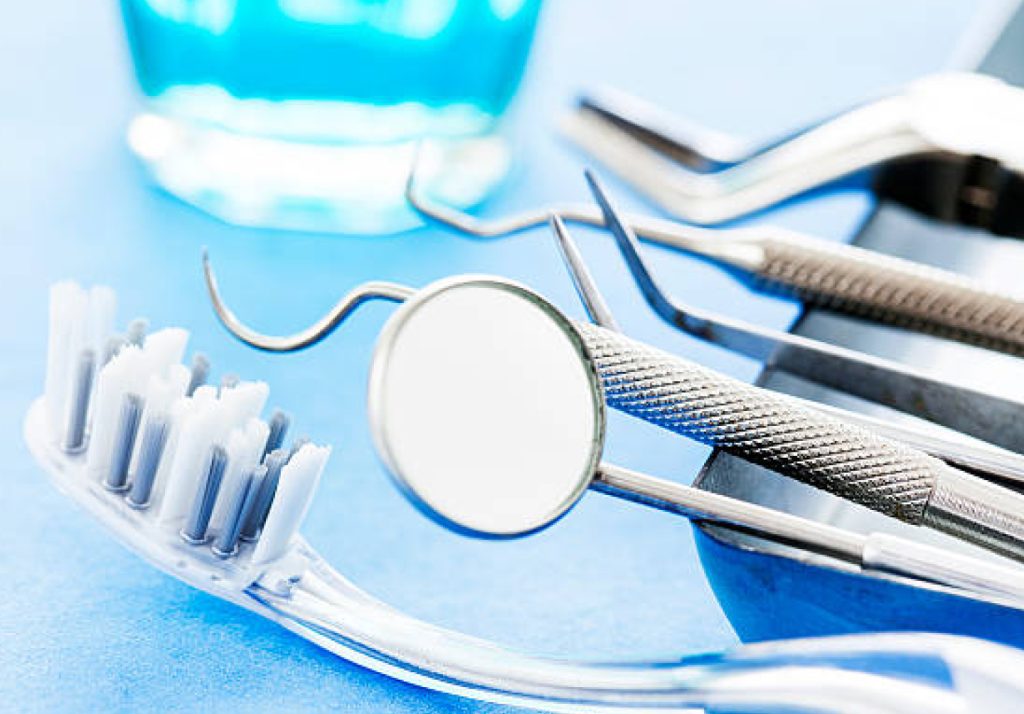
Keeping your dog’s teeth healthy starts with the right tools. A soft-bristled toothbrush is essential. Look for one designed for dogs, these have angled heads and gentle bristles to protect gums. Finger brushes are great, too, especially for smaller dogs or puppies.
Toothpaste is next. Never use human toothpaste, it contains ingredients that can make your dog sick. Choose a dog-friendly toothpaste in flavors like chicken or beef. These tasty pastes turn brushing into a treat, making your dog more willing to cooperate.
Dental wipes are a good backup for quick cleanings. They’re easier to use if your dog is shy about brushes. Dental gels and water additives also help fight plaque and freshen breath. While not a replacement for brushing, they’re a great extra tool in your kit.
Chew toys can also help. Choose vet-approved dental chews that gently scrub teeth as your dog gnaws. Avoid super-hard items that could crack teeth.
Remember, start slow. Let your dog sniff and taste each tool before you begin. Take short sessions at first, just a minute or two. Keep it positive, with praise and treats.
Over time, your dog will learn that brushing isn’t scary. It’s just another part of their daily routine. Investing in the right tools, soft brushes, tasty toothpaste, and safe dental chews makes it easier for you and your pup. A little effort each day keeps those pearly whites healthy and pain-free!
What Are the Signs of Dental Disease?
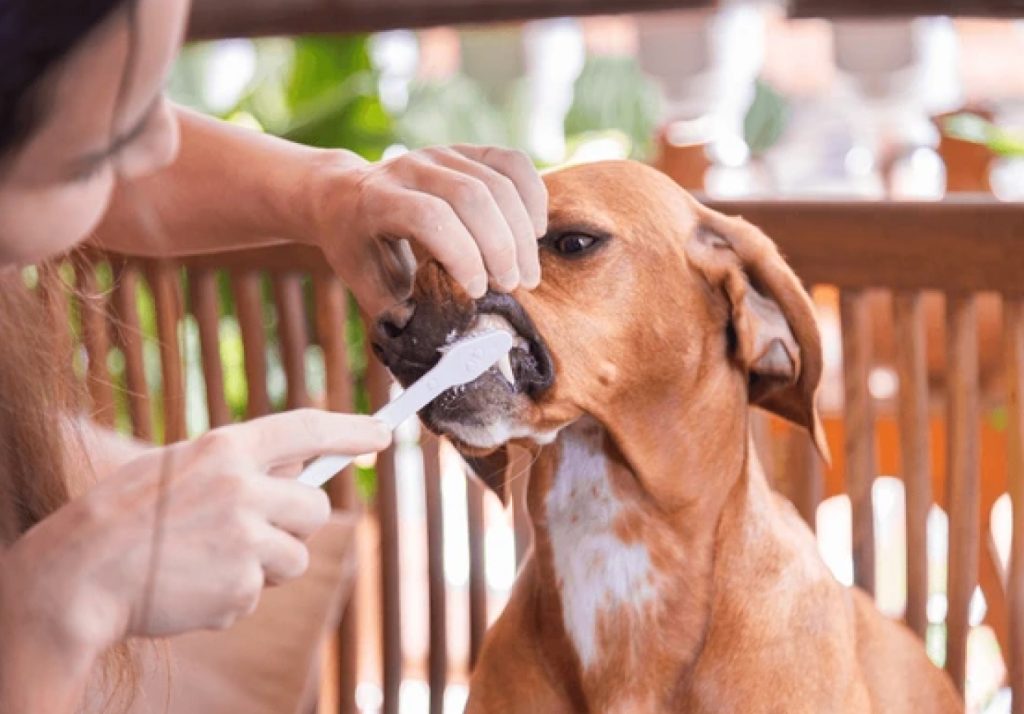
Dental disease can sneak up on your dog. The early signs might seem minor, things you could easily overlook but they can quickly turn into bigger problems if ignored. Paying attention to these subtle hints can make all the difference.
- Fractured teeth
Broken or cracked teeth are one of the most obvious red flags. They can happen from chewing hard objects like bones or sticks. These fractures are painful and can become infected if not treated. A dog with a broken tooth might avoid chewing on one side or act sensitive when you touch their mouth. - Gum redness and swelling
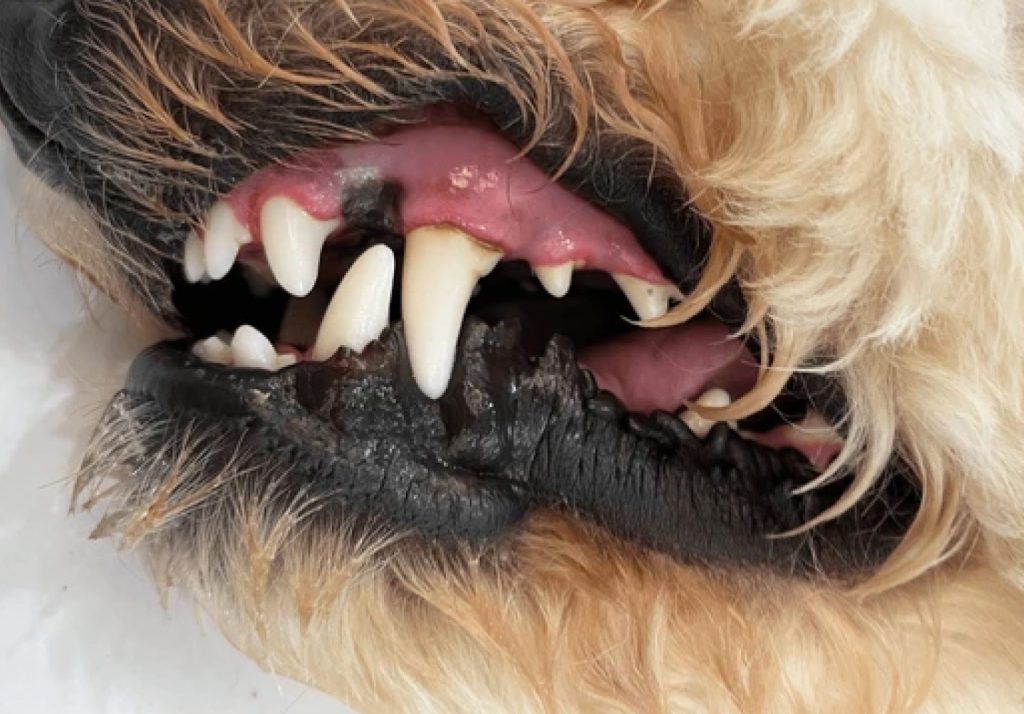
Healthy gums should be a nice, bubble-gum pink. If you see red, swollen gums, that’s a clear sign of irritation or infection. Inflammation can lead to gum disease, which affects the teeth and can even spread to other parts of the body if left untreated. - Excessive drooling
Some drooling is normal, especially in breeds prone to slobber. But if your dog starts drooling more than usual, it could mean dental pain. Trouble chewing or keeping their mouth closed comfortably are also clues.
Other signs to watch for include bad breath beyond the normal “doggy breath” smell, plus reluctance to eat, dropping food while eating, or even pawing at the mouth. Dogs can’t tell us when they’re in pain, so these signs are their way of saying something’s wrong.
If you notice any of these signs, don’t wait. Schedule a vet checkup to find out what’s going on. Early treatment can stop dental disease in its tracks and save your dog from a lot of unnecessary discomfort. Your dog will thank you for keeping their mouth healthy and pain-free!
Healthy Diet for Dogs and Dental Care
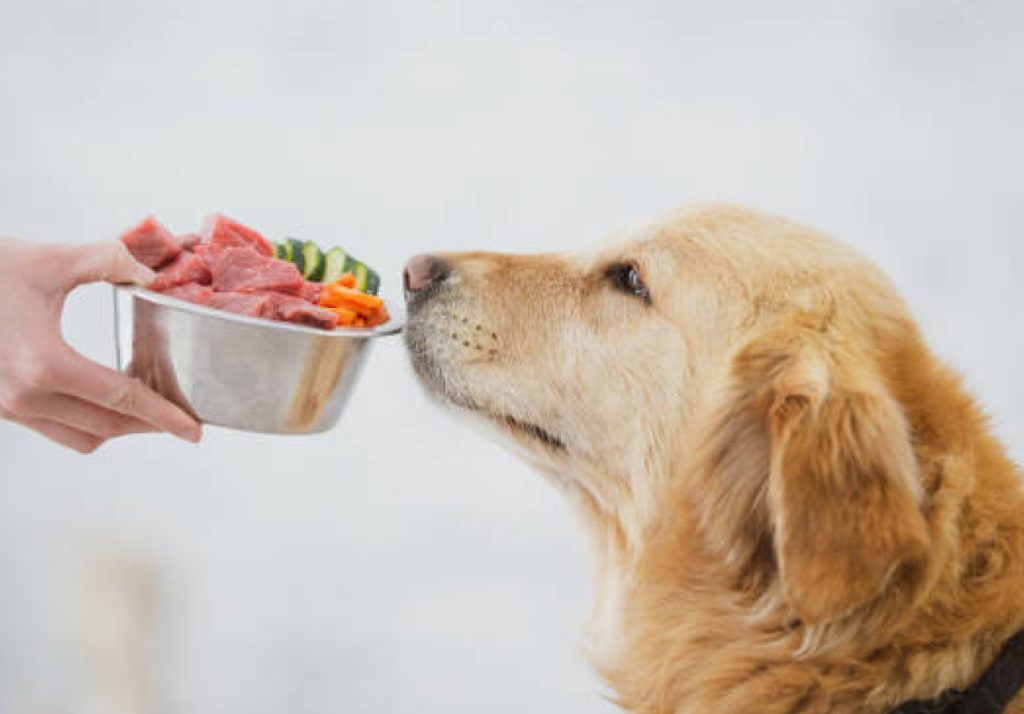
A good diet does more than give your dog a shiny coat, it’s essential for healthy teeth, too! Crunchy kibble is a simple tool to help scrape plaque from teeth as your dog chews. Dental chews and raw meaty bones do double duty: they satisfy your pup’s chewing instincts while gently rubbing away buildup on teeth.
Avoid sticky treats or sugary snacks. They cling to teeth and feed the bacteria that cause dental disease. Instead, reach for dental-specific chews or treats approved by your vet. These products are designed to help reduce plaque and keep your dog’s mouth cleaner between brushings.
Supplements can also help. Water additives or dental powders work by fighting bacteria in the mouth and freshening breath. They’re easy to add to your dog’s routine just a sprinkle on their food or a splash in their water bowl can make a difference.
But remember, no treat or supplement replaces brushing. It’s best to see these as helpful extras, not substitutes for a good brushing routine. Regular brushing, combined with smart diet choices, is the foundation of good dog dental care. Keep your dog’s diet balanced and tooth-friendly, and you’ll help them stay healthier and happier for years to come!
Dental Cleaning Without Anesthesia: Pros and Cons
Anesthesia-free dental cleaning has become popular for dogs, especially for pet owners who worry about the risks of anesthesia. Let’s look at what this means and whether it’s right for your dog.
The Pros:
Anesthesia-free cleaning avoids the stress of sedation, making it appealing for older dogs or those with health concerns. Dogs stay awake and don’t experience the groggy after-effects of anesthesia. It’s often quicker and can be more affordable than a full dental procedure.
The Cons:
The biggest drawback? It only cleans the surface of the teeth. Without anesthesia, the vet or groomer can’t clean under the gums, where plaque and bacteria can do the most damage. It also doesn’t allow for thorough dental exams or X-rays, so hidden problems might go untreated.
For some dogs, it’s a great option for mild tartar buildup or as a temporary fix between professional cleanings. But for dogs with signs of dental disease like gum redness, bad breath, or loose teeth, anesthesia-free cleaning may not be enough. These dogs often need a complete cleaning under anesthesia to prevent serious infections.
What’s the Best Choice?
Talk to your vet. They’ll assess your dog’s overall health and dental condition to see if anesthesia-free cleaning is safe and effective. In many cases, a professional cleaning under anesthesia (even for seniors) is the best way to remove hidden tartar and protect your dog’s dental health.
When to See the Vet for Dental Issues
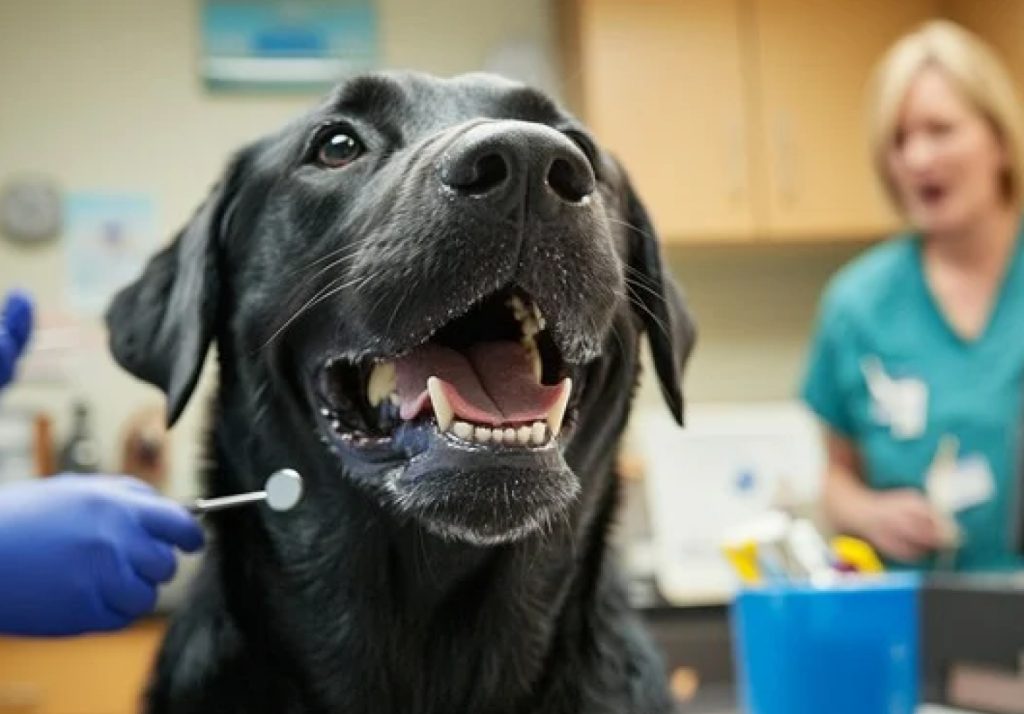
Even with the best home care, some dental issues need professional help. If your dog shows any signs of pain, bleeding gums, or swelling, don’t wait—book a vet visit. Professional dental cleanings remove stubborn tartar and bacteria that toothbrushes can’t reach.
Your vet might suggest dental X-rays to spot problems hidden below the gum line, like abscesses or damaged tooth roots. These issues can be painful and may lead to bigger health problems if left untreated.
Routine vet checks are key. Aim for an annual dental exam, or more if your dog is prone to dental problems. Early treatment can save teeth—and save your dog from a lot of pain. Regular cleanings and checkups also help prevent more serious health problems down the line. A healthy smile starts with a proactive approach!
Senior Dog Dental Care
As dogs age, their dental care needs often change. Senior dogs are more likely to have plaque, tartar, and even loose teeth. Older mouths can also hide painful gum disease. That’s why dental care for seniors is about comfort, health, and gentle prevention.
Start by brushing carefully. Older dogs might have sore spots, so use a soft-bristled brush and gentle pressure. If brushing isn’t possible, dental wipes or rinses can help keep bacteria in check. Choose dog-friendly toothpaste with flavors they love to encourage cooperation.
Senior dogs’ diets play a bigger role, too. Softer foods can be easier on aging teeth, but crunchy dental chews or kibble can help scrape away plaque. Work with your vet to balance their needs: soft enough to chew, but still helpful for cleaning.
Watch for signs of dental pain: pawing at the mouth, drooling, or refusing food. Older dogs may not show discomfort clearly. If you notice these signs, see your vet quickly. Older dogs can be more vulnerable to infections that spread to the heart, kidneys, or liver.
Regular vet check-ups become even more important for seniors. Vets may recommend professional cleanings or dental X-rays to spot hidden problems. While some senior dogs need anesthesia-free cleaning, others might still require gentle anesthesia to fully clean under the gums.
Ultimately, dental care for senior dogs is about comfort and health. With a little extra care and attention, you’ll keep their tail wagging for years to come because a healthy smile means a healthier, happier senior dog!
Read more about older dogs and how to care for them.
Conclusion
Your dog’s dental health is more important than you might think. By avoiding common mistakes and following a smart dental care routine, you’re not just keeping their teeth clean, you’re also helping them live a longer, healthier life. Dental problems can sneak up fast, but with a little effort, you can stop them in their tracks.
Start by brushing your dog’s teeth regularly. It might seem like a hassle at first, but with practice and patience, it becomes a simple, quick routine. Pair it with dental chews, crunchy kibble, and other tooth-friendly foods to give your dog’s mouth the best chance of staying healthy. Even water additives and dental powders can help, though remember that nothing replaces the good old toothbrush.
But don’t stop at home care, regular vet check-ups are just as important. Your vet can spot early signs of trouble you might miss, and professional cleanings can reach areas even the best brushing can’t. If you notice red gums, bad breath, or changes in your dog’s eating habits, don’t wait. Quick action can save your dog a lot of pain and stop infections before they get serious.
Healthy teeth and gums mean a healthier, happier dog overall. You’ll notice the difference, from fresh breath to better playtime energy. And let’s face it, a dog with a clean, healthy mouth is a joy to be around!