

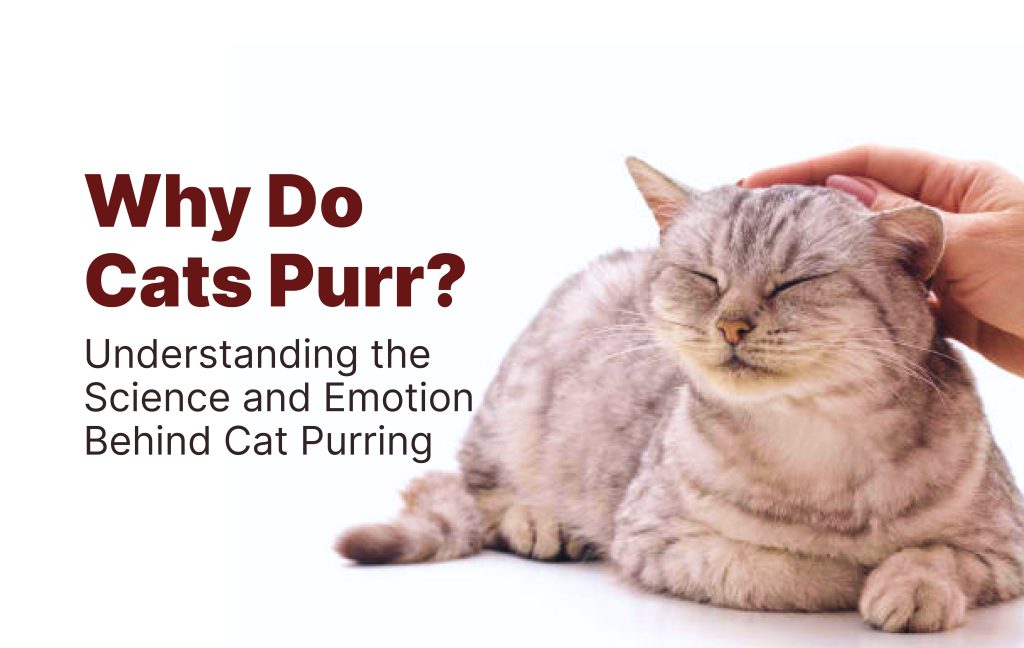
You’ve probably heard it during the quietest moments, that soft, rhythmic hum rumbling from your cat’s chest as they curl up beside you. It’s comforting and almost magical. But have you ever stopped to wonder why your cat purrs? It’s easy to assume it means they’re happy, and sometimes, that’s true. But purring is far more layered than most cat lovers realise. It’s part science, part emotion, a mysterious language your cat uses to communicate everything from contentment to pain, connection to healing.
In this guide, we’ll unpack the real reasons behind that familiar sound. From the biology behind how it works to the emotional cues hidden in each vibration, you’ll learn what your cat might be trying to tell you and how to respond with the love and care they deserve.
What Is Cat Purring, and How Does It Work?
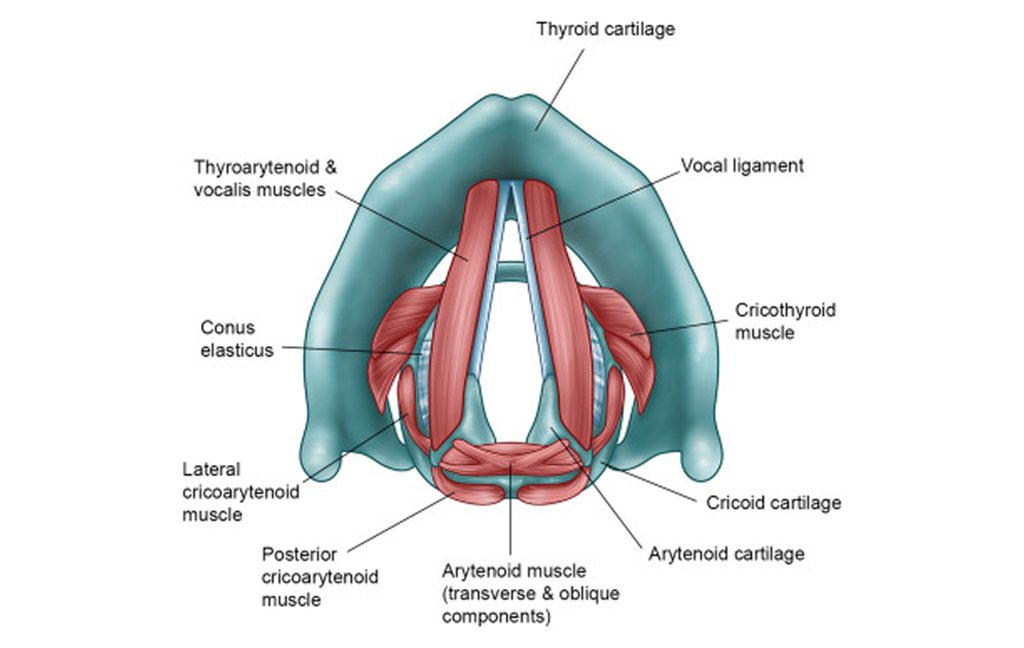
Purring is not just noise; it starts deep inside your cat’s body. Scientists believe a rhythmic signal in the brain instructs the muscles around the voice box to twitch rapidly about 25 to 150 times a second. That fast movement opens and closes the space around their vocal cords as they breathe in and out, creating the low-frequency hum we hear and love.
Cats purr with every breath in and out – a soft, steady vibration that sets them apart. It’s not loud like a meow or harsh like a hiss. It comes from deep within, where tiny muscles in the throat twitch gently, turning each breath into comfort. That explains how it works, but what’s truly fascinating is why they do it.
Psychological Benefits
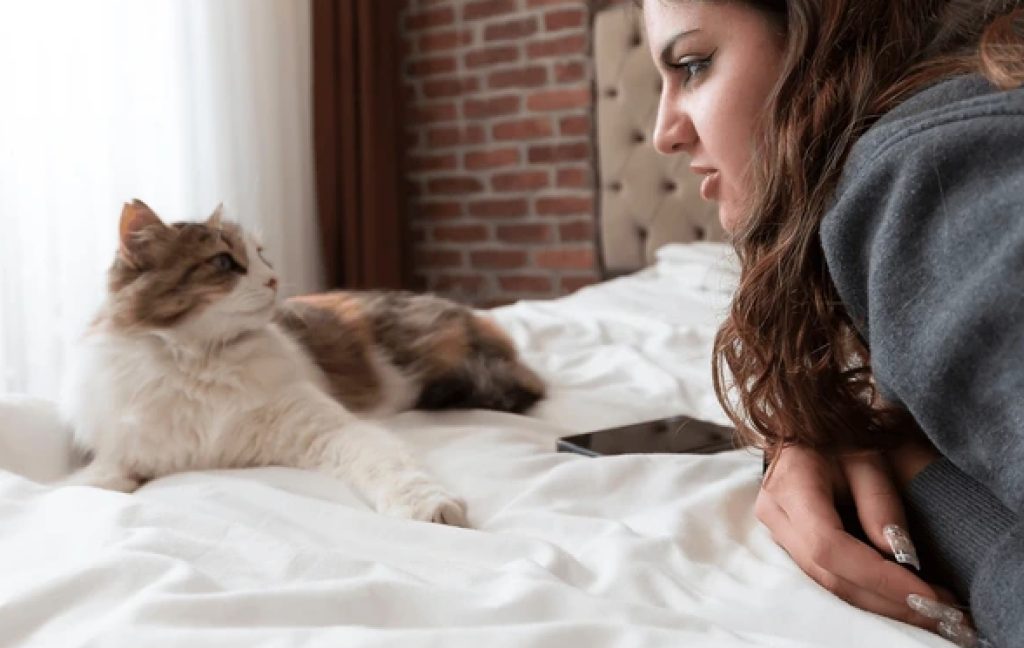
The sound of a cat’s purr has a way of softening the world around you. It feels more than a background hum; it releases a gentle, healing presence. After a long day or during a quiet moment, that low vibration can calm the mind, ease tension, and make you feel safe in a way few things can.
Cat lovers have always sensed the comfort in those soft rumbles, and science is beginning to reveal why. Purring isn’t just for cats; it also quietly supports our well-being, too.
Here’s how:
- Stress Relief: The steady rhythm of purring can help lower cortisol levels, easing anxiety and promoting relaxation.
- Lower Blood Pressure: Studies suggest that being around a purring cat may help reduce blood pressure, especially during tense moments.
- Improved Mood: The soothing sound can trigger the release of feel-good chemicals such as serotonin, making you feel more emotionally balanced.
- Better Sleep: For some people, purring acts like a natural white noise machine, helping them fall asleep faster and sleep more deeply.
- Pain Relief and Healing Support: The vibration frequency of purring (25–150 Hz) has been linked to healing effects in both cats and humans, especially for bones and tissues.
- Emotional Comfort: Having a purring cat nearby can ease feelings of loneliness or sadness, providing quiet companionship.
- Mindfulness and Calm: Listening to a cat purr can create a moment of stillness, helping you slow down and stay present.
Even without words, your cat’s purr is its form of emotional support, a quiet connection that heals and reassures, one breath at a time.
When Purring Signals Discomfort or Stress
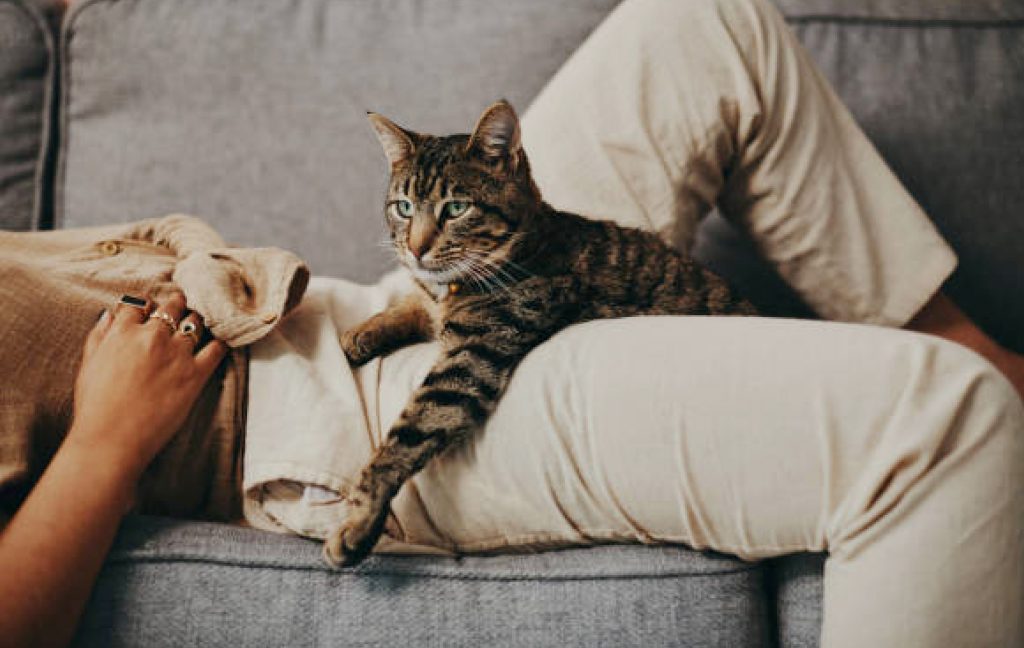
It’s easy to think of purring as a sign of happiness, and often, it is. But sometimes, that soft vibration carries a very different message.
Cats also purr when they’re scared, in pain, or feeling unwell. It can seem confusing at first. Why would a cat purr when they’re not okay? The answer lies in how complex cat purring is.
Purring can be a built-in coping mechanism, something your cat uses to calm themselves during distressing situations. Much like a person might hum or take deep breaths when anxious, cats purr to soothe their nerves and manage discomfort from within.
You might notice this kind of purr in moments like:
- At the vet’s office, your cat may be frightened but trying to regulate stress.
- When injured or sick, a cat’s purr may serve both to ease their pain and promote healing.
- After a fall or during recovery, a cat might lie quietly, purring not in joy but to self-soothe.
This kind of purring often sounds the same as a contented one, which is why context is so important. Look at your cat’s body language:
- Are they hiding or withdrawn?
- Is their appetite suddenly reduced?
- Are their ears pinned back or eyes wide?
When paired with signs of distress, a purr may be their subtle way of saying, “I’m not okay, but I’m trying to be.” It’s their quiet request for support.
In these moments, offer calm companionship, and don’t hesitate to reach out to your vet if something seems off. Because sometimes, a purr is not a sign of joy but a small act of survival.
Do All Cats Purr?
Not all felines purr. Most domestic cats, along with cheetahs and some wild cats like bobcats and servals, do purr. But big cats like lions, tigers, and leopards don’t.
This is because of the structure of the hyoid bone in their throats. In domestic cats, this bone is rigid, allowing for constant vibration. In big cats, it’s more flexible to support roaring, but that flexibility prevents continuous purring.
What Purring Means: Emotional Cues to Watch For
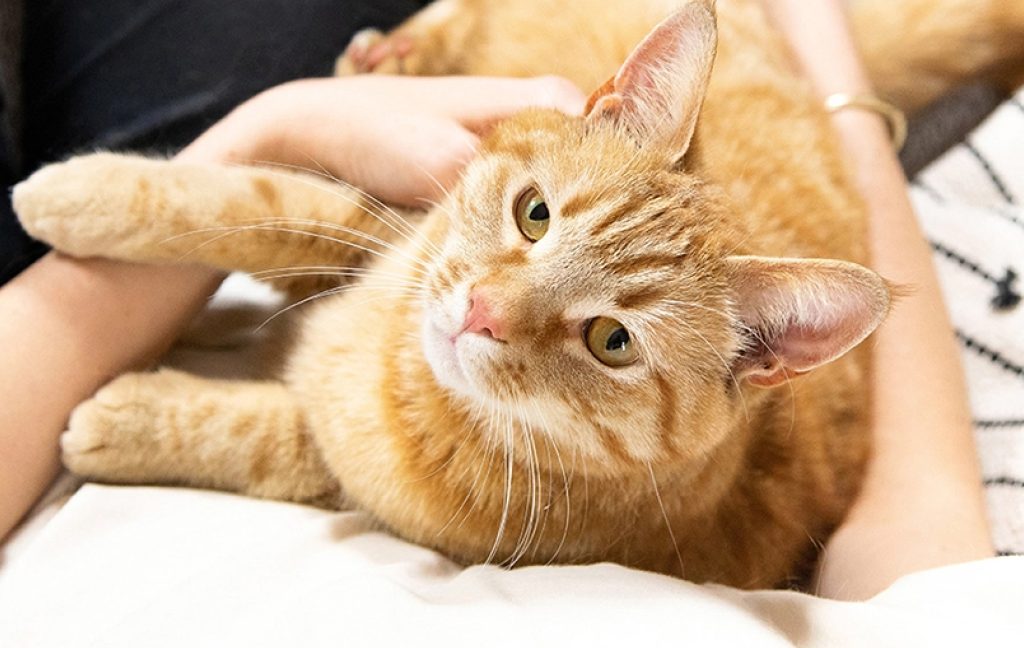
Purring has different meanings; the key to understanding it lies in context and body language.
Ask yourself:
- Is your cat relaxed or tense?
- Are they in their usual spot, or hiding?
- Are they recovering from injury, or do they seem playful and alert?
Happy Purrs:
- Kneading soft surfaces
- Slow blinking while purring
- Rolling over to show their belly
- Purring during cuddle time
Concerned Purrs:
- Purring while hiding
- Purring while not eating
- Purring with fast breathing or restlessness
In summary, not all purrs are equal. Learning your cat’s emotional language is a way of deepening your bond.
How to Respond to Your Cat’s Purrs
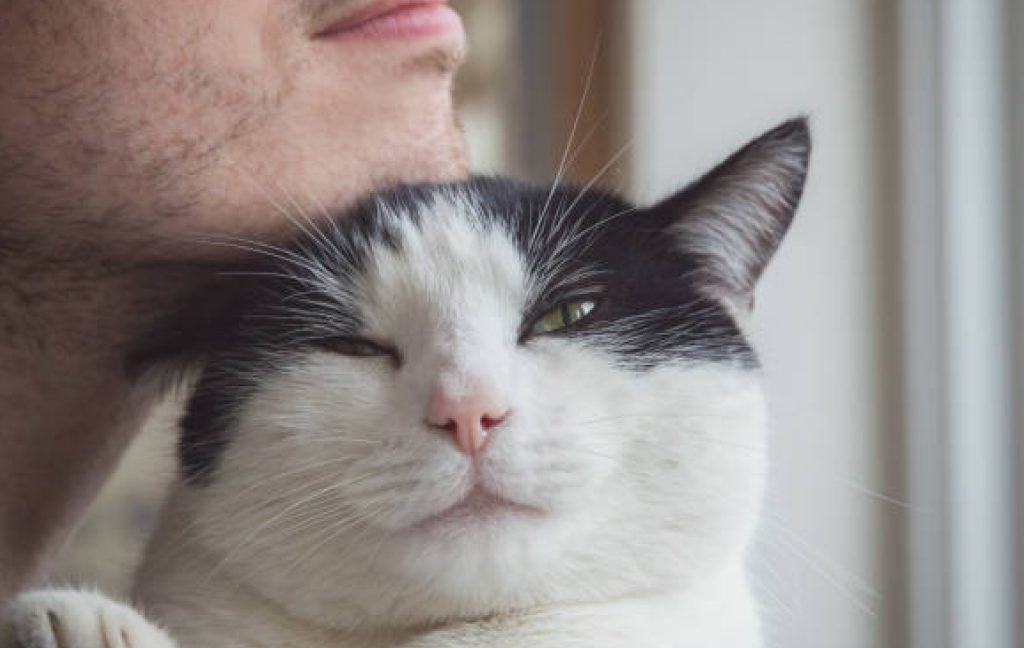
Offering care and affection to your cat is important, but responding to your cat’s purring goes a long way in reinforcing trust and affection.
Here’s how to read the room:
- Happy purr: Give gentle strokes, whisper, or simply sit still. You’re part of their comfort.
- Anxious purr: Be aware of other signs of stress. Offer calm, quiet company or contact your vet if something seems off.
- Demanding purr: That high-pitched hum might mean, “Feed me!” Gauge it with a smile.
Conclusion
A cat’s purr is one of nature’s quietest wonders; it is soft, subtle, and full of meaning. It’s more than just a sound; it’s a language spoken in vibrations, carrying messages of joy, comfort, need, and even healing.
To truly understand why cats purr is to listen beyond the surface. It’s about noticing their body language, their environment, and the unspoken emotions in the room. Sometimes it means they’re blissfully content in your lap. Other times, it’s a whisper for help.
But always, it’s a connection. A thread that links you to your cat in moments both big and small.
So the next time you hear that gentle rumble, pause. Let it wash over you. In that small, steady hum is a bond that doesn’t need words, just presence, care, and love.