


Discovering that your cat is pregnant can be both exciting and overwhelming, especially if you’ve never cared for an expecting cat before. As her body prepares to support a growing litter, you’ll likely notice changes in her appetite, behaviour, and daily routine. Understanding these changes can help you provide the care she needs throughout her pregnancy and recognise when it’s time to seek veterinary advice.
A healthy cat’s pregnancy, also known as the gestation period, typically lasts 63 to 67 days, although some pregnancies may be slightly shorter or longer. During this time, your cat’s nutritional requirements will increase, her body will gradually change, and she’ll start preparing for the arrival of her kittens. Providing a balanced diet, regular veterinary care, and a quiet, comfortable environment can help support a healthy pregnancy and reduce the risk of complications during labour and delivery.
Preparing ahead also makes the experience less stressful for both you and your cat. Knowing what to expect at each stage of pregnancy, from the first physical signs to nesting behaviour and labour, allows you to respond with confidence and ensure your cat receives the care she needs.
This guide explains the symptoms of pregnancy in cats, how pregnancy is confirmed, nutritional requirements, preparing for delivery, post-birth care, and when to contact your veterinarian.
Understanding Pregnancy in Cats

Pregnancy in cats, also known as the gestation period, typically lasts 63 to 67 days, or about nine weeks. Some cats may give birth as early as 58 days or as late as 70 days, but pregnancies that fall outside this range should be assessed by a veterinarian.
A pregnant female cat is called a queen. During pregnancy, her body undergoes significant physical and hormonal changes to support the growth and development of her kittens. As the pregnancy progresses, you’ll notice changes in her appetite, weight, behaviour, and nesting instincts, all of which are normal parts of preparing for birth.
Most healthy cats experience uncomplicated pregnancies and deliveries. Providing a balanced diet, routine veterinary care, and a quiet, stress-free environment can help support both the mother and her developing kittens throughout each stage of pregnancy.
Physical and Behavioural Changes in a Pregnant Cat
Pregnancy affects every cat differently. Some queens show noticeable changes within a few weeks, while others don’t develop obvious signs until their pregnancy is well underway. Knowing what to expect at each stage can help you monitor your cat’s health and ensure she receives the care she needs.
Weeks 1–3: Early Pregnancy
The first few weeks are often the hardest to recognise because physical changes are still subtle. During this stage, you may notice:
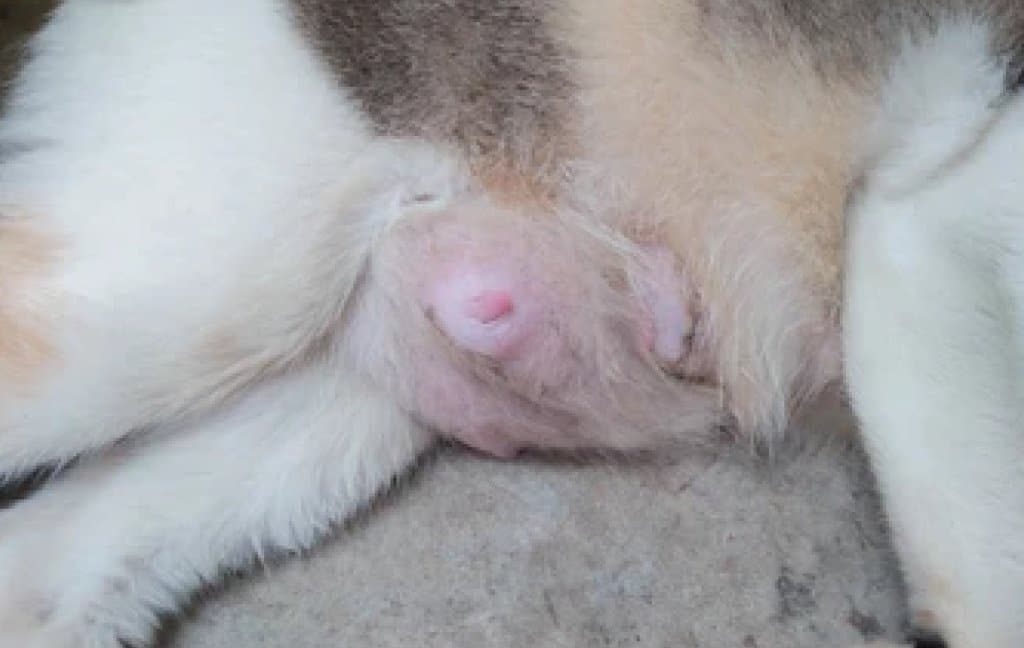
Pink, enlarged nipples (“pinking up”), usually one of the earliest visible signs.
A slight decrease in appetite or occasional nausea.
Behavioural changes, such as becoming more affectionate, seeking quiet places, or sleeping more than usual.
Weeks 4–6: Visible Changes
As the kittens continue to grow, your cat’s pregnancy becomes more noticeable.
Common signs include:
A rounded, enlarging abdomen.
Steady weight gain.
An increased appetite as her energy requirements rise.
Lower activity levels, with more time spent resting.
Weeks 7–9: Preparing for Birth
During the final weeks, your cat begins preparing for labour.
You may notice:
Nesting behaviour, such as searching for a quiet, sheltered place to give birth.
Enlarged mammary glands, which begin producing milk.
Restlessness or clinginess as labour approaches.
A reduced appetite, particularly during the last 24 to 48 hours before delivery.
While these changes are usually normal, contact your veterinarian if your cat shows signs of pain, persistent vomiting, heavy bleeding, or any sudden change that concerns you.
Confirming Cat Pregnancy with a Veterinarian
If you think your cat may be pregnant, schedule a visit with your veterinarian as soon as possible. While physical signs can provide clues, only a veterinary examination can confirm pregnancy and assess the health of both the mother and her kittens.
Your veterinarian may use one or more of the following methods:
- Abdominal palpation: From around 21 days, a veterinarian may be able to gently feel the developing kittens.
- Ultrasound: Pregnancy can usually be confirmed from 16 to 21 days after mating. An ultrasound can detect a heartbeat, but it can’t accurately determine the number of kittens.
- X-rays: After about 45 days, the kittens’ skeletons become visible on X-rays, allowing the veterinarian to estimate the litter size and check their position before birth.
Regular veterinary check-ups throughout pregnancy help monitor your cat’s health, ensure the kittens are developing normally, and identify potential complications early. Your veterinarian can also advise you on nutrition, parasite control, vaccinations, and what to expect as your cat approaches labour.
Nutrition for Pregnant Cats
Proper nutrition is essential throughout your cat’s pregnancy. As your cat’s kittens grow, so do her energy and nutrient requirements.
Choose a High-Quality Kitten Food
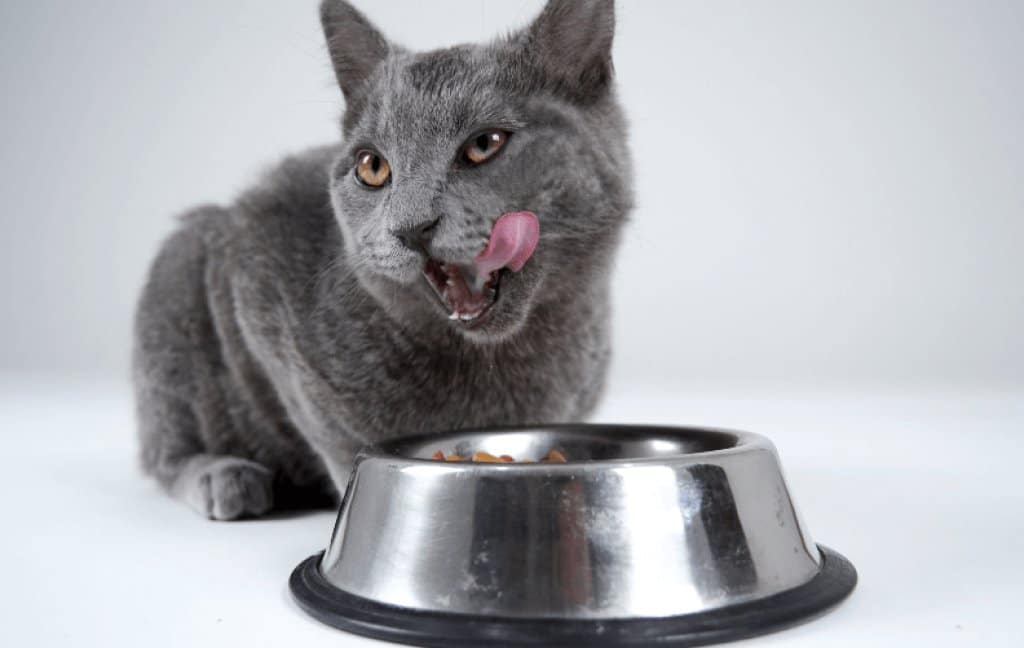
From around the fourth week of pregnancy, gradually transition your cat to a high-quality kitten food. Kitten formulas are richer in nutrients than standard adult cat food and are designed to support growth, making them ideal for both the mother and her developing kittens.
They provide:
High-quality protein to support muscle and tissue development.
Extra calories to meet increased energy needs.
DHA and essential fatty acids to support brain and eye development in kittens.
Calcium, phosphorus, and other essential vitamins and minerals for healthy bones and overall growth.
Continue feeding kitten food until the kittens have been fully weaned.
Feeding Throughout Pregnancy
Your cat’s appetite will change as her pregnancy progresses.
Weeks 1–3: Feed her normal portions while gradually introducing kitten food.
Weeks 4–6: Increase her food intake by about 25–50% and offer smaller, more frequent meals.
Weeks 7–9: As the kittens take up more space in her abdomen, she may prefer four to five smaller meals each day instead of larger portions. Her total food intake may double compared to before pregnancy.
Always provide fresh, clean water, especially if your cat mainly eats dry food.
Foods to Avoid
To help keep your cat and her kittens healthy:
Avoid raw meat, raw eggs, and unpasteurised dairy products, which may contain harmful bacteria or parasites.
Don’t give vitamin or calcium supplements unless your veterinarian recommends them, as excessive supplementation can do more harm than good.
Avoid feeding dog food or homemade diets that aren’t formulated to meet a pregnant cat’s nutritional requirements.
Preparing for Your Cat’s Delivery
As your cat’s due date approaches, she’ll naturally begin looking for a quiet, safe place to give birth. Preparing a comfortable nesting area in advance can help her feel secure and reduce unnecessary stress during labour.
Create a Comfortable Nesting Area
Choose a quiet room away from children, other pets, and household noise. A cardboard box, covered pet bed, or low-sided laundry basket lined with clean towels or blankets can make an ideal nesting space.
To make the area more comfortable:
Place the nesting box in a warm, quiet, low-traffic area.
Line it with clean towels, blankets, or absorbent puppy pads that can be replaced after birth.
Keep fresh water, food, and a litter tray nearby, but not inside the nesting box.
Introduce the nesting area one to two weeks before her due date so she has time to explore and become familiar with it.
Your cat may still choose another area to give birth. If she settles somewhere safe, it’s usually best to let her stay there rather than forcing her into the nesting box.
Keep the Environment Calm
During the final weeks of pregnancy, try to keep your cat’s routine as consistent as possible.
Minimise loud noises and unnecessary household disruptions.
Limit handling unless necessary, particularly during the last few days before labour.
Keep other pets away from her chosen nesting area.
Ensure the room stays comfortably warm and free from drafts.
A calm, quiet environment allows your cat to focus on labour and caring for her kittens, helping make the birthing process as smooth as possible.
Signs of Labour in Cats
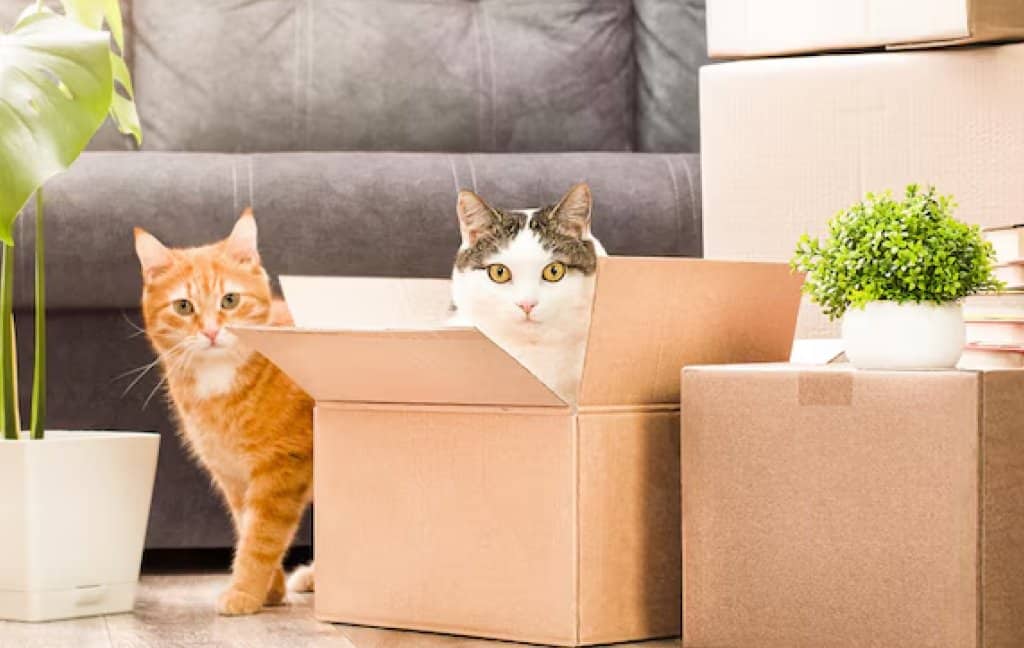
As your cat nears the end of her pregnancy, you’ll notice changes that indicate labour is approaching. Most cats give birth naturally, but recognising the signs can help you provide support and know when to contact your veterinarian.
Signs Cat Labour Is Near
Common signs include:
Nesting behaviour and spending more time in a quiet place.
Restlessness or pacing.
Reduced appetite during the last 24 hours.
Frequent grooming around the vulva.
Increased vocalisation or seeking extra attention.
A drop in body temperature to below 37.8°C (100°F), usually within 24 hours of labour.
When to Contact Your Cat’s Veterinarian
Contact your veterinarian if your cat:
Strains for more than 30 minutes without delivering a kitten.
Goes more than two hours between kittens while still straining.
Has heavy bleeding or a foul-smelling discharge.
Appears weak, distressed, or unwell during labour.
Most cats deliver their kittens without assistance, but monitoring the process and seeking prompt veterinary care when needed can help keep both the mother and her kittens safe.
Post-Birth Care for Queen and Kittens
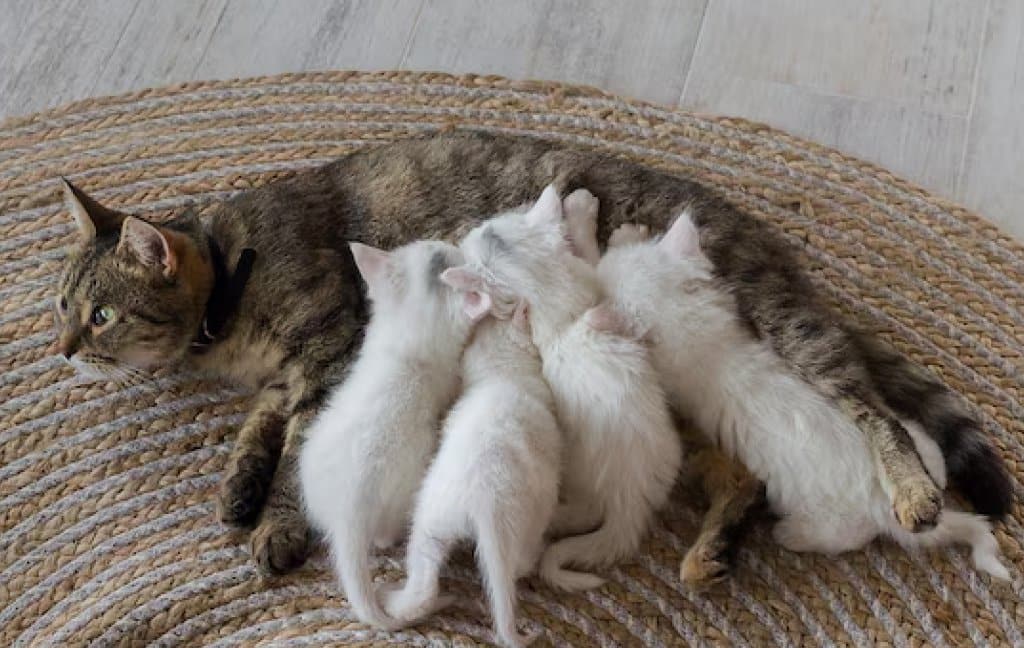
After giving birth, your cat needs a calm environment, proper nutrition, and gentle support while she recovers and cares for her kittens.
- Provide fresh food and water: Keep her meals and water close to the nesting area, as she may not want to leave her kittens often.
- Keep the nesting area clean: Replace soiled bedding regularly and provide a warm, comfortable space for the mother and kittens.
- Monitor the kittens: Check that each kitten is feeding well and gaining weight daily. Weakness, constant crying, or failure to nurse may require veterinary attention.
- Limit handling at first: Allow the mother and kittens time to bond during the first few days, and only handle kittens when necessary.
- Watch for warning signs: Contact your veterinarian if the mother stops eating, seems unusually tired, has heavy bleeding, develops a fever, or shows signs of illness.
With the right care and a safe environment, most mother cats recover well and naturally care for their kittens.
Conclusion
Caring for a pregnant cat requires preparation, patience, and attention to her changing needs. From recognising early signs of pregnancy and providing proper nutrition to creating a safe space for delivery, each step helps support a healthier pregnancy and a smoother birth.
While most cats handle pregnancy and labour naturally, knowing what is normal and when to seek veterinary help can make a significant difference. With a balanced diet, regular check-ups, a comfortable environment, and gentle care after birth, you can help your cat and her kittens get the best possible start.
Your role is not to control every part of the process, but to provide the support, safety, and care your cat needs during this important stage of her life.