

Catnip is one of the most talked-about herbs in the feline world, yet it’s wrapped in a bit of mystery and misconception. You’ve probably seen a cat roll around in it like they’ve won the jackpot or completely ignore it like it’s yesterday’s news. But what exactly is catnip, and is it just a quirky party trick or something more?
Sometimes called the “green magic” or “feline bliss leaf,” catnip can spark everything from hyper zoomies to deep relaxation. While some cat parents worry it might be addictive or harmful, the truth is far more fascinating and positive. If you’ve ever wondered what catnip does, why some cats love it, and how to use it safely and effectively, you’re in the right place. This article breaks down the benefits, busts the myths, and shows how catnip can be a fun, enriching experience for your feline friend.
Fun Facts About Catnips
- Catnip is a natural herb that is safe and non-addictive for most cats.
- It offers mental and physical stimulation, helping to reduce stress and anxiety.
- About 30–50% of cats may not respond to catnip due to genetic differences.
- Catnip doesn’t cause long-term harm, but it’s best used in moderation for the best results.
- Fresh, dried, or spray forms of catnip can all be used for enrichment.
What is Catnip, and How Does it Work?

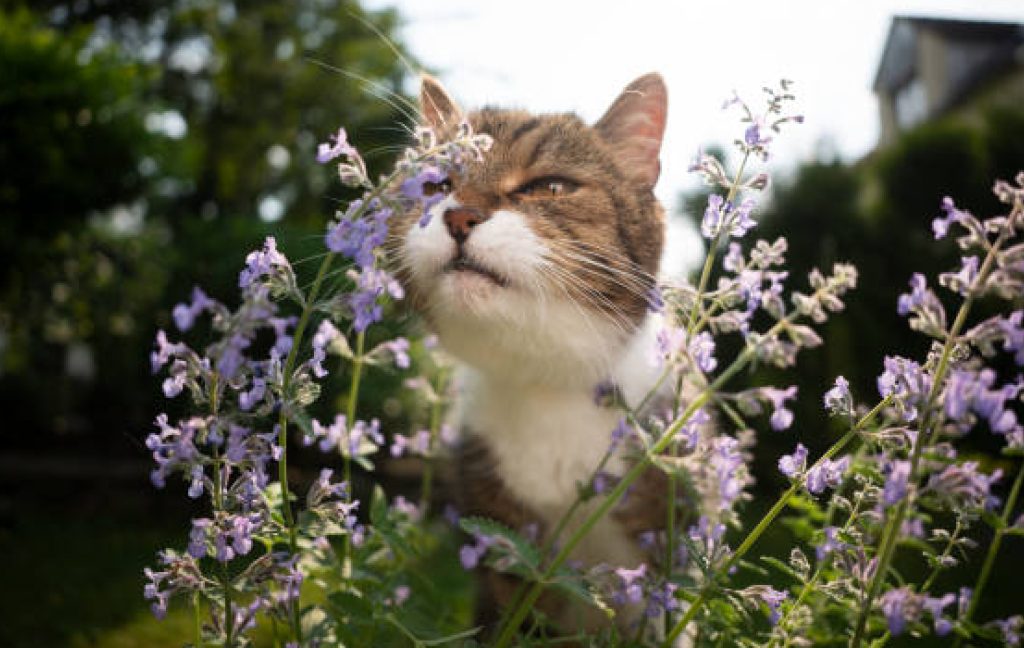
Catnip is a herb from the mint family that has a fascinating effect on many cats. Scientifically known as Nepeta cataria, this leafy green was once native to parts of Europe, Asia, and North America, but it’s now found in gardens and pet aisles all over the world. The secret behind its magic lies in a compound called nepetalactone, which acts as a powerful attractant for cats.
When cats smell catnip, the nepetalactone binds to special receptors in their nose and triggers a burst of playful or relaxed behaviour. There’s no need for them to eat it; just a sniff is enough to set off the zoomies, rolling, rubbing, or blissful lounging. The effect usually lasts around 10–15 minutes, after which cats temporarily lose sensitivity until their system resets.
Historically, catnip was also used by humans in herbal teas to soothe anxiety, aid digestion, and promote relaxation. But today, it’s become a much-loved herb for our feline companions, and for good reasons.
Benefits of Catnip for Cats

Catnip is more than a source of entertainment; it’s a natural tool that can support your cat’s physical health, mental engagement, and emotional balance. When used intentionally, catnip provides more than just a quick thrill. It offers meaningful enrichment that contributes to a happier, healthier life.
Here are some of the key benefits catnip brings to your feline companion:
- Catnip promotes physical activity: Catnip encourages movement. It can prompt your cat to chase, roll, stretch, and leap, activities that help keep the body agile and the energy flowing, especially for indoor cats who may lack stimulation.
- Reduces stress and anxiety: The scent of catnip can have a calming effect. During tense moments, like vet visits, travel, or unfamiliar sounds, catnip may help your cat relax and feel more secure in their environment.
- Catnip stimulates natural behaviours: Catnip awakens the instincts that are deeply rooted in your cat’s nature. Sniffing, pouncing, rubbing, and exploring are all healthy expressions of their inner world, and catnip gently encourages them.
- Supports enrichment and positive habits: A touch of catnip can make toys, scratching posts, or beds more inviting. It draws your cat’s attention to the right places, making it easier to guide behaviour and promote positive routines.
- Safe, natural, and self-limiting: Catnip is non-addictive and safe for most cats. They naturally lose interest once the effect wears off and won’t overuse it. When offered in moderation, it’s a simple, natural way to add joy to their day.
How Often Can You Give Catnip to Your Cat?
When it comes to catnip, less is often more. While it’s safe and non-addictive, offering it too frequently can reduce its impact or overstimulate your cat.
Most cats respond well to 1–2 sessions per week. This frequency keeps the experience novel and prevents them from building tolerance. It also gives your cat time to reset between exposures, allowing each session to remain enjoyable and effective.
Pay close attention to your cat’s behaviour. If you notice signs of overstimulation, such as excessive energy, irritability, or loss of interest, it may be time to take a short break. Keeping catnip sessions brief and spaced out not only maintains your cat’s interest but also ensures a safer and more balanced experience.
Common Catnip Myths
Catnip is one of the most talked-about herbs in the pet world, but it’s also one of the most misunderstood. Misinformation often leads to unnecessary hesitation or missed opportunities to use it as a helpful enrichment tool for your cat. Clearing up these catnip myths is important to help and guide you to make better, more confident choices for your cat’s well-being.
Here’s a breakdown of the most common myths and the facts behind them:
Myth | Fact |
Catnip is dangerous | Catnip is safe and non-toxic for cats. In rare cases, overconsumption may cause mild digestion problems, but serious side effects are uncommon |
All cats react to catnip | Around 30–50% of cats don’t respond to catnip at all due to genetic differences. Sensitivity is inherited. |
Catnip makes cats aggressive | Most cats become playful or relaxed. Aggressive behaviour is usually a sign of overstimulation, not the catnip itself. |
Catnip stops working overtime | Catnip may seem less effective with frequent use, but a short break restores sensitivity. It’s a temporary reset, not permanent resistance. |
Understanding the facts behind catnip allows you to use it more effectively and more responsibly. When introduced with care, catnip isn’t something to fear or avoid; it is a safe, natural way to enrich your cat’s life in a way that aligns with their instincts and well-being.
DIY Catnip Toys: Simple, Fun, and Budget-Friendly
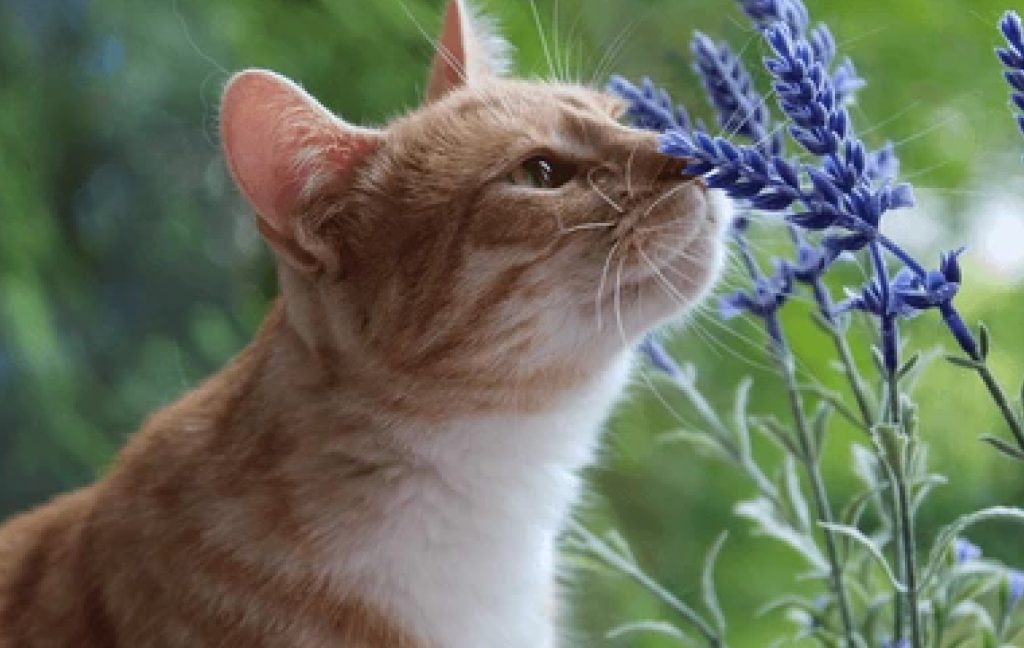
Creating your catnip toys at home is easy, affordable, and surprisingly effective. With just a few materials, you can provide enriching experiences that rival any store-bought toy.
Here are a few simple ideas:
- Sock Toy: Fill a clean sock with dried catnip, tie a knot at the end, and offer it as a soft toy your cat can chase and cuddle.
- Cardboard Hideout: Sprinkle a little catnip inside a cardboard box or paper bag. It turns an ordinary object into a miniature playground.
- Fabric Ball: Combine dried catnip with fabric scraps and form a soft ball for your cat to bat around.
- Catnip Puzzle: Place catnip inside the compartments of a treat-dispensing toy to encourage your cat to sniff, paw, and explore.
These easy DIY options deliver stimulation, exercise, and joy without adding to your shopping list.
Alternatives for Cats That Don’t React to Catnip
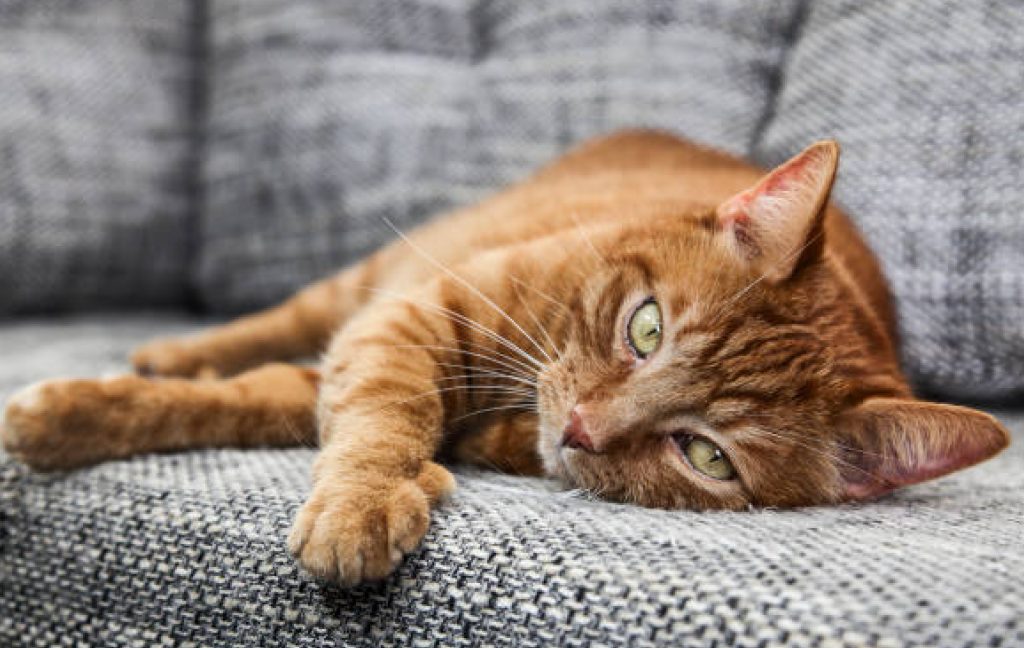
If your cat doesn’t respond to catnip, they’re not alone. Sensitivity to catnip is genetic, and many cats don’t experience any effect at all. But that doesn’t mean they have to miss out on enrichment.
Here are some effective alternatives to try:
- Silvervine: This plant contains compounds similar to catnip and often works on cats who are unresponsive to nepetalactone.
- Valerian Root: Known for its calming properties, valerian root can produce a playful or relaxed reaction in some cats.
- Tatarian Honeysuckle: A wood-based option that’s particularly appealing to certain cats and may trigger similar behaviours.
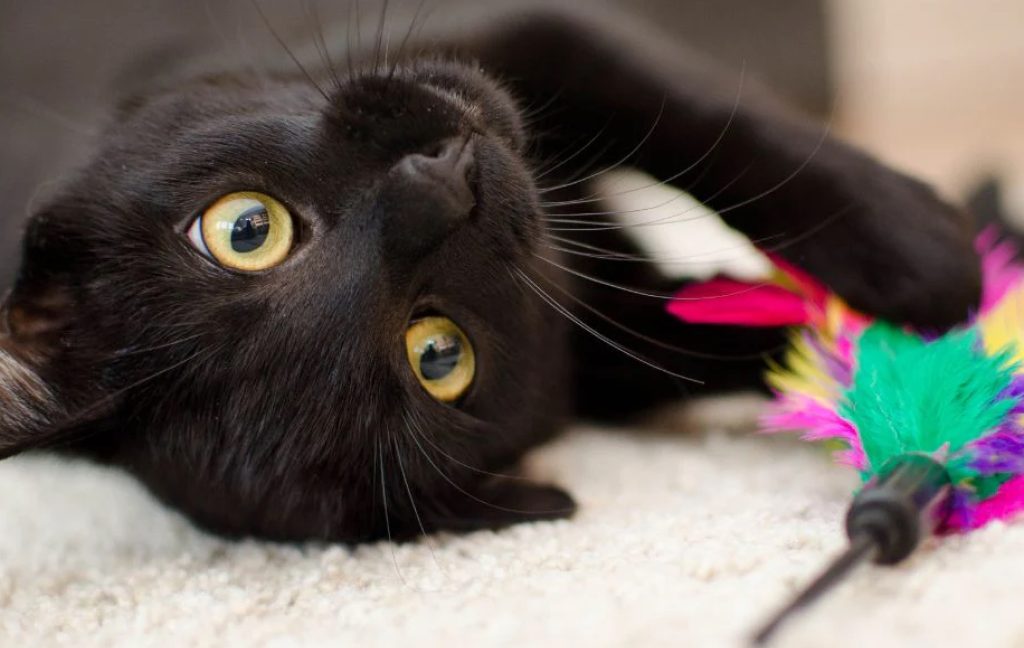
- Interactive Play: Wand toys, feather teasers, and puzzle feeders provide excellent stimulation, even without herbs or scents.
Every cat is different. The key is to explore a variety of options and find what excites your cat most.
Conclusion
Catnip offers far more than a few minutes of entertainment. It’s a safe, natural way to enrich your cat’s day, and it brings out their playful side or helps them relax. When used with intention and moderation, catnip becomes part of a healthy routine that supports both physical activity and emotional well-being.
It’s not just about fun; it’s about connection, comfort, and creating meaningful moments you experience with your feline companion.