



Sharing your life with a cat is a long-term commitment, so it’s natural to wonder how many years you’ll have together. While no one can predict exactly how long a cat will live, understanding the factors that influence their lifespan can help you make informed decisions about their care.
A cat’s life expectancy depends on several factors, including whether they live indoors or outdoors, their breed, diet, genetics, and access to regular veterinary care. Some cats live well into their late teens, while others even reach their twenties with the right care and a safe environment.
This guide explains the average lifespan of indoor and outdoor cats, the factors that influence longevity, common signs of ageing jr, and practical steps you can take to help your cat enjoy a long, healthy, and comfortable life.
How Long Do Cats Live

The average lifespan of a cat depends largely on its lifestyle, overall health, and the quality of care it receives. While some cats live well into their twenties, most have a life expectancy of 12–18 years, particularly if they live indoors and receive regular veterinary care, a balanced diet, and a safe environment.
Cats that spend most of their time outdoors generally have shorter lifespans because they face greater risks, including road traffic, infectious diseases, parasites, predators, and exposure to toxic substances. Indoor cats, on the other hand, are protected from many of these hazards, giving them a better chance of living longer.
The table below compares the average lifespan of indoor, outdoor, and indoor-outdoor cats.
Cat Type | Average Lifespan | Why It Matters |
Indoor Cats | 12–18 years (some live into their 20s) | Protected from traffic, predators, infectious diseases, and many environmental hazards. |
Outdoor Cats | 5–10 years | Face greater risks from accidents, disease, parasites, toxins, and animal attacks. |
Indoor/Outdoor Cats | 8–14 years | Have more freedom but remain exposed to many of the risks associated with outdoor living. |
What Affects a Cat’s Lifespan?

A cat’s lifespan is influenced by a combination of genetics, lifestyle, and the care they receive throughout their life. While some factors, such as breed, can’t be changed, many others are within your control and can have a significant impact on your cat’s health and longevity.
Here are some of the most important factors that affect how long cats live:
- Lifestyle: Indoor cats generally live longer than outdoor cats because they’re protected from road traffic, predators, infectious diseases, and other environmental hazards.
- Diet and nutrition: Feeding a complete, balanced diet helps maintain a healthy weight, supports the immune system, and reduces the risk of nutrition-related health problems.
- Regular veterinary care: Routine check-ups, vaccinations, parasite prevention, and early treatment of illness can improve both the quality and length of your cat’s life.
- Spaying or neutering: Sterilised cats often have a lower risk of certain cancers, reproductive diseases, and roaming-related injuries.
- Exercise and mental stimulation: Daily play, climbing opportunities, scratching posts, and interactive toys help keep cats physically active and mentally engaged.
- Genetics and breed: Some breeds are naturally predisposed to certain health conditions, while mixed-breed cats often benefit from greater genetic diversity.
Although genetics play a role, consistent care, a nutritious diet, and a safe environment are some of the most effective ways to help your cat live a longer, healthier life.
Cat Breeds with the Longest Lifespans

Some cat breeds are known for living longer than others. While genetics can influence life expectancy, factors such as nutrition, regular veterinary care, and a safe environment also play an important role. Mixed-breed cats can also enjoy long, healthy lives and often benefit from greater genetic diversity.
Here are some of the cat breeds known for their long lifespans:
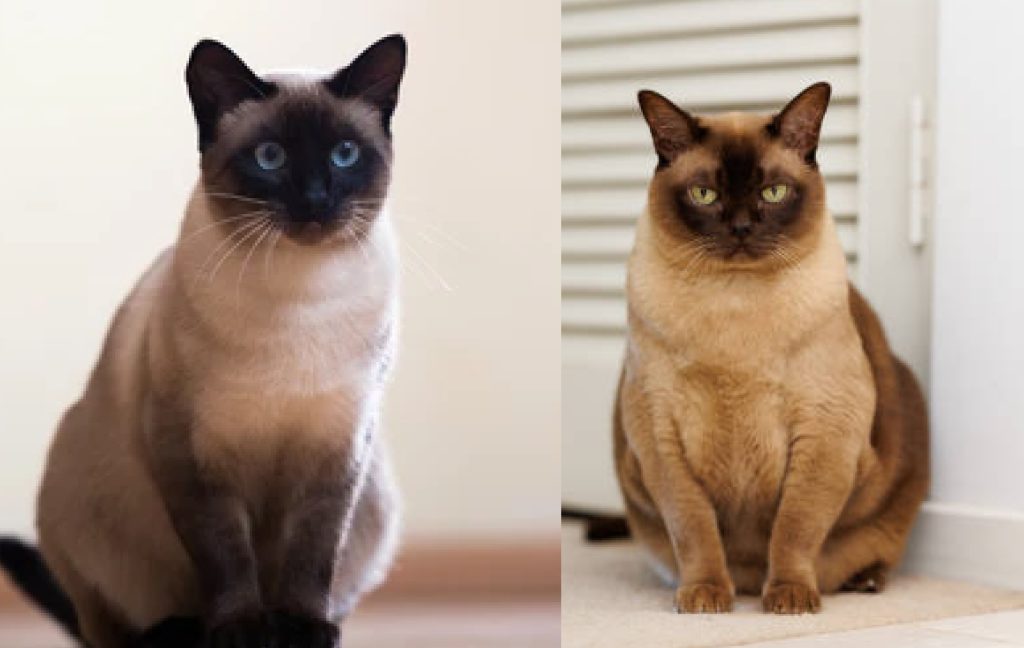
- Siamese: One of the longest-living cat breeds, Siamese cats often live 15–20 years, with some reaching their twenties. They’re intelligent, active, and highly social.
- Burmese: Burmese cats typically live 16–18 years, although many exceed this with good care. They’re affectionate, playful, and generally healthy.
- Russian Blue: Known for their calm temperament and striking silver-blue coat, Russian Blues commonly live 15–20 years.
- Ragdoll: These gentle, affectionate cats have an average lifespan of 13–18 years and thrive in indoor homes with regular veterinary care.
- Domestic Shorthair: Thanks to their diverse genetic background, Domestic Shorthairs often live 15–20 years and are generally considered a hardy breed.
While breed can influence life expectancy, it isn’t the only factor. A balanced diet, regular health checks, and a safe, enriching environment can have an even greater impact on how long your cat lives.
Cat Breeds with Shorter Lifespans
Some cat breeds are more vulnerable to health issues that can shorten their lifespan. Persians, Scottish Folds, and similar breeds often face genetic challenges like respiratory or joint problems, which may limit their lifespan to around 10–14 years. While they make wonderful companions, their care may require extra attention and early health monitoring.
Signs of Ageing in Cats
An elderly cat with a slightly graying muzzle lying on a soft blanket
As cats grow older, it’s normal for their behaviour, appearance, and activity levels to change. Recognising these signs early can help you provide the care they need and identify potential health problems before they become more serious.
Common signs of ageing include:
Sleeping more or being less active than usual.
Stiffness or difficulty jumping onto furniture or climbing stairs.
Changes in appetite or weight, including eating less or losing weight.
Behavioural changes, such as increased vocalisation, confusion, or irritability.
Dental problems, including bad breath or difficulty eating.
Reduced grooming, which can result in a dull or matted coat.
If you notice persistent changes in your cat’s health or behaviour, schedule a visit with your veterinarian. Early care can help your cat stay healthy and comfortable as they age.
How to Help Your Cat Live a Longer, Healthier Life

While genetics influence how long a cat lives, daily care plays an important role in supporting their overall health and wellbeing. These simple habits can help your cat enjoy a healthier life.
- Provide a balanced diet: Choose high-quality cat food that’s appropriate for your cat’s age, size, and health needs.
- Schedule regular veterinary check-ups: Routine examinations, vaccinations, and parasite prevention can help detect health problems early.
- Encourage daily exercise: Interactive toys, climbing trees, and play sessions help keep cats physically active and mentally stimulated.
- Provide a safe environment: Keeping your cat indoors or giving them access to a secure outdoor enclosure can reduce the risk of injury and disease.
- Look after your cat’s dental health: Regular dental care can help prevent painful oral disease and other health complications.
- Maintain a low-stress home: A calm, predictable environment with plenty of affection and enrichment supports your cat’s overall wellbeing.
Consistent care, a healthy lifestyle, and regular veterinary attention can help your cat enjoy a longer, healthier, and more comfortable life.
What Determines a Cat’s Lifespan
Some cats live just a few short years, while others stay by our side well into their twenties. It’s not only about breed or whether they live indoors; many internal and external factors come into play. From genetics and healthcare to daily habits and stress levels, a cat’s lifespan is shaped by a delicate mix of nature and nurture.
Major Factors That Influence Cat Longevity:
- Diet & Nutrition: A balanced diet supports everything from weight management to immunity.
- Genetics: Family history can influence susceptibility to disease and the ageing process.
- Vet Care: Routine checkups catch issues early before they become life-threatening.
- Activity Level: Movement stimulates muscle tone, mental alertness, and digestion.
- Spaying/Neutering: Fixed cats live longer due to reduced risk of cancers and infections.
- Stress Levels: Chronic stress can shorten a cat’s life. A calm, predictable environment is best.
Signs of Ageing in Cats
Watching your beloved cat grow older can feel both beautiful and bittersweet. With age comes wisdom, calm, and closeness, but also change. These signs, though sometimes subtle, are your cat’s quiet way of asking for a little extra care, comfort, and understanding.
Here’s what ageing might look like in your cat:
- Sleeping more than usual
- Less interest in play or interaction
- Slower movement or joint stiffness
- Shifts in appetite or weight
- Vocal changes or confusion at night
- Bad breath or visible dental issues
Cats are silent survivors. They often mask their discomfort, which makes your attentiveness all the more important. Gentle observation, patience, and regular vet visits can make all the difference in these golden years. They may move slower, but their love for you runs deeper. Age deepens the bond between you and your cat.
Tips to Extend Your Cat’s Lifespan

Do you want to give your cat the best shot at a long, healthy life? While we can’t control time, we can make choices that add quality and often length to their life. Here’s what truly helps your cat live longer, healthier, and happier:
Feed a Quality Diet
Choose age-appropriate food made with real, high-quality ingredients. Good nutrition supports immune health, a healthy weight, and organ function.
Stick to Vet Checkups
Yearly vet visits (or twice a year for senior cats) help catch issues early—before they become serious. Vaccines, dental cleanings, and regular screenings all matter.
Keep Them Active
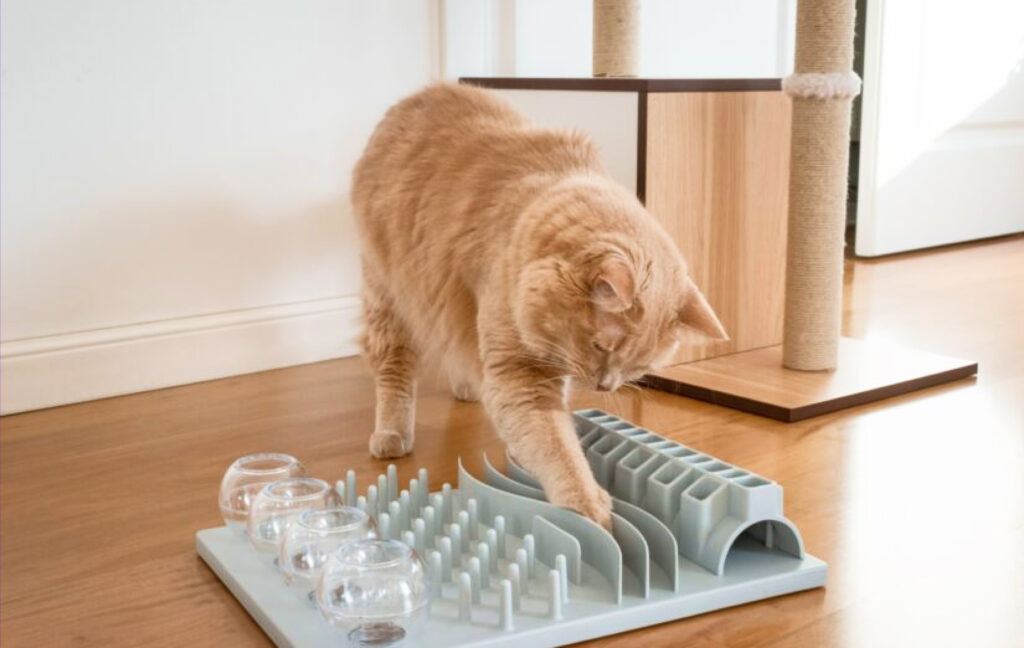
Daily play helps your cat stay mentally and physically sharp. Wand toys, puzzle feeders, and climbing trees keep their instincts strong.
Create a Safe Environment
Keep your cat indoors or provide a secure catio. Fewer risks = more years. Make sure their space is quiet, cozy, and full of enrichment.
Prioritise Dental Care
Dental disease can shorten a cat’s life. Brush their teeth if possible, or use dental treats and get professional cleanings as needed.
Show Them Love
Cats might act aloof, but affection matters. A loving, low-stress home helps reduce anxiety and supports long-term health.
At the heart of every long cat’s lifespan is a person who cares. While genetics and luck play a role, the choices you make every day—feeding the right food, scheduling that vet visit, setting aside time to play or just sit together can add years to your cat’s life.
Conclusion

A cat’s lifespan is influenced by a combination of genetics, lifestyle, nutrition, and the care they receive throughout their lives. While some factors are beyond your control, providing a complete and balanced diet, regular veterinary care, daily exercise, and a safe environment can help your cat stay healthy and enjoy a good quality of life for many years.
Every cat ages differently, so paying attention to changes in their behaviour, appetite, or activity level is just as important as meeting their everyday needs.