

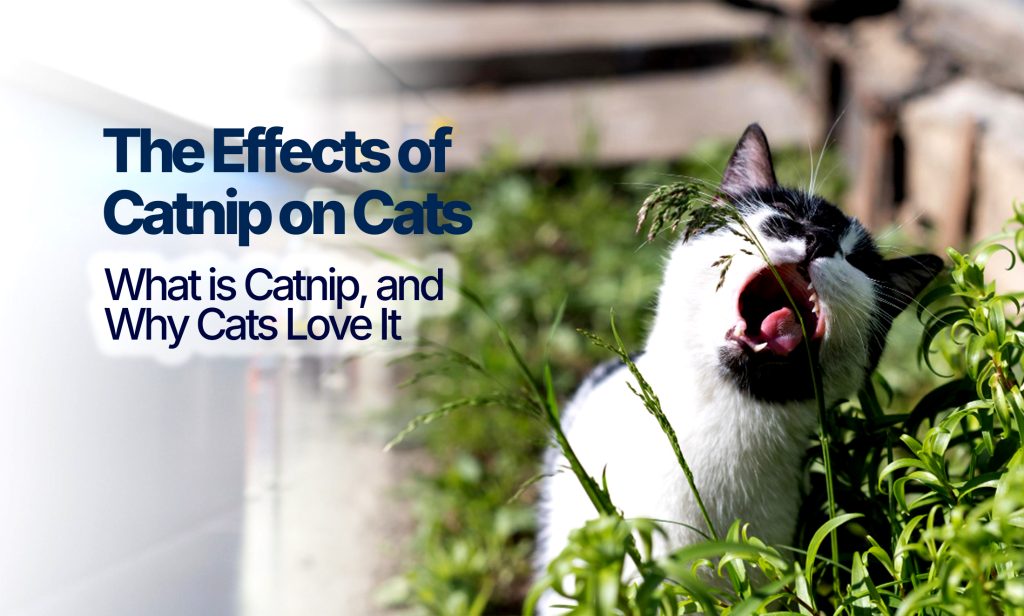
Catnip is widely adored and familiar in the feline kingdom, but not everyone knows exactly what it is and the science behind catnip. Have you ever watched your cat sniff a pinch of catnip and suddenly burst into a tornado of joy or a chilled-out couch potato?
Catnip is sometimes referred to as the weed or espresso shot of the feline world, sending some cats into a frenzy and others into a zen-like trance. Have you ever wondered what catnip is, why cats love it so much, how it affects a cat’s brain, and if it’s safe or not for cats? Then this is for you. You are in the right place; this article will explore everything about catnip and unravel the science and mystery behind it.
Fun Facts About Catnips
- Catnip is a herb that produces a temporary euphoric reaction in cats when smelled.
- About 30 – 50% of cats don’t react to catnip.
- The effects of catnip may differ in cats; some become hyperactive, while others may be calm.
- Catnip is safe for cats.
What is Catnip

Catnip is a herb from the mint family; when smelled by a cat, it can affect its behaviour. It is also known as Nepeta cataria, originally native to a few areas of Europe, America, and Asia, but has since spread to other parts of the world. Catnip contains nepetalactone, a feline attractant that triggers a euphoric, playful response in many cats.
Historically, humans have used catnip in herbal teas to treat insomnia, anxiety, and digestive issues. Catnip is now a go-to treat for our feline pals.
How does Catnip Work?
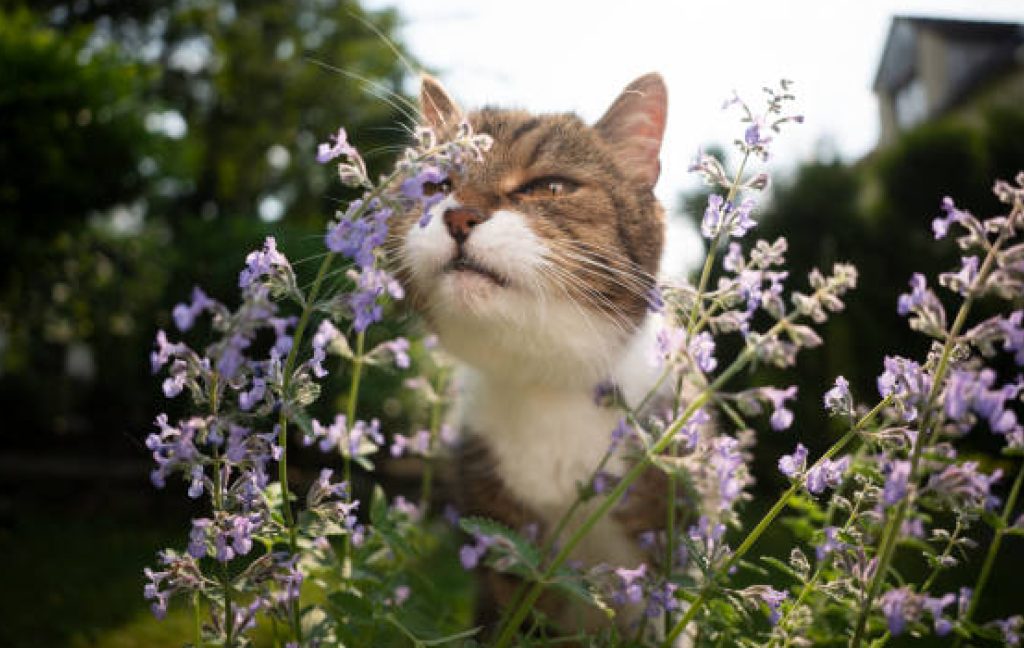
The organic compound, nepetalactone, is what gives cats these crazy reactions and behavioural changes. Cats have an extra scent organ known as the vomeronasal gland in the roof of their mouth. This special pathway allows scents collected in the nose and mouth to be passed to the brain. Once the nepetalactone enters the cat’s nose, it binds to receptors and stimulates sensory neurons, triggering cat behaviours like rolling, purring, or relaxing, which usually lasts for 10-15 minutes.
How Catnip Affects a Cat’s Brain
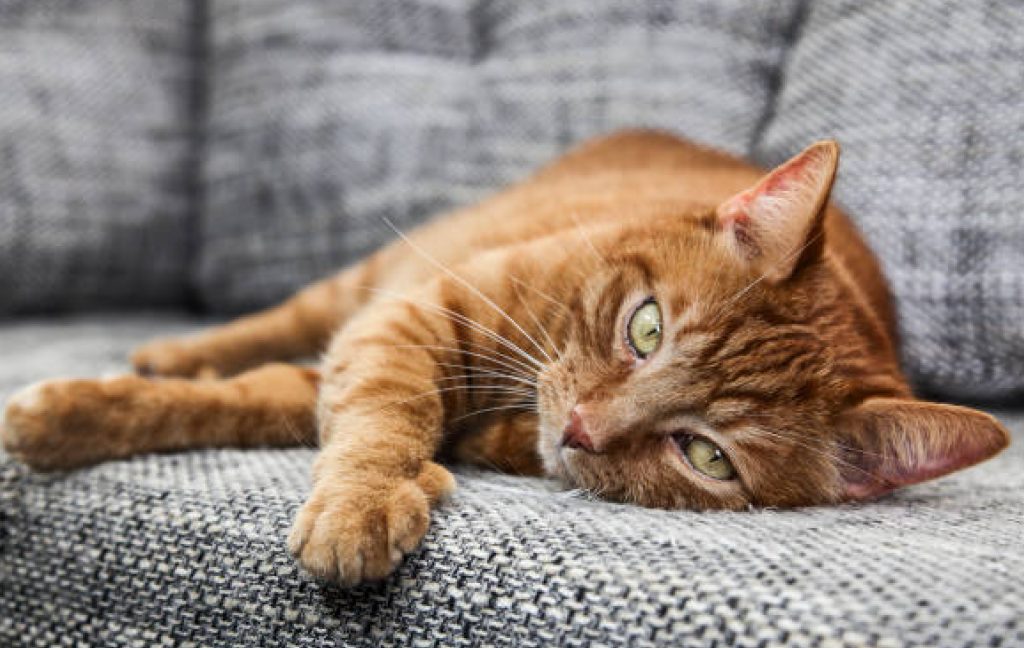
Why do cats go wild for catnip? It’s not just a curious habit; catnip triggers a fascinating chain reaction in your feline pal’s brain.
Here’s what is going on behind the zoomies and purrs:
- Catnip triggers sensory neurons: When your cat sniffs catnip, the active compound (nepetalactone) binds to receptors in their nose, triggering a sensory response.
- It stimulates the olfactory bulb: This signal travels to the cat brain’s olfactory bulb, which processes smell, and then moves to areas that control behaviour and emotion.
- Catnip mimics feline sex pheromones: Nepetalactone mimics natural cat pheromones, especially those linked to mating, which is why some cats roll, rub, or get extra affectionate and calm.
- It triggers dopamine release: The cat’s brain may release dopamine, the feel-good chemical, leading to the euphoric, playful, or relaxed behaviour in your furry feline pal.
- Catnip has a short-term effect with quick tolerance: The “high” or “feeling” lasts about 10 – 15 minutes, after which your cat becomes temporarily immune to catnip until their sensitivity resets.
Why do Cats love Catnip?
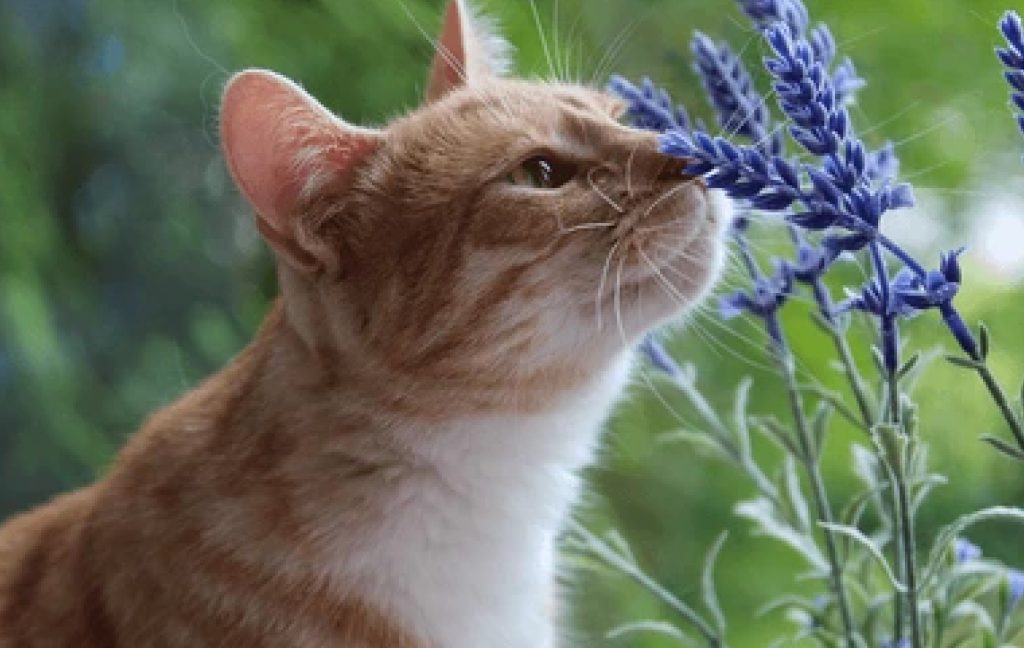
What’s behind your cat’s obsession with catnip? Cats love catnip, and for a very good reason. It doesn’t just smell nice; it triggers real physical and emotional reactions, taps into their instincts, and stirs up feel-good vibes and joy. Here’s what makes catnip irresistible to your feline pals:
- Catnip makes them playful and silly.
- It triggers a burst of euphoria that makes cats feel amazing.
- It helps them relax.
- The catnip scent mimics natural pheromones, which makes them feel instinctively good.
- It is safe, enjoyable, and the joy keeps them coming back for more.
Common Cat Behaviours Triggered by Catnip
Cats love catnip, and it shows. The moment they get a whiff, their behaviour often changes like magic. For some cats, it’s playtime and hyperactivity. For others, it’s pure relaxation and calmness. Catnip affects cats in different ways. The reactions are easy to spot and usually entertaining to watch.
Here are some of the most common cat behaviours you’ll notice when catnip kicks in:
-
Rolling and rubbing: Many cats instinctively roll on the floor or rub their face and body against the catnip or toy.
-
Zoomies and playful attacks: Some feline pals get sudden energy bursts, sprinting around or pouncing like they’re hunting invisible prey.
-
Licking and chewing: Catnip often makes cats lick or chew toys, leaves, or the surface it’s sprinkled on.
-
Meowing or chirping: Excited or talkative cats may start vocalizing more than usual in high, happy tones.
-
Drooling: A few feline pals might drool slightly from the sensory overload. This is normal and harmless.
-
Zoning out or lying still: Not all cats go wild; some just lie back, purring or looking blissful, enjoying the mellow vibes.
Benefits of Catnip for Cats
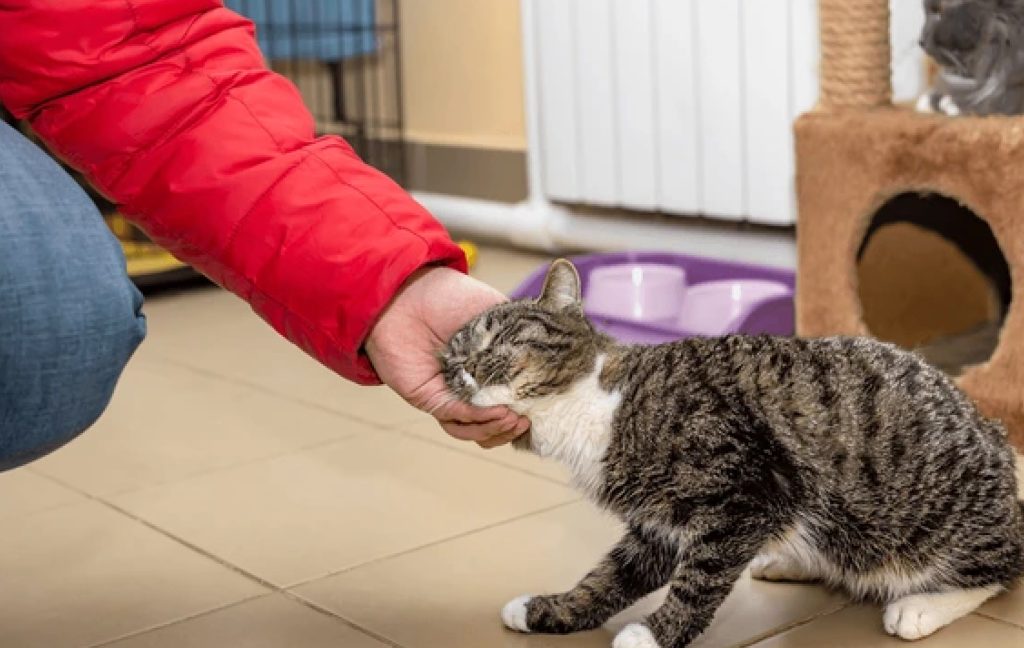
Catnip is more than just a fun distraction for your cat. It offers more than joy and feel-good vibes; it supports your cat’s overall well-being. While it’s often associated with playful or hyperactive behaviour, the benefits of catnip for cats go far beyond.
From encouraging physical activity to reducing stress and enriching your cat’s environment, this natural herb can play a valuable role in keeping indoor and outdoor cats healthy, happy, and engaged. Here’s how catnip can be important for your feline pal:
- It boosts physical activity: Catnip encourages movement, helping cats stretch, jump, and stay active, especially for indoor cats.
- Catnip relieves stress and tension: The calming effects of catnip can help ease anxiety during events such as vet visits, travel, or loud noises.
- It stimulates natural behaviours: Catnip taps into your cat’s instinct to hunt, pounce, and explore, keeping them mentally sharp.
- Catnip is useful for enrichment and training: Sprinkle catnip on toys, scratching posts, or carriers to make them more inviting and rewarding.
- It is safe, natural, and non-addictive: Catnip is a gentle herbal treat that’s safe for most cats and doesn’t lead to dependency or overuse.
Why some Cats don’t React to Catnip
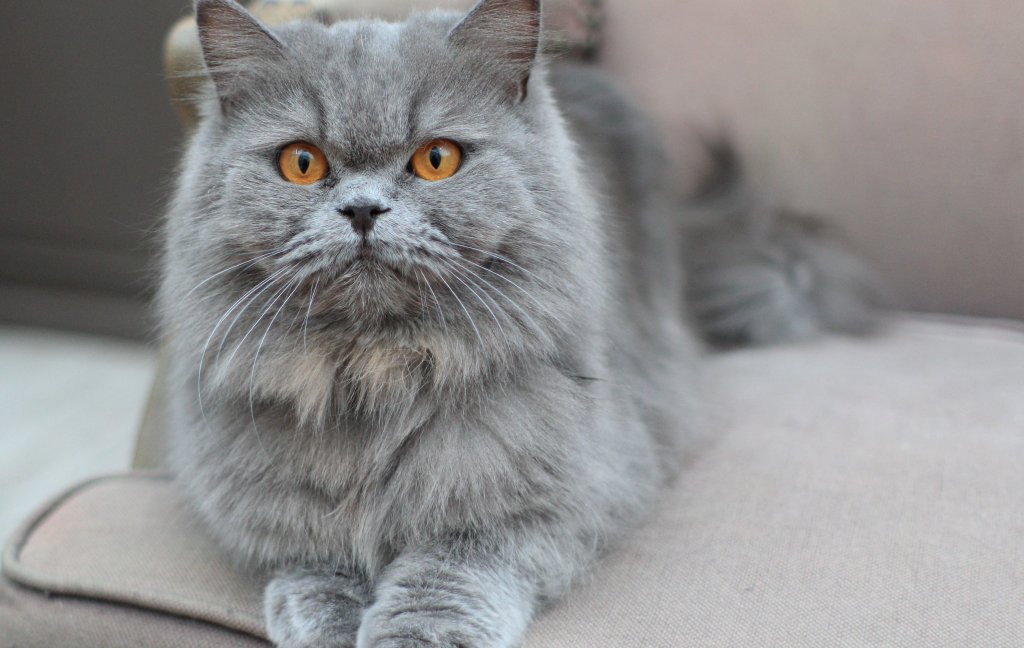
A cat pet parent complained that his cat did not react and gave him a blank stare after giving it catnip. This is not a health problem or a reason to panic. According to Humane World for Animals, 30-50% of cats don’t react to catnip at all due to genetics, age, and type of breed. Experts think this is a genetically inherited trait that is passed down from parents, which means that in some cases, the gene responsible for the “catnip reaction” is either missing or turned off. Senior cats are likely unaffected, and kittens don’t react until they are 3 – 6 months old, when their inherited trait starts to show.
Is Catnip Safe for Cats?
There is no evidence that proves catnip is dangerous for cats. It is not addictive, and overdose will rarely happen because cats are moderate in their intake. However, excessive intake of catnip can cause a tummy ache for your dear feline pal. Avoid giving pregnant cats and kittens under 6 months catnip. Also, note that prolonged usage of catnip can reduce effectiveness; always use it when necessary.
How to Give Catnip to Your Cat
Knowing how to give catnip to your cat can make all the difference. Catnip is a natural and safe herb, but how you give it plays a big role in how your cat responds. From playtime to stress relief, using it the right way helps your cat enjoy the full experience safely. Here are some tips on how to give catnip to your cat:
- Choose Your Catnip: Grab dried catnip for a stronger kick or fresh leaves for a natural vibe. You can find it at pet stores or grow your own.
- Start Small: Sprinkle 1/4 teaspoon on a toy, scratching post, or box to test your cat’s vibe.
- Mix It Up: Stuff catnip in a plush mouse, rub it on a mat, or make a DIY sock toy for instant fun.
- Try a Catnip Spray: Use a catnip-infused spray for mess-free application on beds or posts.
- Keep It Occasional: Limit to 1-2 times a week to avoid tummy aches or a bored kitty.
- Store Smart: Seal catnip in an airtight container, away from sneaky paws, to keep it fresh.
- Create a Play Zone: Scatter a trail for a feline treasure hunt and watch the adventure unfold.
- Monitor Reactions: Adjust amounts based on your cat’s reaction.
- Clean Up: Vacuum stray catnip to avoid a furry scavenger hunt later.
Conclusion
Cats love catnip, and honestly, it’s such a delight to watch. A few sniffs, and suddenly they’re rolling, zooming, or melting into a happy, purring heap. It’s one of those simple things that adds joy to their day, and yours too.
Catnip isn’t just safe; it’s a small but powerful way to spark play, ease stress, and keep your cat engaged. When used with care, it becomes more than just a treat. It becomes a moment of bonding, fun, and comfort, all wrapped in a leaf.