

Pregnancy in cats is more than just a countdown to kittens; it’s a delicate, deeply instinctive process that unfolds in a matter of weeks. For cat parents, it can feel like a whirlwind of questions: How long does it last? Is she really pregnant? What should I be doing to help? This guide brings clarity to each of those questions, walking you through the feline gestation journey with calm, confident care.
From the first subtle signs to the final hours before labour, every moment of your cat’s pregnancy deserves your awareness and attention. If you’re nurturing a beloved house cat or caring for a surprise mama-to-beCaring for a Pregnant Cat: Symptoms, Nutrition & Delivery Prep, here’s everything you need to know to keep her safe, healthy, and comfortable.
How Long Is a Cat Pregnant?

While the arrival of kittens feels momentous, the journey there is surprisingly swift. A typical cat pregnancy lasts 62 to 70 days, though in some cases, it can range from 58 to 72 days. That’s just over two months short, yet filled with rapid development.
Feline pregnancy may be brief, but it’s intense. Knowing the timeline gives you an edge: you’ll know when to expect changes, when to visit the vet, and when to start prepping for birth. And since cats can become pregnant again just days after giving birth, tracking her cycle is critical if you’re not planning for more kittens.
Some breeds, like Siamese, may carry slightly longer than average. Environmental stress, litter size, and overall health can also affect timing. Stay attuned to the signs and keep your vet in the loop for a smooth experience.
Early Pregnancy Signs
Feline pregnancy often begins quietly, with changes so subtle they’re easy to miss. But by week three, your cat may start revealing gentle clues that she’s expecting.
Look out for these early signs:
- Pinked-up nipples: Her nipples become rounder and rosier.
- Affectionate behaviour: Some cats become clingy, seeking cuddles or following you around.
- Appetite changes: You may notice sudden cravings or temporary disinterest in food.
- Gentle weight gain: Her belly might look more rounded by week four.
- Less roaming or vocalizing: This is especially true for unspayed outdoor cats, as it can signal hormonal shifts.
It’s easy to mistake these signs for normal fluctuations in mood or appetite. If you suspect pregnancy, a quick vet check can confirm what’s happening and give you a clearer timeline.
False pregnancies, where hormones mimic true pregnancy, can happen too. A professional exam can differentiate between the two and ensure you’re supporting her correctly.
Cat Pregnancy Week-by-Week
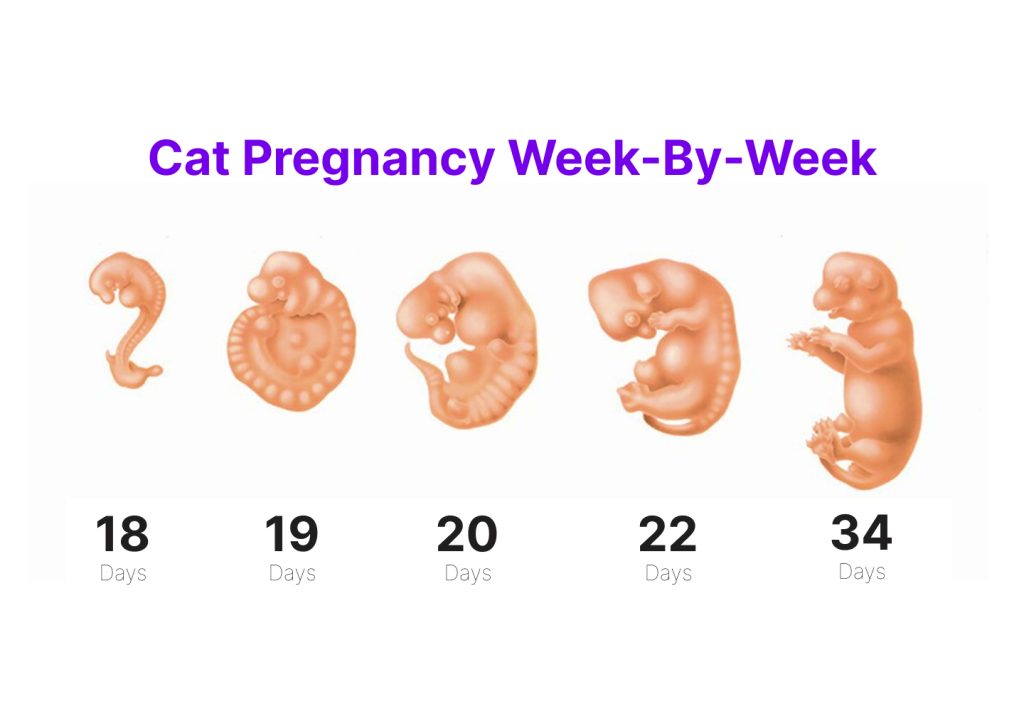
Feline pregnancy develops rapidly, and each week brings new changes inside your cat’s body. Knowing what’s happening each step of the way helps you provide the right care and avoid surprises.
Week 1–2: Fertilization and early development. The embryos travel to the uterus and begin to implant. Your cat will seem normal externally.
Week 3: Hormonal changes kick in. Nipples turn pinker, appetite may change, and your cat may seem calmer or more affectionate.
Week 4: The uterus expands. Your vet might be able to gently feel the developing foetuses. Mild morning sickness may occur.
Week 5: A more visible baby bump. Increased hunger and rest are common. She’ll start showing signs of needing more space and comfort.
Week 6: Kitten movement begins. You might feel soft flutters if you gently rest your hand on her belly. Her nesting instincts may start awakening.
Week 7: Nesting behaviour ramps up. She may seek quiet, dark spaces and grow selective about food. Belly looks fuller.
Week 8: Milk production begins. You might see swelling in her mammary glands. She may groom her belly and seem restless.
Week 9: The final stretch. She may pace, vocalize, or isolate. Keep your labour kit ready and watch closely.
Understanding each phase prepares you to respond with confidence. Even if the journey feels fast, every stage is a chance to offer reassurance and readiness.
Preparing for Kitten Birth
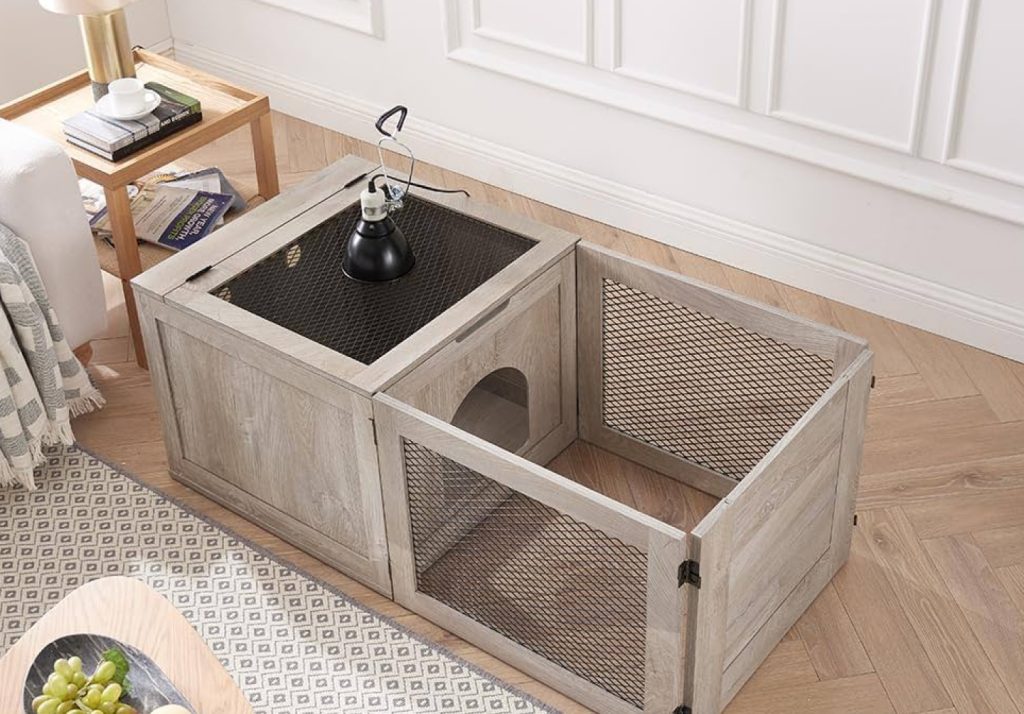
As her due date approaches, preparation becomes your biggest gift to her. A safe, calm space can make all the difference in how smoothly birth goes.
Here’s how to get ready:
- Create a nesting area: Line a large box with soft towels in a quiet, low-traffic part of your home.
- Keep her indoors: Outdoor births can be risky. It’s safest to keep her inside during the final weeks.
- Have essentials on hand: Clean towels, gloves, scissors (sterilized), a bulb syringe, a heating pad, and your vet’s emergency number should be nearby.
- Watch her behaviour: Signs like hiding, pacing, or licking her belly may mean labour is hours away.
The nesting box should be big enough for her to turn around in but cosy enough to feel secure. Line it with old, clean bedding that you don’t mind tossing if soiled.
If she chooses a different location to give birth, don’t force her to move unless it’s dangerous. Her instincts are strong, sometimes stronger than our plans.
Vet Visits During Pregnancy
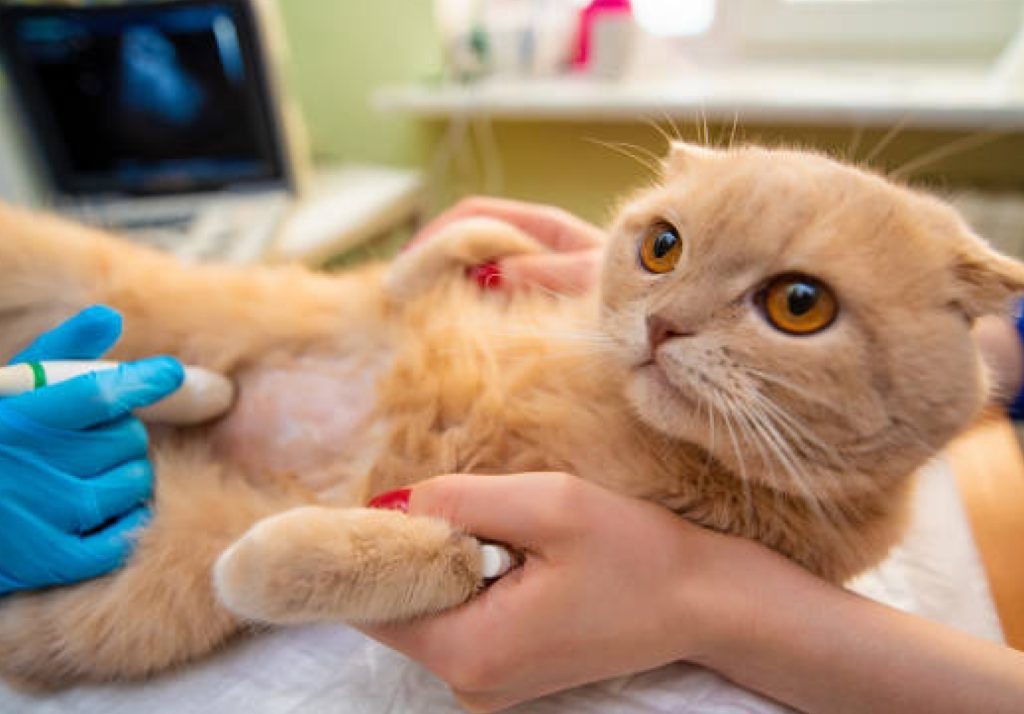
Veterinary support during pregnancy gives your cat the best chance for a smooth experience. Most cats won’t need frequent appointments, but targeted check-ins help ensure everything is progressing normally.
Recommended visits include:
- Week 3: Pregnancy confirmation by ultrasound.
- Week 6: A brief physical exam to assess the size and number of fetuses.
- Final week: A check-in to discuss labor signs, home setup, and when to call for help.
Ultrasounds and X-rays can offer insight into litter size and position, though exact numbers can be tricky to determine. Bloodwork might be advised if she has existing health conditions.
Always reach out to your vet if you notice signs of distress, such as lethargy, heavy discharge, vomiting, or prolonged labour. Prompt care can save lives.
If complications arise during labour (e.g., more than two hours between kittens, excessive bleeding), don’t wait; contact your vet or emergency clinic immediately.
Nutritional Needs During Pregnancy
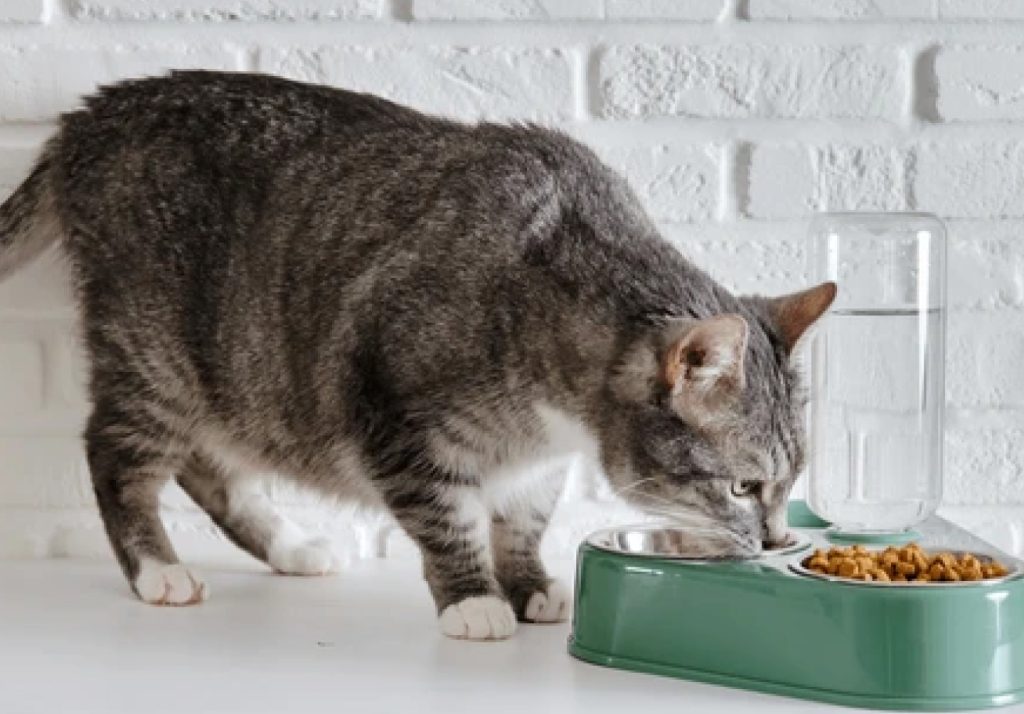
Proper nutrition is one of the most important things you can offer your pregnant cat. Her body is doing extraordinary work, nurturing multiple developing kittens, so her dietary needs increase substantially. What she eats during this time directly affects the health of her litter and her ability to recover after birth.
Here’s how to support her through nutrition:
- Switch to kitten food: Kitten formulas are rich in calories, protein, and essential nutrients, ideal for pregnant and nursing mothers.
- Feed small, frequent meals: As her belly expands, she may not tolerate large meals. Offer more frequent, smaller portions to keep her nourished.
- Ensure constant access to water: Hydration is vital for digestion and milk production later on.
- Avoid supplements unless prescribed: Over-supplementing can be dangerous. If her diet is high quality, additional vitamins or minerals usually aren’t needed.
By week six, her calorie needs may be 25–50% higher than usual. Continue feeding her kitten food throughout lactation until the kittens are weaned. Afterward, you can transition her back to adult cat food gradually.
When to Call the Vet: Warning Signs to Watch

While most feline pregnancies are smooth, complications can happen, and when they do, acting quickly is essential. Knowing the difference between normal symptoms and red flags could save your cat’s or her kittens’ lives.
Contact your vet if you notice:
- Loss of appetite for more than 24 hours
- Vaginal discharge that’s green, black, or foul-smelling
- Excessive vomiting or diarrhea
- Visible straining with no kitten for over 30 minutes
- More than 2 hours between kittens during labor
- Lethargy or signs of distress (panting, hiding, pacing)
Also, seek help if:
- It’s day 67+, and no labour signs have begun.
- She abandons or refuses to nurse her kittens.
- A kitten appears stuck during delivery.
Don’t wait for things to worsen; trust your gut and call your vet if anything feels off. Being prepared with a 24/7 emergency contact can make a world of difference during a crisis.
After the Birth: What to Expect
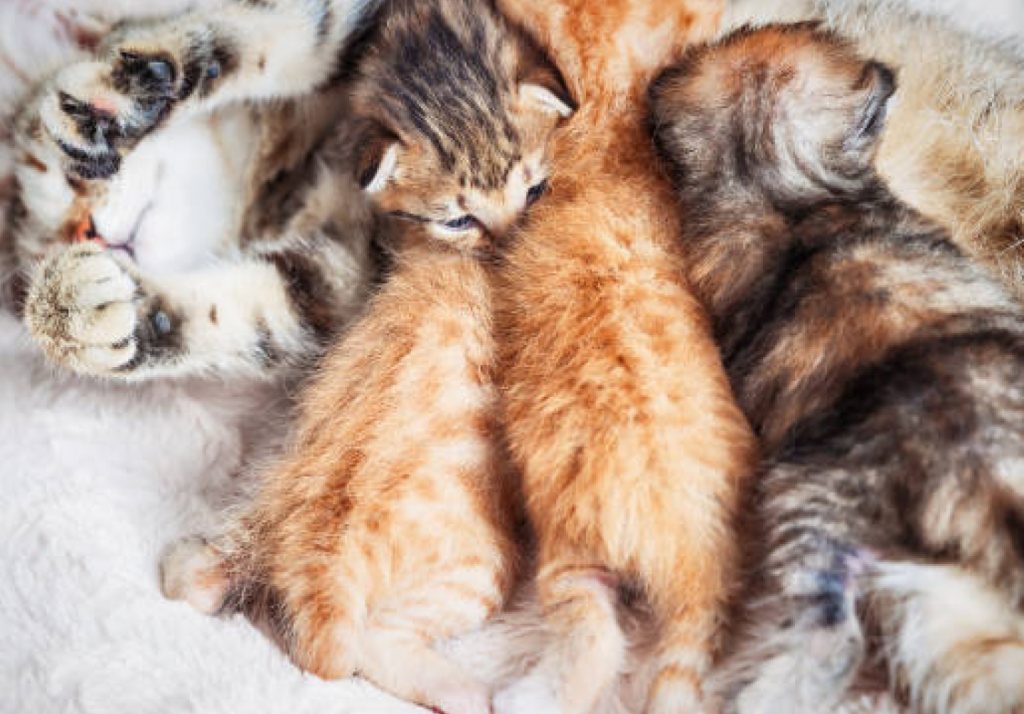
The arrival of kittens is magical and messy. Once labour ends, the real care begins. Knowing what to expect helps you support her recovery and ensure the kittens thrive.
Expect the following:
- Placenta delivery: One per kitten. She may eat them, which is normal.
- Nursing: Kittens will instinctively latch. Help gently guide them if needed.
- Bleeding: Light discharge is normal for a few days. Heavy bleeding is not.
- Protectiveness: She may grow defensive. Give her space and privacy.
Within 24–48 hours, kittens should be warm, quiet, and nursing frequently. Weigh them daily to ensure they’re gaining weight. If they seem cold, weak, or cry excessively, call your vet.
Let mom do most of the work, but stay observant. Your calm, quiet presence remains invaluable.
Caring for Newborn Kittens
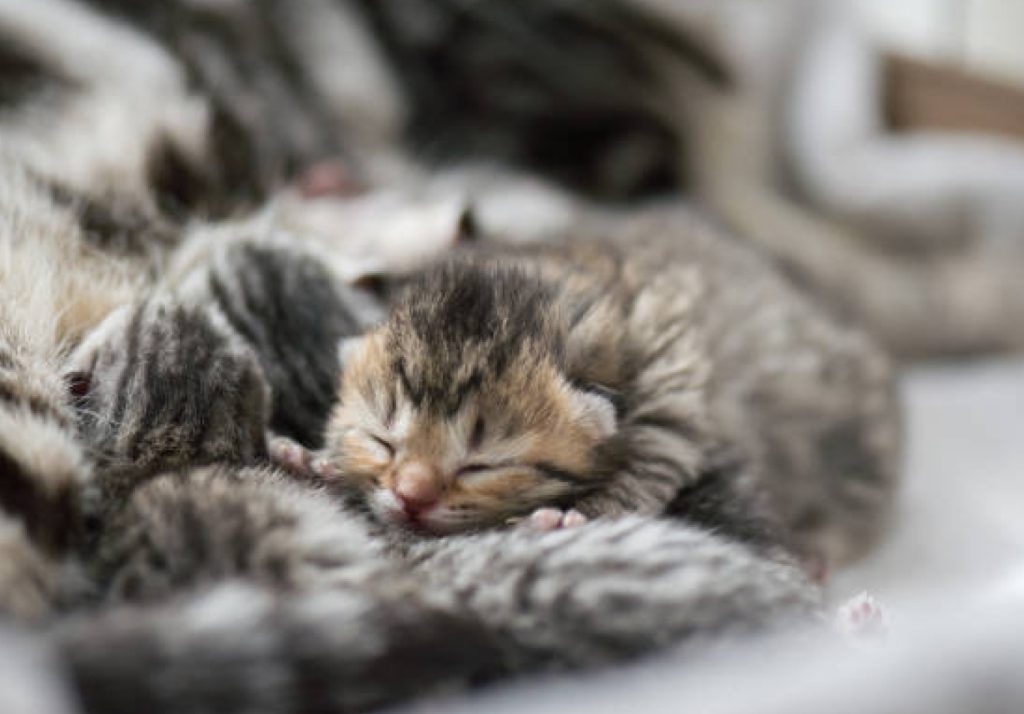
The first few weeks of a kitten’s life are fragile, and your role as a caregiver is to support the mother while keeping a watchful eye on the newborns. While the mother cat instinctively knows how to care for her litter, your preparation and attentiveness can ensure their health and safety.
Here’s how to care for newborn kittens:
- Monitor their weight: Kittens should gain 10–15 grams daily. Use a small kitchen scale to track their progress and ensure they’re thriving.
- Keep them warm: Newborns can’t regulate their body temperature. Ensure the nesting area stays between 85–90°F (29–32°C) for the first week, using a heating pad set to low under half the box.
- Check for nursing: Kittens should nurse every 1–2 hours. If one isn’t latching, gently guide it to a nipple or consult your vet for bottle-feeding advice.
- Maintain hygiene: The mother will clean the kittens, but if she’s overwhelmed, use a warm, damp cloth to gently clean any mess.
- Watch for health issues: Runny noses, crusty eyes, or constant crying can signal problems. Contact your vet immediately if you notice these.
Avoid handling kittens excessively during the first two weeks to minimize stress on the mother. By week three, their eyes will open, and they’ll start to explore, marking the beginning of their socialization phase.
Conclusion
Pregnancy in cats is a short but remarkable journey, one that transforms not only the mother-to-be but also her relationship with you. From the moment you notice her gentle shifts in behaviour to the sound of tiny paws and soft mews, each step draws you closer.
With awareness, preparation, and a little patience, you become her greatest source of calm and care. This experience doesn’t just bring life; it deepens your bond. Your attentive support ensures her comfort and safety, fostering trust that lasts beyond birth. And when the moment finally arrives, you’ll know: every cuddle, every checklist, and every gentle glance was worth it.