

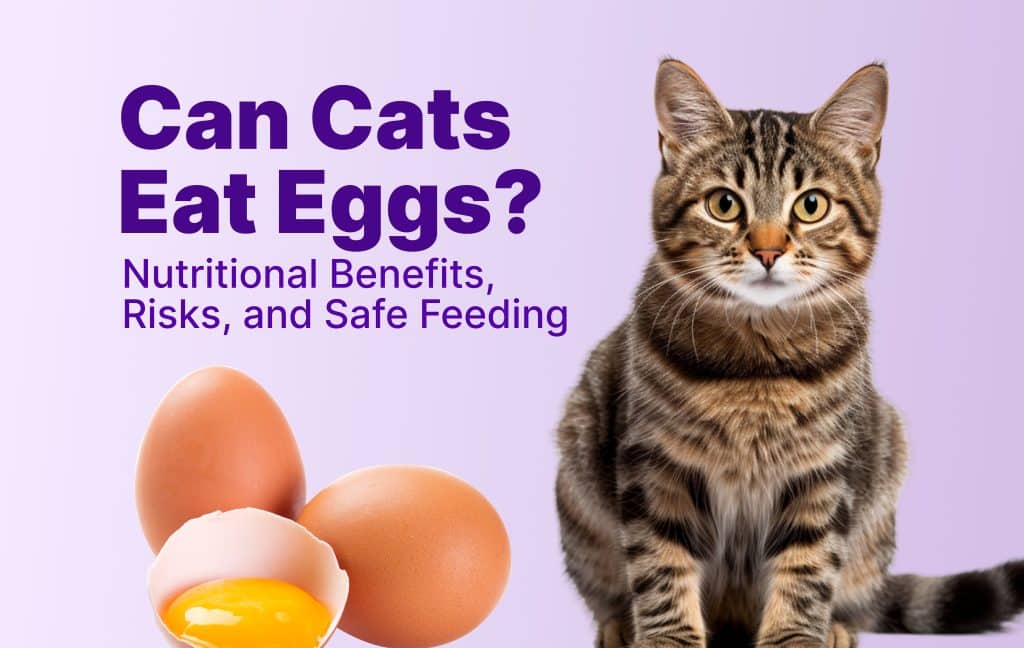
Eggs are a kitchen staple for humans, but when it comes to cats, they spark curiosity and questions. Have you ever caught your cat staring at you while you crack an egg, as if they’re waiting for a bite of that golden goodness?
For some pet parents, eggs seem like the perfect protein boost; for others, they’re a confusing “yes or no” food. Are eggs a safe snack or a hidden risk for your cat? Can cats eat eggs raw, cooked, or not at all? And how often should you feed them eggs? If you’ve ever wondered if eggs belong in your cat’s bowl, you’re in the right place. This article will expose the truth about eggs for cats, from nutrition and safety to comparing raw and cooked eggs, feeding frequency, and fun ways to serve them.
Are Eggs Good for Cats?
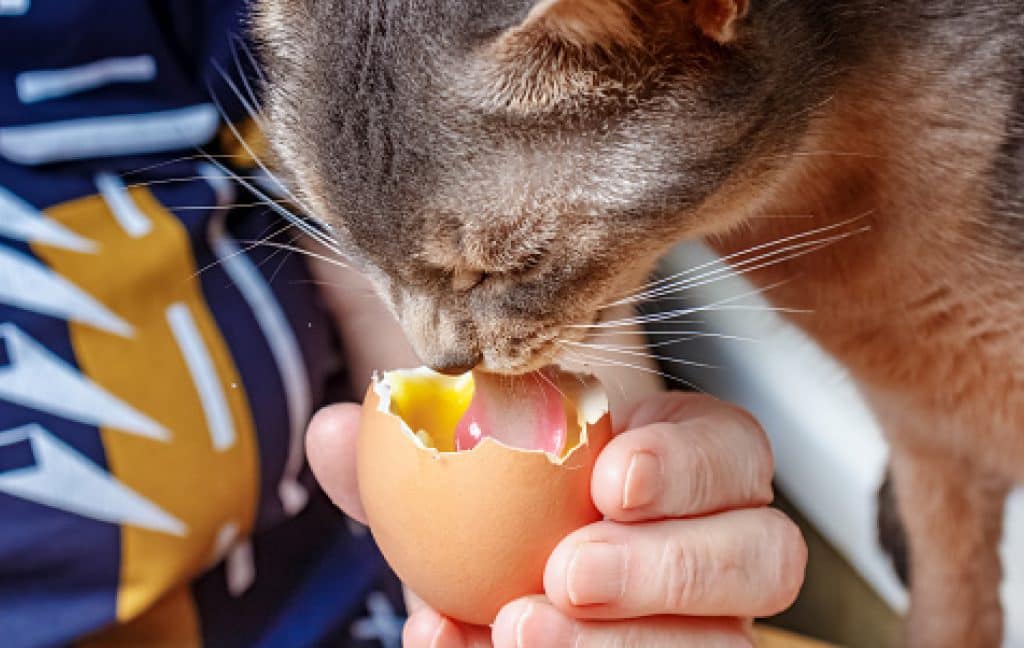
Eggs have long been celebrated as a nutrient powerhouse for humans, but what about our cats? The answer is a resounding yes; eggs can be good for cats, provided they’re prepared and served correctly. Cats are obligate carnivores, meaning their bodies are designed to thrive on animal-based proteins. Eggs fit this category perfectly, offering one of the most digestible forms of protein available.
In addition, the biological value (BV), which is a measure of how efficiently the body uses a protein, is close to 100 for eggs, which makes them an almost perfect protein source. For comparison, beef has a BV of about 80, and fish averages around 75-85. That means your cat can absorb and use the protein in eggs more effectively than many other animal sources.
Beyond protein, eggs are also packed with essential nutrients:
- Vitamins A, D, E, and B12 to support immunity, skin health, and energy metabolism.
- Essential amino acids like taurine, which is good for heart and eye health.
- Healthy fats that nourish the skin and coat.
- Minerals such as selenium and riboflavin play a role in cell protection and energy production.
How Much Egg Should I Feed My Cat?
When it comes to feeding cats eggs, moderation is everything. Cats are small animals with specific dietary needs; they require careful portioning of eggs.
A large chicken egg contains about 70 calories, with roughly 6 grams of protein and 5 grams of fat. The average indoor cat only needs 200–250 calories per day to maintain a healthy weight (depending on size, age, and activity level). That means a whole egg could account for nearly 30% of a cat’s daily calorie intake, which is far too much for a single treat.
Veterinary nutritionists recommend keeping treats such as eggs under 10% of your cat’s daily calories, ensuring their main diet stays balanced. Put simply:
- For most cats, that equals about one teaspoon of cooked egg as a safe portion.
- Larger cats may handle up to a tablespoon, but still no more than once or twice a week.
- Kittens and senior cats should have smaller amounts, if at all, and only with a vet’s approval.
One study found 25% of pet owners feed their pets table scraps, and 85% feed them human food. Eggs may be safer than many table foods, but they show how common it is to “share” and why knowing safe amounts is so important.
So, how much egg should you feed your cat? Think of a small portion. A nibble of cooked white or yolk is enough to give your cat the nutritional boost of eggs without overloading them on fat or calories.
Raw Eggs vs Cooked Eggs
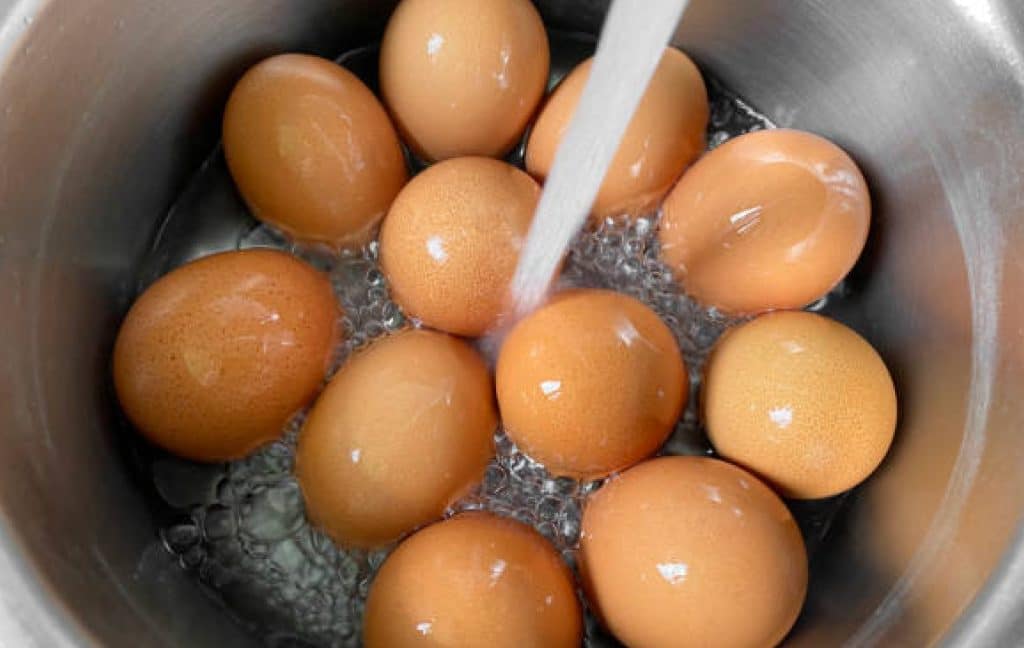
When asking, “Can cats eat eggs?” the real question is how the eggs are prepared. Raw and cooked eggs are worlds apart in terms of safety and nutrition. While raw eggs may look “natural”, they come with serious health risks, while cooked eggs unlock the benefits without the dangers.
Here’s a simple breakdown:
Factor | Raw Eggs | Cooked Eggs |
Safety | Risk of Salmonella or E. coli infection | Safe; bacteria destroyed during cooking |
Nutrient Absorption | Contains avidin, which blocks biotin absorption (important for skin & coat) | Cooking deactivates avidin, allowing proper vitamin absorption |
Digestibility | Harder to digest | Easier for cats to digest |
Protein | Still present but less bioavailable | High-quality, highly usable protein |
Risk Level | High risk, can cause illness and deficiencies | Low risk, safe when served plain, without oil, salt, or butter |
In summary, raw eggs pose risks and can cause serious cat health problems, while cooked eggs offer more benefits. If you want your cat to enjoy the nutritional power of eggs, boiled, scrambled (plain), or poached eggs are the safest and healthiest options.
Can Cats Eat Raw Eggs?
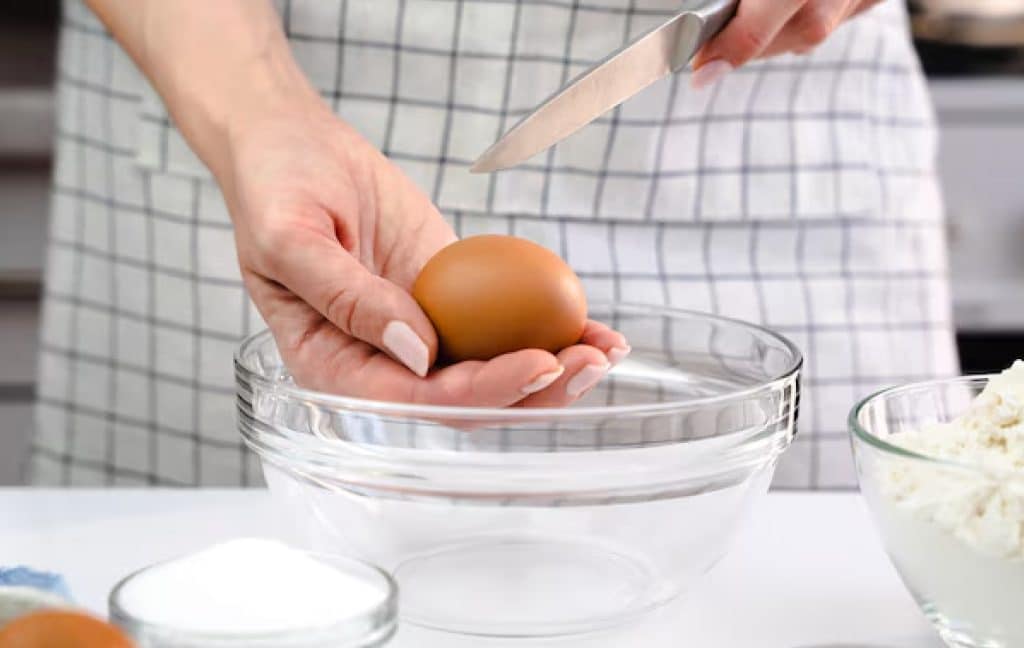
Cats should not eat raw eggs. While raw eggs may seem like a natural food, they come with risks that outweigh any potential benefits for your cat.
The first health concern is bacterial infection. Raw eggs can carry Salmonella or E. coli, both of which can make cats and even humans in the same household seriously ill. Symptoms in cats may include vomiting, diarrhoea, fever, and lethargy — all of which require immediate veterinary care.
Another hidden problem is a protein called avidin, found in raw egg whites. Avidin binds to biotin, an essential B vitamin that supports your cat’s skin, coat, and overall metabolism. Over time, feeding raw egg whites can lead to a biotin deficiency, which shows up as dry skin, dull fur, and even growth problems in kittens.
According to the Centres for Disease Control and Prevention (CDC), about 1 in every 20,000 raw eggs is contaminated with Salmonella. This may sound rare, but the risk can be avoided when safer alternatives, such as properly cooked eggs, are available.
So, can cats eat raw eggs? No. The health dangers outweigh the nutritional value. Stick with cooked eggs to give your cat the goodness of protein and vitamins without risking their health.
Can Cats Eat Egg White?
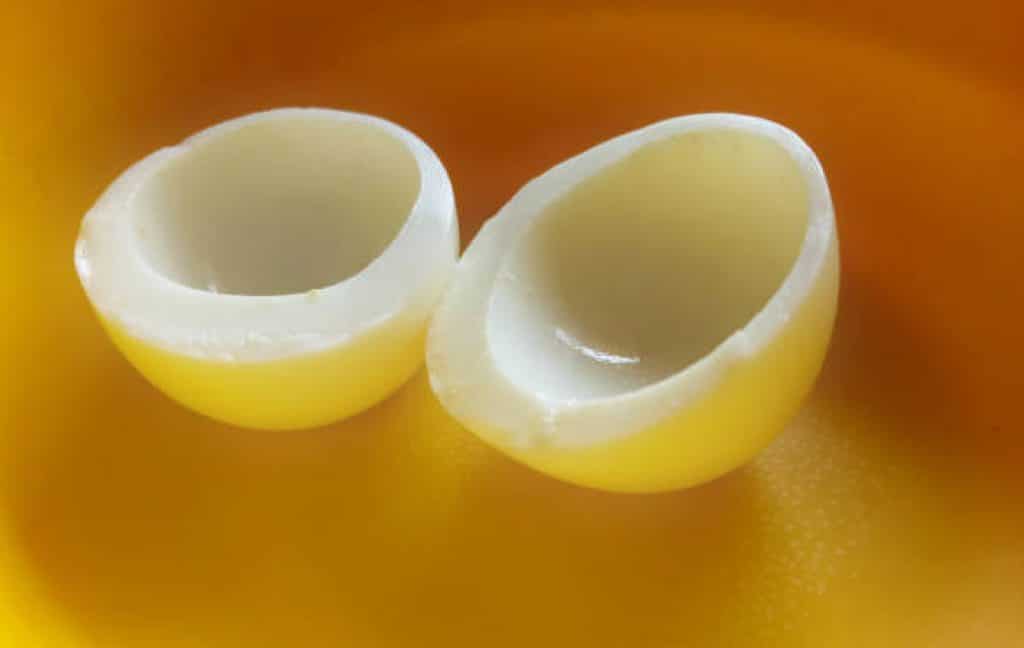
Yes, but only when it’s cooked. Egg whites are almost pure protein, containing about 4 grams of protein and virtually no fat in a single large egg white. This makes them a lean, low-calorie option for cats, especially those who need extra protein without added fat.
Raw egg whites contain avidin, a protein that blocks the absorption of biotin (vitamin B7). Biotin is essential for healthy skin, a glossy coat, and proper energy metabolism. Feeding raw egg whites regularly can gradually lead to biotin deficiency, leaving your cat with brittle fur, flaky skin, and reduced vitality.
Cooking the egg white solves this problem. Heat destroys avidin, making the proteins safe, digestible, and fully beneficial for your cat. Scrambled without oil or seasoning, or hard-boiled and chopped, egg whites can also be a healthy treat in moderation.
Cooked egg whites are safe and healthy for cats, while raw egg whites should always be avoided.
Is Egg Yolk Good for Cats?
Egg yolks are the nutrient powerhouse of the egg. Unlike egg whites, which are mostly protein, yolks contain healthy fats, vitamins, and minerals that can benefit cats. A single large yolk has about 55 calories and 2.7 grams of fat.
The higher fat and calorie content makes them rich but heavy, meaning too much can quickly contribute to weight gain or pancreatitis, especially in indoor cats who burn fewer calories.
Another important point is that cholesterol in yolks is not harmful to cats in the way it is for humans. Cats naturally metabolise animal fats differently. The real concern is balance, not cholesterol.
The safest way for cats to enjoy yolks is to cook them plain and in tiny amounts.
Nutritional Benefits of Eggs
Eggs are not just a breakfast staple for humans; they’re also packed with nutrients that can benefit your cat when fed safely. From protein to essential vitamins, eggs offer a natural boost that supports overall health. Here are some of the key benefits:
- High-quality protein: It helps build and repair muscles, keeping your cat strong and active.
- Taurine support: Eggs don’t replace taurine-rich meat; they contain amino acids that work alongside taurine for heart and eye health.
- Vitamin A – It promotes good vision and strengthens immunity.
- B vitamins (B12, riboflavin, and folate): Boost metabolism, energy levels, and healthy cell function.
- Vitamin D: Supports strong bones and teeth by regulating calcium absorption.
- Iron and phosphorus: They aid red blood cell health and bone strength.
- Healthy fats: Healthy fats nourish the skin and coat, giving cats soft, shiny fur.
- Antioxidants like lutein and zeaxanthin: They protect eye health and may reduce the risk of age-related vision problems.
Eggs are rich in protein, amino acids, and vitamins that support your cat’s overall health, from strong muscles to a shiny coat. When fed in moderation and prepared safely, they make a simple, nutritious treat to complement your cat’s regular diet.
The Risks of Feeding Eggs to Cats
Eggs can be healthy for cats, but they’re not risk-free. If fed incorrectly or too often, eggs may cause health problems rather than benefits. Here are the main risks backed by research:
- Raw egg risks: The CDC estimates that about 1 in every 20,000 eggs may contain Salmonella. While rare, infection can cause vomiting, diarrhoea, and lethargy in cats and can also spread to humans in the household.
- Biotin deficiency: Raw egg whites contain avidin, a protein that binds to biotin (vitamin B7). Over time, excessive consumption of raw eggs could interfere with skin health, coat quality, and energy metabolism.
- High fat content: A large egg yolk contains around 4.5 grams of fat and 55 calories. For indoor cats, that’s a significant extra load that can lead to obesity or even pancreatitis if fed too frequently.
- Digestive upset: Cats with sensitive stomachs may react to eggs with diarrhoea or vomiting, especially if portions are too large.
- Allergies (rare but possible): Though uncommon, cats can develop egg allergies, which may show up as skin irritation, itching, or gastrointestinal issues.
Healthy Egg Recipes for Cats
If you’d like to share eggs with your cat, the key is to keep things simple, safe, and unseasoned. Cats don’t need salt, oil, or spices — just the egg itself. Here are a few healthy ways to prepare eggs as an occasional treat:
- Plain Scrambled Egg: Lightly scramble an egg in a non-stick pan without butter or oil. Let it cool, then offer your cat a spoonful.
- Boiled Egg Bites: Hard-boil an egg, chop it into tiny pieces, and mix a little into your cat’s regular meal.
- Steamed Egg Mash: Steam an egg until cooked, mash it with a fork, and serve a teaspoon as a soft, protein-rich snack.
- Egg & Tuna Mix: Combine a small piece of cooked egg with a bit of plain canned tuna (in water, not oil) for a protein-packed treat.
- Egg Toppers: Sprinkle a few shreds of cooked egg yolk over your cat’s kibble to add flavour and variety.
Conclusion
Eggs can be a wholesome and enjoyable treat for cats when offered in the right way. Rich in protein and essential nutrients, they bring variety and a little extra nourishment to your cat’s diet. Cooked and plain egg is always the safest choice, and just a small serving is enough to give your feline friend a taste without upsetting the balance of their meals.
Still, eggs should never replace a complete, balanced cat food. Overfeeding or serving them raw can create more risks than rewards. Think of eggs as a special snack — a way to share something simple, safe, and full of care.
At the heart of it, your cat’s health comes from balance. A tiny taste of egg, given with love, is more than enough to make them happy and healthy.