

What is winter sports travel insurance?
Winter sports travel insurance is a travel cover designed to protect you during skiing, snowboarding, sledging, and other snow-based sports. It protects you if you are injured while taking part in these activities, need medical treatment, emergency assistance, or specialist rescue on the slopes.
This type of insurance focuses on risks that are specific to common winter sports injuries, including high-speed accidents, falls on icy terrain, and injuries that may require mountain rescue or airlift evacuation. It also helps cover financial losses if an injury forces you to cut your trip short.
In practical terms, winter sports travel insurance ensures you can access medical care abroad, receive emergency support in mountain environments, and avoid high out-of-pocket costs such as mountain rescue fees that can exceed £10,000 if something goes wrong during your winter sports holiday. Cover that standard travel insurance excludes.
For UK travelers heading to European or international ski resorts, having the right winter sports cover means you are protected from the moment you arrive at the slopes until you return home. Comparison platforms like Quays make it easy to find policies that match your specific needs and activities
What does winter sports travel insurance cover?
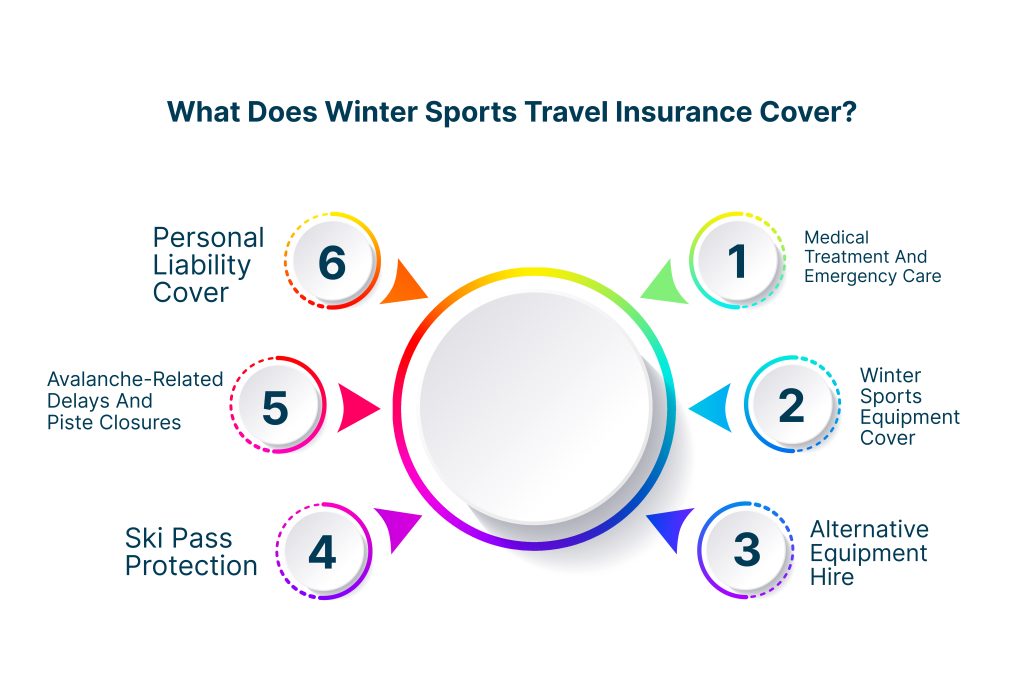
Winter sports insurance is designed to cover risks that occur when you take part in snow-based activities.
- Medical treatment and emergency care
Covers medical treatment if you are injured or fall ill while taking part in winter sports. This includes hospital care, medication, emergency transport, and specialist rescue such as ski patrol or mountain evacuation.
- Winter sports equipment cover
Covers loss, theft, or damage to essential equipment like skis, snowboards, helmets, boots, and goggles. Some policies also cover hired equipment.
- Alternative equipment hire
Pays for temporary equipment hire if your luggage is delayed or lost on your outward journey, allowing you to continue your activities.
- Ski pass protection
Reimburses unused ski passes if an injury prevents you from continuing your winter sports activities.
- Avalanche-related delays and piste closures
Provides cover if avalanches or piste closures last more than 24 hours, including compensation for lost skiing time or extra travel and accommodation costs.
- Personal liability cover
Covers legal and compensation costs if you accidentally injure someone else or damage property while taking part in winter sports.
What does winter sport travel insurance not cover?
While winter sports travel insurance offers specialist protection, there are limits. Common exclusions include:
- Activities not listed in the policy: If a winter sport or activity is not specifically named in your policy, it may not be covered. Higher-risk activities such as off-piste skiing, heli-skiing, or freestyle park features often require additional cover.
- Injuries while skiing off-piste without a guide: Most policies exclude injuries sustained off-piste unless you are skiing with a qualified local guide and within resort boundaries.
- Alcohol- or drug-related incidents: Claims may be rejected if an injury occurs while under the influence of alcohol or drugs beyond legal or policy limits.
- Pre-existing medical conditions: Injuries or complications linked to pre-existing medical conditions are usually excluded unless the condition has been declared and accepted by the insurer.
- Ignoring safety advice or resort rules: Accidents that happen while ignoring safety warnings, piste closures, or official resort instructions may not be covered.
- Wear and tear of equipment: Normal wear and tear, cosmetic damage, or poor maintenance of equipment is not covered. Insurance typically applies only to sudden loss, theft, or accidental damage.
Unapproved competitions or professional sports: Most standard policies exclude injuries from professional sports, competitions, or organised races unless extra cover is added.
What sports are covered by winter sports travel insurance?
Winter sports insurance covers various activities, depending on your insurer and the level of cover you choose.
Some of the common winter sports are;
- Skiing and snowboarding (on marked and patrolled pistes)
- Sledding and tobogganing
- Cross-country skiing
- Snowshoeing
- Off-piste skiing (especially without a guide)
- Freestyle skiing or snowboarding in terrain parks
- Ice climbing
- Snowmobiling
- Glacier skiing
- Ski touring and mountaineering
- Heli-skiing
How much does winter sports insurance cost?

The cost of travel insurance for winter sports varies depending on several factors. Some of these factors include
- Your destination: Where you are travelling matters. Countries with higher healthcare costs, such as France, Austria, Switzerland, Canada, and the USA, often have higher insurance premiums. This is because emergency treatment and rescue services are more expensive in these regions.
- Your Age: Insurers generally charge higher rates for older travelers due to increased health risks. Medical claims, especially for injuries or hospital care, increase with age.
- Level of cover: The amount of protection you choose directly affects cost. Basic winter sports cover (medical and rescue only) will be cheaper than a more comprehensive policy that includes: Equipment cover, piste closure compensation, ski pass reimbursement, personal liability cover and adding these options increases your premium, but also expands your protection.
- Type of trip:You can choose between single-trip winter sports insurance, which is ideal for one holiday, and annual winter sports insurance, which covers multiple trips in a year and costs more upfront but is more cost-effective if you travel more than once.
Will EHIC or GHIC cover me for Europe?
The EHIC (European Health Insurance Card) and GHIC (Global Health Insurance Card) can offer limited healthcare access when travelling in Europe, but they do not replace winter sports travel insurance.
What EHIC and GHIC cover
EHIC and GHIC allow UK travellers to access state-provided healthcare in EU countries and a few others, at the same cost as residents. This means you may receive:
- Emergency medical treatment in public hospitals
- Reduced-cost or free care where locals receive the same benefit
This cover applies only to medically necessary treatment and only within the public healthcare system.
What EHIC and GHIC do not cover
EHIC and GHIC do not cover most winter sports-specific risks, including:
- Ski patrol rescue or mountain rescue
- Helicopter airlifts from slopes
- Private medical treatment
- Repatriation back to the UK
- Trip cancellation or early return due to injury
- Lost, damaged, or stolen ski equipment
- Piste closures or avalanche-related delays
If you are injured on the slopes, these uncovered costs can quickly run into thousands of pounds.
How do I get a winter sports travel insurance quote?

- Enter your trip details
This will require you to provide;
- Your destination
- Travel dates
- Number of travellers
- Type of trip (single trip or annual cover)
Insurers use these details to calculate the level of risk and cost.
- Select winter sports cover
Choose winter sports cover when prompted. This ensures your quote includes protection for activities such as skiing, snowboarding, and other snow-based sports. If you plan to take part in higher-risk activities, you may need to select additional options.
- Declare medical conditions
If you have any pre-existing medical conditions, then it is important to declare it. This step is important, as undeclared conditions could invalidate a claim later.
- Compare policy benefits
Review what each quote includes, focusing on:
- Medical cover limits
- Mountain rescue and airlift cover
- Equipment and ski pass protection
- Excess amounts
Don’t choose based on price alone; check what’s covered.
- Choose and buy your policy
Once you have found a policy that meets your needs, you can buy it online and receive your documents immediately.
How do I get the best Winter sport travel insurance?
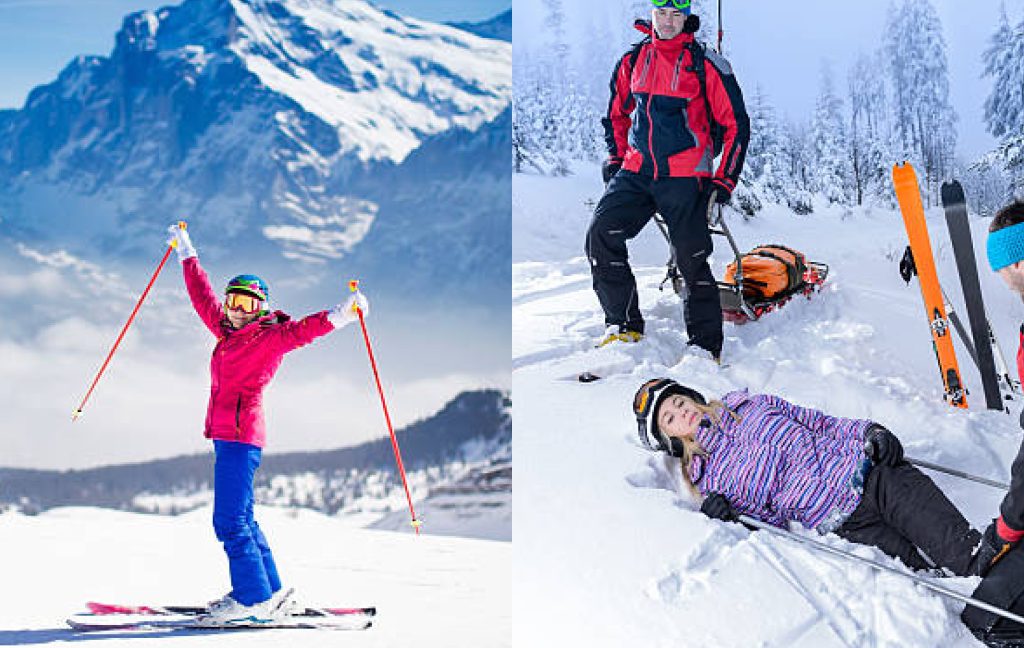
Choosing the right winter sports travel insurance can be overwhelming, but by focusing on a few key areas make the decision easier. Here’s how to get the best travel insurance.
- Confirm that winter sports are included in the policy
The most important step in getting the right travel policy is to make sure the policy explicitly covers the winter activities you intend to do. Unlike standard travel insurance that excludes snow-based sports by default. Look out for wordings like: winter-sport cover included, skiing and snowboarding cover, snow-activities covered as standard.
- Check the level of medical and emergency cover
Winter sports can lead to injuries that may require costly treatment abroad. Always look out for maximum medical cover amount, if mountain rescue and evacuation are included, and if repatriation to your home country is included.
- Compare Rescue, Evacuation, and Patrol support
Not all policies treat recue cost equally, so it’s best to check your policy for services like ski patrol assistance, mountain rescue, or helicopter evacuation. These services are expensive, especially when you are paying out of pocket. So make sure your policy clearly covers them without restrictions.
- Check trip cancellation and curtailment
In cases where illness or injury could cut your trip short, or prevent you from going at all, look for policies that cover non-refundable costs(flights, accommodations, or Ski passes) or reimbursement for unused equipment and lessons.
- Read the fine print
Before opting for an insurance, always
- Check policy wording for exclusions
- Confirm if pre-existing medical conditions are covered
- Ensure age limits and activity limits match your needs
Tips for Winter sports travel
- Choose the right travel Insurance early
Don’t wait until the last minute to buy winter sports travel insurance. Purchasing early ensures you are covered for pre-departure issues such as trip cancellation, delays, or unexpected illness before travel. Always confirm that your chosen policy specifically includes the winter sports you plan to take part in.
- Check what activities are covered
Not all winter sports are automatically included in every policy. Before travelling, review the activity list to confirm coverage for skiing, snowboarding, sledding, snowmobiling, or off-piste skiing (if applicable). If an activity isn’t listed, it may not be covered in the event of an injury.
- Pack and protect your equipment properly
Winter sports equipment is expensive and prone to damage during transit. Use padded ski bags, label your gear clearly, and consider taking photographs of your equipment before travel. This helps support insurance claims if your equipment is lost, damaged, or delayed.
- Dress for warmth and safety
Layering is essential in cold environments. Wear moisture-wicking base layers, insulated mid-layers, and waterproof outerwear. Helmets, wrist guards, and goggles should be treated as essential safety gear, not optional extras, especially for beginners.
- Prepare your body before the trip
Winter sports demand balance, strength, and endurance. Light training before your trip, such as leg strengthening, core exercises, and cardio, reduces fatigue and lowers the risk of strains and falls once you are on the slopes.
- Respect the weather and slope conditions
Mountain weather can change quickly. Always check daily forecasts, avalanche warnings, and visibility conditions before heading out. Poor weather increases injury risk and may lead to slope closures, so flexibility in planning is key.
- Know your limits on the slopes
Many winter sports injuries (internal link to common winter sports injuries blog) occur late in the day when fatigue sets in. Stick to slopes that match your ability, take regular breaks, and avoid pushing yourself to attempt runs beyond your skill level, especially after a long day.
- Keep emergency details accessible
Save local emergency numbers, your travel insurance provider’s contact details, and policy number on your phone and in printed form. This ensures quick access to help if you’re injured or need assistance.
- Understand local ski rules and etiquette
Each resort has safety rules designed to protect everyone on the slopes. Follow posted signs, speed limits, and slope markings. Ignoring resort rules can increase injury risk and may even affect insurance claims.
- Document incidents immediately
If an accident occurs, take photos, note the location, and request written reports from ski patrol or medical staff. This documentation is essential if you need to make an insurance claim later.
Conclusion
Winter sports holidays are exciting, but they come with risks that standard travel insurance doesn’t cover. This includes mountain rescue, emergency medical treatment abroad, or the financial impact of an injury on the slopes, which can be devastating without proper protection.
Winter sports travel insurance is designed specifically for these risks. It covers medical emergencies, specialist rescue services, equipment damage, trip disruptions, and protection that EHIC or GHIC cards alone cannot provide.
Before you travel, compare policies through Quays to find cover that matches your planned activities and destination. Buy your insurance as soon as you book your trip, read the policy wording carefully, and ensure you are protected from day one.
With the right winter sports travel insurance in place, you can enjoy the slopes confidently, knowing you are covered no matter what happens.