



Travelling with your pet can be a rewarding experience, but it takes more than packing food, treats, and a leash. Changes in routine, unfamiliar environments, and long journeys can leave pets feeling anxious or uncomfortable if they’re not properly prepared. Taking a few simple steps before you travel can help keep your pet safe, comfortable, and relaxed throughout the journey.
Road trips, train journeys, and flights all come with different challenges, so planning is essential. Choosing the right travel carrier, understanding travel requirements, and packing the essentials can help prevent unnecessary stress and make the journey smoother for both you and your pet.
This guide shares practical pet travel tips to help you prepare before you leave, keep your pet comfortable on the journey, handle unexpected situations, and help them settle back into their normal routine once you return home.
Start with a Vet Check Before Any Trip
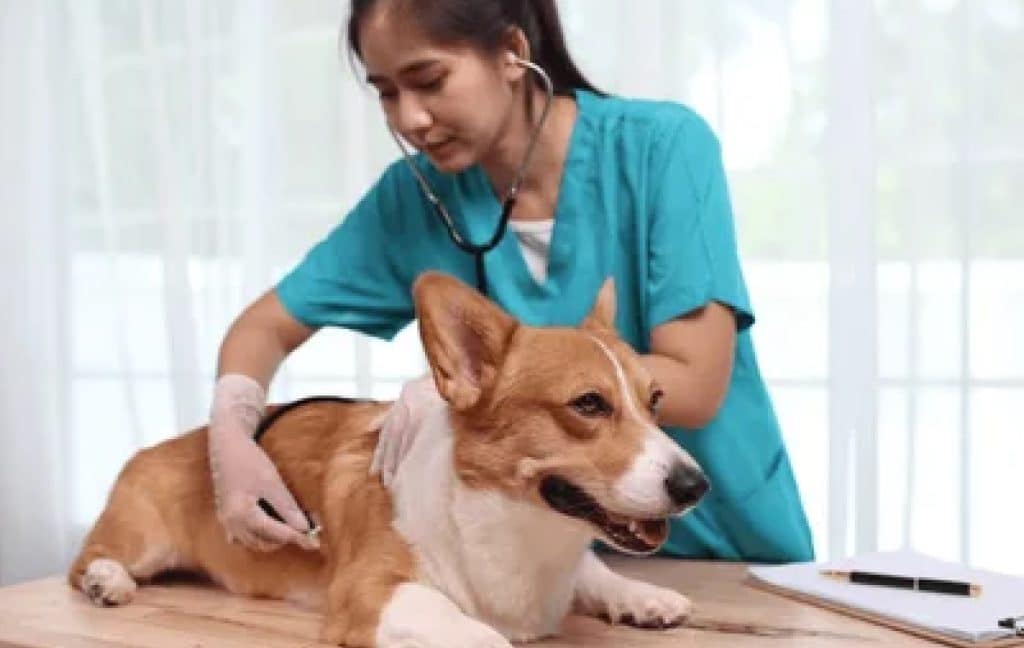
Before travelling with your pet, schedule a check-up with your veterinarian. A pre-travel health assessment helps confirm that your pet is fit to travel and gives you time to address any health concerns before you leave. This is especially important for puppies, kittens, senior pets, and animals with existing medical conditions.
During the appointment, your vet may:
- Perform a general health examination to ensure your pet is healthy enough for travel.
- Confirm vaccinations are up to date, including rabies and other core vaccines required by your destination or transport provider.
- Check your pet’s microchip details and ensure your contact information is current in the registration database.
- Issue a health certificate if you’re flying or travelling internationally, as many airlines and countries require one before entry.
- Recommend travel medications if your pet is prone to motion sickness, anxiety, or other travel-related issues.
Booking a vet visit before your trip can help you avoid unexpected delays, meet travel requirements, and give you peace of mind that your pet is ready for the journey.
Understand Your Destination’s Pet Travel Regulations
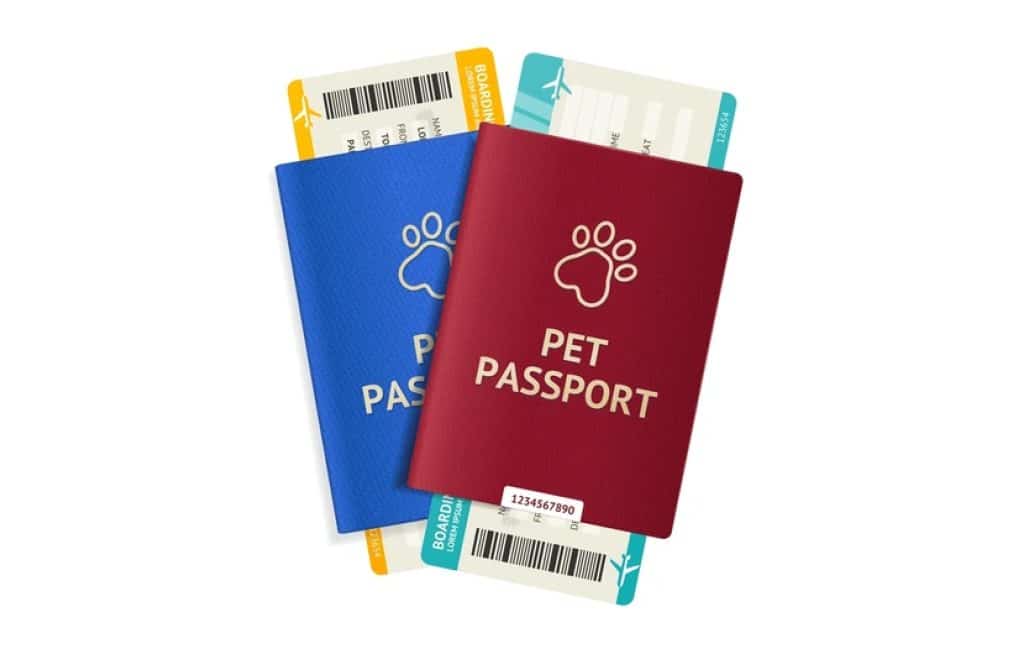
Travel requirements for pets vary depending on your destination and mode of transport. Some countries have strict entry rules, while airlines, trains, and ferries may have their own policies for travelling with animals. Checking these requirements well in advance can help you avoid delays, denied boarding, or unexpected quarantine.
Key requirements to consider for your pet travel:
Location | Pet Passport Needed? | Quarantine Risk | Additional Notes |
UK to EU | Yes (Animal Health Certificate) | Low | Must be issued within 10 days of travel |
USA to UK | No pet passport, but a rabies certificate is required | Moderate | Health certificate must be USDA-endorsed. |
Domestic (UK/US) | No passport | Low | Airline/train pet policy still applies |
Taking time to understand the rules before your departure can make the journey smoother and help ensure your pet arrives safely without unnecessary complications.
Choose the Right Travel Carrier or Restraint
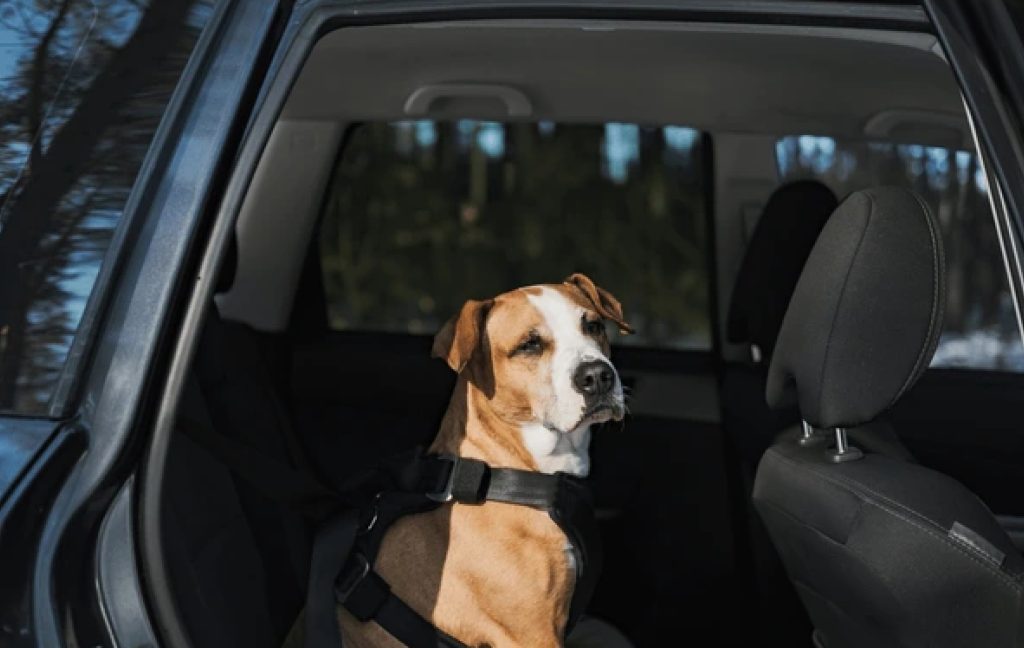
The right carrier or restraint keeps your pet safe and comfortable throughout the journey. It should be well-ventilated, secure, and large enough for your pet to stand, turn around, and lie down comfortably.
Choose the option that suits your mode of travel:
- Air travel: Use an airline-approved carrier that meets your airline’s requirements.
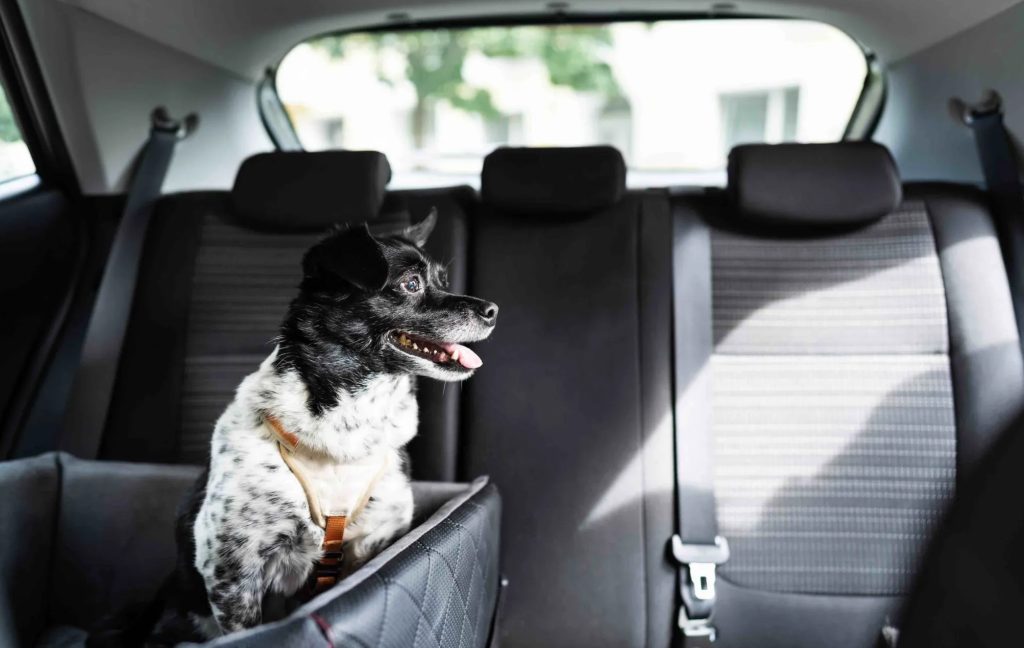
- Car travel: Secure your pet with a crash-tested harness or a properly fastened travel crate.
- Train or bus travel: Use a lightweight, escape-proof carrier that complies with the transport provider’s guidelines.
Before you travel, help your pet get used to the carrier by leaving it open at home and placing familiar bedding or a favourite toy inside.
Pack a Pet Travel Kit
Packing a dedicated travel kit ensures you have everything your pet needs throughout the journey. Keeping essential items in one place also makes it easier to respond to unexpected situations.
Your pet travel kit should include:
- Food and treats
- Fresh water and collapsible bowls
- Medications and a basic pet first-aid kit
- Waste bags or a travel litter tray
- A favourite blanket or toy for comfort
- Grooming wipes or towels
- Vaccination records, health certificates, and identification details
Checking your supplies before you leave can help make the journey more comfortable for both you and your pet.
Maintain your Pet’s Routine on the Trip
Pets are more comfortable when their daily routine stays as consistent as possible. Keeping familiar feeding times, exercise, and rest periods can help reduce stress throughout the journey.
To help your pet stay comfortable:
- Feed them at their usual times whenever possible.
- Offer fresh water regularly to keep them hydrated.
- Take breaks every 2–3 hours during long road trips so they can stretch and relieve themselves.
- Bring familiar items, such as their favourite blanket or toy, to provide comfort in unfamiliar surroundings.
- Avoid sudden changes to their diet while travelling to reduce the risk of digestive upset.
A familiar routine can help your pet feel more secure, making the trip easier for both of you.
Help Your Pet Stay Calm

Traveling can be stressful for some pets, especially if they’re unfamiliar with long journeys or new environments. Recognising the signs of anxiety early can help you keep them comfortable throughout the trip.
Common signs of travel stress include:
- Excessive panting, drooling, or meowing
- Restlessness or pacing
- Hiding or refusing to leave the carrier
- Loss of appetite
- Vomiting or signs of motion sickness
You can help your pet stay calm by:
- Using familiar bedding or toys
- Taking regular breaks during road trips
- Playing soft, calming music
- Using vet-approved calming products if needed
- Speaking to them in a calm, reassuring voice
If your pet experiences severe anxiety or motion sickness, consult your veterinarian before travelling for advice on suitable treatment options.
Plan Pet-Friendly Activities

Including activities your pet can enjoy makes the trip more rewarding for both of you. Before you travel, look for pet-friendly parks, walking trails, beaches, cafés, or attractions at your destination.
Keep these tips in mind:
- Choose activities that match your pet’s age, size, and energy level.
- Avoid crowded or noisy places if your pet is easily overwhelmed.
- Plan regular breaks for water, rest, and exercise.
- Avoid outdoor activities during extreme heat or cold.
Balancing activity with plenty of rest helps keep your pet comfortable and happy throughout the trip.
Flying With Your Pet
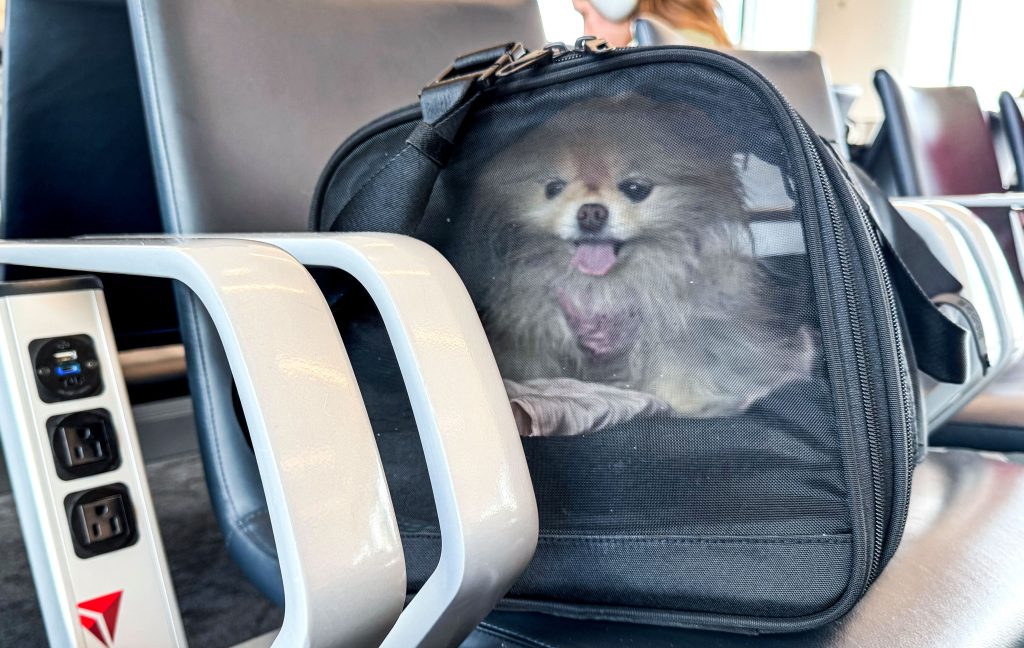
Flying can be more stressful than other forms of travel, so planning ahead is essential. Before booking your trip, review your airline’s pet travel policy, as carrier requirements, documentation, and pet size restrictions can vary.
To help your pet travel safely:
– Book a direct flight to reduce travel time and transfers.
– Arrive early to allow enough time for check-in and security procedures.
– Use an airline-approved carrier with proper ventilation.
– Label the carrier with your contact information and emergency details.
– Pack copies of your pet’s health and vaccination records.
If you have concerns about your pet’s ability to fly, speak with your veterinarian before making your travel plans.
Keep Your Pet Safe and Easily Identifiable
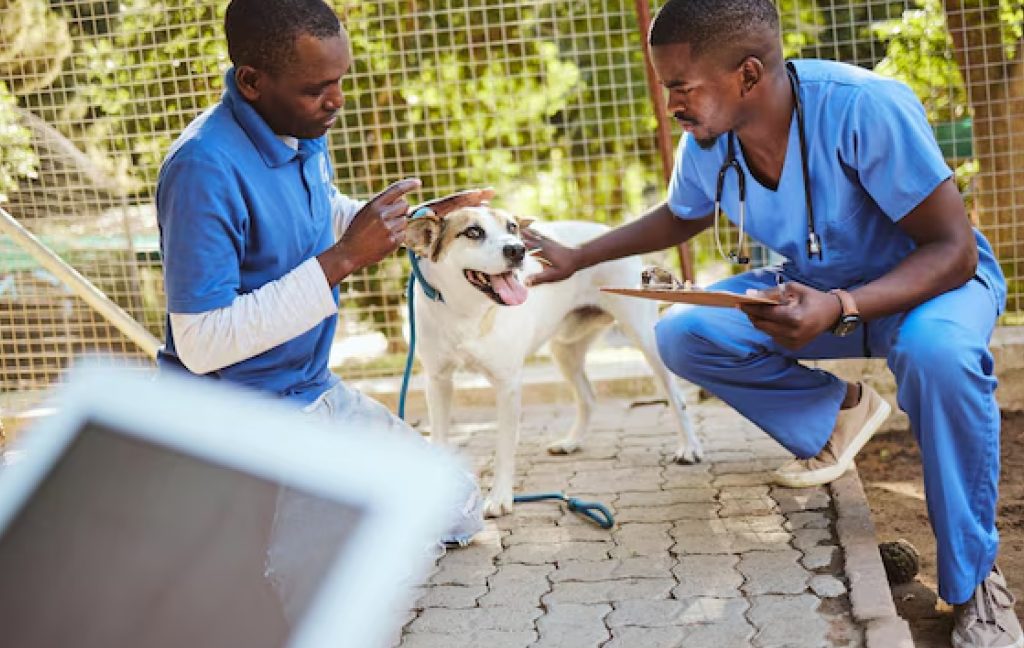
Even with careful planning, pets can become separated from their owners in unfamiliar places. Making sure your pet can be quickly identified increases the chances of a safe reunion if they get lost.
Before you travel:
- Make sure your pet’s microchip is registered and your contact details are up to date.
- Attach a sturdy ID tag with your name and phone number to their collar or harness.
- Consider using a GPS tracker for added peace of mind during outdoor activities.
- Label your pet’s carrier with your contact information, destination address, and emergency contact details.
Taking these simple precautions can help protect your pet and make travelling together safer and more enjoyable.
Help Your Pet Readjust Post-Trip

After a trip, pets might struggle with changes in behaviour, lethargy, and anxiety. They might exhibit signs of separation anxiety, have trouble adjusting to their routine, or even show signs of post-holiday blues like loss of appetite. Easing your pet back into routine gently keeps them grounded, preventing confusion or anxiety from lingering after the adventure ends.
Steps to readjust:
- Offer extra playtime and reassurance
- Monitor for symptoms like diarrhea or with
Conclusion
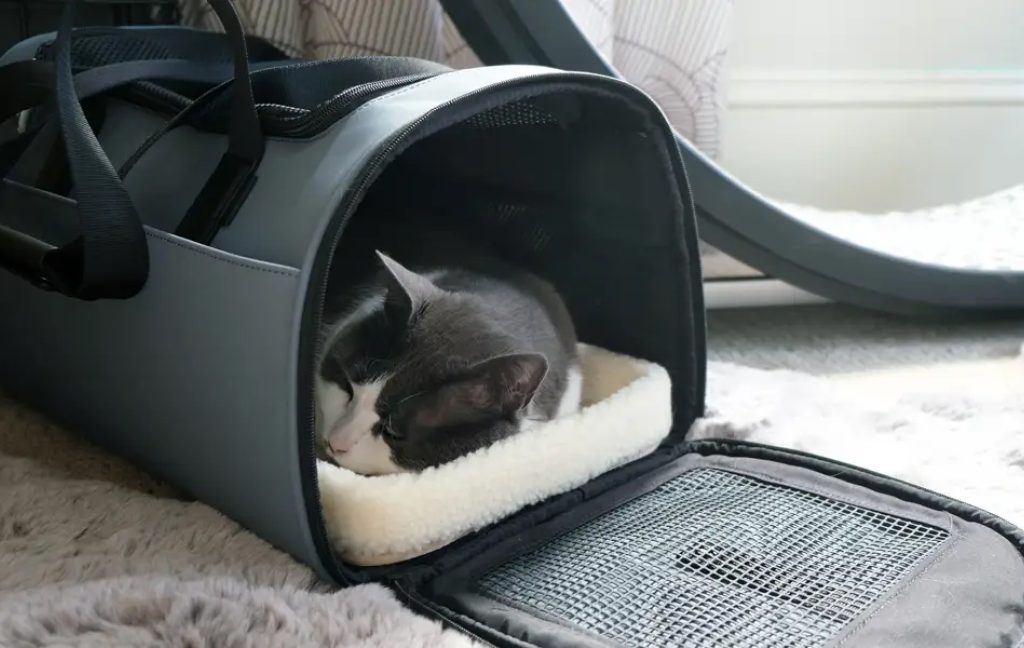
Your pet might not say it out loud, but they feel every bump, pause, and change along the journey. A little extra care, a comfy carrier, familiar scents, and quiet reassurance can turn pet travel from stressful to soothing. Don’t just pack for the trip; prepare with love. Watch their cues, comfort them when they seem unsure, and let your presence be their peace.
Travel is not just a trip; it is a shared experience. So wherever you go, go together with gentleness and trust.
Do you know any pet parents planning a trip with their pet? Share this guide with them; it could turn another pet’s anxiety into ease.