

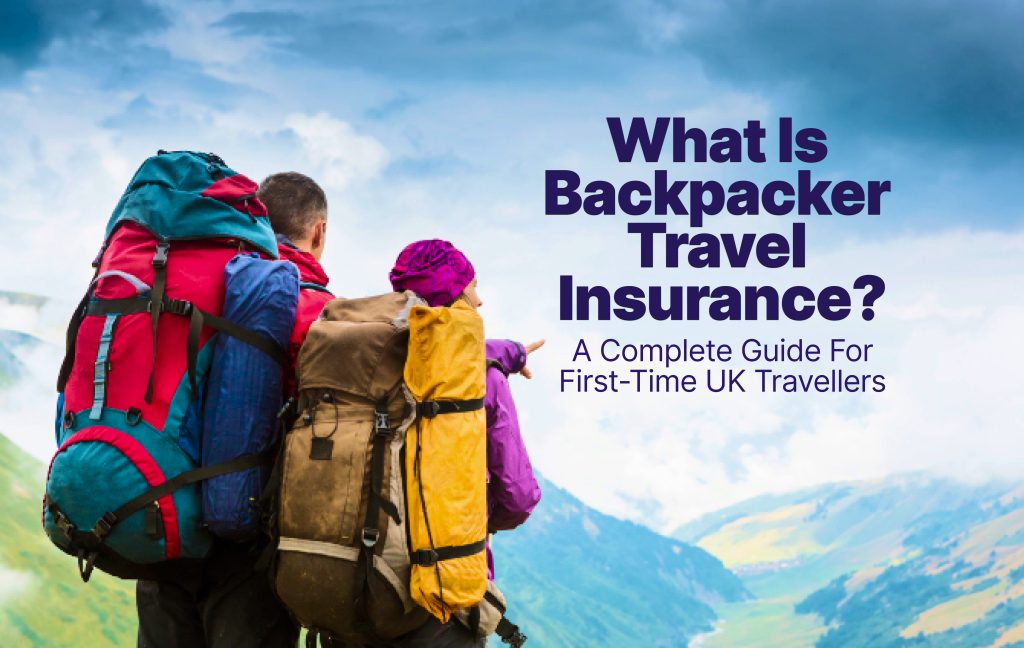
Every year, thousands of UK travellers set off on backpacking adventures across multiple countries. Industry data shows that the average backpacking trip lasts 3-6 months and spans 5-8 countries. Yet many first-time backpackers discover too late that their standard travel insurance doesn’t cover extended trips, flexible itineraries, or activities common to backpacking.
Understanding what backpacker travel insurance is and how it differs from standard policies helps you make informed decisions before your journey begins. This guide explains the basics of backpacker travel insurance, what it covers, and how to choose the right protection for your trip.
What is Backpacker Travel Insurance?
Backpacker travel insurance is a specialised form of travel insurance designed for travellers embarking on extended, multi-destination journeys with flexible plans. Unlike standard policies built for short holidays with fixed dates, backpacker insurance accommodates the realities of long-term independent travel.
The key difference is flexibility. Standard travel insurance covers trips up to 31 days with set departure and return dates to one or two destinations. Backpacker travel insurance covers periods from 3-18 months, allows flexible or open-ended return dates, and provides multi-country coverage across entire regions or worldwide without needing separate policies for each destination.
This type of insurance is commonly used by:
- Gap year students taking time between education stages
- Career breakers exploring the world before returning to work
- Working holiday makers combining travel with temporary employment
- Long-term travellers seeking extended cultural immersion
Why Backpacking requires different Insurance coverage

Backpacking introduces risks that standard holiday insurance isn’t designed to handle. Here’s why specialised coverage matters:
- Extended travel duration: Standard policies cover trips up to 31 days. Backpackers travel for 3-12 months, increasing exposure to medical emergencies, lost belongings, or trip disruptions that fall outside standard policy limits.
- Multiple countries and regions: Backpackers regularly cross borders between countries with different healthcare systems and costs. Each crossing without proper multi-country cover could leave you unprotected.
- Flexible and changing itineraries: Plans change based on weather, budget, or recommendations from other travellers. Standard policies require set dates, making them unsuitable for open-ended travel.
- Higher-risk activities: Backpacking often includes trekking, scooter rental, water sports, or volunteering. Many activities aren’t automatically covered by standard policies.
Carrying all possessions: Unlike holidaymakers who leave most belongings at home, backpackers carry everything for months. The risk of theft, loss, or damage requires appropriate coverage levels.
Common backpacking incidents and risks
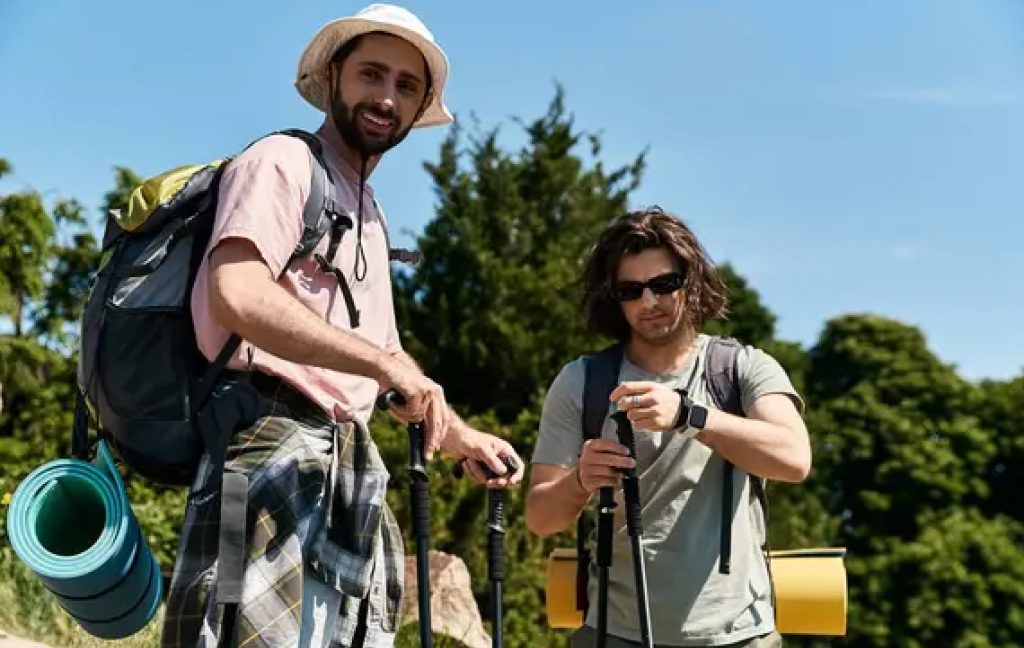
Understanding what can go wrong helps explain why backpacker-specific insurance exists:
- Medical emergencies abroad: Illness and injury are among the most common incidents. Healthcare costs vary; a hospital visit might cost £50 in Southeast Asia but £5,000+ in the United States. Medical emergencies include food poisoning, accidents during activities, tropical diseases, or dental emergencies.
- Theft and lost belongings: Backpackers are vulnerable because they carry all their possessions. Common incidents include pickpocketing, hostel dormitory theft, bag snatching, and opportunistic theft.
- Travel disruptions: Long-term travel means more connections and opportunities for disruption. Missed flights, cancelled transport, lost luggage, and unavailable accommodation create unexpected costs that can derail plans.
- Personal liability incidents: Accidents happen in unfamiliar environments. Backpackers may accidentally damage property, cause injury to others, or be involved in traffic incidents. Without liability cover, legal costs can be financially devastating.
What Backpacker travel insurance covers
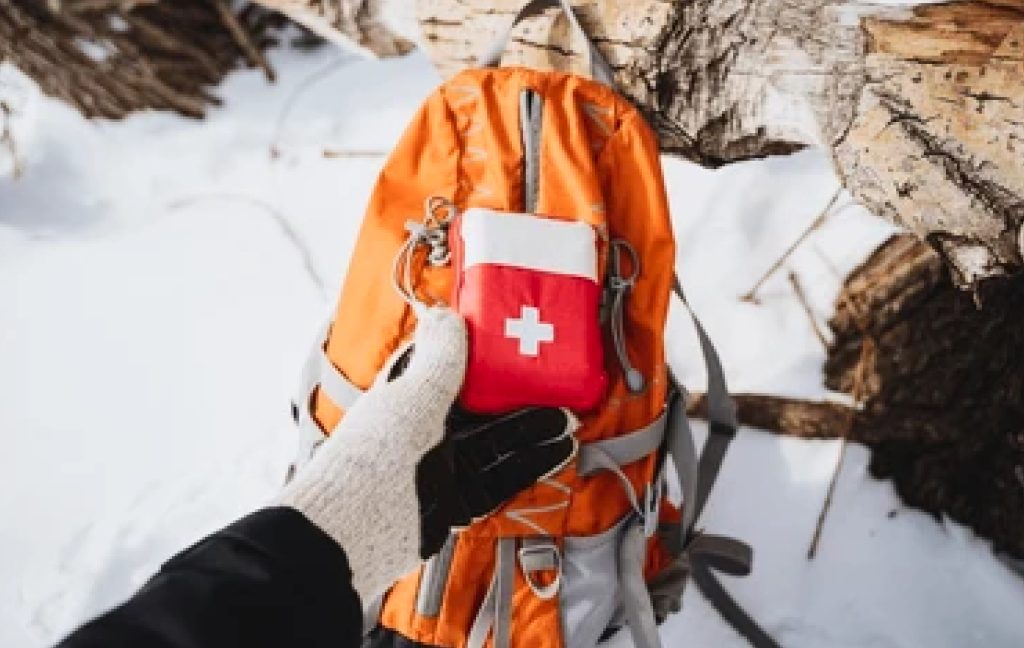
- Emergency medical treatment and hospitalisation Coverage includes emergency consultations, prescription medications, diagnostic tests, emergency dental treatment, and hospital stays. For serious situations, policies cover medical repatriation, arranging your return home if local treatment is inadequate.
- Personal belongings and baggage protection protects your backpack and contents, clothing, electronics (up to specified limits), and travel document replacement costs.
- Travel delay and disruption cover covers additional accommodation if stranded, alternative transport costs, meals during extended delays, and compensation for significant delays (usually after 12 hours).
- Trip cancellation and curtailment reimburse non-refundable costs if you must cancel before departure or cut your trip short due to serious illness, injury, death of a family member, or emergencies like your home becoming uninhabitable.
- Personal liability protection protects you if you accidentally cause injury or damage property, covering legal defence costs, compensation payments, and property damage.
24-hour emergency assistance Access to 24/7 helplines providing medical advice, help arranging treatment, assistance with lost documents, and coordination of emergency evacuations.
What's usually not covered

- Pre-existing medical conditions: Most policies exclude conditions that existed before purchase unless declared and accepted by the insurer (possibly with additional premiums). Never hide conditions, as it can invalidate your entire policy.
- High-risk and extreme activities: Bungee jumping, skydiving, professional sports, mountaineering above certain altitudes, and motor sports often require additional cover or are excluded entirely.
- Alcohol and drug-related incidents: Claims from excessive alcohol consumption or illegal drug use are universally excluded. If you’re injured or robbed while intoxicated, insurers may refuse claims.
- Working without proper authorisation: Injuries during work are excluded unless your policy includes working cover crucial for working holiday makers.
- Unattended belongings: Leaving items unattended, failing to secure accommodation, or not taking reasonable care invalidates theft claims. Cash limits are typically £250-£500.
Travel to high-risk destinations: Destinations with FCDO (Foreign, Commonwealth & Development Office) travel warnings may be excluded or have limited coverage. Travelling against FCDO advice typically invalidates coverage entirely.
Backpacker Travel Insurance vs Standard Travel Insurance
Understanding the differences helps you choose appropriate cover:
Feature | Backpacker Travel Insurance | Standard Travel insurance |
Trip duration | 3 – 18 months | Up to 31 days |
Return date | Flexible or open ended | Fixed date required |
Destinations | Multi-country, regional, or worldwide | Single country or limited region |
Itinerary changes | Can be adaptable during travel | Limited flexibility once purchased |
Activity coverage | Allows broad adventure activities | Basic holiday activities only |
Belongings limit | Higher (£2,500-£3,000+) | Lower (£1,000-£1,500) |
Extensions | Possible while travelling | Usually not available |
Best for | Extended backing journey | Short fixed holidays |
Backpacking Safety Tips to Reduce Risks
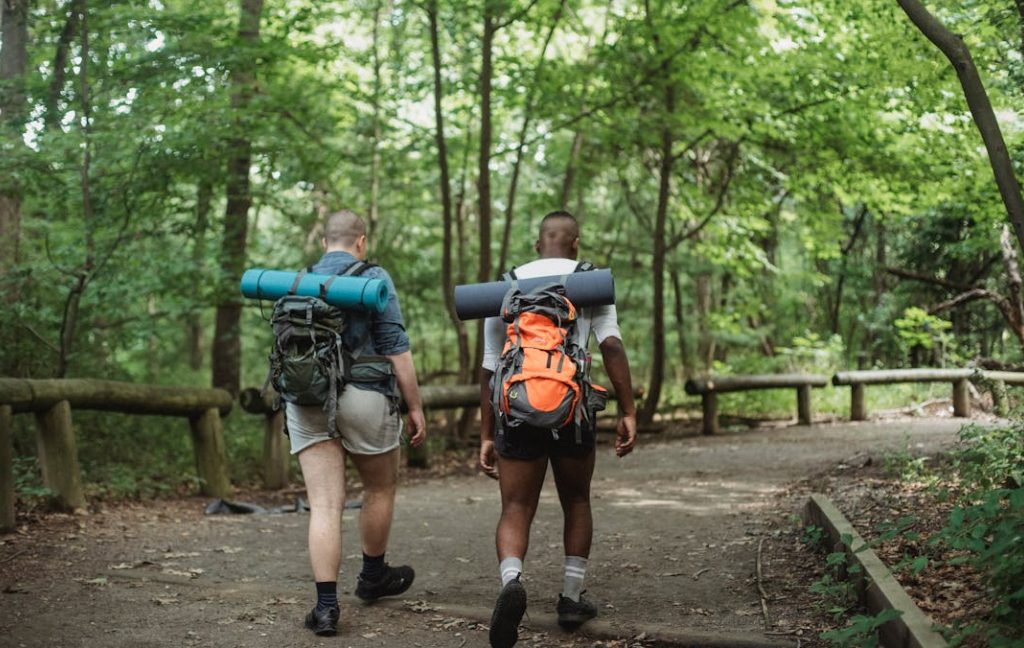
- Secure your belongings properly: Use TSA-approved padlocks on backpacks and hostel lockers, keep valuables in money belts worn under clothing, never leave bags unattended, and use cable locks to secure bags to fixed objects.
- Research destinations before arrival: Learn about common scams, understand local laws and customs, identify safe neighbourhoods, know emergency numbers and embassy locations, and check FCDO travel advice.
- Maintain copies of important documents: Keep digital copies of passport, visas, insurance policy, and cards in cloud storage. Carry physical photocopies stored separately from originals.
- Trust your instincts: If a situation feels wrong, leave immediately. Stay alert in crowded places, avoid walking alone late at night, be cautious with drinks, and research accommodation reviews carefully.
Pace yourself: Build rest days into your itinerary. Travel fatigue impairs judgment and increases accident risk.
How Long Does Backpacker Travel Insurance Last?
Backpacker insurance typically covers periods from 3 months up to 12-18 months. Some providers offer 24-month options for very long-term travellers.
Many insurers allow extensions while abroad if you request before your current policy expires, pay additional premiums, and have no major claims in progress. Not all providers offer this check before purchasing if flexibility matters.
Coverage spans your entire trip from UK departure to return, not individual destinations. Ensure your return flight falls within the policy period arriving home after policy expiry means you are uninsured for that final day. Build in buffer time beyond your planned return date.
Where does Backpacker Travel Insurance cover?
Regional coverage focuses on specific areas (Europe, Southeast Asia) and costs less. Worldwide coverage includes all countries globally with complete freedom. Worldwide, excluding the USA/Canada/Caribbean is a middle option; these regions have extremely high medical costs, so excluding them reduces premiums significantly.
Once purchased, you can move freely between covered countries without updating insurance at each border, fundamentally different from standard insurance.
Destinations with FCDO warnings against travel are typically excluded. Travelling to warned destinations invalidates coverage, even for unrelated incidents. Always check the current FCDO advice before entering new countries.
How to know if Backpacker Travel Insurance is right for you
Trip duration: Travelling longer than 31 days requires backpacker insurance. For trips under a month with fixed dates, standard single-trip insurance is more appropriate.
Destination and route flexibility: Choose backpacker insurance if visiting multiple countries across regions, keeping routes flexible, or making destination decisions while travelling.
Planned activities: Backpacker insurance suits travellers planning trekking, water sports, scooter rental, various adventures, or spontaneous activities decided during travel.
Working or volunteering: If plans include casual work or volunteer placements, you need backpacker insurance with working cover added or specific working holiday insurance.
Key things to check before buying Backpacker travel insurance
- Maximum trip duration: Verify the policy covers your entire planned period plus buffer time. Check if extensions are possible while travelling.
- Destination coverage: Confirm all intended countries are included. Check for specific exclusions that might affect plans.
- Medical coverage limits: Look for £2 million minimum, preferably £5-10 million for worldwide cover. Ensure medical repatriation is included.
- Activity coverage: Review the specific activity list. Check altitude limits for trekking. Understand conditions like requiring licenses for scooter rental.
- Personal belongings limits: Check overall coverage (£2,500-£3,000 is reasonable) and individual item limits ( £250-£500). Declare high-value items separately if needed.
- Pre-existing conditions: Understand the declaration process. Ask about coverage for your specific condition and additional costs. Full disclosure protects you.
- Excess amounts: Identify the excess you will pay per claim. Choose an excess you can comfortably afford.
Claims reputation: Research the insurer’s reputation for claims handling and emergency helpline responsiveness through customer reviews.
Conclusion
Backpacker travel insurance exists because extended travel across multiple countries exposes you to risks that standard insurance isn’t designed to handle. From medical emergencies to theft of everything you own, the financial exposure of long-term travel is significant.
Understanding what backpacker travel insurance covers, its limitations, and how it differs from standard policies allows you to choose protection matching your actual travel style. The right insurance means one bad incident doesn’t end your adventure or create lasting financial hardship.
With proper preparation, appropriate insurance, and awareness of risks, you’re free to focus on the experiences, cultures, and personal growth that make backpacking transformative. Safe travels.