BACKPACKER TRAVEL INSURANCE
Planning a longer adventure? Describe your destinations, duration and planned activities.

Flexible long-stay cover designed for gap years, adventures, and multi-country trips.
Find tailored travel insurance at the right price by comparing deals from the UK’s leading insurance providers.






Backpacker insurance, sometimes known as extended trip insurance, is a type of travel insurance policy that provides for long-stay holidays and trips with multiple destinations. This makes it ideal for backpacking holidays.
What makes backpacker travel insurance different from a standard policy is that it covers the following:
Backpackers insurance is designed for travellers planning long trips with multiple destinations. Other types of standard travel insurance offer limited cover for these kinds of trips that make them less suitable for long trips abroad. An annual multi-trip policy is a good option if you plan to travel multiple times in a year but there is still a limit of 31 days per trip.
A single-trip policies has cover that’s even more limited, with limits to your trip length and cover that’s limited to one destination. This means that you would need to buy several single trip policies to cover a holiday to more than one country – in which case, a backpacker insurance policy may work out cheaper.
Who can benefit from backpacker insurance?
The cover you receive from a backpacking travel insurance policy can depend on your provider and the level of cover you choose. When choosing your next policy, however, these are some of the essential things that you should be covered for:
If you require emergency medical treatment, your insurance will cover the fees
If your trip is delayed, cancelled or cut short, insurance will cover the affected parts of your trip
Third-party liability cover will cover legal fees if you are held liable for property damage or injury
Your belongings will be covered for theft, loss, or damage while you are travelling
You’ll be covered if you have to cancel your trip because of health problems or a bereavement
If an emergency cuts your trip short, insurance can cover travel, accommodation, and repatriation
While backpacker insurance may be the most suitable type of policy for your trip, there will be various exclusions where the insurer won’t pay out. These can vary depending on the insurer and the coverage you take out, which makes it crucial to check the key facts and documents before selecting a policy. Common exclusions you may find in your policy are:
You won’t be covered if you don’t follow the advice of the Foreign, Commonwealth & Development Office (FCDO) for travel and health and safety warnings
Protection if you miss your cruise’s departure due to events like train cancellations, strikes, traffic accidents or vehicle breakdowns.
Protection if you need hospital treatment on land, covering the cost of re-joining your cruise once you’ve recovered.
Protection if your ship can’t dock at a planned destination due to unexpected disruption, such as bad weather or mechanical issues.
Protection if you can’t take part in a pre-booked excursion because of illness, injury or an accident during your trip.
Long-stay travel insurance may not cover pre-existing conditions and you may invalidate your policy if you fail to truthfully answer medical questions when applying for your policy

A European Health Insurance Card (EHIC) means you can receive the same level of medical treatment as locals in that country – this can mean treatment at a reduced cost or even for free.
There’s no doubt that an EHIC is handy to have in Europe, but it’s no match for the comprehensive cover you can get with a backpacker travel policy. For a start, there’s no guarantee you’ll be able to find free or subsidised medical care if you’re travelling outside major towns or cities.
An EHIC is also only valid in EU countries, so if you’re going further afield it’s even more critical that you make sure you’re covered for medical care.
It’s also important not to forget that backpacker insurance can compensate you for many other things like stolen luggage or missed flight connections. Even if you’re travelling light, the cost of replacing your belongings can add up and eat into your budget.
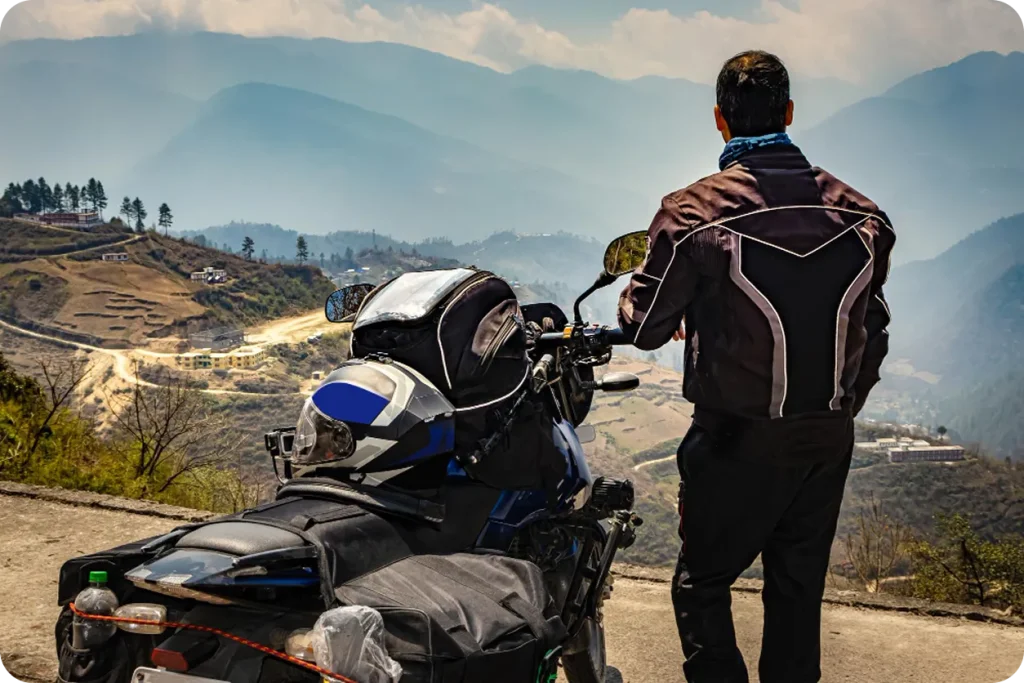
Yes, you should still be able to buy backpacker insurance even with a pre-existing medical condition, but you’ll have to make sure you declare your condition to your insurer otherwise you risk invalidating your policy.
A pre-existing condition is usually classed as anything you’re having treatment for or taking medication for – such as diabetes or a heart condition, for instance.
Depending on the nature of the medical condition, your premium might be unaffected, it might rise to reflect the increased insurance risk the condition poses to the insurer, or the insurer might add a clause stating that any costs relating to that medical condition are specifically excluded from coverage.
You can get backpacker insurance with Quays from £12.31^. The cost of backpacker insurance policy will depend on the following factors:
The longer your trip, the more you can expect to pay for your insurance cover
Travellers with existing health problems may need to pay more or buy specialist cover
Certain countries have higher medical fees or higher crime rates and will add to your insurance cost
A higher excess can make insurance cheaper but you will need to cover more of your emergency expenses
Choosing to add extra cover like gadget or passport will add to the cost of your backpackers insurance
With single trip cover, your premiums reflect the length of your trip, so don’t pay more than you need.
Whether you need worldwide cover, a single trip, or a multi-trip policy, at Quays, we’re here to make sure your holiday planning is a breeze. Here’s what you’ll get:
Get fully comprehensive cover for as long as you need it, whether that’s one day or a few months, or single trip or multi trip policy
Simply pop in a few details about where you’re off to next, pick the best deal for you and get insured for your next trip.
Compare quotes from the UK’s leading travel insurance providers and filter through a range of policies that match your needs as well as your budget.

It’s a good idea to buy travel insurance as soon as you’ve booked your trip, however many people leave it late to organise, which means they may miss out on cancellation cover if anything happens before their trip.
Booking travel insurance as early as possible often allows you to claim back the cost of your holiday if you have to cancel unexpectedly due to illness, injury, redundancy or bereavement.
However not all insurance policies include coverage for cancellations, so it’s important to check your policy documents for terms and conditions.
It varies! Most sits involve dogs or cats, but you may also find birds, rabbits, or other small animals. Each listing includes details about the pets, their routines, and what kind of care they need.
Absolutely. You can filter opportunities by location, dates, and type of pet. Whether you want a countryside retreat or a city break, there’s something for every lifestyle.
Every homeowner and sitter goes through ID verification and profile screening. You can also read transparent reviews from past stays, so you know exactly who you’re connecting with.
Our friendly UK-based support team is available 24/7. Whether you have a question, need help verifying a listing, or face an emergency, we’re always just a message away.
In most cases, yes, as long as the homeowner agrees. You’ll see whether extra guests are allowed on each listing, and you can discuss it before confirming the sit.
Yes. Every sitter on Quays completes an identity verification process and is encouraged to build transparent profiles with photos, references, and reviews from past stays.
Safety is at the heart of Quays. All sitters are reviewed and vetted, and you can arrange a meet-and-greet or video call before confirming your booking. You’ll also have 24/7 support throughout the stay.
No. Sitters stay in your home for free in exchange for caring for your pets. It’s a meaningful, mutual exchange, you save on expensive boarding or kennels, and they enjoy a comfortable stay.
You can list any pets, from dogs and cats to smaller animals or even farm pets. Just be sure to include details about their routines, personality, and any special care needs.