
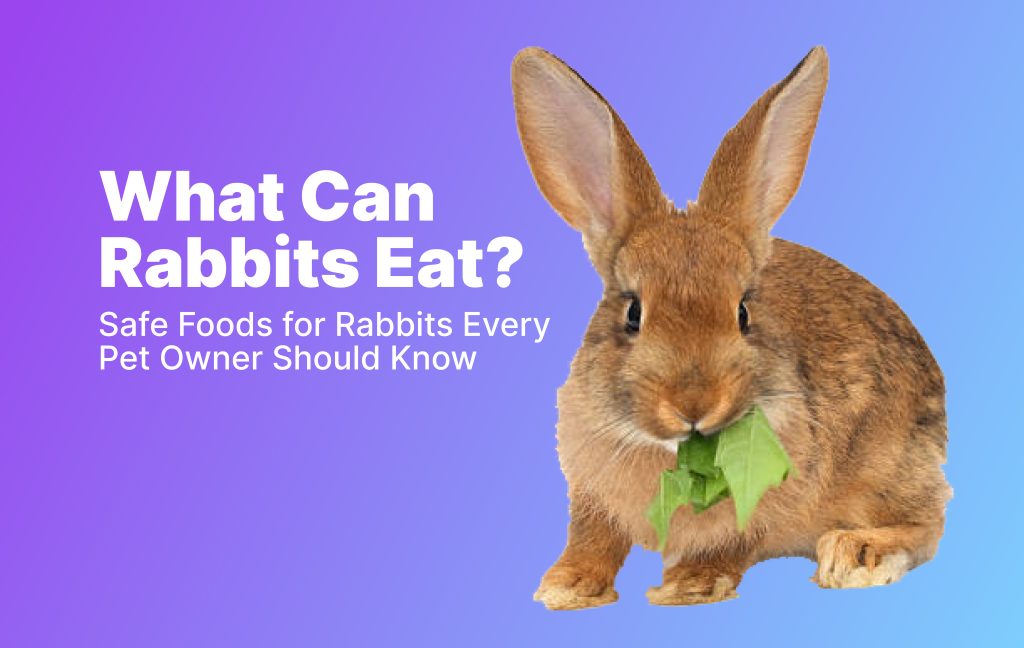
Rabbits may be small and quiet, but their diets can affect their health. Every crunchy bite of hay, leafy nibble, or fruity treat shapes their well-being, energy, and lifespan. Rabbits have delicate digestive systems compared to cats and dogs; this means not every snack in your home is safe for them.
If you’ve ever caught your rabbit begging for a taste of your snack and wondered, “Can my bunny eat this?” You’re not alone. This guide explores safe foods, foods to avoid, and smart feeding habits to keep your rabbit healthy and happy.
Why a Rabbit’s Diet Matters
Your rabbit’s diet is the key to lifelong health; every crunch of hay and nibble of greens makes a difference. Rabbits are natural herbivores, built for constant grazing rather than big, occasional meals. Unlike dogs or cats, their delicate digestive systems can’t handle large amounts of sugar, starch, or fat without serious consequences.
The teeth of rabbits continue to grow, gaining about 2 to 3 mm every week, which is one of their most amazing features. Overgrown teeth can cause discomfort, trouble eating, and veterinary visits if there is not enough fibrous hay to grind them down.
A rabbit’s daily diet should consist of 80–90% hay, according to research from the Rabbit.org Foundation, but many pet rabbits are overfed pellets or treats. This imbalance can lead to digestive problems like GI stasis, which is one of the main causes of rabbit emergencies, as well as obesity.
Safe Foods for Rabbits
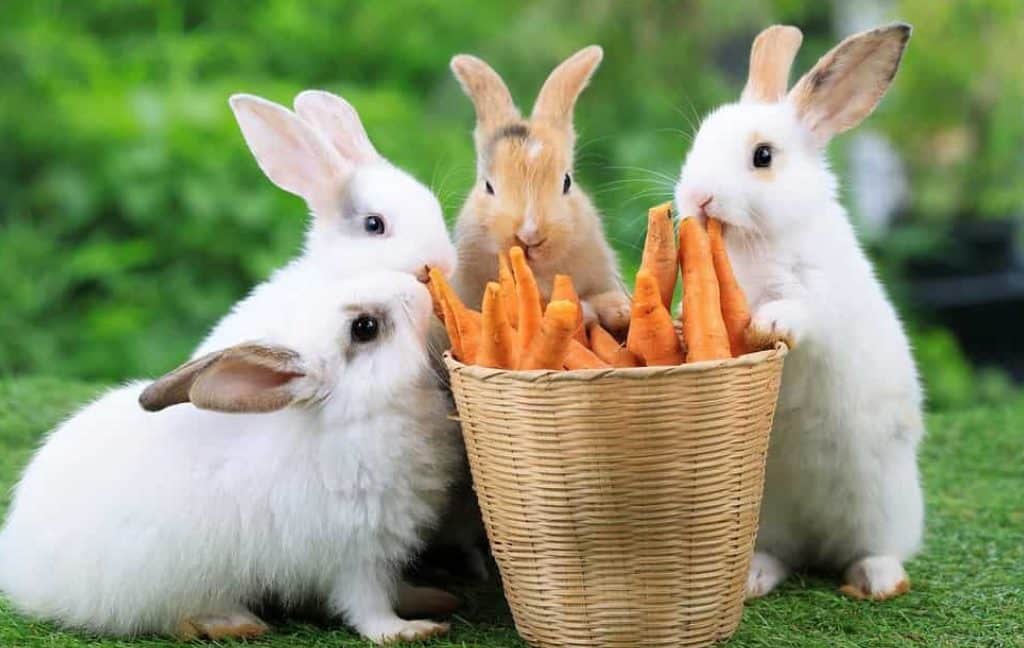
A rabbit’s health depends heavily on what goes into their bowl. While hay should always remain the bulk of their diet, carefully chosen vegetables, greens, fruits, and pellets can provide important nutrients and variety. Here’s a breakdown of the safest food options for your bunny:
Hay
Hay is an essential part of a rabbit’s diet, providing the fibre necessary to keep digestion moving and to prevent life-threatening conditions such as GI stasis. Because rabbit teeth grow 2–3 mm every week, the abrasive texture of hay is also critical for natural wear. Rabbits should have unlimited access to fresh hay at all times.
Safe hay types include:
- Timothy hay
- Orchard grass
- Meadow hay
- Oat hay
Avoid alfalfa hay for adult rabbits; its high protein and calcium content can lead to obesity and bladder stones. It should be reserved for young, growing rabbits.
Leafy Greens
Fresh, dark leafy greens provide vitamins, minerals, and hydration. They also encourage foraging habits, which keep rabbits mentally engaged. Give your rabbit a variety of greens daily for a healthy balance.
Good leafy green choices for your rabbit include:
- Romaine lettuce (never iceberg, which has little nutritional value and may cause diarrhoea)
- Kale (in small portions only due to calcium content)
- Parsley
- Cilantro
- Dandelion greens
- Bok choy
- Basil and mint
Vegetables
Vegetables add texture and nutrients, but moderation is key. Eating too many vegetables at once can upset a rabbit’s sensitive stomach. A general rule is one tablespoon per 2 pounds of body weight daily.
Safe vegetable options for your rabbit:
- Bell peppers
- Broccoli leaves and stems
- Zucchini
- Celery (cut into small pieces to avoid stringy choking hazards)
- Carrots (only as an occasional treat due to high sugar content)
Fruits
Fruits should be considered as a dessert for your rabbit. It is a sweet and enjoyable diet, but always give sparingly. Do not feed your bunny more than 1–2 small pieces once or twice a week.
Bunny-safe fruits:
- Apples (without seeds or core)
- Strawberries, blueberries, raspberries
- Banana slices
- Pear (no seeds)
- Papaya or pineapple (in moderation, sometimes used to support digestion)
Unsafe Foods for Rabbits
Rabbits may beg for a nibble of whatever you’re eating, but their digestive systems simply aren’t built for most human foods. Unlike omnivores, rabbits are strict herbivores with highly sensitive digestive systems designed to process fibre rather than starches, fats, or proteins. Giving the wrong food can cause painful stomach upsets, nutritional imbalances, or even poisoning. In fact, veterinary surveys suggest that diet-related issues account for 42% of rabbit health emergencies, making food safety a cornerstone of rabbit care.
Here’s a breakdown of foods to avoid and why they’re harmful:
- Iceberg lettuce
Iceberg lettuce contains a compound called lactucarium, which, in large amounts, can act as a mild toxin and cause diarrhoea. Darker leafy greens are far healthier and safer alternatives. - Potatoes, corn, beans, and peas
These foods are dense in starch, which a rabbit’s digestive tract is not designed to handle. Starch fermentation in the gut can cause bloating, obesity, and gastrointestinal stasis (GI stasis), a life-threatening condition in rabbits. - Onions, garlic, and chocolate
Onions and garlic contain compounds that can damage red blood cells, leading to anaemia, while chocolate contains theobromine and caffeine, which affect the nervous system and heart. Small amounts of these foods can be harmful to rabbits. - Avocado
Avocado contains persin, a naturally occurring toxin that is poisonous to rabbits. Ingesting it can lead to breathing difficulties, heart problems, or sudden death. - Nuts, seeds, dairy, eggs, and meat
Rabbits are strict herbivores, meaning their systems are not equipped to process animal proteins or fatty foods. Nuts and seeds are far too high in fat, while dairy, eggs, and meat can cause severe digestive distress and long-term organ damage. - Processed foods (bread, cereal, cookies, chips, etc.)
Processed human foods are full of sugar, salt, and additives that disrupt the healthy bacteria in a rabbit’s gut. A small piece of bread or cracker can tip the balance, leading to obesity, dental issues, and dangerous digestive conditions like GI stasis.
How Much and How Often Should Rabbits Eat?
Rabbits may be small, but their grazing nature means they need a steady flow of the right foods to stay healthy. Too little slows their digestion, while too much of the wrong thing can quickly lead to obesity. The table below shows you how much and how often to feed your rabbit for balanced nutrition:
Rabbit Food Sources | Portion |
Hay | Unlimited Amount |
Leafy greens | 1-2 cups per 6 pounds of body weight daily |
Non-leafy veggies | 1 tablespoon per 2 pounds of body weight daily |
Pellets | ¼ cup per 5 pounds of body weight daily |
Fruits | 1-2 small pieces, once or twice a week |
Kits and senior bunnies have slightly different nutritional needs, so it’s always best to check with a rabbit-savvy vet to tailor their diet for every stage of life.
Tips for a Healthy Rabbit Diet
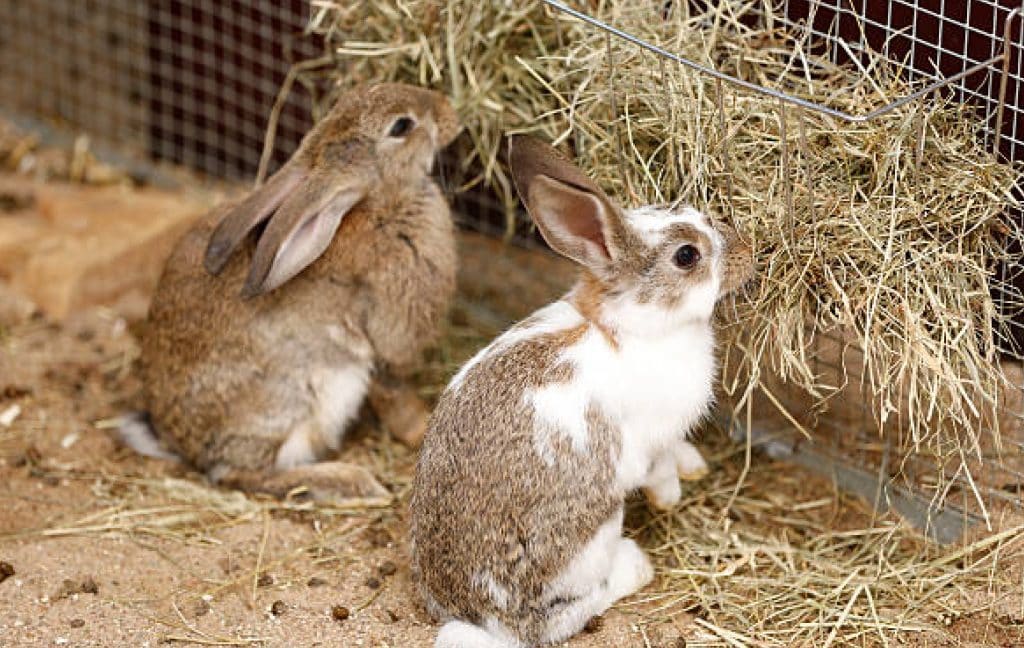
Your rabbit’s health starts with the food you provide. A few simple habits can keep their tummy happy, their energy steady, and their life long and full of joy.
- Hay First: Hay should always be the main part of your rabbit’s diet, keeping digestion smooth and teeth healthy.
- Fresh Water Daily: Offer clean, fresh water every day in a bowl or bottle, and refresh it often to encourage drinking.
- Introduce Slowly: Add new foods one at a time so your rabbit’s stomach can adjust without discomfort.
- Portion Control: Fruits and pellets should only be small, occasional treats to prevent weight gain and imbalances.
- Consistency Matters: Keep meals regular and avoid sudden diet changes to protect their sensitive digestion.
- Clean Up Leftovers: Remove uneaten vegetables after a few hours to keep food fresh and prevent spoilage.
Conclusion
Feeding your rabbit goes far beyond simply keeping them full. It’s a daily act of care that fuels their body, protects their delicate digestion, and supports a long, vibrant life. With hay as the foundation, greens for balance, and treats in moderation, every meal becomes part of a healthy routine.
Every choice you make at mealtime helps shape a healthier, happier rabbit that greets you with playful hops, bright eyes, and quiet moments of trust that last a lifetime.
Frequently Asked Questions
Can rabbits eat strawberries?
Yes, but only as an occasional treat, one or two small pieces at a time.
Do rabbits need salt licks?
No. A balanced diet of hay, greens, and pellets provides all the minerals they need.
Can rabbits eat bread or crackers?
No. Processed foods can upset their digestion and should be avoided.
Can rabbits eat grass from the yard?
Yes, as long as it’s pesticide-free, chemical-free, and not contaminated by other animals.