

Most pets hate going to the vet. Strange smells, weird sounds, car rides, and being touched by strangers can turn even the calmest cat or gentlest dog into a shaking, scared animal. Research shows that over 25% of pet owners can spot obvious stress signs in their pets at the vet, and many miss the subtler signs of worry. But here’s the good news: you can change vet visits from scary moments into okay ones. Your pet may never love the clinic, but they don’t have to be terrified of it either.
Why Pets Get Scared at the Vet
Have you ever walked into a room where every single smell felt strange and threatening? That’s what your pet experiences at the vet clinic every single time.
Vet clinics smell like cleaning products, other animals, and medical tools. Dogs and cats have incredibly powerful noses. For them, the smell alone is overwhelming before anything else even happens. Then add the sounds of barking dogs, crying cats, metal tools clinking, and unfamiliar voices. For rabbits and guinea pigs, this kind of noise can be genuinely terrifying. They’re prey animals by nature. Their instinct tells them something is about to go wrong.
Studies show that dogs under two years old who visit the vet often are actually more fearful than older dogs who go less. That tells you something important: bad experiences stick. If your pet’s first vet visit felt scary or painful, they’ll expect the same thing next time. That creates a cycle where anxiety builds with every trip.
Your own stress makes things worse, too. Pets read human emotions the way you read a text message. If you’re tense, rushing, or speaking in a worried voice, they feel it straight away. You might be anxious about the vet bill or worried about a health issue. Either way, your pet picks it up fast. Staying calm yourself is one of the most practical things you can do.
Happy Visits: The Trick Most Pet Owners Miss
What if you could change what the vet clinic means to your pet?
That’s exactly what “happy visits” do. These are short, easy trips to the vet where nothing medical happens at all. You pop in, your pet gets a treat from the front desk, and you leave. No check-ups. No shots. No stress. Many vet clinics love these kinds of visits and will give treats and gentle attention to any pet that comes in. You can also look for fear-free certified clinics.
Start super short. Walk through the door, get one treat, and go home. That’s the whole session. Over several visits, slowly increase how long you stay. Let your pet sniff around safely. Let them get used to the smells, the sounds, and the staff at their own pace.
For small animals like rabbits or guinea pigs, expect this to take longer. They’re naturally more cautious. Be patient and follow their lead. The goal is simple: your pet starts to think “vet clinic = good things happen here.” Over time, that mental shift actually works. And once your pet is more settled with the clinic itself, the next hurdle is making the journey there less stressful, too.
Making Carriers and Car Rides Less Scary
Does your pet start panicking before you even leave the house? Carriers and car rides are often where the anxiety begins.
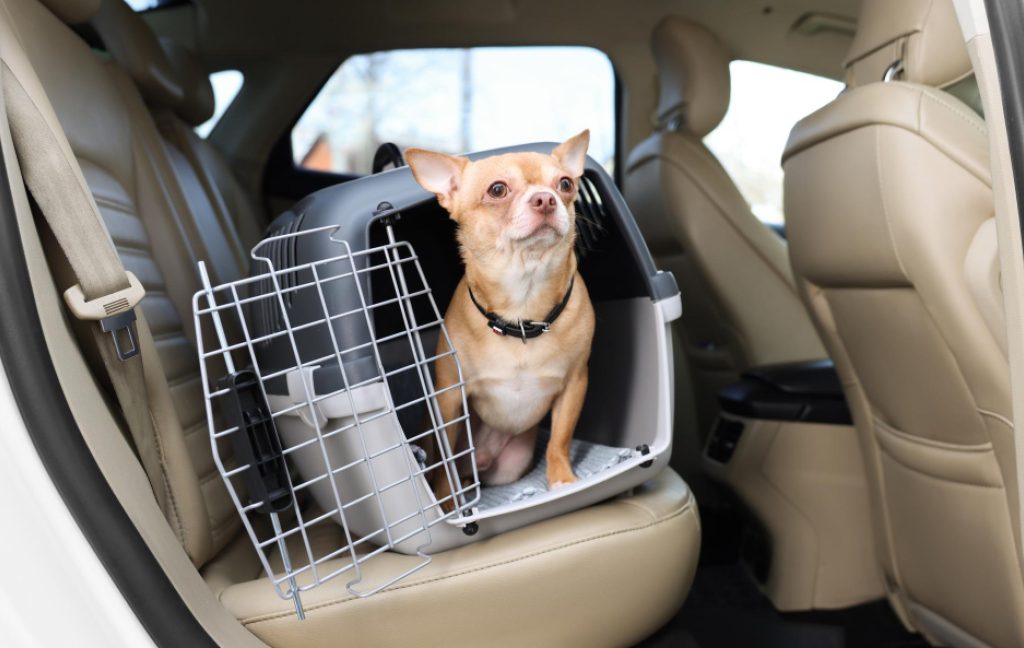
The biggest mistake people make is storing the carrier in a cupboard and only bringing it out on vet day. Your pet learns fast: carrier appears, something bad is about to happen. Fix this by leaving the carrier out all the time. For cats, put cosy bedding inside and leave the door open. Drop treats in occasionally. Feed meals near or inside it. Your cat needs to see the carrier as just another piece of furniture, not a warning sign.
For rabbits and guinea pigs, make the travel carrier familiar early. Fill it with hay, familiar bedding, and favourite treats. Never grab your pet and stuff them in at the last minute. That one experience can set back weeks of progress.
For dogs who get anxious in cars, start with very short trips around the block. Build up slowly. Make sure some car journeys lead to fun places, like a walk in the park. Always secure your dog properly; the Highway Code says pets must be safely held in vehicles.
For cats and small pets, wedge carriers between seats or secure them with a seatbelt. Partially covering the carrier with a light cloth reduces how much your pet sees and can calm them down. Don’t feed big meals before travel to avoid car sickness, but a light snack two to three hours before usually helps. With travel sorted, you’ve got good options to add some natural calming support on top.
Natural Calming Aids That Actually Work
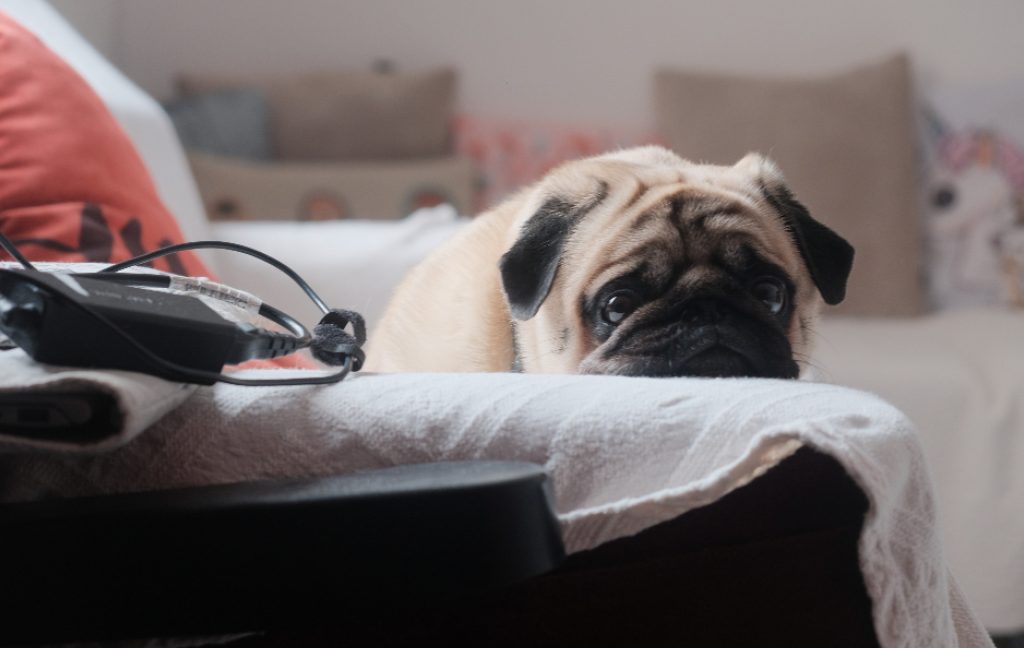
Pheromone products are a good place to start. Feliway for cats and Adaptil for dogs release synthetic versions of the natural calming signals that those animals produce themselves. Spray these inside the carrier 15 minutes before travel, or use a plug-in diffuser at home for a few days before a vet visit. For rabbits and guinea pigs, specific pheromone products are less common, but keeping familiar scents around, like a piece of bedding from their regular space, helps a lot.
Several natural supplements also have solid track records:
Product Name | Key Ingredients/Properties | Type |
Zylkene | Milk protein with calming properties | Supplement |
YuCalm | Natural ingredients like Lemon Balm | Supplement |
Pet Remedy | Natural de-stress spray | Spray |
Always talk to your vet before giving any supplements, especially if your pet is already on other medicines. What works for one animal might not suit another. You can find more guidance on calming anxious dogs at the vet. Anxiety wraps and Thundershirts are worth trying, too. These snug-fitting garments apply gentle, steady pressure, think of it like a firm hug. They work well for many dogs and can also help anxious cats and rabbits. Use them alongside other techniques rather than as a standalone fix. With your calming toolkit ready, your vet day prep can make or break the whole experience.
Vet Day Preparation: Your Essential Checklist
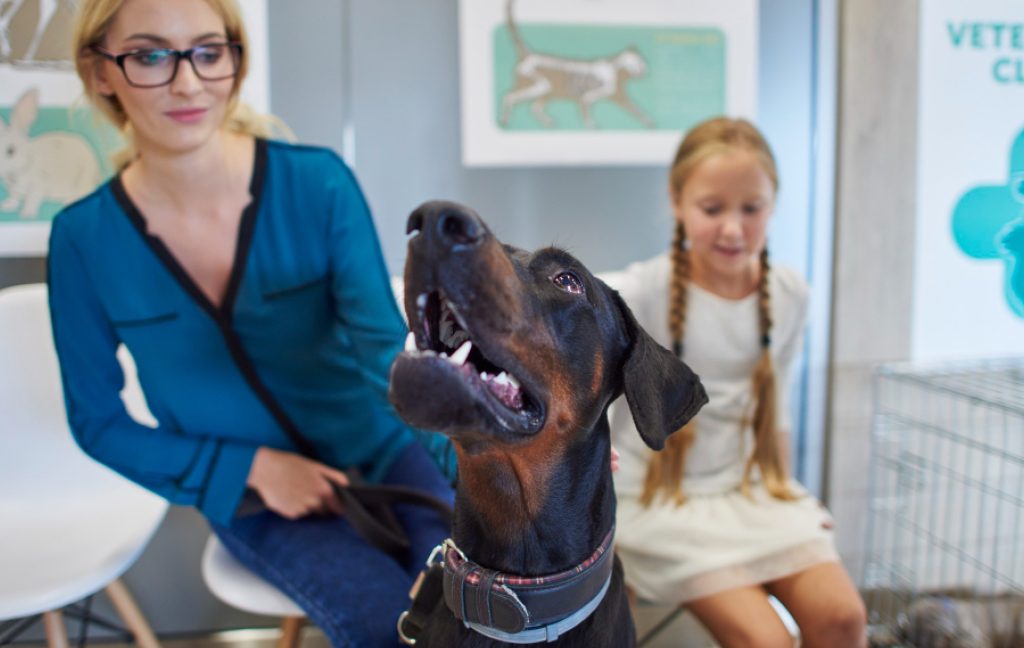
Book appointments during quieter times when you can. Early morning slots around 8 to 9 am, or mid-afternoon appointments, usually mean fewer animals in the waiting room. Weekend mornings can also be calmer than busy weekday rushes. Arrive 15 minutes early to let your pet settle before being called in.
Pack these essentials before you leave:
- High-value treats (something special they don’t get every day)
- A favourite toy or comfort blanket with familiar scents
- Fresh water for longer waits
- Vaccination records and pet insurance details
- A list of current medications or concerns to discuss
- Poo bags and cleaning supplies (accidents happen when pets are nervous)
For food, a light meal two to three hours before the appointment works well for most pets. It avoids car sickness without leaving them too hungry, which can increase stress. If your pet needs sedation or anaesthesia, your vet will give specific fasting instructions. Follow those precisely.
Check your pet insurance policy details before the visit, too. Knowing you’re covered reduces one layer of stress for you, and that calm carries through to your pet. Speaking of which, your emotional state on the day matters more than most people realise
Your Emotions Are Contagious
Do you know your pet’s emotional state? If you’re rushing around, speaking in a worried tone, or tensing up in the waiting room, your pet mirrors that instantly. I know it’s easier said than done, especially if you’re anxious about a health diagnosis or dreading the bill. But being calm is one of the most practical tools you have on vet day. Take a few slow, deep breaths before you leave the house. It sounds simple. It genuinely helps.
Use a gentle, conversational voice throughout the journey. Skip the high-pitched “baby talk”; it can actually increase anxiety rather than soothe it. Speak to your pet in low, steady tones. Tell them what’s happening. “Just a quick check-up today.” It sounds odd, but that tone of voice reassures them. Keep your posture relaxed in the waiting room. Sit still. Avoid fidgeting or pacing. Let your pet settle beside you at their own pace.
Gentle stroking can help, but read your pet’s signals carefully. Some animals want contact when they’re anxious. Others want space. A rabbit that’s frozen still probably doesn’t want to be handled more than necessary. A dog pressing against your leg wants reassurance. Follow their lead. If you’ve done everything you can and your pet is still severely distressed, it may be time to get some expert support.
When to Seek Professional Help
There’s no shame in admitting that home techniques aren’t enough. For some pets, reducing anxiety at the vet requires more specialist support than any owner can provide alone.
If your pet shows extreme reactions, shutting down completely, becoming aggressive, losing bladder or bowel control, or refusing necessary medical care, it’s time to talk to your vet about more targeted help. Prescription anti-anxiety medications aren’t about “drugging” your pet.
They’re tools to help them cope in the short term while you work on longer-term behavioural changes. Common options include short-term sedatives for immediate vet visits, longer-term anxiety medications for severe cases, and natural prescription alternatives like Sileo gel for dogs.
Certified veterinary behaviourists are another strong option. They’re specialists who can identify your pet’s specific triggers and build a custom training plan. This is especially useful for pets with trauma histories or deep-seated fears. The Association of Pet Behaviour Counsellors (APBC) keeps a list of qualified professionals across the UK.
More vet practices are also getting Fear-Free certification. This trains staff in stress-reduction techniques and redesigns the clinic space to be less overwhelming. These practices use calming music and pheromone diffusers, non-slip surfaces on exam tables, gentle handling for anxious pets, and separate waiting areas for cats and dogs. Ask any new vet practice about their approach to anxious pets.
Creating a Calm Clinic Environment
Bring a favourite blanket or item from home. Familiar scents create a small bubble of comfort in an unfamiliar place. For small animals, partially cover carriers to reduce visual stimulation while still allowing air to circulate. For cats, keep their carrier raised rather than on the floor; high positions feel safer to them. Many clinics have raised seating areas specifically for cat carriers.
Keep a respectful distance from other pets in the waiting room. Not all animals are friendly when stressed, and unexpected encounters can spike anxiety quickly. If the waiting room is very busy, ask the receptionist if there’s a quieter area where you can wait. Most good practices will accommodate this without hesitation.
Talk to the vet staff openly about your pet’s anxiety. Good veterinary professionals want to know. They can allow extra time for your appointment, use different handling techniques, suggest better positions for exams, or recommend specific products. Use the “treat and retreat” method throughout the visit: keep offering small, high-value treats to occupy your pet’s mind and create positive links in real time. If things do go well, even just staying calm in the carrier or accepting a treat from the vet that’s genuine progress worth building on.
Frequently Asked Questions
- How long before a vet visit should I start preparing my anxious pet?
Start as early as possible, ideally weeks or months before a routine appointment. Begin with happy visits and carrier familiarisation straight away. For emergency visits, focus on staying calm yourself and using high-value treats and familiar comfort items.
2. Is it safe to give my pet natural calming supplements alongside their regular medication?
Always consult your vet first. Some natural products can interact with prescription drugs or change how they’re absorbed. Your vet can advise on safe combinations and correct doses.
3. My rabbit has never been to a vet but needs their first check-up. How should I prepare?
Start with carrier familiarisation, immediately leave it open in their living space with hay and treats inside. Practice short car journeys to calm, pleasant destinations. Rabbits are naturally cautious, so allow extra time at each stage. Consider finding a rabbit-savvy vet who understands prey animal behaviour.
4. What should I do if my pet has a panic attack at the vet?
Stay calm and speak in soothing tones. Don’t force interaction; give them space if possible. Alert the vet staff immediately. They’re trained for this and may suggest rescheduling, using sedation, or trying different handling techniques. It happens more often than you’d think.
5. What signs mean my pet needs professional help for vet anxiety?
Seek professional help if your pet shows extreme reactions like complete shutdown, aggression, loss of bladder or bowel control, or if anxiety prevents necessary medical care. Also consider it if home techniques haven’t improved things after several months of consistent effort, or if your pet’s anxiety is getting worse over time.