

Every winter, ski patrol teams at major resorts respond to thousands of injury call-outs involving holidaymakers on the slopes. Resort safety and incident reporting data show an average of 2–4 injuries per 1,000 skier days, with knee ligament damage, wrist fractures, and head injuries among the most reported cases. Many of these incidents occur on familiar runs involving recreational skiers and snowboarders on holiday.
By understanding the most common winter sports holiday injuries and the conditions that cause them, travellers can be more prepared for their trips. This guide also explains how the right winter sports travel insurance supports you if an injury occurs, like emergency treatment, specialist rescue, and recovery-related costs, so you can enjoy your holiday.
Why are winter sports prone to Injuries?
Winter sports are exciting to explore, but they also carry certain injuries and risks that many travellers/athletes ignore until they occur. Compared to regular outdoor sports, winter sports take place in environments where terrain, weather, and equipment are contributing factors to play the sports. Which increases the chances of injuries for beginners or travellers who participate in winter sports once a year. Here are the reasons why winter sports are prone to injuries
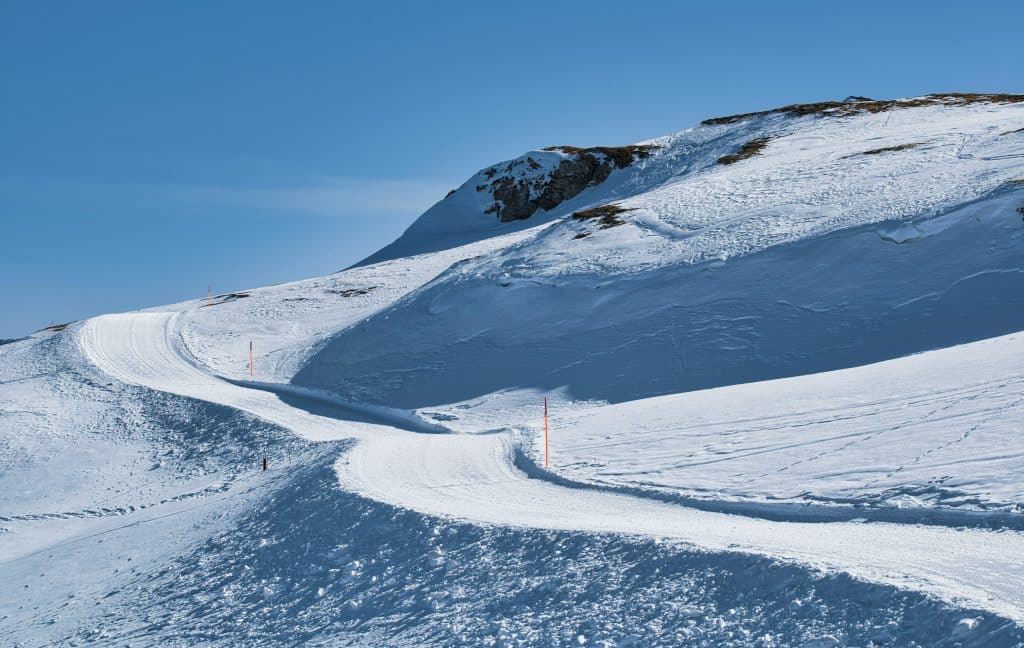
Unpredictable weather and surface conditions
Winter sport terrains do not remain the same throughout the day; slopes can be smooth one minute, then become slushy or slippery the next minute. All these could increase the chances of injuries in winter sports.
High-speed movements
Sports like skiing, snowboarding, and snowmobiling involve speed, more than what the body can handle. Speed in winter sports means turns become sharper, body balance becomes more difficult, and even a slight mistake can lead to injuries.
Heavy equipment
While winter sports gear is important, it can also cause injuries if it’s not fitted properly or if you are new to the equipment.
Limited experience for seasonal travellers
Seasonal winter sport travellers who only participate in the sport during holidays risk their safety. Due to their inconsistency in the sport and their skill set, their balance is weaker, their reaction time is slower, and their technique is weaker.
Common Skiing Injuries
Knee ligament tears: This is one of the most common winter injuries in skiing. A knee injury happens as a result of twisting the lower body in an unnatural direction, whether by sudden rotation, catching an edge, or landing awkwardly.
Shoulder dislocation: This occurs when you fall forward or sideways, which can force the upper arm bone to pop out of place.
Head injuries: This occurs due to high-speed falls, collisions with other skiers, or hitting hard-packed snow or icy surfaces.
Common Snowboarding Injuries
Wrist sprains and fractures: This is a common snowboarding injury because most individuals throw their hands out during a fall. The force of landing on an outstretched hand could lead to a sprain or fractures in the wrist bones.
Ankle injuries: Also known as “snowboarder’s fracture.” It’s a break of the talus bone because snowboards don’t offer the same support as ski boots. You could sustain injury from jumps or twists during turns.
Head and neck injuries: This is a common fall pattern in snowboarding that occurs when a snowboarder falls backward or collides with other riders.
Injuries From Other Winter Activities
Ice and slips
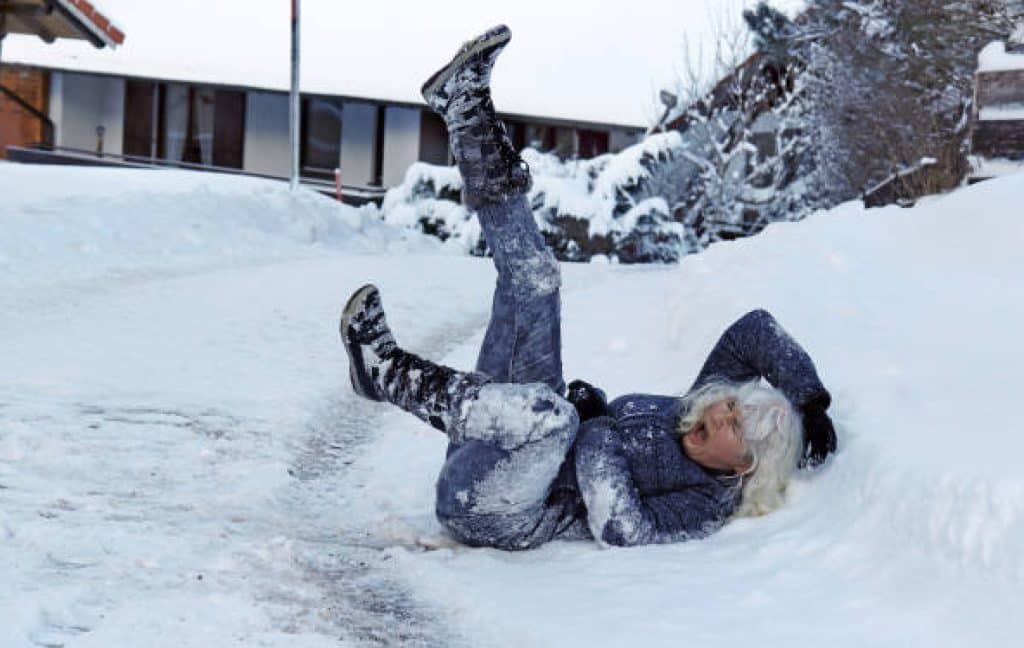
Icy surfaces are a leading cause of winter accidents. Falls happen when the ground is packed with ice, slopes are slick after a temperature drop, or snow has melted and refrozen overnight. These slips lead to sprains, bruises, tailbone injuries, and wrist fractures (from trying to break the fall).
Hypothermia and Frostbite
Extreme cold is just as dangerous as physical impact injuries. Hypothermia happens when the body loses heat faster than it can produce it. Frostbite occurs when skin and underlying tissues freeze. This affects fingers, toes, nose, and ears when you spend hours in the cold terrains of winter sports.
Winter sports safety tips to reduce injury risks
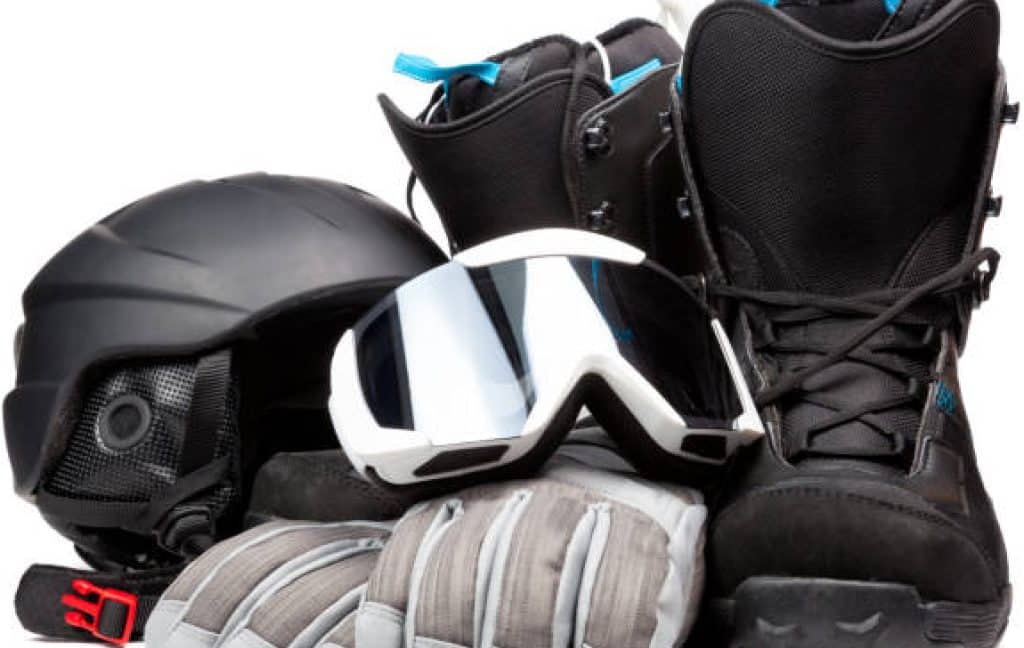
- Use a helmet and other protective gear: Helmets are non-negotiable for winter sports. Studies show that helmets reduce the risk of head injury by 60% during winter sports. And also consider other gears like wrist guards, knee pads, back protectors, impact shorts, and goggles. These help absorb force during falls, especially for children, individuals new to the sport, or seasonal players.
- Opt for the right equipment: The right pair of boots, fastened bindings, and suitable skis/snowboard for your weight and skill level will all contribute to your chance of sustaining an injury.
- Warm-up exercises and conditioning: Cold muscles are more prone to strains, tears, and stiffness, so ensure to always have a quick warm-up before practising any winter sports. And if you are planning on a trip for winter sports, condition your body for a few weeks ahead by engaging in strength training, balance, and cardio exercises to prevent muscle fatigue.
- Know your limits: Many injuries happen when travellers push themselves too far with “just one more run” or even exploring more advanced slopes when tired. It’s best to know when you are pushing beyond your boundary and stop when you feel tired to avoid sustaining injury.
- Weather checks: Weather conditions like ice, fog, or sudden snowstorms can make it difficult to judge the terrain. Always check the weather and visibility, and equip accordingly to reduce the risks of cutting your holiday short.
What to do immediately after a winter sport injury
Getting injured on the slope is never a planned action. However, if you find yourself in this situation, here is what to do;
Stop activity immediately: Once you feel pain or suspect an injury, stop what you are doing and carefully move to a safe spot on the slope. Doing this will keep both you and other skiers out of harm’s way.
Call for help: Notify the ski patrol team as soon as possible or contact them through the resort’s emergency number and provide them with the information about your exact piste name and marker number.
Apply first aid: In instances where the injury is mild or moderate, the RICE first aid method is useful until help arrives.
- Rest: Avoid putting pressure on the injured area.
- Ice: Apply a snow-wrapped fabric for 10-15 minutes
- Compression: Use a bandage if available to reduce swelling
- Elevation: Raise the injured area if possible.
Avoid removing gear: Removing your gear, especially in case of fracture or spinal injury, can worsen the injury. Let professionals decide this.
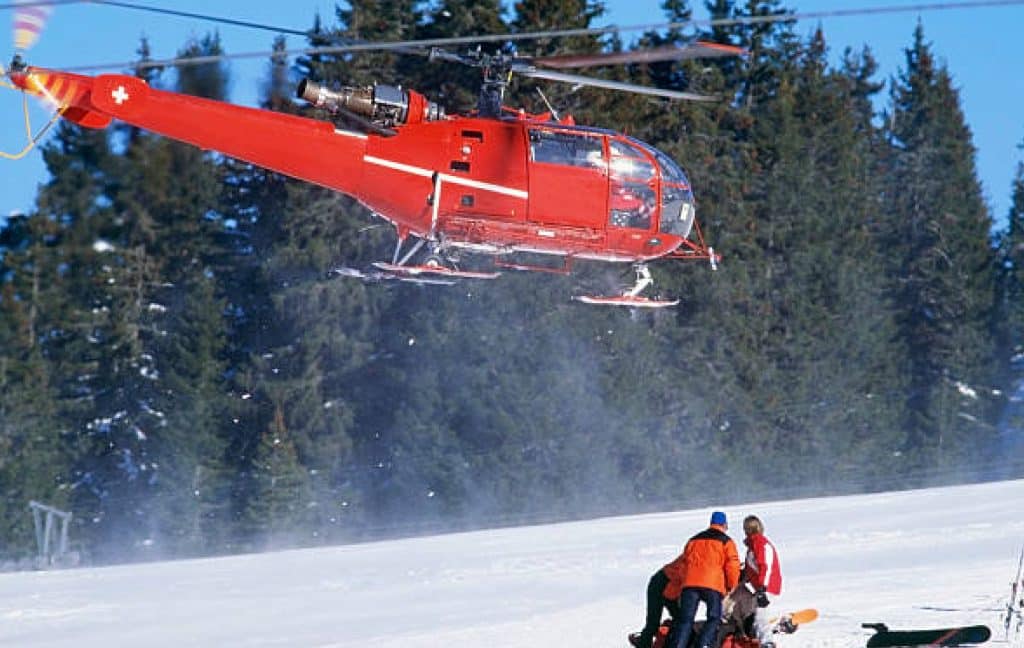
Get a proper medical checkup: Ski patrol will assess the injury and arrange for a sled or a helicopter, depending on the severity of the injury.
Document the incident for an insurance claim: Once you are safe and in a better state, gather some evidence of the incident that you would need for your insurance claim. These include:
Photos of the injury
- Details of where and how it happened
- Medical reports or ski patrol notes and receipts for treatment, medication, or transport.
All these would make your claim process easier.
How winter sport travel insurance protects you the injured winter sport traveller
A typical winter travel cover for;
Emergency medical abroad
Winter sports injuries are unplanned, and getting immediate medical attention abroad is important. A good winter-sports travel insurance policy typically covers hospital treatment, diagnostic scans, surgery, and prescribed medication. This is especially important in countries where healthcare costs can be extremely high, as even a minor injury can quickly become a significant financial burden without proper coverage.
Support for ending your trip early(due to injury)
If at any point during your holiday you sustain an injury that prevents you from continuing your holiday, depending on your cover, a winter sports insurance policy could help you recover the money you have already invested in your trip by reimbursing non-refundable costs related to your trip.
Cover for specialised winter sports rescue
Major injury on the slopes requires specialist assistance like rescue services, patrol intervention, or helicopter airlifts, which would accumulate in cost before you could get better. But with the right policy, you do not have to worry about accruing costs, as most policy covers for emergency evacuation for winter sports injuries.
Post-injury treatment(after returning home)
Recovery doesn’t end after your holiday ends, especially if you had a major injury. Depending on your winter sport travel insurance, some may offer post-holiday aftercare like physiotherapy sessions or follow-up treatments. This allows you to smoothly recover without the financial burden.
What it does it not cover?
- Injuries from undeclared activities
- Off-piste skiing without a guide
- Alcohol-related accidents
- Competitive or professional sports
- Ignoring resort safety rules
Conclusion
A winter sports holiday is an exciting experience, but it is also accompanied by a higher risk of injury than other holidays. Being aware of the common injuries associated to winter sports and the precautions to take for safety would make your holiday a truly exciting one.
Other than that, having the right winter sports travel insurance reassures you during your holiday as it protects you from financial loss if your trip is cut short, steps in when you need emergency treatment, and even contributes to follow-up care once you are back home.
With proper preparation, the right gear, and a policy designed for winter activities, you can enjoy your holiday knowing you are protected no matter what happens.
Ultimately, safe winter travel comes down to two things: staying informed about the risks and making sure you have the right protection in place. With both, you are free to focus on what matters most: enjoying the snow, the scenery, and the experience.