


Many pet owners assume separation anxiety is just about chewed shoes, scratched doors, or a bit of whining when they leave the house. But in reality, separation anxiety in pets is a much deeper emotional and behavioural issue that can seriously affect their wellbeing. What may look like simple “bad behaviour” is often a sign of stress, fear, or panic when a pet is left alone.
Understanding separation anxiety means looking beyond the obvious mess and recognising the emotional distress behind it. In this guide, we’ll explore what separation anxiety in pets really is, the common signs to watch for, what causes it, and how pet owners can support their pets safely and compassionately.
What is Separation Anxiety?
Separation anxiety in pets is more than just your dog missing you when you leave your home. It’s a serious distress response that some pets exhibit when they’re left alone or separated from their guardians. It manifests as a range of behaviours indicating significant anxiety and discomfort. Think of it as a panic attack, but for your furry friend. It’s important to recognise that this isn’t just naughtiness or attention-seeking; it’s a genuine psychological issue. Many dogs with separation anxiety display behaviours showing a strong attachment to their owners.
Some of the misconceptions of separation anxiety are;
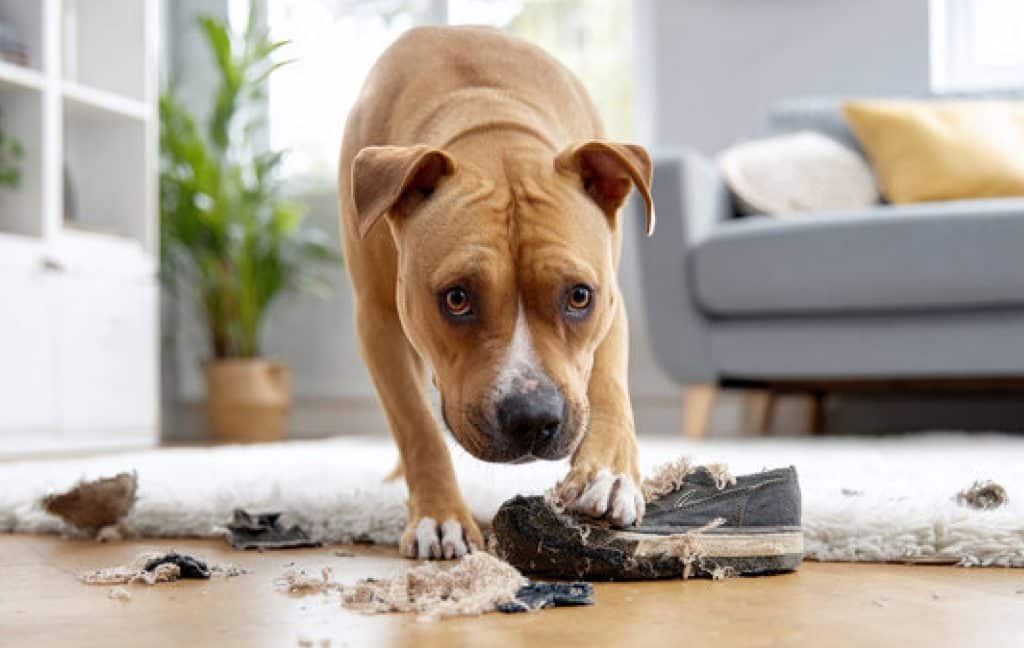
Firstly, it’s not the same as disobedience. Your dog isn’t chewing your shoes out of spite because you left him.
Secondly, it’s not something they’ll just ‘grow out of’. It usually requires intervention to manage.
And finally, it’s not always triggered by being alone for long periods. Sometimes, even a short absence can set it off. People often think that if they get another pet, it will solve the problem, but that’s not always the case.
The anxiety is about your absence, not just being alone. Resolving your dog’s underlying anxiety means teaching him to enjoy, or at least tolerate, being left alone. about setting things up so that your dog experiences the situation that provokes his anxiety, namely being alone, without experiencing fear or anxiety.
Recognizing the Signs of Separation anxiety
It’s vital to be able to spot the signs of separation anxiety in your pet. Early recognition allows for quicker intervention and can significantly improve your pet’s well-being. It’s not always as simple as chewed shoes; sometimes the signs are more subtle. Let’s explore what to look for.
Behavioural Indicators
One of the most obvious signs is destructive behaviour. You might find furniture chewed, doors scratched, or household items torn apart. Excessive vocalisation is another key indicator. Dogs might bark, howl, or whine relentlessly, while cats might meow or yowl. Pacing and restlessness are also common; your pet might wander aimlessly, unable to settle. Some pets might also exhibit changes in their toilet habits, such as urinating or defecating indoors, even if they are usually house-trained. If you notice your dog showing extreme anxiety, it’s time to take action.
Physical Symptoms
Beyond the behavioural changes, separation anxiety can also manifest in physical ways. Some pets might experience a loss of appetite or, conversely, compulsive eating. Others might vomit or have diarrhoea when left alone. Keep an eye out for excessive grooming, which can lead to bald patches or skin irritation. Some dogs may also exhibit physical signs such as tucking their tail, running away, wide or staring eyes, dilated pupils, trembling, and showing teeth. These physical symptoms are clear indicators of distress and should not be ignored. If you observe these signs, it’s important to consider that your pet might be suffering from separation anxiety.
Why Do Pets Develop Separation Anxiety?
It’s tough seeing your furry friend stressed when you leave. You might wonder, what exactly causes separation anxiety in pets? It’s rarely a simple answer, and often a mix of things contributes to the problem. Let’s have a look at some of the common reasons why your pet might be struggling when you’re not around.
Factors of Separation Anxiety include;
Several factors can increase a pet’s likelihood of developing separation anxiety. Early life experiences play a big role; pets separated from their mothers too soon, or those who didn’t have stable homes when young, are often more prone to anxiety. Changes in the household can also trigger it. A new baby, moving house, or even a change in your work schedule can disrupt their sense of security. Most pets thrive on routine, so big changes can be unsettling.
Common Triggers of Separation Anxiety
Pinpointing the exact trigger can be tricky, but it’s worth trying to figure it out. Sometimes, it’s obvious, like a house move or the loss of another pet. Other times, it’s more subtle. For example, a change in your routine that means you’re out of the house for longer periods. Or perhaps something happened while you were out that scared your pet, and now they associate your absence with that fear. It’s also worth considering whether your pet has experienced any past trauma, such as time spent in a shelter, as this can leave lasting emotional scars.
Recent surveys suggest that more than 30% of UK pet dogs show clear signs of concern when left home alone, and some experts believe up to 80% may be quietly finding alone time challenging. Nearly three-quarters of UK dog owners (73%) have reported their pets are suffering from separation anxiety as people return to workplaces
Effective Management Strategies
There are several strategies you can employ to help manage and alleviate your pet’s anxiety. It’s all about creating a sense of security and independence for your pet.
Training and Behaviour Modification
Consistent training helps build structure and confidence. Basic commands like “sit,” “stay,” and “down” give your pet clear cues and a sense of safety.
Desensitisation and counter-conditioning are powerful tools here. Start by leaving your pet alone for very short periods, seconds at first, and reward calm behaviour. Gradually increase the time apart. For example, pick up your keys, leave the room briefly, then return and reward calmness. Over time, your pet learns that being alone isn’t scary.
You can also introduce fun dog sports like agility or freestyle dancing, which build confidence and tire them out in healthy ways.
Environmental Enrichment
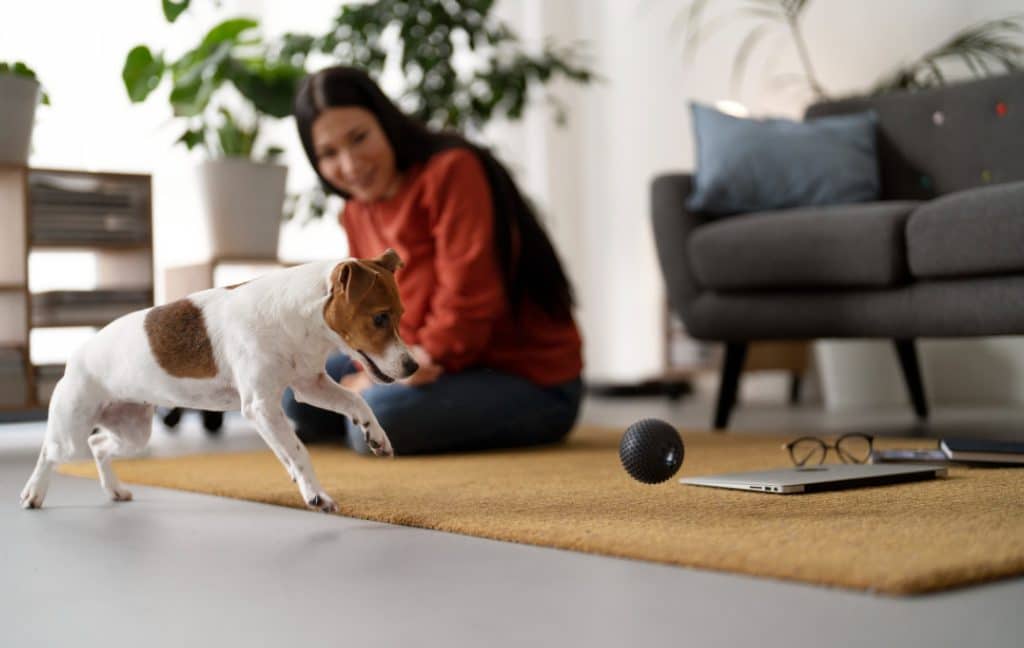
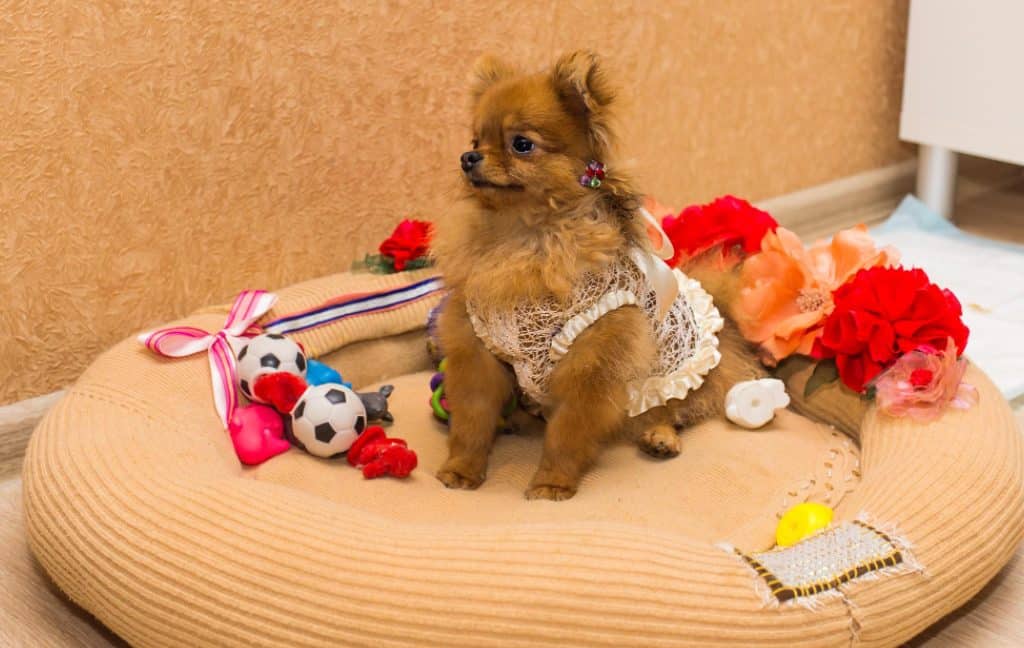
Keeping your pet mentally and physically stimulated can significantly reduce anxiety. Provide a variety of toys, especially puzzle toys that dispense treats. These keep them occupied and engaged while you’re away. Consider rotating toys regularly to maintain their interest. A comfortable and safe space, like a den or crate, can also provide a sense of security.
Make sure this space is associated with positive experiences, such as feeding or playtime. Ensure your pet has adequate opportunities for social interaction. If they are left alone for long periods, they may inadvertently damage items in their environment when they are exploring or investigating. Dogs investigate objects by pawing at them and exploring them with their mouths.
Many dogs, especially retrievers and young animals, also like to fetch and carry objects. Novel or unfamiliar objects are often damaged in this manner.
When to Seek Professional Help
If your pet’s separation anxiety is severe or doesn’t improve with training and environmental enrichment, it’s time to consult a professional. A vet or certified animal behaviourist can assess the situation and recommend a tailored treatment plan. In some cases, medication may be necessary to help manage the anxiety. Anti-anxiety medication can help a dog tolerate some level of isolation without experiencing anxiety. It can also make treatment progress more quickly. Remember, seeking professional help isn’t a sign of failure; it’s a responsible step towards ensuring your pet’s well-being. You can also look into behaviour services for more help.
Conclusion
Separation anxiety in pets is a real thing, and it’s a bit more than just a few chewed-up slippers. And they’re not trying to be naughty, they’re just a bit scared when you are not around. But the good news is, there is help. While It can take some time and a bit of effort, like most good things, but seeing your furry mate happy and chilled when you go out? That’s definitely worth it. Just remember to be patient, try out some of the tips, and reach out to your vet if necessary.
The Risks of Feeding Eggs to Cats
Eggs can be healthy for cats, but they’re not risk-free. If fed incorrectly or too often, eggs may cause health problems rather than benefits. Here are the main risks backed by research:
- Raw egg risks: The CDC estimates that about 1 in every 20,000 eggs may contain Salmonella. While rare, infection can cause vomiting, diarrhoea, and lethargy in cats and can also spread to humans in the household.
- Biotin deficiency: Raw egg whites contain avidin, a protein that binds to biotin (vitamin B7). Over time, excessive consumption of raw eggs could interfere with skin health, coat quality, and energy metabolism.
- High fat content: A large egg yolk contains around 4.5 grams of fat and 55 calories. For indoor cats, that’s a significant extra load that can lead to obesity or even pancreatitis if fed too frequently.
- Digestive upset: Cats with sensitive stomachs may react to eggs with diarrhoea or vomiting, especially if portions are too large.
- Allergies (rare but possible): Though uncommon, cats can develop egg allergies, which may show up as skin irritation, itching, or gastrointestinal issues.
FAQ
What exactly is separation anxiety in pets?
Separation anxiety is when your pet gets super stressed and upset when you leave them alone. It’s not about them being naughty; it’s a real panic, like a kid who’s lost their mum in a big shop. They might chew things, pee inside, or bark loads because they’re genuinely scared.
How can I tell if my pet has separation anxiety?
Look out for things like constant barking or whining as you’re leaving, or even before you’ve gone. They might chew up furniture, scratch at doors, or have accidents indoors, even if they’re house-trained. Some pets also pace around, drool a lot, or try to escape. It’s their way of saying, “I’m not okay with this!”
Why do pets get separation anxiety?
It’s a bit of a mixed bag, really. Sometimes it’s because they were separated from their mum too early, or they’ve had a tough past, like being in a shelter. Big changes at home, like moving house or a new baby, can also kick it off. And sometimes, it’s just how attached they are to you they can’t cope without their favourite human around.