



Bringing a pet into your life for the first time is an exciting experience to look forward to. No matter the pet you hope to choose, there is always something to look forward to, like the loyalty of a dog, the yapping of a parrot, or even the soft purring of a cat. And nothing compares to the companionship and comfort they offer. But with so many options, dogs, cats, birds, rabbits, and reptiles, how would you know which one to opt for?
Everyone chooses a pet for a reason, and it’s easy to get carried away just because they are cute. However, choosing a pet is more than picking the cute one, you want to consider the long-term commitment and make sure the pet you are choosing aligns with your lifestyle, daily routine and financial capabilities to avoid a pet and pet parent mismatch.
If you are a first-time pet owner, then this post will help you decide on the pet to choose. We will walk you through evaluating your lifestyle, understanding different pet needs, and common mistakes to steer clear of.
Assessing your lifestyle
Before you start researching specific breeds or adoption centres, as a first-time pet owner, take a moment to consider “What kind of lifestyle do I live?, and what kind of pet will thrive in it. Choosing a pet that suits you makes bonding with it easier.
- Time commitment: Daily schedule is an important factor you want to consider. Do you work long hours? Pets like dogs, especially puppies, require regular walks, feeding times and play, while cats and small animals tend to be more independent, and pets like birds or reptiles also require attention and care, but less. If you spend less time at home, consider pets like fish or reptiles.
- Living situation: Your living situation should also be taken into consideration. Do you live in a studio apartment, a multi-room house, or an apartment with a backyard? Larger dog breeds can find it hard to thrive in a small apartment, unlike cats, rabbits, hamsters and aquarium pets that do well in compact spaces. Also, be sure your lease allows you to accommodate pets.
- Budget: You should keep in mind that every pet comes with an upfront cost and a recurring cost. Consider initial costs like adoption fees, vaccinations, and basic supplies. While the recurring monthly costs include: grooming, toys, vet visits and pet insurance and vet visits. You should also consider emergency costs like surgery or illnesses(out-of-pocket payment). Be honest with what you can afford to spend on your pet.
- Activity level: Your activity level also matters when choosing a pet. Are you highly active? Do you enjoy running or hiking? A high-energy dog breed could make a great adventure partner. Prefer Netflix and naps? A cat or a low-energy breed may suit you better. Matching energy levels ensures both you and your pet are healthy and happy together.
Types of pets and their needs
Once you understand your lifestyle, the next step is to understand the needs of different types of pets.

Dogs
Dogs are loyal, affectionate, and social animals. However, they also require the most time, energy, and attention. Dogs require daily exercise, structured training, grooming, social interaction, and regular vet visits. It is an ideal pet for active individuals, families, or people who work from home.
If you are considering choosing a dog, keep in mind that high-energy breeds like Border Collies or Huskies need space and stimulation, while lower-energy breeds like Bulldogs or Basset Hounds may be better for apartment dwellers or less active owners.

Cats
Cats are more independent than dogs and usually adapt well to indoor living. They offer affection on their terms but require less hands-on maintenance. If you intend to keep a cat, they require litter box cleaning, scratching posts, mental stimulation, and vet care. It is best for people with busy lives, introverts, or individuals who prefer a quiet companion. Keep in mind that some cats are very social, while others are shy or aloof. Choose the one that best suits you.

Small mammals (Rabbits, guinea pigs, hamsters)
These animals are ideal for smaller living spaces and have simpler care routines. Smaller animals require cage cleaning, fresh food and water, enrichment toys, safe exercise space. They are the best pet for children (with supervision), beginners, or those with limited space. Consider the varying lifespans; hamsters live about 2 years, while rabbits can live 8–12 years. Some are nocturnal, which may affect bonding opportunities.

Birds(Parakeets, cockatiels, parrots)
Birds are intelligent, vocal, and often form strong bonds with their owners. For a bird pet, they require social interaction, mental stimulation, cage maintenance, vet care, and space to fly or roam. They are best for people who are home often and enjoy interaction and training. Be aware that larger birds like parrots can live 40-60 years, which requires a lifelong commitment that you intend to make.
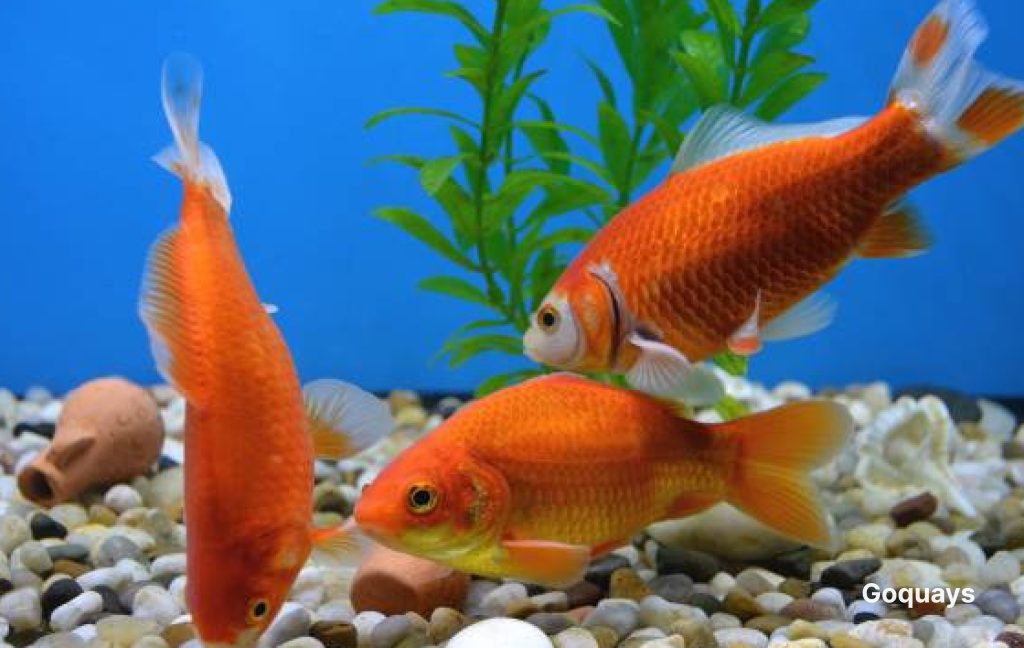
Fish
Fish can be mesmerising to watch and are often considered low-maintenance, but setup and water quality management are crucial. If yo u are opting for a fish, you need a clean tank, proper filtration, water testing, and specific feeding schedules. They are best for quiet homes, people with allergies or those who want a pet with less direct interaction. Saltwater tanks require much more maintenance than freshwater setups.
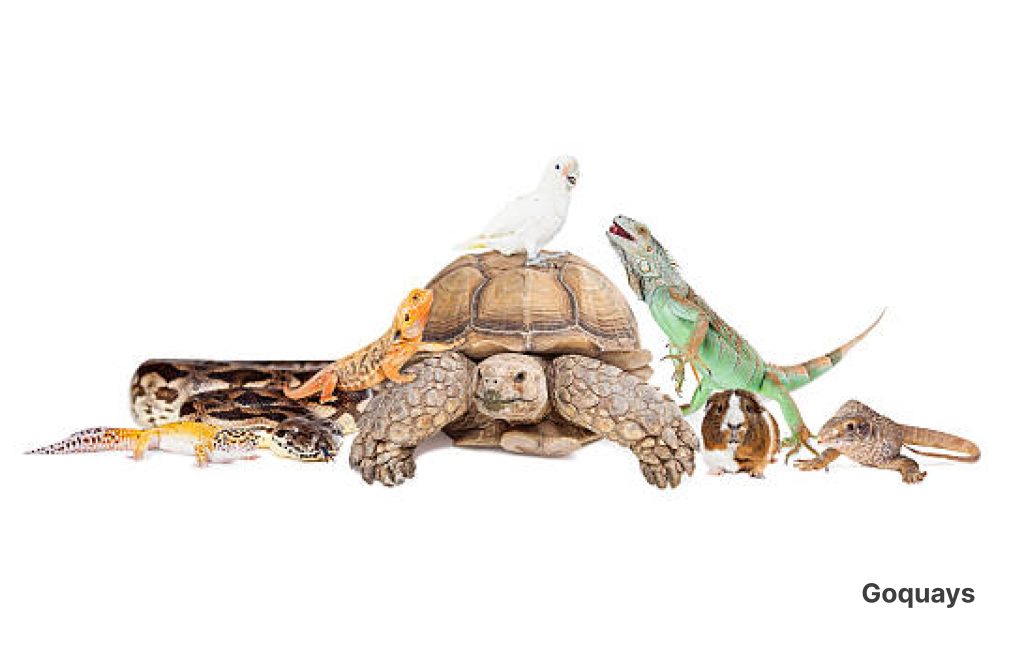
Reptiles and exotic pets(turtles, snakes, lizards)
These pets are fascinating but require specialised care that’s often misunderstood. They need controlled habitat (temperature, humidity), live feeding or special diets, and minimal handling. experienced owners or those interested in non-traditional pets. Reptiles are not ideal for homes with small children or those unfamiliar with exotic pet care. Research species-specific requirements carefully.
Questions to ask before adopting or buying a pet

As a first-time pet owner, asking yourself a few critical questions before adopting or buying can prevent heartache down the road, for both you and the pet. Below are some thoughtful questions to consider that will help guide your decision with clarity and responsibility:
- Why do I want a pet?
This may seem like a simple question, but it’s one of the most important. Are you looking for companionship, a reason to stay active, a pet for your kids, or emotional support? Identifying your true motivation will help you select the right species.
- Do I have enough time to care for a pet?
Pets require attention, and some more than others. Dogs need walks, training, and playtime. Birds and exotic pets need enrichment and handling. Even “low-maintenance” pets like fish require routine care. Consider your work schedule, social life, and travel habits before committing.
- Can I afford the costs?
Pet expenses go far beyond the adoption fee or initial purchase. You will need to budget for;
- Food and treats
- Routine vet care
- Emergency medical bills
- Grooming and supplies
- Pet insurance(optional but recommended)
- Does my living situation allow for a pet?
If you rent, check your lease agreement for pet policies. Some buildings have size or breed restrictions. If you live in a small space, large or high-energy pets may not thrive. Also, consider access to outdoor space for dogs and the potential noise level for birds.
- What happens to my pet when I travel or move?
Do you have reliable pet-sitters or boarding options for when you are away? Would a future move (especially international) affect your ability to keep a pet? Planning can prevent difficult decisions later.
Where to find the right pet?
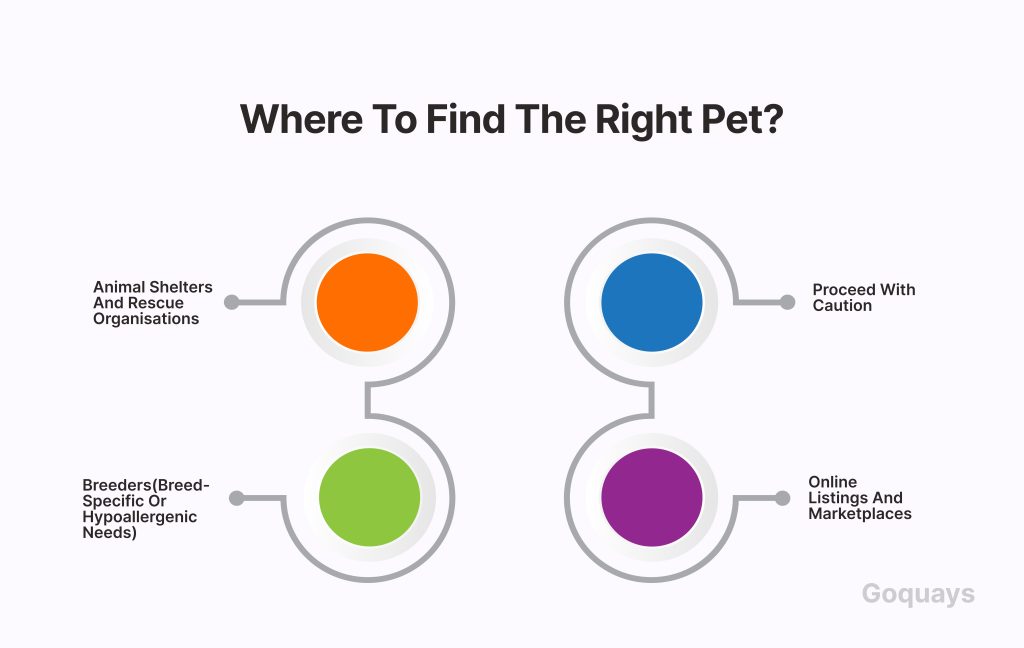
The source you choose will directly influence the health, behaviour, and well-being of your new pet.
- Animal shelters and rescue organisations
Animal shelters and rescue groups are some of the most ethical places to find a pet. These organisations are filled with animals abandoned without fault and waiting for a second chance.
Benefits of adoption
- You are saving a life and reducing the demand for pet mills
- Adoption fees are typically lower and often include vaccinations, microchipping, and spay/neuter services
- Shelter staff often conduct behaviour assessments to help match you with a pet that fits your home and energy level
- Breeders(Breed-specific or hypoallergenic needs)
If you are looking for a specific breed due to allergies, temperament, size, or compatibility with children or other pets, a reputable breeder may be the right place for you. If you intend to go through a breeder, be sure to carry out your due diligence.
Signs of a responsible breeder
- Allows (or even requires) a home visit or virtual tour
- Keeps animals in clean, humane, home-like environments
- Breeds limited litters per year and prioritises the health of the parent animals
- Provides health screenings, vaccination records, and documentation
Proceed with caution
While some pet stores now partner with shelters to offer rescue animals, others source pets from commercial breeding operations, often called puppy mills or kitten factories. These businesses focus on quantity over quality and often neglect animal welfare.
Online listings and marketplaces
Online platforms like Craigslist, Facebook Marketplace, or local classifieds are filled with pet listings, but they are largely unregulated. While some legitimate owners rehome animals responsibly, others operate under pretences or sell unhealthy, unvaccinated pets.
Avoid
- Listings without health records or photos
- Sellers asking for deposits without allowing a visit
- Too good to be true deals
Prepare your home and family
Bringing a new pet into your life is more than just an emotional commitment; it also involves practical preparation. To ensure a smooth transition, it’s essential to make your home safe, welcoming, and functional for your new companion.
Taking time to prepare in advance can significantly reduce stress for both you and your pet, and it lays the foundation for a healthy, happy relationship from day one.
Pet-proofing your home
Before your pet arrives, walk through your home and view your space from an animal’s perspective. Just like baby-proofing, pet-proofing helps prevent accidents, injuries, and damage.
- Secure wires and cords that pets might chew on (especially puppies, kittens, and rabbits).
- Move toxic houseplants such as lilies, pothos, and aloe vera, which are poisonous to dogs and cats.
- Lock away household chemicals, including cleaning products, pest repellents, and medications.
- Remove choking hazards such as rubber bands, small toys, or string.
- Install baby gates or pet barriers to restrict access to unsafe areas (like stairs, garages, or kitchens).
Preparing essential supplies
Having the right gear ready before your pet comes home will ease their adjustment and show them that they are safe and cared for.
Basic supply checklist (customise by the pet you are adopting)
- Food and water bowls
- Age-appropriate pet food
- Bed, crate, or cage
- Toys and enrichment tools
- Litter box or potty pads (for cats and puppies)
- Grooming tools (brush, nail clippers, shampoo)
- ID tag, collar, and leash (for dogs and outdoor cats)
- Pet-safe cleaning supplies for messes
Find a vet and an emergency plan
Before your pet arrives, identify a local veterinarian and schedule an initial check-up. It’s also wise to:
- Research emergency vet clinics
- Prepare a pet first-aid kit
- Ask about vaccination schedules, spaying/neutering, and microchipping
Conclusion
Choosing the right pet is more than just a feel-good decision; it’s a commitment that affects both you and the animal you bring into your home. As a first-time pet owner, doing your research, reflecting on your lifestyle, and asking the tough questions upfront are not just smart steps; they are signs of a responsible and caring future pet parent.
Throughout this guide, we have walked through key areas to help you prepare: assessing your daily routine, understanding various pet needs, finding the right match for your personality, and setting up your home and family for success. Whether you choose a high-energy dog, a laid-back cat, a curious bird, or a quiet tank of fish, the most important thing is making a thoughtful choice that benefits both you and your new companion for years to come.
Remember, there’s no perfect pet, only the perfect pet for you.
Take your time. Ask questions. Visit shelters. Meet animals in person. Let compatibility guide your decision, not impulse or trends.