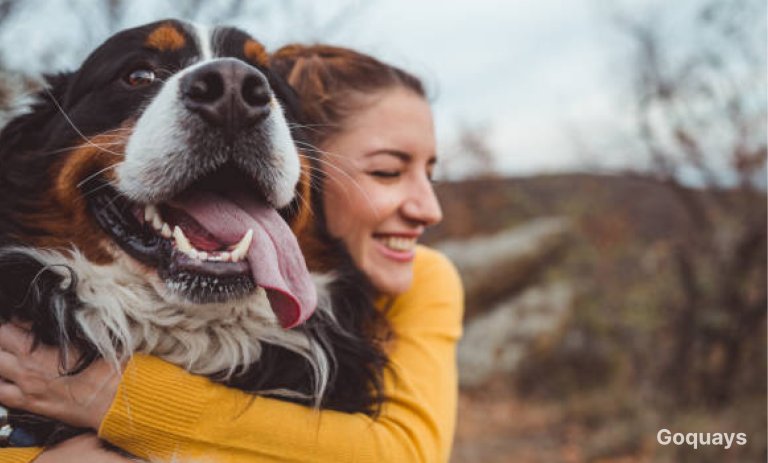



There’s something special about older pets. Maybe it’s the way their eyes light up when you offer them a warm bed, or how they lean into your touch like they have been waiting their whole life for that kind of love. If you have ever locked eyes with a senior cat or dog at a shelter, you will know you are adopting a pet who has been through life and is simply hoping for a soft place to land.
Sadly, many senior pets are passed over in favour of younger animals. According to the Royal Society for the Prevention of Cruelty to Animals (RSPCA), older pets can take up to three times longer to find a home compared to younger ones. It’s heartbreaking when you realise that these gentle, loyal companions still have so much love to give but are always passed over.
Yes, adopting a senior pet comes with its challenges. They might need extra care, a quieter environment, or regular vet visits. But what do they give in return? devotion, calm companionship, and the kind of gratitude that brings tears to your eyes is something truly priceless.
In this post, we will walk you through what it means to adopt a senior pet, the joys, the realities, and how pet insurance can help ease some of the worries, so you can focus on giving an older pet the love-filled final chapter they deserve.
What is a senior pet?
When most people hear the term “senior pet,” they assume a frail, sickly animal, but that’s not true. The truth is, most senior pets are healthy, active and full of life, and when you understand what “senior” means, it helps set the right expectation when you want to adopt one.
At what age is a pet considered “senior”

This age varies by species, breed and size.
For dogs
Small breeds like Cavalier kings charles spaniel, pug they are considered senior by 8-10 years. While medium breeds like cocker spaniel, staffordshire bull terrier are senior by age 7-9 years and larger breeds like labrador are considered senior by 5-7 years.
For cats
Most are considered seniors at 11 years old. The RSPCA and International Cat Care also recognise “super senior” cats at 15 years.
Other pets(rabbits, parrots, guinea pigs)
They are considered senior depending on their species. However, they are usually considered in the last third of their average lifespan.
Benefits of adopting a senior pet

Various benefits come with adopting a senior pet, which are unknown to most prospective pet owners. Here are some benefits of adopting older pets.
- Low energy, low maintenance: When you adopt a senior pet, you are adopting a well-developed animal that can easily fit into your lifestyle. A senior pet is ideal for working professionals, older adults or anyone looking for a peaceful partner. Older pets are less likely to have or engage in destructive behaviours like chewing furniture or scratching carpets.
- Already trained: With a senior pet, you are more assured of a well-trained pet(they are familiar with litter training and understand basic commands), unlike young pets that require house training or obedience classes. Adopting a senior pet means less frustration and a smooth transition for you.
- Immediate bonding: There is something different about the bond you will share with a senior pet. This is because they are grown and have experienced shelters, and they know what it means to be given a second chance. These experiences translate to their gratitude in a form of loyalty and affection; they also settle in quickly and create a bond with their parent faster than younger animals.
- Great for first-time pet owners: If you are new to pet parenting, you could become overwhelmed with the idea of training a pet(puppy or kitten), dealing with scratches or going through litter training. When you adopt a senior pet, they are easier to manage, less demanding in terms of energy, socialisation and entertainment.
- Reduced upfront costs: Some rescue centres in the UK, like RSPCA and Dogs Trust, reduce or waive adoption fees for older pets. Also, most senior animals come with microchips, up-to-date vaccinations and recent vet checks.
- You are saving a life: Senior pets are mostly overlooked in shelters. Some of them spend months or years waiting for a home, but they never truly get the chance. By adopting one, you are giving them a second chance at a warm home, helping rescue centres free up space while also helping yourself get a stress-free pet.
Things to consider before adopting a senior pet
Here are some things to consider before adopting an older pet
- Age-related health conditions
While most senior pets may be in good health, they are more prone to age-related conditions that are unlikely to affect younger pets until their later years.
Some of these conditions include: Arthritis, dental disease, cardiovascular conditions(related to heart, kidney or liver) or weight management issues. While these conditions don’t make a senior pet unadoptable, the conditions make senior pets require close monitoring, regular vet visits and medication or dietary adjustments.
- Ongoing veterinary costs:
Most pet lovers believe older pets are too expensive to care for. While it’s true that it requires you to spend more for proactive health care, you can easily manage it with proper planning and support. However, consider the cost of regular wellness checks, prescription diets, and emergency care.
- Behavioural needs
Some senior pets come with baggage(backstories). As a result of this, they might be anxious in a new environment, show signs of past trauma or even take longer to adjust to a new environment.
- Shorter time together
Adopting a senior pet can mean spending a few years together, which can be emotionally difficult, but it doesn’t undermine the time spent together. Many adopters say that the depth of connection with a senior pet and the knowledge that they gave them a loving final chapter is worth every moment.
- Are you ready for the responsibility?
Before you adopt, ask yourself;
Can I commit to regular vet visits and medications if needed?
Am I emotionally prepared for the challenges of end-of-life care?
Do I have pet insurance or a plan for unexpected medical bills?
Will my home environment suit a slower-paced, senior lifestyle?
Questions to ask before adopting a senior pet

Adopting any pet can be overwhelming, but adopting a senior pet. But to ensure you are on the right path, it’s important to ask the right questions before bringing a senior pet home.
Here are some important questions you need to ask;
- What is the pet’s medical history?
Senior pets are likely to have ongoing health needs, so it’s important to know all these beforehand.
Ask;
- Has the pet been diagnosed with any chronic conditions (e.g. arthritis, heart disease, kidney issues)?
- Are they on any medication or supplements?
- Are vaccinations, flea/worm treatments, and dental checkups up to date?
What type of food or diet do they require?
A lot of older pets require a certain diet prescription tailored to their age-related needs
Ask;
- Are there dietary restrictions?
- Do they need soft food due to dental issues?
- Are they prone to weight gain or digestive issues?
How is their mobility
Older pets usually need less exercise but still require regular activity.
Ask:
- How far can they comfortably walk (for dogs)?
- Do they show signs of joint pain or stiffness?
How long have they been in the shelter?
The longer a pet has been waiting, the more support they may need in adjusting to home life again.
- Have they been in foster care or a kennel?
- What progress have they made since arriving?
What kind of support or post-adoption services are available?
Many UK rescues offer post-adoption guidance or even follow-up check-ins. Some also include initial vet treatments or offer discounted services.
Ask:
- Are any vet checks included in the adoption fee?
- Will I get support if behaviour or health issues arise after adoption?
- Do they offer a return or exchange policy if things don’t work out?
Preparing your home for an older pet
Before bringing a senior pet into your home, you need to set up your home to support their comfort, mobility and wellbeing. Here is what to do to prepare your home for a senior pet.
- Create a comfortable resting area
Senior pets tend to sleep more, and their joints are more prone to stiffness or pain. Investing in an orthopaedic or memory foam bed can make a big difference in their day-to-day comfort. Place this bed in a quiet, draught-free corner of your home(make sure it is away from heavy foot traffic or cold tile floors). Older pets like to be in close contact with their owners. So, consider placing a few cosy resting spots in different rooms so they can always find a soft, warm place to relax near you. Don’t forget to provide extra blankets during colder months.
- Support their mobility
Older pets are no longer as agile as they used to be. To protect them from indoor accidents or injuries, use non-slip rugs or mats on your floors, especially if it’s slippery. If your senior dog enjoys cuddling on the sofa, or your cat still loves a sunny window perch, consider installing pet-friendly shallow steps to make access easier. If your pet struggles with stairs, make it easier for them by keeping essential items like food, water, and litter trays on the main floor of the house.
- Set up easy access to food and water
Bending down for food and water can put unnecessary strain on ageing joints, especially in larger breeds or arthritic pets. Raised bowls are a simple way to reduce discomfort. Ensure that water is always available and kept fresh. If your pet has dental problems, consider switching to softened or wet food that’s easier to chew and digest.
- Pet-proof with age consideration
It’s important to senior-proof your home with a focus on their declining mobility or senses. Use baby gates to block off steep stairs if they pose a fall risk. Remove household hazards such as trailing wires, sharp-edged furniture, or open fireplaces. Keep medications, houseplants, and cleaning products that could harm them out of reach.
Conclusion
If you have made it this far, chances are you are seriously considering adopting a senior pet, and we are proud of you. Now, let’s make sure you have everything you need to take the next step with confidence, support, and peace of mind.
Explore senior pet insurance from Quays
Older pets can come with extra health needs, but with the right insurance, you can manage those costs without worry.
At Quays, we believe every pet deserves great care, no matter their age. Flexible coverage for senior dogs and cats, support for chronic conditions, medications, and vet visits, no unnecessary restrictions or hidden surprises.
There is a plan that fits your budget and your pet