

Did you know that the RSPCA alone rescued and cared for over 100,000 animals in the UK last year? So many of these pets were sadly abandoned because their previous families could no longer care for them or just didn’t want them anymore.That means countless lovable dogs, cats, and small animals are now sitting in busy shelters, waiting and hoping. Many are overlooked for weeks or even months. So when you choose to adopt, you are giving these animals a second chance at life. A chance to feel safe again, to be loved again, and to finally be part of a family.
And while adoption transforms an animal’s world, you also get fulfilled, with unconditional love, gain a loyal companion and the joy of making a difference. By adopting, you are also helping your local community, easing the pressure on shelters, and giving vulnerable animals the future they deserve.
In this guide, we will walk you through everything you need to know to find the perfect pet close to home including why location matters, how to use trusted adoption search tools, the pros and cons of shelters vs rescues, key questions to ask before adopting, and how to choose a pet that fits beautifully into your life and home
Why location matters in pet adoption
When searching for pets for adoption near me, your location plays a role in how successful and smooth your adoption experience will be.
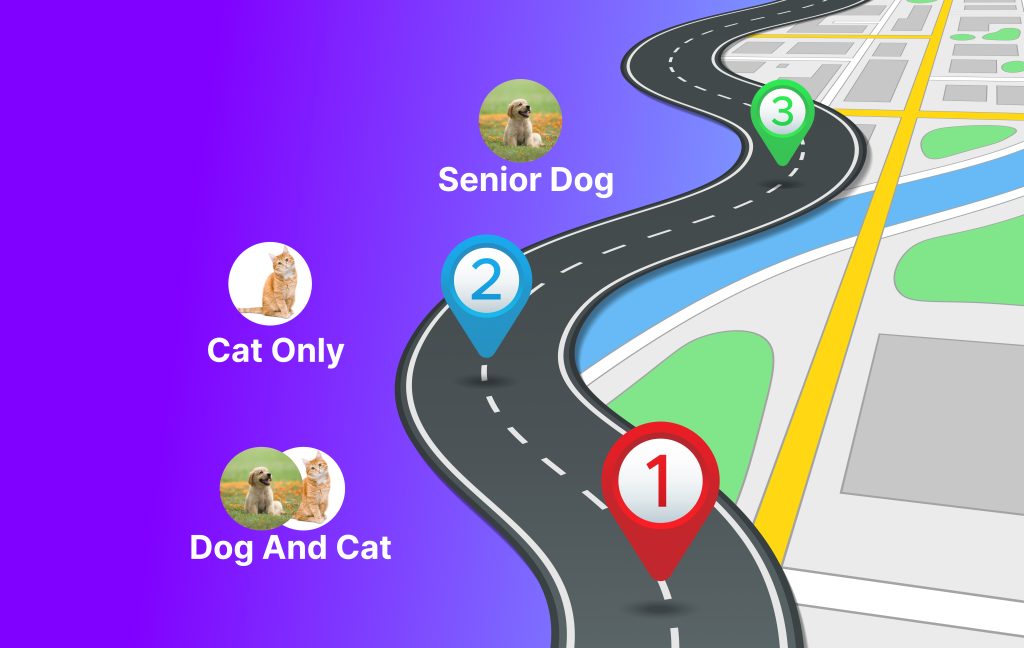
- Easier visits and follow-ups: Adopting locally allows your adoption process to proceed smoothly, as many shelter requires adopters to meet the animals multiple times especially when children or other pets are involved. Follow-up visits are also more feasible if the shelter requires post-adoption check-ins or offers behavioural support.
- Lower stress for the animal: When you adopt within your vicinity, there is no need for long-distance transportation. This reduces stress for the pet and eases the transition into their new home. Many animals are already anxious after being surrendered or rescued; staying within their local region helps them adjust more quickly.
- Faster home checks: Many UK rescue organisations, such as Dogs Trust and RSPCA, conduct home visits before finalising the adoption. Adopting from a local shelter speeds up this step and makes it easier to communicate with staff about setup and suitability.
- Quicker emergency access: If you have post-adoption questions or need support during the adjustment period, a nearby shelter is just a phone call or short drive away. Many local centres in the UK offer post-adoption services such as vet advice, behavioural support, or discounted vaccinations but often only to adopters in the nearby area.
Local shelters vs. Rescue
When you have decided to adopt a pet, you have already taken a beautiful step toward giving an animal a second chance. But now comes another big choice: Should you adopt from a local shelter or a rescue organisation?
It’s okay if you are not sure many pet parents feel the same way. Both shelters and rescues does an amazing, life-saving work but with a slight difference. Understanding these difference would help make your adoption process easier.
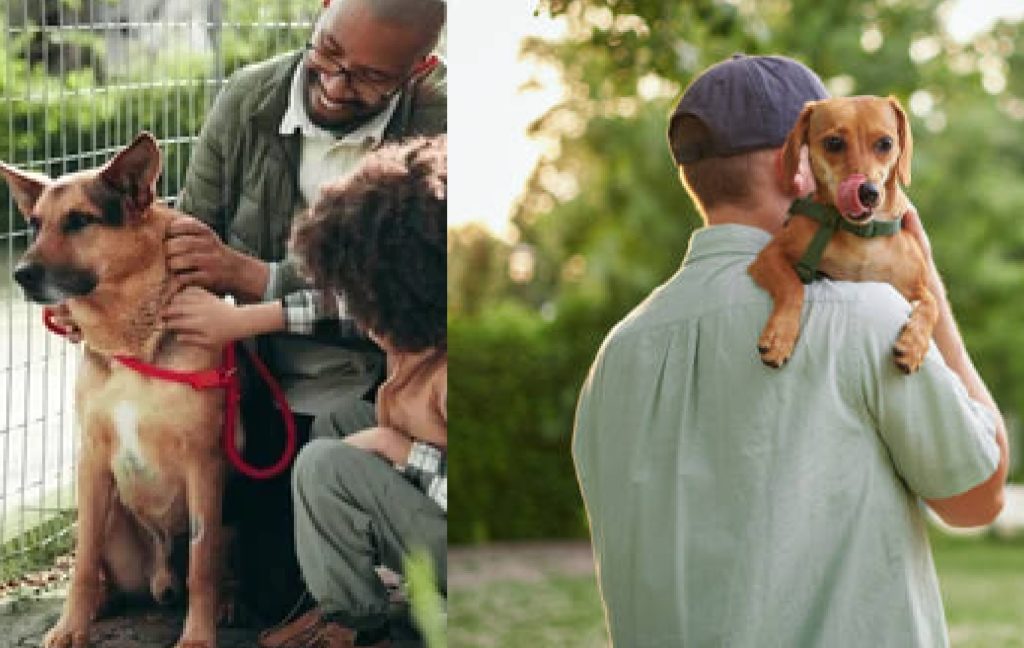
Local shelters vs. Rescue: What to expect?
Local animal shelters
Local shelters are usually run by the council or larger charities like the RSPCA, Blue Cross, or Battersea. These places care for a wide range of animals from playful puppies and senior cats to bunnies, ferrets, and even reptiles. Most are kept in on-site kennels or catteries, where dedicated teams work hard to keep them safe, healthy, and ready for their next home.
Why you might love adopting from a shelter
Lots of UK shelters offer a wide variety of pets of different ages and personalities. The adoption process is usually quick and simple, and many pets are already vaccinated, microchipped, and neutered. Shelters are also widely available across the UK.
What you need to keep in mind
- The kennel environment can sometimes be noisy or overwhelming, especially for sensitive animals.
- Because some pets come in as strays or are surrendered without much information, staff may not always know a pet’s full history or personality right away.
Rescue Organisation
Rescues tend to be smaller, usually volunteer-run, and many place animals in foster homes instead of housing them on-site. Some rescue organisation sometimes focus on specific needs like rehoming older pets, helping one breed in particular, or caring for animals with special medical needs.
Why you might love an adoption from a Rescue
Foster homes provide insight into a pet’s personality and habits, helping you know what to expect. These pets often adapt easily to home life, and many rescues offer lifelong support and advice after adoption.
What you need to keep in mind
The adoption process can be more detailed, often requiring home checks and interviews. There may be fewer pets available, and you might need to travel further to find the right match.
Matching pets to your lifestyle
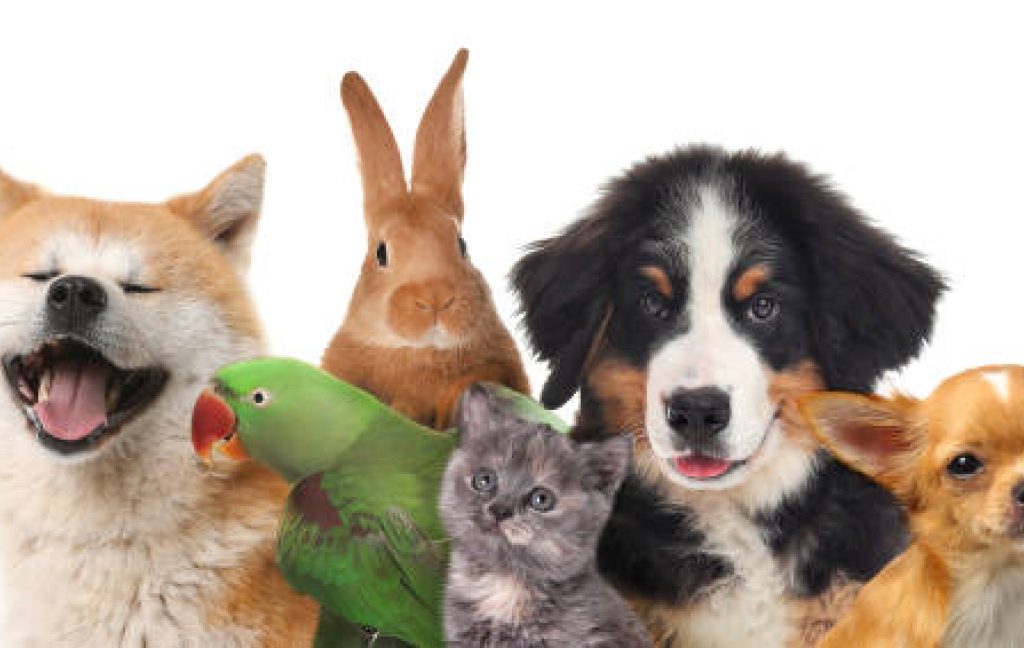
The key to a happy, lasting bond is making sure those needs align with what you are realistically able to offer.
- Think about your living space
Start with where you live. Are you in a flat, a shared home, or a house with a garden?
- Cats are known to do well in flats or smaller homes, especially if they are indoor cats.
- Dogs, especially larger or more active breeds, need outdoor space or regular access to a nearby park.
- Smaller pets like rabbits, guinea pigs, or hamsters are great for smaller homes, but still need plenty of stimulation and safe environments to explore.
- Consider your daily routine
Your schedule plays a big role in choosing the right pet:
- Work long hours? A lower-maintenance pet, like an older cat, might be more suitable.
- Home a lot or work remotely? You may be ready for a more active dog who loves company and regular walks.
- Busy family with school runs and sports days? A calm, easygoing pet may be a better fit than a high-energy puppy that needs lots of training.
- Match pet to your family life
Do you have kids, other pets, or elderly family members at home?
- Some breeds are good with kids, such as Labradors, Golden Retrievers, or gentle mixed-breeds.
- If you have other animals, look for pets that are known to be sociable and have been tested with other cats or dogs.
- Seniors or people with mobility challenges might prefer smaller, calmer pets like older dogs or cats who don’t require as much exercise.
Question to ask before adopting a pet
Bringing a new pet into your life is incredibly exciting but it also comes with big responsibilities. Asking the right questions before adoption helps ensure you are fully prepared and that your new companion has the best start in their new home.
Remember, there is nothing like a silly question. Shelter and rescue staff are there to help you make a well-informed decision, and they genuinely want their animals to go to homes where they will thrive.
Here are some key things to ask:
- What is the pet’s background or history? (If known)
- Has the pet been vaccinated, microchipped, and neutered/spayed?
- Do they have any medical or behavioural issues?
- Are there any ongoing medical conditions or special dietary needs?
- Has the pet lived with children, other pets or a specific environment?
- What kind of daily routine or exercise does the pet need?
- Is the pet housetrained or crate-trained?
- Why was the pet brought in
- What is the adoption process and what support do you offer after
- What’s the return or trial policy if it’s not the right fit?
What to expect during the pet adoption process?
Here’s a friendly walkthrough of how the adoption process typically works, so you can feel fully prepared to welcome your new best friend home.
- The application form
Once you find a pet you like, you’ll need to complete an adoption application. It usually asks about your home setup, other pets, work schedule, and animal care experience.
- Home checks
Most UK shelters may arrange a home visit to check safety, including secure fencing, safe indoor spaces for pets, and general cleanliness and living space.
- Meet and greets
If the application and home check go well, you’ll meet the pet in person. You may need multiple visits to build familiarity, and if you have other pets, shelters may arrange controlled introductions to ensure compatibility.
- Adoption fees and what’s included
Most UK shelters charge a small adoption fee to cover essential care, including vaccinations, microchipping, neutering, flea and worm treatment, and a vet health check.
- Bringing them home
Once everything is approved and the adoption is confirmed, you will agree on a collection day. Shelters and rescues will give you advice on how to handle the first few days, from transport tips to helping them settle into their new environment. Patience and routine go a long way during this phase.
- Follow up and support
Some rescues and shelters will conduct a follow-up call or visit after a few weeks to check on progress, not to interfere, but to offer support. Many are happy to help with training tips, behaviour concerns, or even just a listening ear if you are feeling unsure.
Preparing for your new pet
Bringing home a new pet is a joyful moment but it also comes with a bit of preparation. Just like welcoming a new family member, it’s about making sure your space feels safe, calm, and ready for them to settle in.
Start with the basics: a cosy bed, food and water bowls, toys, a litter tray (for cats), and a collar with an ID tag. If you’re adopting a dog, you will also need a lead, harness, and poo bags. For smaller pets, research specific housing needs like the right size hutch or cage, bedding, and enrichment items.
Take time to pet-proof your home too. Tuck away wires, secure bins, and keep anything toxic (like chocolate, houseplants, or cleaning products) out of reach.
Finally, give your new companion space to adjust. The first few days should be quiet, calm, and full of gentle reassurance. You’re building trust one cuddle at a time.
Conclusion
Adoption is a quiet kind of promise that no matter where they have been, this time, they are home for good. Every dog curled up in a kennel, every shy cat waiting patiently in a foster home, every overlooked rabbit or guinea pig they are all just hoping for the same thing: love, safety, and a second chance.
By adopting locally, you are supporting overwhelmed shelters and rescue volunteers, easing the pressure on animal welfare services in your community, and saying yes to compassion and care over convenience.
The process may involve a few steps, but each one is there to help you find the pet who fits your life and your heart perfectly. Whether you are looking for a loyal dog, a calm cat, or a small animal to share your space, the right match is out there. And when you find them, it’ll feel like they were meant to be yours all along.
So take your time, ask the right questions, listen to your heart, and when you are ready, know that your perfect companion could be waiting for you just around the corner.