


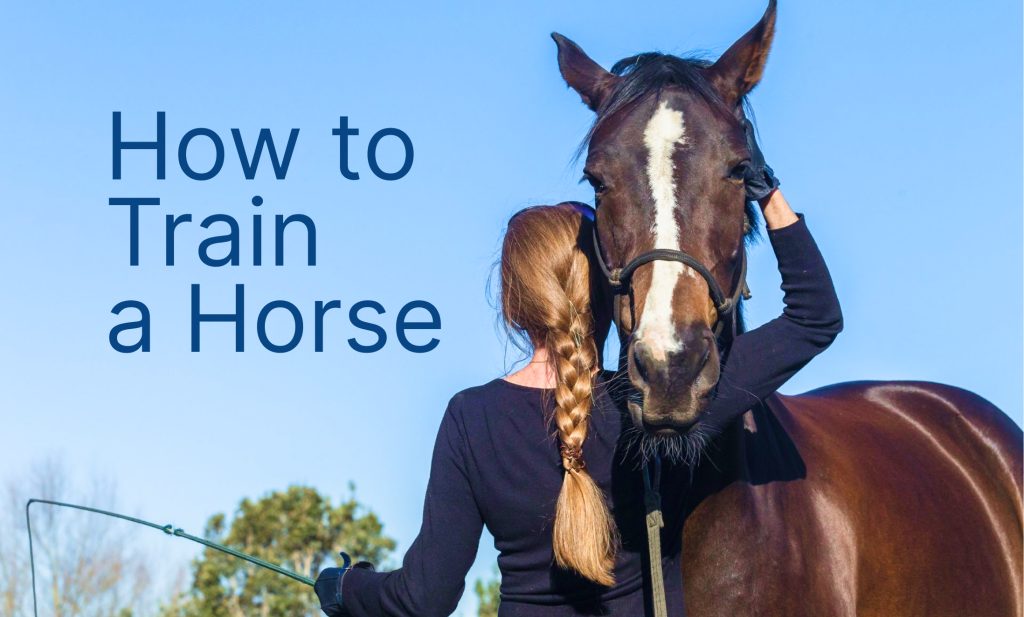
Are you new to horses and wondering if you will ever get the hang of it, get your horse to obey you and follow your cues? We are here to help. When it comes to horse training, your horse is pretty much like a blank slate waiting for you to fill it. As a beginner, you may find it daunting at first, but do not worry, it is a tremendously rewarding experience that will deepen your relationship with your horse.
Learning to train your horse is more than just reeling out commands, it involves open communication, trust, and dedication. This guide will take you through all the necessary steps and techniques required, from desensitisation and groundwork to saddle up and confidently riding.
By learning these fundamentals, you’ll create the foundation for a respectful, well-behaved horse and a cooperative relationship. Let’s begin your journey to being a competent and self-assured equestrian trainer.
Understanding Horse Psychology and Communication
It is important that you know how horses think, feel, and react to their environment before beginning any kind of training. Horses are guided by their instincts and understanding this is essential to developing a relationship of trust and productive dialogue with your horse.
Assuming that horses think like humans is one of the most common errors made by beginners. Meanwhile, horses are mostly motivated by their surroundings, body language, and instinct. Repetition is how they learn, and they react to predictable cues rather than intricate reasoning or strong feelings.
A horse’s primary response to danger is to flee, if they resist during training, it is usually not an act of defiance, but rather a response to fear. Horses also have an excellent memory and can recall both good and bad experiences, especially those involving people, places, and objects
Leading the Way
Horses respond to calm, confident leadership and clear authority. Stay consistent and composed, as they mirror your energy. Use the pressure and release method, apply gentle pressure and release once they respond correctly to help them understand your expectations.
Developing a Language
Communication occurs in every connection. You’re always communicating with your horse, whether you’re leading, brushing, or riding. Establishing a language founded on clarity, respect, and trust is the aim. Your horse is watching you and waiting to follow your cue, your posture says a lot about your intentions to your horse. Also, just like we give treats to kids to encourage good behavior, you can do the same for your horse, but do so sparingly and avoid very sugary treats.
Building Trust Through Groundwork
The first step in every successful horse training journey is laying the groundwork before you even step foot in the stirrup. It establishes the foundation for a courteous, trustworthy relationship between you and your horse. Consider groundwork as your chance to communicate clearly, set boundaries, and assist your horse in understanding what is expected of them in a secure environment.
The Importance of Groundwork in Horse-training
Horses of all ages and skill levels benefit from groundwork, not just young or inexperienced horses. It teaches the horse to follow your instructions, observe your body language, and show consideration for your personal space. Without the extra difficulty of being in the saddle, groundwork is also an excellent way for beginners to learn how to understand and manage their horse. Its benefits include:
- Improved focus and attentiveness
- Greater respect and compliance
- Improved manners
- A stronger bond between you and your horse
- Laying the foundation for a safer riding experience
Essential Groundwork Exercises
Leading
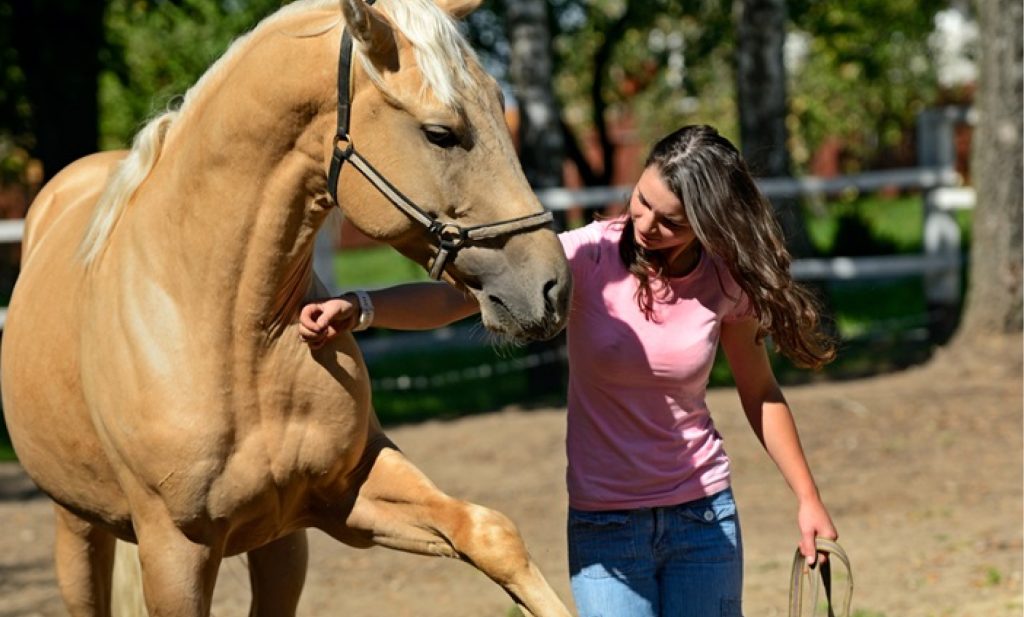
There are some exercises that you can engage your horse with during groundwork; teach your horse to walk quietly next to you and to stop when you give the cue, especially if you also stop walking. Use a halter and lead rope, maintain a confident stance and speak soft words of encouragement and give him a pat or rub.
Yielding the Hindquarters
During training, encourage your horse to move its hindquarters away from light pressure. You can do this by standing at his side and lightly touching his hindquarters with your hand or a stick until he moves away. This is beneficial for both groundwork and riding
Backing Up
Backing up teaches your horse to react to pressure from the lead line or halter and encourages respect for your personal space. Apply light pressure to the chest or halter while using a verbal command, such as “back.” And releasing the pressure as soon as the horse moves.
Lunging
Lunging teaches your horse to follow your commands by moving in a coordinated circle around you, using a lunge whip to guide his movement. It improves mental clarity, obedience, and physical fitness.
Desensitization
The process of gradually exposing your horse to different stimuli, including sounds, motions, objects, and personal contact, is known as desensitisation. Teaching the horse that these objects are not dangerous and that it’s okay to maintain composure in their presence is the aim.
Desensitization is very important during training, introduce your horse to different objects, activities and scenarios, this will reduce response to fear and prepare them for when you eventually get into the saddle. Getting young horses desensitized to different stimuli is very important because you will have to pick their hooves or check them for injuries at some point.
Consistency is key. As a beginner, train in short, regular sessions and avoid long, draining exercises. Each training session should last about 15 to 30 minutes a few times a week. Remember to always reward good behavior, it doesn’t have to be a treat every time, it just be a pat or lengthy rub of your horse’s mane.
Introducing the Saddle
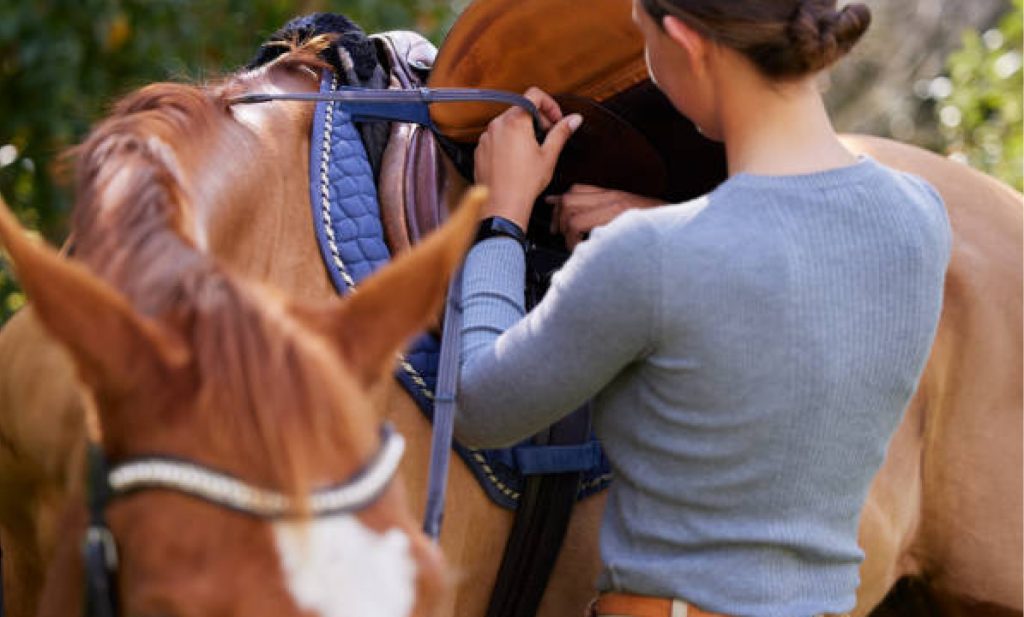
As soon as your horse becomes comfortable with groundwork and is fully desensitized, it’s time to get ready for one of the most significant training milestones which is, introducing the saddle. This is a sensitive stage that calls for a lot of patience. It may take months to overcome the fear and resistance that comes with preparing for the saddle if done hastily or incorrectly. However, when done properly, it creates the conditions for a fun and safe riding experience for both the rider and the horse. Before putting a saddle on your horse, ensure that your horse;
- Response to groundwork cues such as stop, back up, yield and lunge, are consistent
- Remains composed and receptive while desensitizing to different objects
- Is silent when being handled and groomed.
- Has established a certain level of trust and respect for you.
However, before introducing the saddle, you should first introduce a saddle pad or blanket to get your horse used to having some weight on his back. It can drop the saddle pad on the floor beside your horse and let him sniff and inspect it. To imitate the sensation of tack, gently rub the pad over the shoulders, back and sides of his body. Gently set the pad on your horse’s back, continue doing this until your hose is completely at ease with wearing the pad.
How to Introduce the Saddle
When your horse becomes comfortable with the pad, the next step is to introduce the saddle, below is a step-by-step guide on how to introduce the saddle.
- Step 1: Let your horse inspect the saddle, to reduce anxiety, allow your horse to sniff and possibly feel the saddle.
- Step 2: gently place the saddle: lift the saddle and gently place it on the pad, do this from the side of your horse. Do not let it fall or drag it across your horse’s back.
- Step 3: Do not tighten the girth immediately, instead give your horse time to adjust to the feel of the saddle on its back.
Continue this process until your horse is relaxed and not showing any signs of distress.
Tightening the Girth
The saddle is held in place by the girth or a cinch, although the horse may feel constrained and uncomfortable, especially in the beginning. Always take it slow. Tighten gently and observe as your horse walks around. Increase the pressure a little and always take note of your horse’s body language as you do so, look out for signs of discomfort such as a swishing tail, pinned ears, biting at the girth or shifting its weight. If you notice any of this, pause and reassure with a gentle rub on the back.
Stimulate Mounting
Before actually mounting, stimulate the procedure by applying pressure to the saddle or leaning over it lightly. This familiarises your horse with the feeling of weight on their back. Lean over the saddle for brief periods of time using a mounting block. Use a gentle voice, pats, or rewards to praise calm behaviour. You should think about mounting for the first time only when your horse is calm and receptive to this procedure.
First Rides and Reinforcement Techniques
Once your horse is at ease with the saddle and is comfortable moving around with it, then you know you are ready for your first ride which is the most exciting part of the training. Your primary goal at this stage is to boost the confidence of both you and your horse. Your aim is to calmly and methodically teach fundamental instructions, balance, and communication beneath the saddle rather than to gallop off into the sunset.
Getting Ready for Your First Ride
Before mounting, ensure that your horse has been exposed to simulated mounting, which involves leaning over the saddle, ensuring that the saddle and girth are secure and fitted correctly, and your horse has exercised and relaxed through groundwork.
Ensure that you’re in a secure, enclosed space, like a small paddock or round pen, wearing the correct riding gear, boots and helmet. Finally, make sure that you have an experienced trainer or handler on the ground for support.
For your first ride, keep it simple. It should be brief, calm and positive. Concentrate on getting it right. After mounting, train your horse to always wait for a signal to move. When you’re ready to move, apply a pressure on the legs. You can turn to the left or right by using body cues and applying pressure on the reins. If you want to stop, you simply say stop if you have trained your horse to respond to it or by slowly pulling back on the reins.
Ways to Reinforce Good Behaviour
Positive reinforcement helps your horse recognize when they have done well, instead of being punished for errors, horses learn best when they are calmly rewarded for good behavior and correct responses. Here are some of the ways you can reinforce good behavior:
- Release Pressure: this is the most crucial instrument for reinforcement. Stop exerting pressure as soon as your horse responds appropriately, such as stopping when instructed.
- Verbal commendation: Your horse can feel reassured and encouraged by calm, regular verbal praises like “good boy.”
- Light pats or strokes: Giving your horse physical praise, particularly around the neck or withers, lets them know they’re doing well.
- Treats: use them sparingly and only when appropriate (for example, after dismounting).
What to watch out for
During the first few rides, it’s quite typical for a horse to feel uncertain or a little uneasy. But keep an eye out for indications of severe distress or fear, things like:
- Pinched ears, swishing tails, or backing up
- Abrupt motions or bucking attempts
- Head tossing or stiffness
Remain composed, safely dismount your horse, and resume saddle or groundwork training if your horse shows any of these symptoms. If the horse is not mentally prepared, never force him to move forward as this will just cause him to lag behind.
Conclusion
Horse training is a gradual process rather than a sprint. It can initially appear intimidating if you are just getting started, but with perseverance, consistency, and an openness to learning, it can turn into one of the most fulfilling experiences of your life creating an unbreakable bond with your horse. Since each horse is unique, you will learn something new from each stage of the training process as well.
Always pay attention to what your horse is teaching you through behaviour and body language, start small, and be consistent. Take a step back and work at your horse’s pace if they are hesitant or afraid. Repetition, mutual respect, and trust are the keys to successful horse training, not coercion.
Always remember to prioritize your safety and that of your horse, do not hesitate to ask for help if you need it, praise your horse for small wins. For a horse in training, standing calmly, reacting to a verbal command, or taking the saddle without complaint are all significant accomplishments. Above all, have fun while doing it. Training aims to create a relationship based on compassion and understanding rather than merely teaching obedience