


You’re enjoying a Sunday walk through your local park when your dog suddenly starts choking on something they’ve picked up. Your heart races. What should you do?
Every dog owner dreads this moment, but being prepared with basic dog first aid knowledge could save your furry friend’s life. When emergencies strike, those precious first few minutes can make all the difference between a minor scare and a life-threatening situation.
You’re not alone in this concern. One in three pets needs emergency veterinary treatment every year, and with veterinary costs rising by 17% in 2023 alone, being prepared isn’t just smart it’s essential for your wallet too.
Why Dog First Aid Matters
Let’s be honest: dogs are curious creatures who love exploring the world with their noses and mouths. Whether it’s a weekend hike in the Cotswolds or a simple stroll around your neighbourhood, accidents can happen anywhere, anytime.
You don’t need to be a vet to provide life-saving care. Having basic dog first aid skills means you can act quickly and confidently when your furry mate needs you most. Think of it as being your dog’s first responder until professional help arrives.
The key is staying calm. Your dog picks up on your energy, so maintaining your composure helps prevent panic from escalating the situation. When you’re prepared and knowledgeable about dog first aid, you’re giving your beloved companion the best chance at a quick recovery
What to Include in a Dog First Aid Kit
Every responsible dog owner should have a well-stocked first aid kit. But what exactly should you include? Here’s everything you need to build a comprehensive kit that’ll handle most situations.
Must-Have Items for Your Dog First Aid Kit
Bandages and Wound Care
- Self-adhesive bandages (various sizes) are brilliant because they stick to themselves, not your dog’s fur
- Sterile gauze pads for cleaning and covering wounds
- Medical tape (cohesive bandage tape works best)
- Non-stick wound dressings to protect injuries
Cleaning and Antiseptic Supplies
- Sterile saline solution for flushing wounds and eyes
- Pet-safe antiseptic wipes (never use human products)
- Cotton wool balls for gentle cleaning
- Disposable gloves to keep everything hygienic
Essential Tools
- Digital thermometer (normal dog temperature is 38–39°C)
- Blunt-ended scissors for cutting bandages safely
- Tick removal tweezers are essential after countryside walks
- Small torch for examining injuries in poor light
Emergency Supplies
- An emergency blanket to keep your dog warm
- Muzzle or soft cloth (even gentle dogs may bite when hurt and scared)
- Fresh 3% hydrogen peroxide (only use if vet advises for vomiting)
- Any current prescription medications your dog takes
Contact Information
- Your vet’s details (including out-of-hours number)
- Local emergency vet clinics
- Animal Poison Line: 01202 509000 (animalpoisonline.co.uk)
- Your dog’s medical history and insurance details
Choose a waterproof container that’s easy to carry, as you’ll need quick access during emergencies. Check your kit every few months and replace expired items.
Spotting Dog Emergencies: What to Watch For
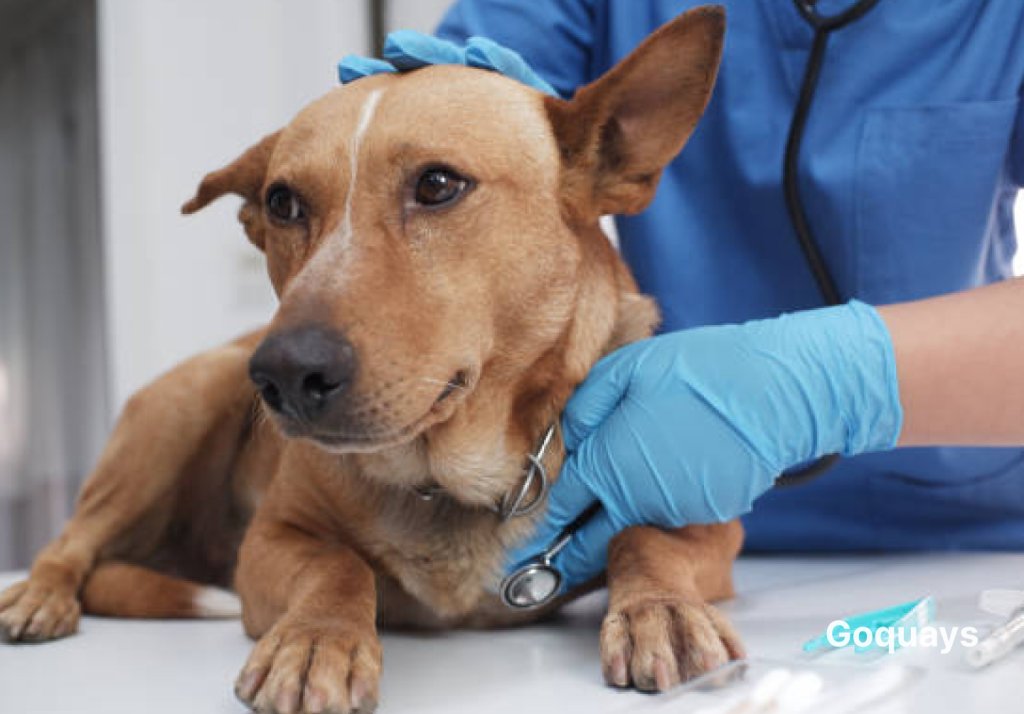
Knowing when your dog needs immediate help can save their life. Some situations require instant action, while others might just need monitoring. For more detailed advice, the PDSA offers a helpful dog first aid guide.
Emergency Signs That Need Immediate Vet Attention
Emergency Type | Symptoms to Watch For | Action Required |
Breathing Problems | Choking, difficulty breathing, blue/pale gums | IMMEDIATE VET |
Severe Bleeding | Heavy bleeding that won’t stop after 5 minutes | IMMEDIATE VET |
Major Trauma | Hit by a car, fall from height, can’t bear weight | IMMEDIATE VET |
Bloat | Swollen abdomen + unsuccessful vomiting attempts | IMMEDIATE VET |
Allergic Reactions | Sudden swelling, hives, collapse | IMMEDIATE VET |
Poisoning | Vomiting, seizures, extreme lethargy | IMMEDIATE VET |
When to Monitor vs Rush to the Vet
Monitor at Home:
- Minor cuts that stop bleeding quickly
- Slight limping, but still using the leg
- Single episode of vomiting with normal behaviour otherwise
Seek Urgent Care:
- Deep wounds or persistent bleeding
- Complete inability to put weight on a leg
- Repeated vomiting or any vomiting with blood
- Sudden collapse or unresponsiveness
When in doubt, always call your vet. They’d rather you check than miss something serious.
Treating Minor Injuries at Home
Cuts and scrapes are probably the most common injuries you’ll deal with. Here’s how to handle them properly.
Treating Minor Cuts and Scrapes
- Stay calm your dog needs you to be their steady rock
- Assess the wound is it bleeding heavily or just a surface scratch?
- Clean your hands and put on gloves from your first aid kit
- Gently clean the wound with sterile saline solution
- Apply gentle pressure with clean gauze to control bleeding
- Cover if needed small cuts often heal better uncovered, but protect larger wounds
- Monitor closely for signs of infection over the next few days
Signs Your Dog Needs Professional Care
- Wounds deeper than the skin surface
- Bleeding that won’t stop after 10 minutes of pressure
- Signs of infection: swelling, heat, pus, or bad smell
- Your dog seems in significant pain or won’t let you near the area
How to Do Dog CPR
How to Do Dog CPR
CPR isn’t something you hope to use, but knowing how could save your dog’s life. For a more in-depth tutorial, see this guide from Texas A&M VetMed.
When Is Dog CPR Required?
Perform CPR only if your dog is:
- Completely unresponsive to your voice or touch
- Not breathing at all
- Has no detectable heartbeat
Don’t attempt CPR on a conscious dog or one that’s still breathing.
Steps for Performing Dog CPR
For Small Dogs (under 15kg):
- Place dog on their right side on a firm surface
- Cup your hands over the heart area (just behind the front legs)
- Compress about 1/3 of the chest width
- Give 30 compressions at 100–120 per minute
- Tilt head back, close mouth, breathe into nose twice
- Repeat cycles until breathing returns or you reach the vet
For Large Dogs (over 15kg):
- Same position right side on firm surface
- Place hands one on top of the other over the heart
- Push hard and fast, compressing 1/3 of chest width
- Same rhythm: 30 compressions, 2 rescue breaths
- Continue until professional help arrives
Remember, CPR is exhausting. If possible, swap with someone else every 2 minutes.
Dealing with Bites, Stings & Poisoning
Insect Bites and Stings
Summer walks often mean encounters with bees, wasps, and other biting insects. Most bites are minor annoyances, but some dogs can have serious reactions.
For Minor Bites:
- Remove any visible stinger with tweezers (scrape, don’t squeeze)
- Apply a cold compress for 10 minutes to reduce swelling
- Watch for excessive scratching or licking
Seek Emergency Care If:
- Your dog’s face or throat swells rapidly
- They seem to have trouble breathing
- They become lethargic or unsteady
Multiple stings occur (especially dangerous for small dogs)
Poisoning and Toxin Exposure
Poisoning emergencies require immediate action. The quicker you respond, the better your dog’s chances of recovery. For detailed information, check the ASPCA Animal Poison Control Center.
Recognising Symptoms of Poisoning
- Vomiting or retching
- Diarrhoea or unusual bowel movements
- Excessive drooling
- Difficulty breathing
- Seizures or tremors
- Extreme lethargy or hyperactivity
- Loss of coordination
Immediate Actions for Suspected Poisoning
Do This Right Away:
- Remove your dog from the source if it’s still accessible
- Call your vet immediately or the Animal Poison Line (01202 509000)
- Gather information: what they ate, how much, when
- Follow professional guidance exactly
Never Do This:
- Don’t induce vomiting unless specifically told to by a vet
- Don’t give milk or food
- Don’t wait to see if symptoms develop
Common Household Toxins for Dogs
Toxic Substance | Found In | Symptoms | Danger Level |
Chocolate | Sweets, baking | Vomiting, hyperactivity, seizures | HIGH |
Xylitol | Sugar-free gum, sweets | Vomiting, loss of coordination | SEVERE |
Grapes/Raisins | Fruit, baked goods | Vomiting, kidney failure | HIGH |
Onions/Garlic | Cooking ingredients | Weakness, pale gums | MODERATE |
Household Cleaners | Cleaning products | Drooling, difficulty breathing | HIGH |
Emergency Preparedness for Pet Owners
Being prepared means more than just having a first aid kit. Here’s how to create a comprehensive emergency plan for your dog.
Essential Preparation Steps
Know Your Emergency Contacts:
- Primary vet with after-hours number
- Nearest 24-hour emergency clinic
- Animal Poison Control Hotline
- A trusted friend who can help if you’re unavailable
Keep Important Documents Ready:
- Vaccination records
- Medical history
- Insurance information
- Recent photos of your dog
Practice Emergency Scenarios:
- Familiarise yourself with the route to emergency vets
- Practice basic first aid techniques
- Know how to safely transport an injured dog
Transportation Tips for Injured Dogs
For Small Dogs:
- Use a blanket as a stretcher
- Support their head and neck
- Keep them warm during transport
For Large Dogs:
- Get help if possible
- Use a board or blanket as a stretcher
- Slide rather than lift if they can’t walk
- Watch for signs of shock during the journey
Conclusion
Mastering dog first aid isn’t about becoming a veterinary expert it’s about being prepared to help your furry friend when they need you most. With a well-stocked first aid kit, basic knowledge of emergency procedures, and the confidence to act quickly, you’re giving your dog the best possible chance in any emergency situation.
Remember, dog first aid is about providing immediate care until professional help arrives. Never hesitate to contact your vet when you’re unsure. They’d rather answer a worried call than deal with a preventable emergency later.
Your dog depends on you for their safety and wellbeing. By taking the time to learn these essential skills and prepare for emergencies, you’re showing the ultimate love and responsibility. After all, they’d do anything for you now you can do the same for them.