


You have probably reached for a slice of apple or a stray blueberry as an easy dog treat. Not every fruit is as safe as it looks, though, and getting it wrong can mean more than a bit of an upset stomach. This guide covers exactly which fruits are safe, how much to give, and which ones to avoid completely.
Can Dogs Eat Blueberries, Apples, and Tomatoes?
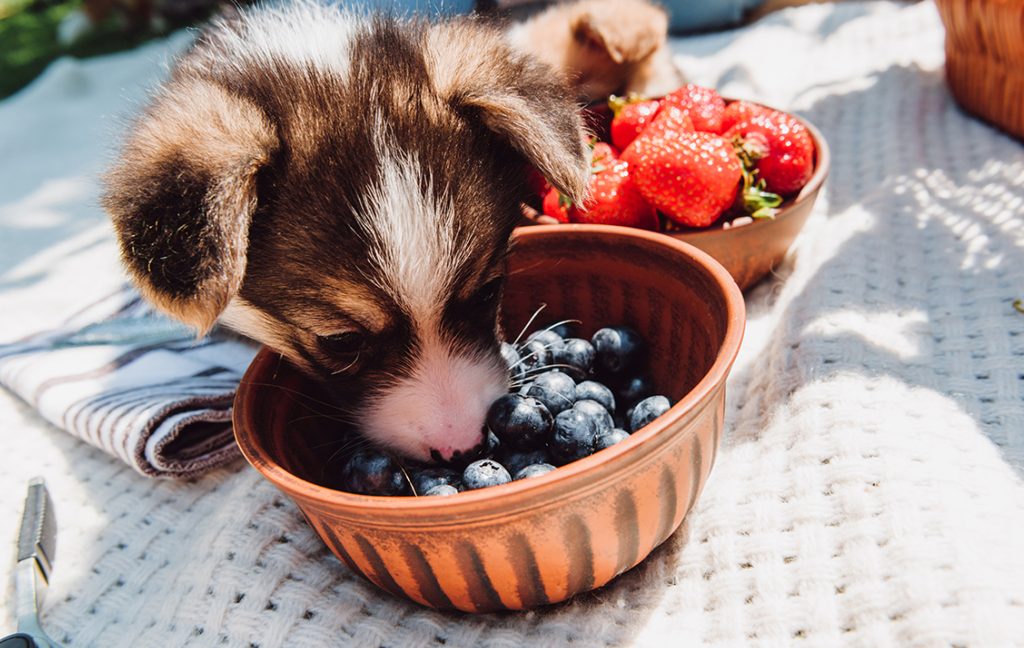
Yes to all three, with a few conditions attached. Each of these fruits is safe for most dogs when served in the right form and the right amount.
1. Blueberries
Blueberries are safe for dogs and offer real nutritional value. They’re rich in antioxidants, fibre, and vitamins C and K, and they’re low enough in calories to work well even for dogs watching their weight.
Safe serving size: around 2 to 3 blueberries per 10kg of body weight, two to three times a week.
2. Apples
Apple flesh is safe and gives your dog vitamins A and C along with fibre, but the core and seeds need to come out first. Apple seeds contain amygdalin, a compound that releases cyanide when broken down, so treat coring an apple for your dog the same way you’d treat prepping one for a toddler: thoroughly.
Safe serving size: 1 to 2 small slices for small dogs, 3 to 4 for larger breeds, once or twice a week.
3. Tomatoes
Ripe, red tomatoes are safe in small amounts. Green tomatoes and the leaves and stems of the tomato plant contain solanine, a compound that’s toxic to dogs. If you’re not confident the tomato is fully ripe, it’s safer to skip it altogether. There are plenty of other fruits that give the same enjoyment without the guesswork.
Nutritional Benefits of Fruit for Dogs
Fruit isn’t a required part of a dog’s diet. A complete, high-quality dog food already covers your dog’s nutritional needs. That said, fruit given occasionally can offer a genuine boost.
Nutrient | Benefit | Best Fruit Sources |
|---|---|---|
Antioxidants | Support cellular health | Blueberries, strawberries |
Vitamin C | Immune support | Strawberries, apples |
Fibre | Digestive health | Apples, pears |
Potassium | Heart and muscle function | Bananas, cantaloupe |
Water content | Hydration | Watermelon, oranges |
High-quality commercial dog foods are specially designed to meet all your dog’s nutritional needs, so they don’t actually need fruit in their diet. That said, safe fruits can be offered as an occasional treat and may provide some great extra benefits in moderation.
What Other Fruits Are Safe for Dogs?
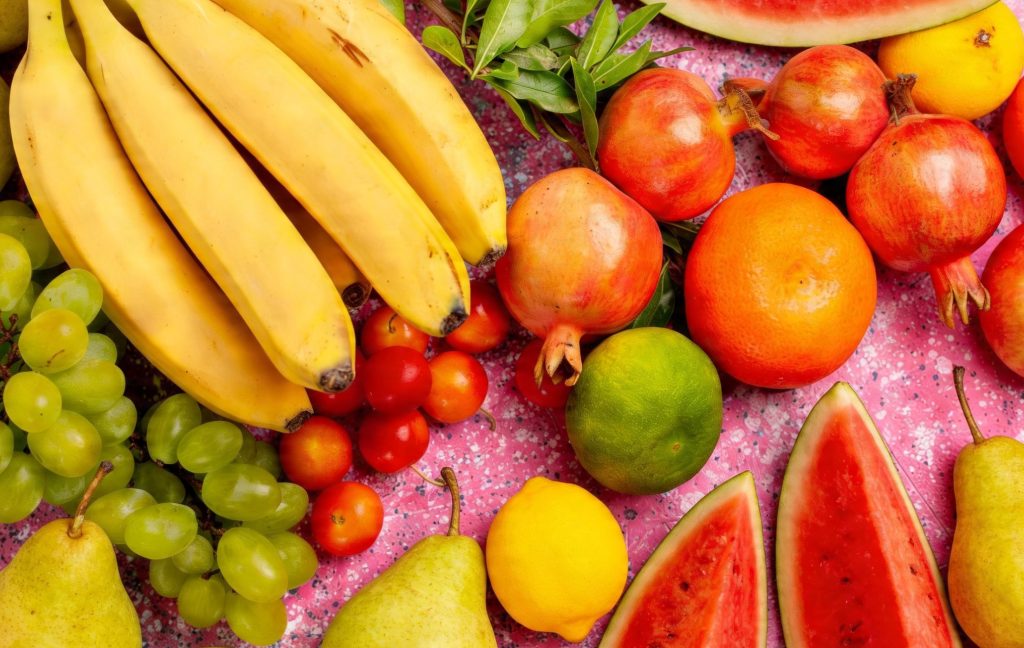
Beyond our main trio, here are other fruits your pup can safely enjoy:
Excellent choices:
- Bananas – potassium powerhouses (limit due to sugar content)
- Watermelon – hydrating summer treat (remove seeds)
- Strawberries – vitamin C and natural teeth whiteners
- Pears – fibre-rich (remove core and seeds)
- Cranberries – urinary tract support (fresh only, not dried)
As a general rule, treats of any kind, including fruit, shouldn’t make up more than 10% of your dog’s daily calories.
What Fruits Are Toxic to Dogs?
Some fruits carry a real risk and are worth knowing by name, not just by category.
Fruit | Risk Level | Why |
|---|---|---|
Grapes and raisins | Severe | Can cause acute kidney failure; the exact toxic compound is still not confirmed, so there’s no known safe amount |
Cherries | High | The pits, stems, and leaves contain cyanogenic compounds; the flesh alone poses less risk but pits are still a choking hazard |
Wild berries | Variable | Many are difficult to identify correctly, so treat unknown berries as unsafe |
Avocado | Low to moderate | Persin mainly affects birds and horses; for dogs, the pit is a choking hazard and high fat content can cause stomach upset |
Grapes and raisins deserve the most caution here. Even a small amount can cause kidney failure in some dogs, and there’s currently no known dose that’s considered safe. Avocado, on the other hand, is often overstated as “toxic” to dogs specifically. The real risks with avocado are the pit and the fat content, not the fruit itself in small amounts.
Can Dogs Eat Dried or Frozen Fruit?
Frozen fruit is a good option in warm weather. Plain frozen blueberries, banana slices, and cored apple pieces all work well, as long as nothing is added: no syrup, sugar, or preservatives.
Dried fruit needs more caution. Most commercial dried fruit is processed with added sugar or preservatives that aren’t good for dogs, and dried grapes (raisins) are among the most dangerous items on this list. Plain, unsweetened dried apple in very small amounts is one of the few dried options worth considering.
How do you Introduce New Fruits Safely
Starting your pup on fruit treats? Here’s my tried-and-tested approach:
The gradual introduction method:
- Start tiny – literally one small piece
- Wait 24-48 hours – watch for any digestive upset
- Monitor behaviour – ensure they’re acting normally
- Gradually increase – if all goes well, slightly increase portion size
- Establish routine – once you know they tolerate it well, create a treat schedule
What to watch during introduction:
- Changes in bowel movements
- Vomiting or loss of appetite
- Unusual lethargy or hyperactivity
- Skin reactions or excessive scratching
If you notice any negative reactions, stop immediately and consult your vet.
Creative Ways to Serve Fruit Treats
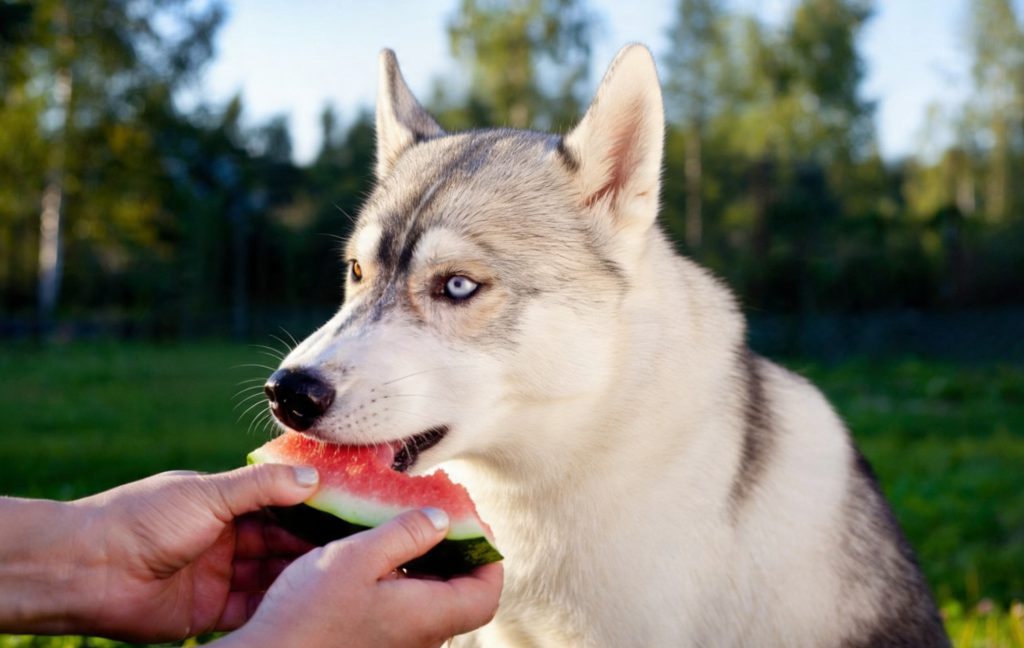
Let’s face it, presentation matters, even for dogs! Here are some fun ways to serve up fruity goodness:
Summer cooling treats:
- Freeze blueberries in ice cube trays with water
- Blend banana and apple pieces into “pupsicles.”
- Stuff Kong toys with mashed banana and freeze
Training rewards:
- Use small blueberries as high-value training treats
- Dice apples into tiny training-sized pieces
- Alternate fruit treats with regular treats for variety
Special occasion ideas:
- Create a “fruit salad” with safe options for birthday celebrations
- Make homemade dog treats incorporating safe fruits
- Use fruits as food puzzle fillers to encourage mental stimulation
Creative fruit treat arrangements and frozen dog treats.
Seasonal Fruit Safety Considerations
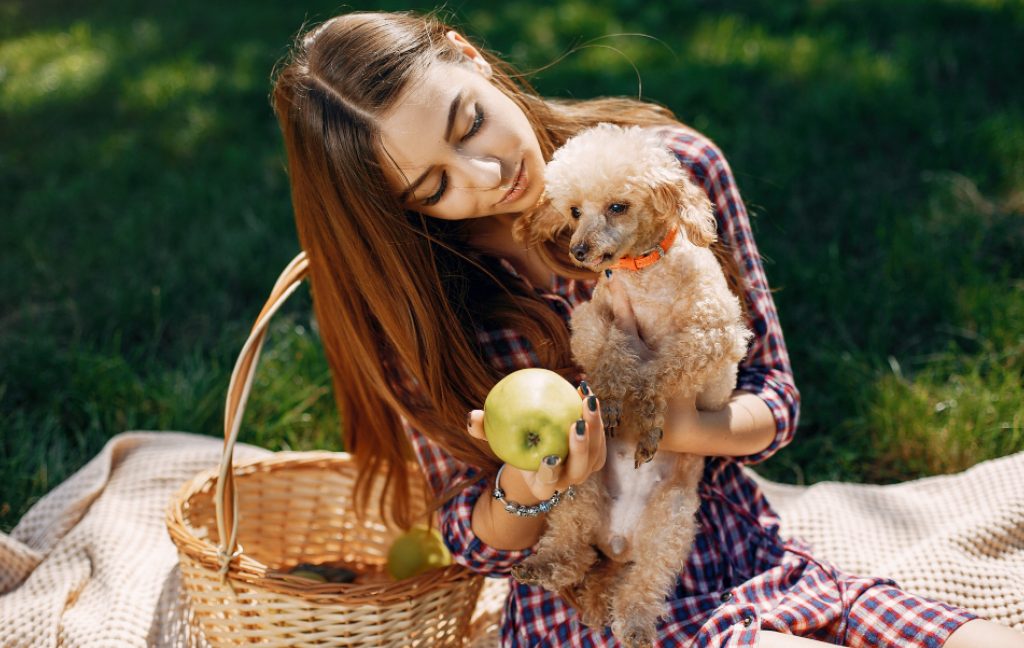
Living in the country means dealing with seasonal changes that affect fruit availability and safety.
Spring considerations:
- Watch for discarded fruit in parks during cleanup season
- Be cautious of early stone fruits (stick to proven safe options)
- Garden fruit trees may have unripe, potentially harmful fruits
Summer abundance:
- Perfect time for frozen fruit treats
- Increased risk of overfeeding due to availability
- Watch for wasps around fallen fruit (double danger!)
Autumn warnings:
- Fallen apples in parks may be fermenting (toxic)
- Windfall fruit can harbour mould or bacteria
- Increased risk of dogs finding and eating unsuitable fruits
Winter safety:
- Imported fruits may have more preservatives
- Frozen treats might be too cold for senior dogs
- Limited fresh options make proper portions even more important
Conclusion
Most common fruits, including blueberries, apples, and ripe tomatoes, are safe for dogs when you get the prep and portions right. A few, like grapes and raisins, are never worth the risk. When in doubt about a specific fruit, it’s always safer to skip it and reach for one you already know is fine.