


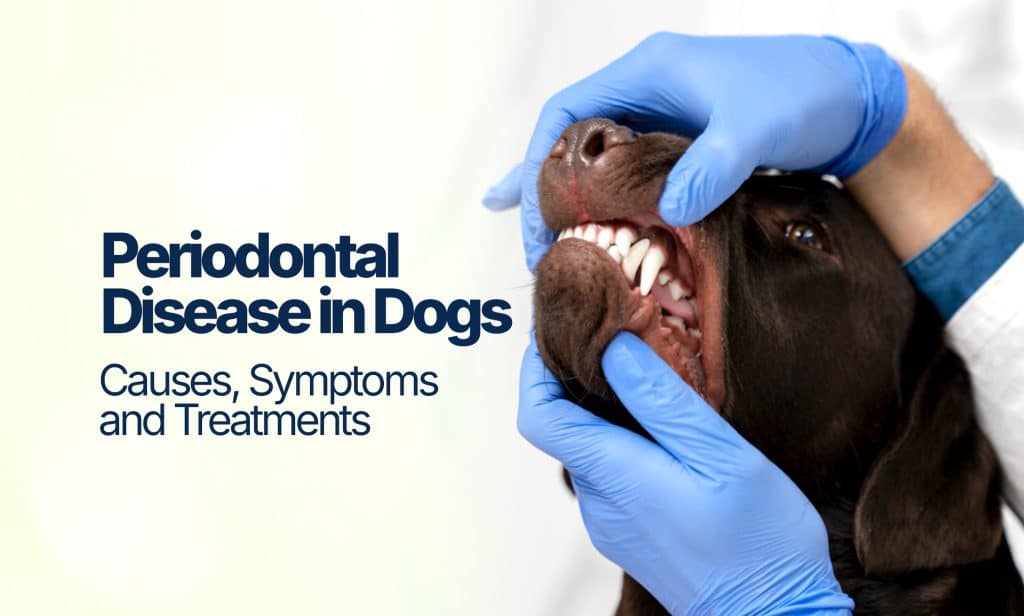
Dog dental care is more than just fresh breath and pretty smiles, it’s a crucial part of your pup’s overall health. One of the most common (and often overlooked) problems? Periodontal disease in dogs. This serious gum condition can sneak up fast, causing pain, infection, and even tooth loss if not managed early.
In this blog, we’ll break down everything you need to know about periodontal disease in dogs. You’ll learn what it is, why it matters, and how to spot the warning signs. We’ll also explore what causes this disease, the best ways to treat it, and how to keep your dog’s mouth healthy for life.
From the first signs of gum redness to the advanced stages of tooth decay, we’ve got you covered. Plus, we’ll share easy tips on prevention and let you know when it’s time to visit the vet. After all, a happy, healthy mouth means a happy, healthy pup!
So, whether you’re worried about your dog’s bad breath or just want to stay ahead of dental problems, this guide is for you. Let’s dive in and protect those pearly whites because your dog’s smile is worth it!
What is Periodontal Disease in Dogs?
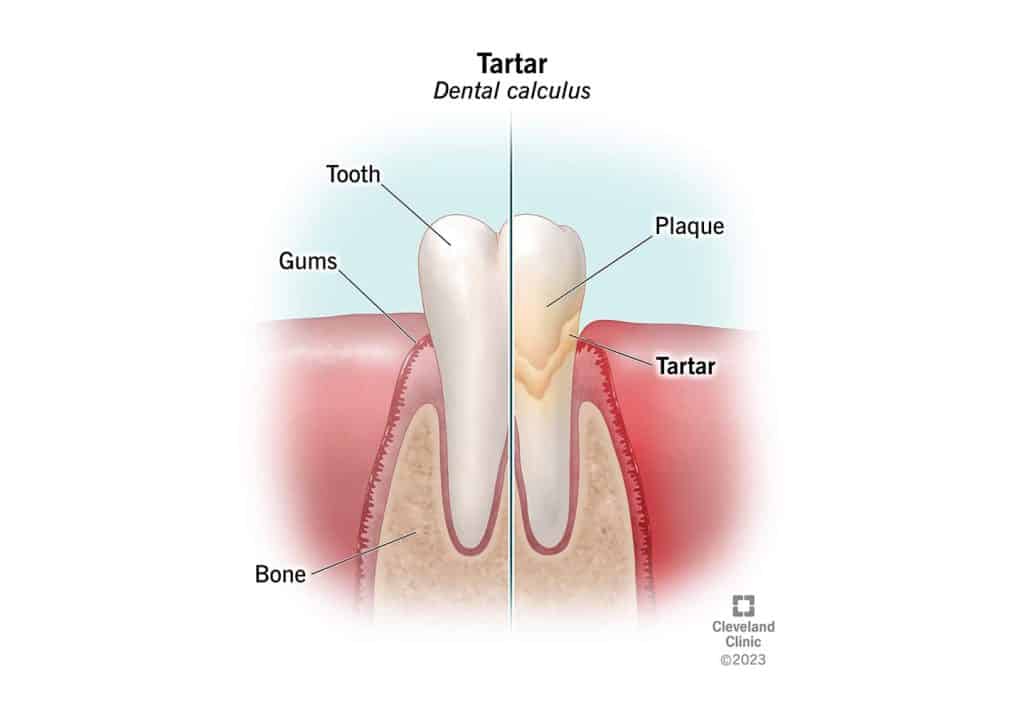
Periodontal disease in dogs is a progressive condition that affects the tissues surrounding the teeth. It begins with plaque, a sticky film of bacteria that forms on the teeth. If plaque isn’t removed through brushing or chewing, it hardens into tartar, which pushes under the gumline and irritates the soft tissues.
This irritation triggers the body’s immune system, leading to inflammation known as gingivitis—the first stage of periodontal disease. If gingivitis is not addressed, the infection advances deeper into the gums and supporting structures, eventually destroying the bone and tissue that hold the teeth in place. This leads to tooth loss and can cause significant pain and discomfort for your dog.
Periodontal disease doesn’t just affect the mouth. The bacteria and inflammation can enter your dog’s bloodstream, posing risks to vital organs like the heart, liver, and kidneys. That’s why it’s essential to take this dental issue seriously and maintain good oral hygiene for your dog.
Why Is Periodontal Disease a Problem?
Periodontal disease isn’t just about bad breath or missing teeth. It’s a serious health issue that can impact your dog’s quality of life and lifespan. As the disease progresses, it causes painful swelling and bleeding in the gums, making it difficult for your dog to eat or chew.
The constant discomfort can also lead to changes in behavior, such as irritability or reluctance to play. If left untreated, the bacteria from infected gums can spread through the bloodstream, contributing to more severe issues like heart disease or kidney problems.
This makes periodontal disease a significant concern for dog owners. By prioritizing dental care, you can help prevent these complications and ensure your dog enjoys a healthy, active life.
What Does Periodontal Disease Look Like in Dogs?
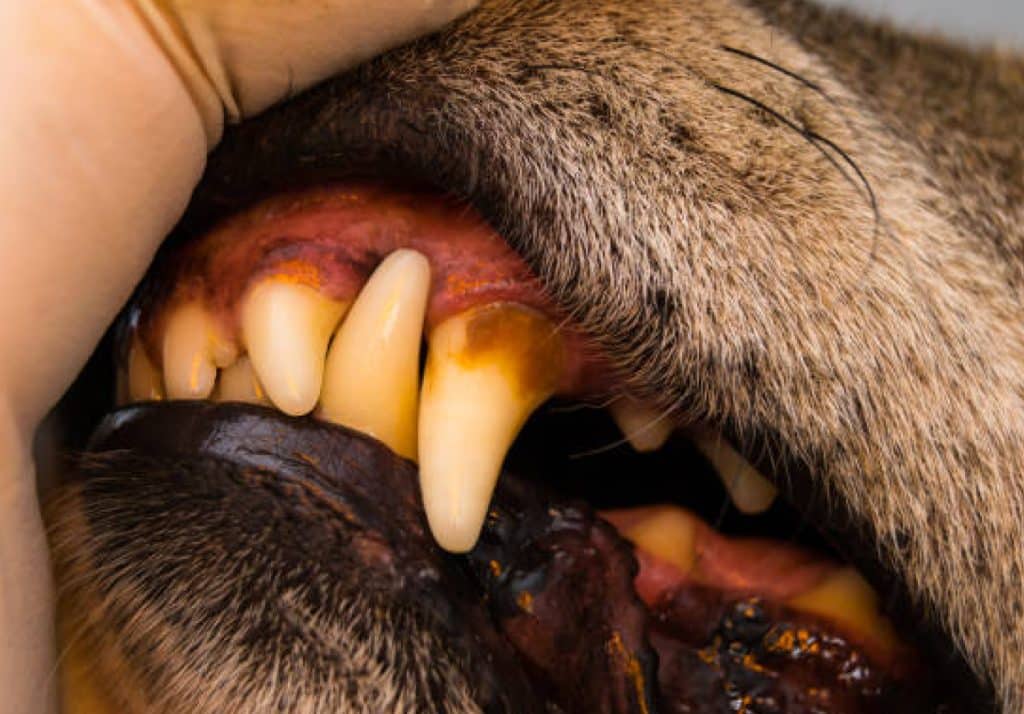
Spotting periodontal disease early is key to preventing irreversible damage. The first sign many owners notice is bad breath far worse than typical “dog breath.” You may also see red, swollen gums that bleed when touched or while your dog is eating.
Yellow or brown tartar buildup along the gumline is another warning sign. Dogs with periodontal disease often have trouble chewing, drooling more than usual, or favouring one side of their mouth when eating.
In advanced cases, teeth may become loose or even fall out. Your dog might show signs of pain, such as pawing at their mouth or avoiding toys they used to love. If you notice these symptoms, it’s crucial to act fast. Prompt dental care and veterinary visits can help stop periodontal disease from progressing and save your dog from unnecessary suffering.
Stages of Periodontal Disease in Dogs
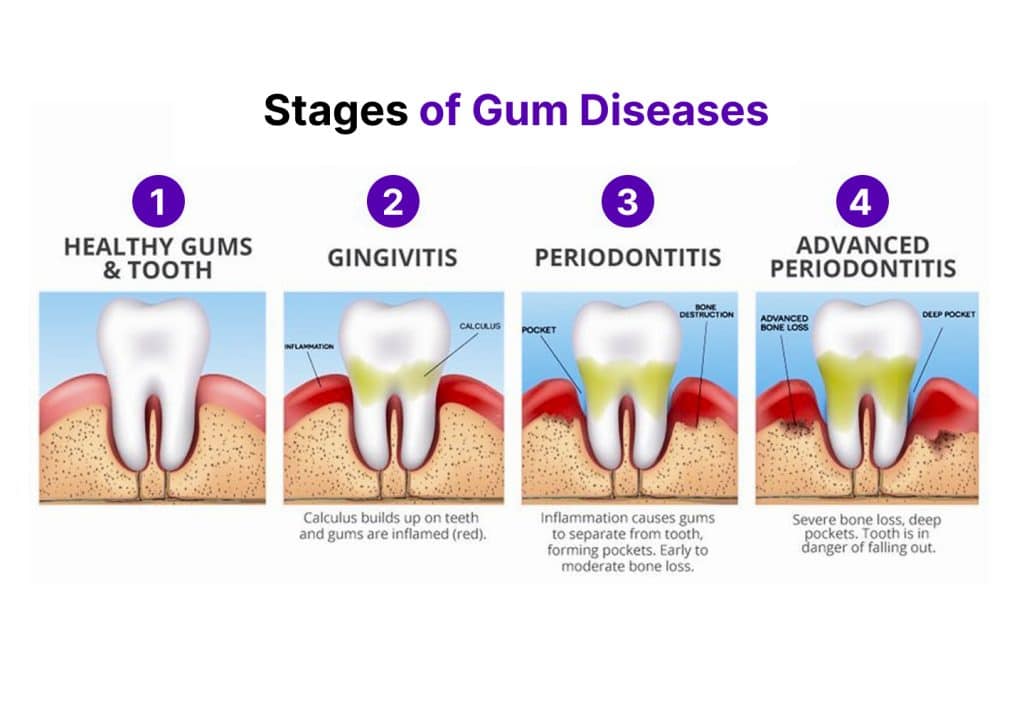
Periodontal disease in dogs doesn’t happen overnight, it progresses through clear stages. Knowing what these stages look like helps you catch issues early and protect your pup’s smile.
Stage 1: Gingivitis
This is the earliest stage. Plaque forms on the teeth, causing gums to look red and swollen. You might notice a bit of bleeding during chewing or brushing. Thankfully, this stage is reversible with daily brushing and professional cleanings.
Stage 2: Early Periodontitis
At this point, plaque has hardened into tartar under the gumline. The infection starts to break down gum tissue, forming small pockets around the teeth. Bad breath becomes more noticeable, and your dog may shy away from chew toys.
Stage 3: Moderate Periodontitis
As bacteria dig deeper, the damage worsens. Gums recede, exposing the roots of the teeth. These pockets of infection can lead to bone loss around the teeth. Pain and discomfort often show up now, and your dog might eat more slowly or only on one side of their mouth.
Stage 4: Advanced Periodontitis
The final stage is the most serious. Deep pockets of infection, significant bone loss, and loose or missing teeth are common. Your dog might drool excessively, refuse to eat, or paw at their mouth. Bacteria from these infections can also spread to vital organs, leading to severe health problems.
Regular dental checkups are key to catching periodontal disease before it reaches the later stages. Even if your dog doesn’t show obvious signs, professional cleanings and home dental care can help keep their teeth healthy for life. If you suspect periodontal disease at any stage, reach out to your vet—they’ll help you tackle the problem and protect your dog’s overall well-being.
Causes of Periodontal Disease in Dogs

Periodontal disease doesn’t appear overnight, it’s the result of ongoing issues in your dog’s mouth. It starts when plaque, a sticky film of bacteria, forms on teeth. This happens naturally after meals, especially if your dog eats soft foods or treats that cling to teeth. Without brushing or chewing on something abrasive, this plaque turns into tartar, a hard, yellowish deposit that’s even harder to remove. Tartar builds up along and under the gumline, causing irritation and inflammation of the gums (gingivitis). As bacteria thrive in this environment, they create toxins that damage gum tissue and the bone supporting your dog’s teeth.
Poor dental hygiene is the number one cause of periodontal disease. Skipping regular brushing and ignoring dental chews allow plaque to take over. Dogs fed mostly soft or sticky foods are also at higher risk because crunchy kibble helps scrape off plaque. Beyond these basics, other health issues like diabetes can weaken your dog’s immune system, making it harder to fight off gum infections.
Some dogs also chew on hard objects, like bones or rocks, which can chip or fracture teeth. These injuries create pockets for bacteria to hide and grow, making periodontal disease worse. Even your dog’s natural saliva plays a part: dogs with thick or sticky saliva might be more prone to plaque buildup.
Regular dental care including brushing, safe chew toys, and professional cleanings helps fight these causes. When ignored, the bacteria that cause periodontal disease can spread to your dog’s bloodstream, affecting the heart, kidneys, and liver. That’s why it’s important to take dental care seriously. By understanding how periodontal disease begins and grows, you can take steps to stop it early and keep your dog healthy and comfortable for years to come.
Dogs Predisposed to Periodontal Disease

While any dog can develop periodontal disease, some are more at risk than others. Small dog breeds like Chihuahuas, Dachshunds, and Toy Poodles have tiny mouths with teeth packed close together. This crowding creates perfect hiding spots for plaque and tartar. These dogs need extra dental care to keep those tight spaces clean.
Brachycephalic breeds, dogs with flat faces like Bulldogs, Pugs, and Shih Tzus are also prone to dental problems. Their short snouts often cause misaligned teeth, which makes it even harder to keep plaque away. These dogs might also have more shallow roots, which can loosen teeth faster if gum disease sets in.
Genetics also play a big role. Just like people, some dogs have a family history of dental problems. If your dog’s parents had early tooth loss or gum issues, your pup might too. Even with great brushing and dental care, these dogs are more likely to face dental challenges throughout their lives.
Age matters too. Older dogs naturally have more wear and tear on their teeth and gums. As they age, their immune systems weaken slightly, making it harder to fight off gum infections.
Lifestyle also matters. Dogs that don’t chew on toys or eat mostly soft food don’t naturally clean their teeth. That’s why even healthy dogs need the right diet, toys, and regular checkups to stay ahead of dental issues.
If you have a breed known for dental problems or know your dog’s family history, talk to your vet about extra dental care. Frequent brushing, dental-specific diets, and yearly checkups can help catch issues early, keeping your pup’s mouth happy and healthy for years.
Behavioral Changes Due to Periodontal Disease

When dogs develop dental pain, their behavior can change in surprising ways. They might not tell you directly that their mouth hurts, but they will show it in how they act. One of the first signs you might notice is a change in how they eat. Dogs with dental discomfort often chew more slowly, favor one side of the mouth, or suddenly refuse dry food and hard treats.
You might also see them pawing at their face or mouth or rubbing it against furniture or the floor. Bad breath often dismissed as normal “dog breath” can also signal gum infection or tooth decay.
Beyond eating and grooming habits, dental pain can affect your dog’s mood. Even the friendliest dogs can become withdrawn, grumpy, or irritable when they’re in constant pain. They might shy away from playing, seem more tired, or even snap if you touch their face.
These behavior changes aren’t just random, they’re clues that your dog’s mouth needs help. Ignoring these signs can lead to more serious problems, like infections spreading deeper into the jawbone or even the bloodstream.
That’s why it’s important to pay attention if your dog’s usual happy, eager behavior changes. If you notice your dog acting differently around food, treats, or play, take a closer look at their mouth.
Your vet can confirm if periodontal disease is the cause and help you plan treatment. With early care, many of these behavior changes can reverse, letting your dog get back to enjoying mealtime, playtime, and all the fun they deserve!
What are Symptoms of Periodontal Disease in Dogs?
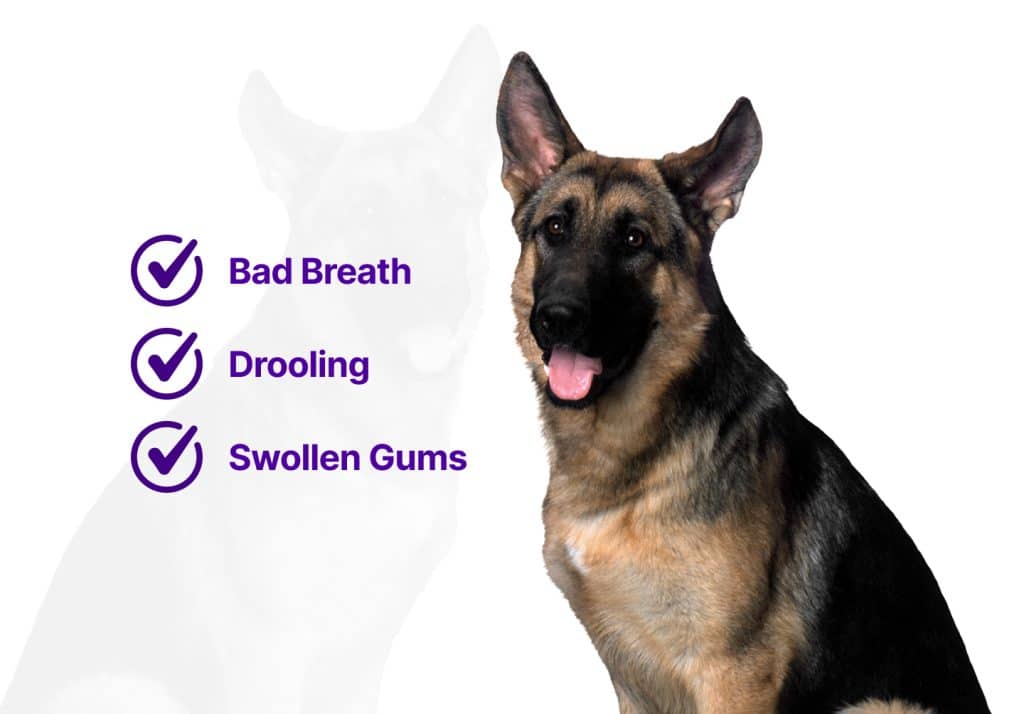
The symptoms of periodontal disease can vary from mild to severe, depending on how advanced the condition is. In the early stages, you might only notice mild bad breath or a slight change in your dog’s eating habits. Over time, though, the signs become more noticeable and can impact your dog’s overall health and quality of life.
Common early symptoms include:
- Bad breath (halitosis)
- Red, swollen gums
- Minor bleeding during chewing or brushing
- A slight reluctance to chew on toys or hard food
As the disease advances, the symptoms become more severe. These might include:
- Visible tartar on the teeth (a yellow or brown coating)
- Gum recession, where gums pull away from teeth
- Loose or missing teeth
- Difficulty chewing or dropping food from the mouth
- Excessive drooling or blood-tinged saliva
- Pawing at the face or mouth
- Behavioral changes like irritability or decreased interest in play
In some cases, advanced periodontal disease can lead to infections that spread to other parts of the body. Bacteria from inflamed gums can enter the bloodstream, affecting organs like the heart, liver, and kidneys.
It’s important to remember that even dogs with severe periodontal disease might not show obvious signs of pain. Dogs instinctively hide discomfort, so regular dental checkups are essential to catch problems before they become advanced.
If you see any of these signs, or if your dog just seems “off,” schedule a vet visit. Prompt treatment and ongoing dental care can help prevent further complications and keep your dog healthy and happy for years to come.
Treatment of Periodontal Disease in Dogs
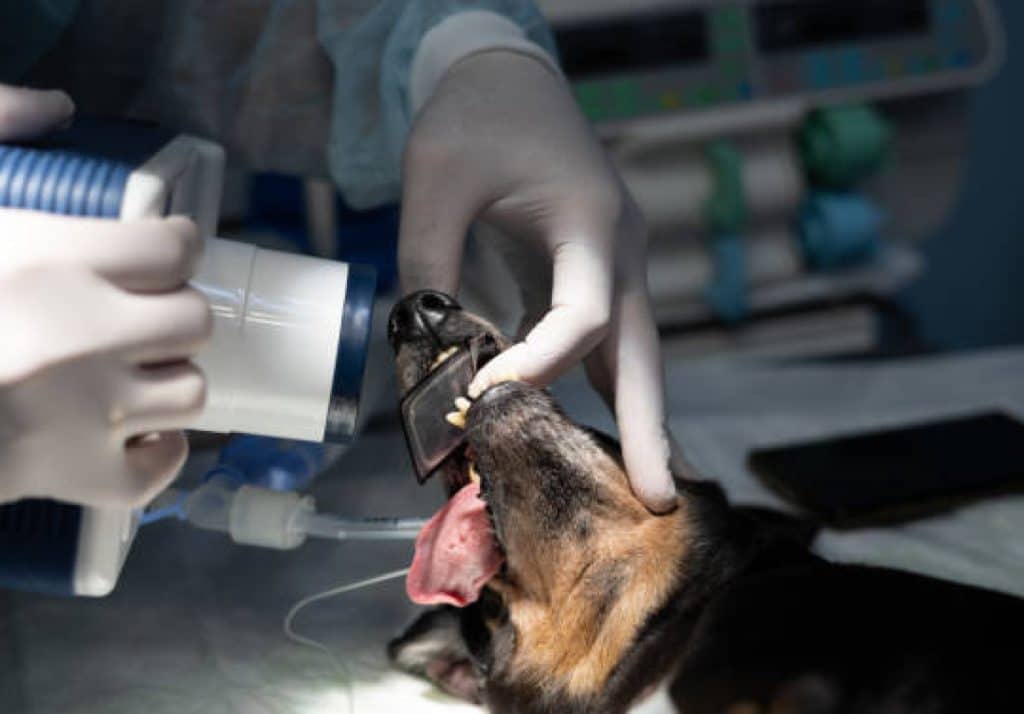
Treating periodontal disease in dogs depends on how advanced the disease is. In the early stages, a professional dental cleaning can remove plaque and tartar before they cause permanent damage. Your vet will clean both above and below the gum line, using special tools to scrape away buildup and polish the teeth smooth.
For more advanced disease, treatment might involve removing damaged tissue around the teeth. Deep cleaning below the gum line (called scaling and root planing) helps eliminate bacteria and infected tissue. In severe cases, tooth extraction may be the best option if the tooth is loose or the bone is badly damaged.
Antibiotics may also be prescribed if there’s a significant infection. They help reduce bacteria in the mouth and speed up healing. Your vet might recommend follow-up cleanings or medications to control inflammation and pain.
It’s important to know that treatment doesn’t end at the vet’s office. You’ll need to maintain good dental hygiene at home to prevent the disease from coming back. Daily tooth brushing is key, along with dental-friendly chews and regular checkups.
If your dog’s periodontal disease is already advanced, the treatment plan might be more aggressive. But even with severe disease, timely veterinary care can relieve pain and stop the spread of infection. With proper treatment, many dogs can regain a comfortable, healthy mouth and a brighter smile!
Is There Home Treatment for Stage Four Periodontal Disease?
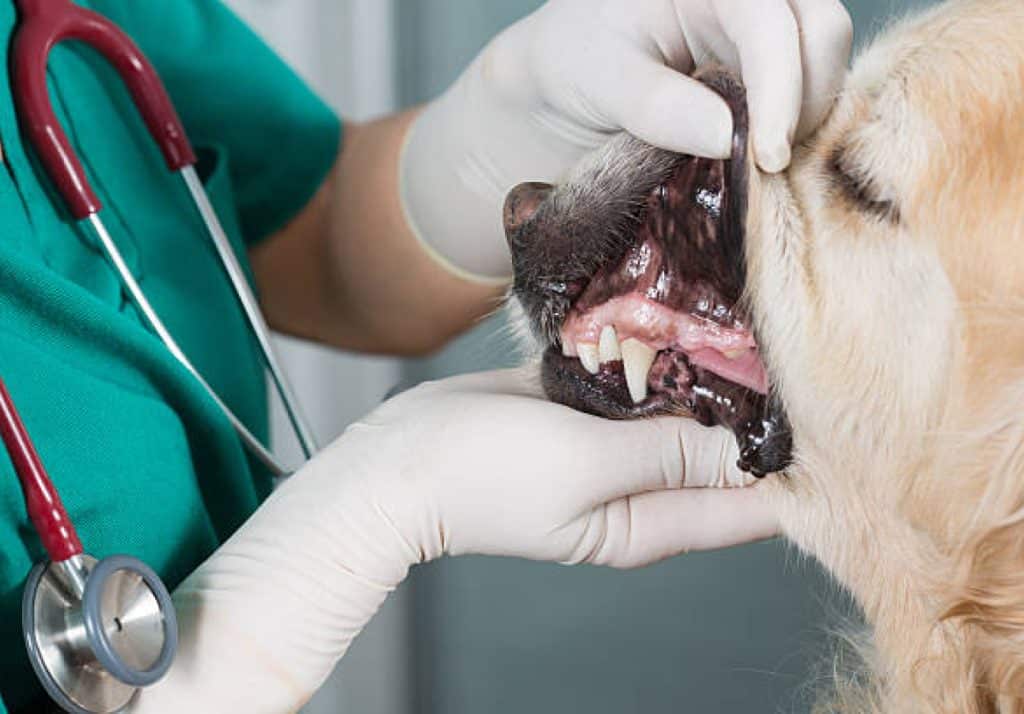
Stage four periodontal disease in dogs is severe and can’t be treated at home. At this stage, there’s extensive bone loss, loose or missing teeth, and serious infection that reaches deep below the gum line. Home care alone—like brushing, dental chews, or water additives—won’t be enough to address the problem.
In fact, trying to manage advanced periodontal disease at home can make things worse. Dogs in this condition are usually in pain, and manipulating their mouth without professional treatment can lead to more discomfort or injury.
The only effective treatment for stage four disease is a veterinary dental procedure. This involves a thorough cleaning under anesthesia to remove tartar and bacteria that you can’t see or reach. Often, your vet will need to extract damaged teeth and treat any infected bone or tissue. Antibiotics and pain relief are usually part of the plan, too.
Once the advanced disease is treated by your vet, you can then focus on home care to prevent future problems. Brushing, dental chews, and regular checkups will help maintain your dog’s oral health and comfort.
If your dog has advanced periodontal disease, don’t wait. Book a vet appointment as soon as possible. Professional treatment can stop the pain, prevent further damage, and help your dog get back to their happy, healthy self.
Is Periodontal Disease Reversible in Dogs?
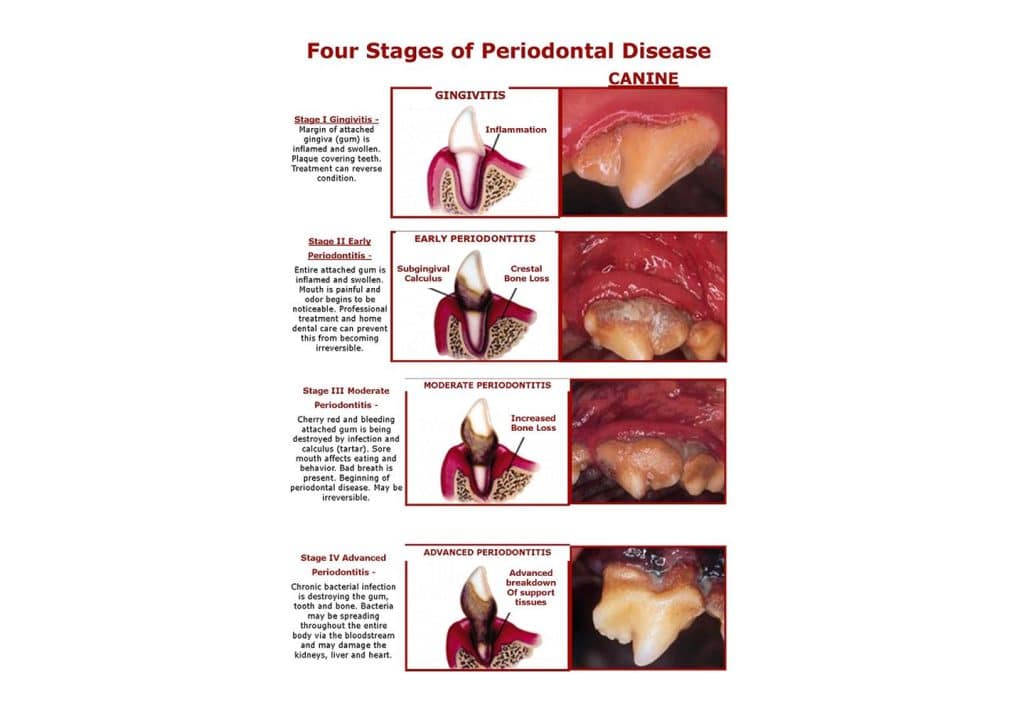
Periodontal disease in dogs is progressive, but early stages are reversible. In stage one, known as gingivitis, the inflammation and redness in the gums can be treated with a professional cleaning and good home care. Removing the plaque and tartar buildup helps the gums heal, restoring a healthy mouth.
However, once the disease progresses to periodontitis (stages two and beyond), the damage becomes permanent. In these stages, there’s loss of the supporting bone and tissue around the tooth. This damage can’t be fully reversed once bone is gone, it doesn’t grow back. Treatment at this stage focuses on stopping further damage, removing infected tissue, and managing pain.
Even if your dog’s periodontal disease has advanced, professional cleaning and home care can make a big difference. These steps won’t regrow lost bone, but they will remove bacteria and help your dog feel more comfortable.
The key is early detection and regular dental care. With early treatment and ongoing maintenance, you can reverse early signs of gum disease and protect your dog’s long-term health. If you’re unsure what stage your dog’s mouth is in, ask your vet for a dental exam. It’s the best way to ensure your dog stays happy, healthy, and pain-free.
Recovery and Management of Periodontal Disease in Dogs

Recovery from periodontal disease depends on how severe the condition was before treatment. After a professional cleaning or dental surgery, your dog might have a sore mouth for a few days. Your vet will usually provide pain relief medication and, if needed, antibiotics to help fight infection. Soft food may be recommended during the initial recovery period to avoid irritation.
Good home care is key for managing long-term dental health. Start by brushing your dog’s teeth daily with dog-safe toothpaste. This helps remove plaque before it hardens into tartar. Introduce this routine slowly and positively, using lots of praise and patience.
Dental chews and dental diets are also helpful. They provide mechanical cleaning as your dog chews, reducing plaque and promoting healthier gums. Look for products approved by your vet—some are specially designed to target plaque and tartar buildup.
Regular vet checkups are another crucial part of management. Most dogs benefit from an annual dental exam and professional cleaning, but some may need more frequent visits, especially if they’re prone to dental issues.
If teeth were removed during treatment, your dog can still enjoy a full life. Dogs adapt quickly to missing teeth, and softer foods make eating easier. Your vet will advise you on the best diet and care for your dog’s new dental situation.
Overall, successful management of periodontal disease involves a partnership between you and your vet. By staying on top of dental care, you can help prevent future problems and keep your dog’s mouth healthy and pain-free.
Outcomes if Periodontal Disease Remains Untreated
If periodontal disease in dogs goes untreated, it can lead to serious and painful problems. At first, it may seem like just bad breath or some redness in the gums. But as the disease progresses, it causes the tissues that hold the teeth in place to weaken and break down.
Teeth can become loose or even fall out entirely. Dogs with advanced periodontal disease often struggle to eat because chewing is painful. In some cases, they may avoid eating altogether, leading to weight loss and poor nutrition.
The consequences go beyond the mouth. Bacteria from severe dental infections can enter the bloodstream and spread to other organs. This can cause serious conditions like heart disease (endocarditis), kidney disease, or liver infections. These complications can significantly impact your dog’s overall health and lifespan.
Without treatment, periodontal disease can become so severe that some dogs develop jaw fractures because of weakened bone structure. This condition is not only painful—it’s also difficult to treat and can dramatically reduce your dog’s quality of life.
Sadly, untreated periodontal disease shortens a dog’s life expectancy. While the exact timeline varies, ignoring dental disease means your dog will suffer from ongoing pain and potentially life-threatening complications. Regular dental care and early treatment are the best ways to ensure your dog lives a longer, healthier life.
How Long Can a Dog Live with Periodontal Disease?
The answer depends on the disease’s severity and whether it’s managed or left untreated. In the early stages (gingivitis and mild periodontitis), dogs can live normal lives if the condition is treated. Professional cleaning, daily brushing, and healthy diets can reverse early damage and stop further progression.
But if periodontal disease reaches advanced stages and isn’t treated, it can significantly shorten your dog’s lifespan. Severe disease leads to infections that can spread to vital organs like the heart, kidneys, and liver. Over time, these complications can cause major health problems and reduce your dog’s quality of life.
Some dogs live for years with untreated periodontal disease, but they often suffer from constant pain, trouble eating, and chronic infections. Early detection and treatment are key, dogs treated early live longer, healthier, and more comfortable lives.
The good news? With proper care, even dogs who’ve had serious dental issues can recover well and enjoy a happy life. Regular dental checkups and home dental care can make a huge difference in how long and how well your dog lives.
Prevention of Periodontal Disease in Dogs
Preventing periodontal disease is all about consistent dental care. The first step is daily brushing with a dog-specific toothbrush and toothpaste. Regular brushing removes plaque before it hardens into tartar. Start slow and keep it positive, turn it into a routine you and your dog can enjoy together.
Dental chews and diets approved by veterinarians can also help reduce plaque. These products are designed to scrape teeth clean while your dog chews. They’re a tasty addition to your dental care routine.
Regular vet visits are essential. Your vet can spot early signs of dental disease and recommend professional cleanings before problems become severe. Some dogs, especially small breeds may need cleanings once a year or more often.
Feeding a balanced diet supports overall health, including your dog’s dental health. Crunchy kibble and dental diets are better than sticky or sugary treats that cling to teeth.
While there aren’t vaccines specifically for periodontal disease, overall health management including vaccinations for other diseases. helps reduce the impact of dental disease on your dog’s body.
Preventing periodontal disease means being proactive every day. By working with your vet and sticking to a good dental routine, you’ll help your dog keep a healthy mouth and a happy, pain-free smile!
Conclusion
Periodontal disease in dogs is more than just bad breath, it’s a serious health concern that can affect your dog’s overall well-being. Left unchecked, it can lead to tooth loss, infections, and even damage to vital organs like the heart and kidneys. But here’s the good news: it’s preventable and manageable with the right care!
Regular brushing, dental chews, and a balanced diet are the first steps in keeping your dog’s teeth healthy. Visiting your vet for annual checkups and professional cleanings will also go a long way in stopping dental disease before it starts. And if your dog already has periodontal disease, early treatment can halt further damage and relieve discomfort.
Your dog depends on you for their dental health. With a little effort each day, you can keep those pearly whites shining and avoid painful dental issues down the road. So grab that toothbrush, schedule those checkups, and keep your dog smiling. Healthy teeth mean a healthier, happier dog and more years of tail wags and kisses to come!