


Dog training can feel like a big task, especially when things don’t go as planned. Whether you’re dealing with a headstrong puppy or an older dog stuck in its ways, challenges are part of the journey. Every bark, jump, or chewed-up shoe might test your patience—but each one is also a chance to teach and build connection.
Dogs don’t come pre-programmed. Just like people, they need time, guidance, and lots of encouragement to learn how to behave. The good news? You don’t need to be an expert to make real progress. With a bit of patience, the right mindset, and consistent practice, you can shape your dog into a well-behaved and happy companion.
The process doesn’t have to be stressful. Training can actually be fun—something you and your dog look forward to. It’s a time to bond, play, and understand each other better. And when your dog finally gets that one tricky command right? That moment is worth every struggle.
In this guide, you’ll learn practical dog training tips, how to teach basic commands, manage common behaviour issues, and build lasting trust with your dog. From dealing with distractions to picking the right reward, this blog walks you through everything you need to overcome challenges and enjoy the training journey together.
Why Dog Training Matters
Training isn’t just about obedience. It helps your dog understand boundaries, reduces anxiety, and creates a strong bond between you two. Well-trained dogs are happier, safer, and more confident. And as a dog owner, you’ll feel more in control, knowing your dog will respond in real-world situations.
Imagine walking your dog off-leash in a park and knowing they’ll come back when called. Or having guests over without worrying about your dog jumping on them. That level of trust doesn’t come from luck, t’s the result of consistent training.
Dogs thrive on structure. When they know what’s expected of them, they feel more secure. That sense of security reduces behaviours like barking, chewing, or lunging on the leash. Without clear rules, your dog may start making their own decisions and those often don’t line up with what you want.
Training also supports your dog’s mental health. A bored or anxious dog can develop all sorts of issues, from destructive chewing to aggression. Training keeps their mind engaged, gives them purpose, and helps prevent these problems from starting in the first place.
Most importantly, training deepens the bond between you and your dog. It’s more than just commands, it’s communication. Every time you train, you’re learning to understand your dog’s signals, and your dog is learning to trust and listen to you. That mutual understanding makes life easier for both of you.
Whether you’re raising a new puppy or helping an older rescue dog adjust, training is essential. It’s not about making your dog perfect, it’s about helping them fit into your world while respecting their needs and personality. A trained dog is a happy dog, and a happy dog makes for a peaceful home
Basic Dog Training Tips That Actually Work
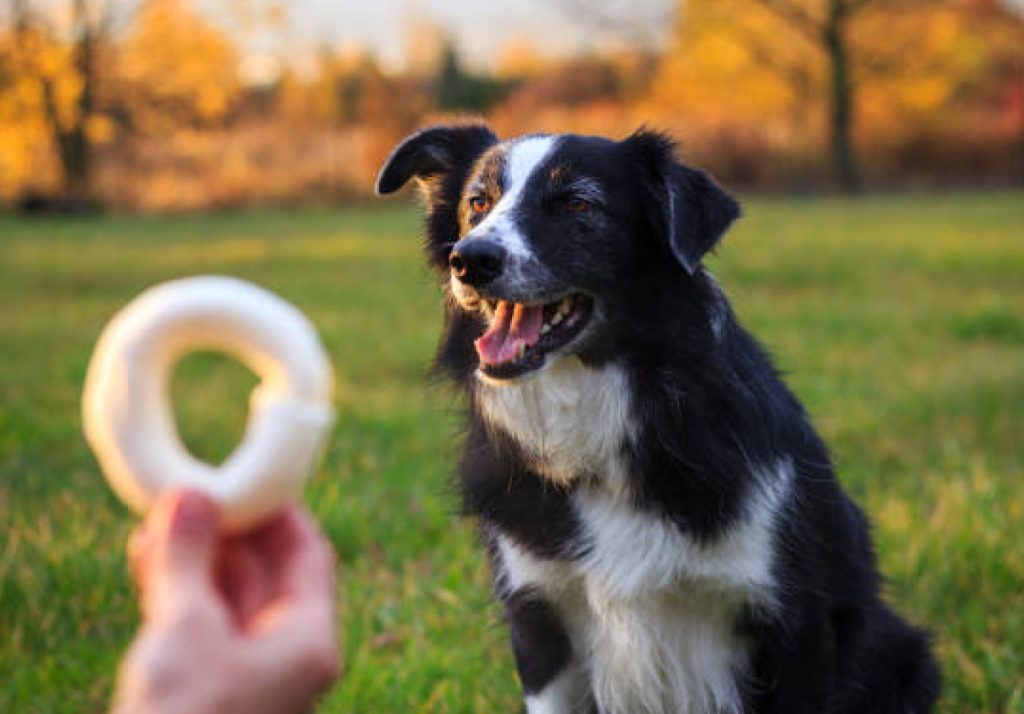
- Use Positive Reinforcement Techniques: Reward the behaviour you want to see more of. This creates a stronger learning experience and encourages your dog to repeat that action.
- Find the Right Reward: Some dogs love food. Others respond better to toys or affection. Test different rewards to see what excites your dog the most.
- Consistency Is Key: Use the same words and signals every time. Mixed signals can confuse your dog and slow progress.
- Train Little and Often: Short daily sessions work better than long ones once a week. Dogs learn best in small doses.
- Build Up in Stages: Don’t expect your dog to master everything immediately. Break tasks into smaller steps and increase difficulty gradually.
- Make It Fun: Keep the tone upbeat. If you’re stressed or frustrated, your dog will feel it too. End each session on a positive note.
- Praise the Small Things: Even sitting calmly deserves a reward. Reinforce the good behaviour whenever you see it.
- Work Training into Daily Life: Ask your dog to sit before feeding, stay at doorways, or come during play. These little moments add up.
- Use Your Hands: Dogs respond to visual cues. Pair hand signals with verbal commands to strengthen communication.
10. Consult a Dog Trainer or Attend a Class: If you feel stuck, don’t hesitate to ask for help. Trainers can offer insights you may have missed.
Teaching Basic Commands and Fun Tricks
Start with essential commands and build from there. These help in daily life and improve your dog’s focus.
How to Train Your Dog to Sit
Hold a treat close to your dog’s nose, then move your hand upward. As the head goes up, the bottom should go down. Once they sit, reward them immediately. Repeat and add the word “sit.”
How to Train Your Dog to Lie Down
Start with your dog in a sitting position. Move a treat down to the floor between their paws. Once they lie down, reward and say “down.” Practice a few times each day.
How to Train Your Dog to Come Back When Called
Use a happy tone and say your dog’s name followed by “come.” Reward them the moment they reach you. Use this command during fun times, not just when it’s time to leave the park.
How to Train Your Dog to Leave It
Hold a treat in one hand and say “leave it” when your dog moves toward it. Once they pull away, reward them with a different treat. Repeat until they wait calmly.
How to Train Your Dog to Stay
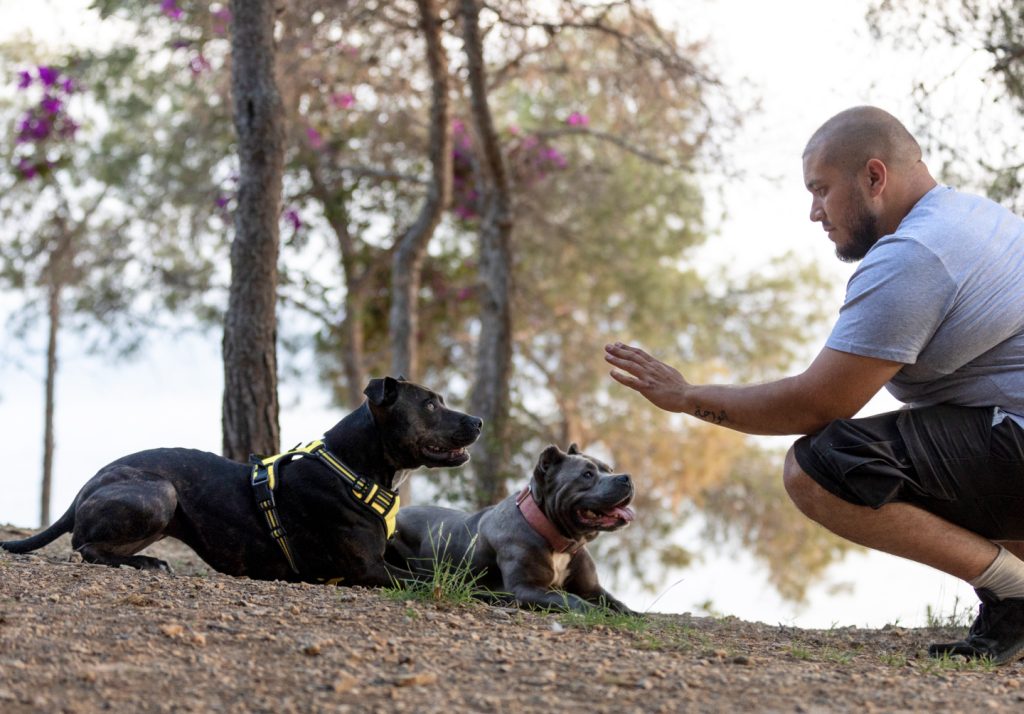
Start with your dog in a sit or down position. Show your palm like a stop sign and say “stay.” Take one step back. If they don’t move, reward them. Slowly increase the distance and time.
Crate and House Training

Crates are more than just training tools, they’re safe, quiet places your dog can relax. Choose one that’s big enough for your dog to stand, turn, and lie down comfortably. Add soft bedding and a toy or two to make it feel like home. Never use the crate for punishment, or your dog may start to fear it.
When it comes to housetraining, routine is everything. Take your dog out first thing in the morning, after eating, after naps, and before bed. Always reward them right after they go in the correct spot, don’t wait until you’re back indoors. Over time, they’ll understand where and when it’s okay to go. Accidents will happen, especially with puppies, so be patient and avoid scolding. Clean up thoroughly to remove any lingering scent that could trigger a repeat.
Leash Training Dogs and Puppies
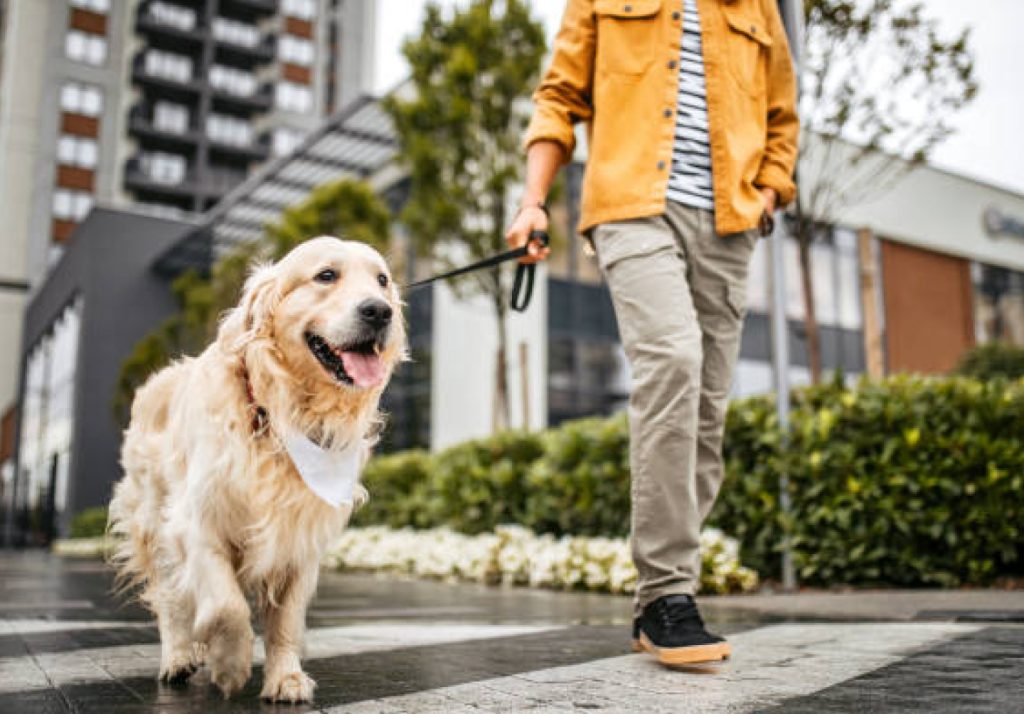
Leash training takes time, especially with energetic dogs or curious puppies. Start indoors or in your garden to reduce distractions. Use a short leash and reward your dog for walking close by or checking in with you.
If they pull, stop walking. Stand still and wait for the leash to slacken, then continue. This teaches your dog that pulling gets them nowhere. Don’t yank the leash—let them figure it out. Keep sessions short and rewarding, and gradually introduce busier environments as your dog improves. Eventually, loose-leash walks will become a breeze.
Socializing Dogs and Puppies
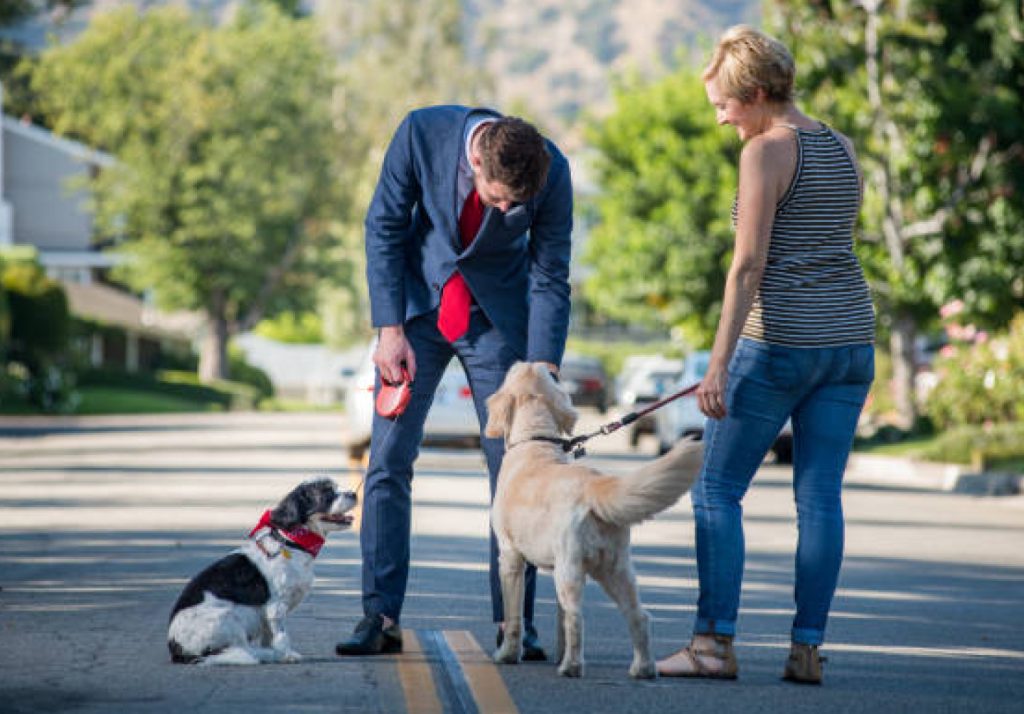
Socialization isn’t just about meeting other dogs. It’s about helping your dog feel safe and confident in different settings. Start early, ideally between 3 and 14 weeks old, and expose your puppy to a wide range of people, places, and sounds.
Take them for short car rides, introduce them to children, and walk by noisy areas like playgrounds or traffic. Keep each experience calm and positive, use treats and praise to create happy associations. For older dogs, go slowly and use the same approach. Socialized dogs are less fearful, more adaptable, and easier to train in public.
How to Overcome Common Dog Behaviour Problems
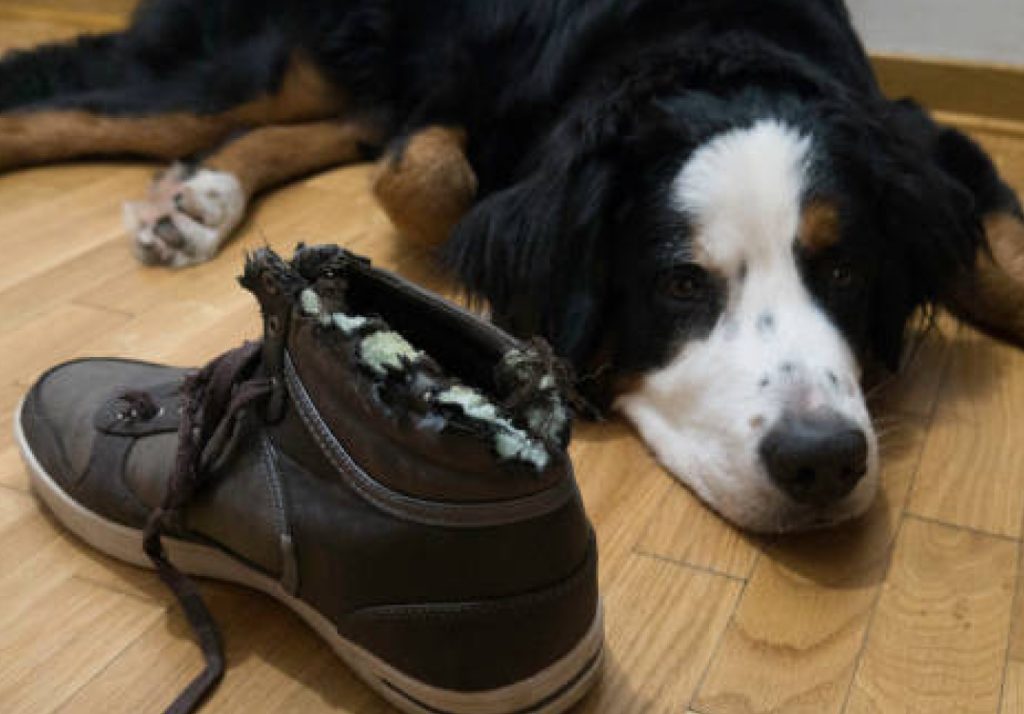
Every dog struggles at some point. These challenges are normal but fixable with the right strategy.
- Jumping: Dogs jump to greet or get attention. Ignore the jump, turn away, and only give attention when all four paws are on the floor.
- Chewing: Chewing is normal, especially for puppies. Offer chew toys and keep valuables out of reach. Praise when they use the correct item.
- Countersurfing: Don’t leave food on counters. Block access or use baby gates. Teach “leave it” and redirect with a toy or treat.
- Pulling on the Leash: If your dog pulls, stop walking. Wait until they return to your side. Reward calm walking with treats or praise.
- Barking: Figure out the cause—boredom, fear, excitement—and address it. Teach “quiet” by rewarding silence, not by shouting over the noise.
How to Navigate Dog Training Challenges
Challenges don’t mean failure. They’re part of learning. Stay calm, reassess, and adapt.
The Importance of Consistency
Training only works when repeated. One-off lessons don’t stick. Reinforce commands regularly and across different settings.
Choosing the Right Rewards
Rewards must match the challenge. For harder tasks, use higher-value treats like chicken or cheese. Mix it up to keep things exciting.
Managing Distractions
Practice commands in quiet areas first. Slowly introduce distractions like other people, animals, or outdoor noises.
Setting Realistic Training Goals
Every dog learns at their own pace. Avoid comparing your dog to others. Set small, achievable goals each week.
Incorporating Homework into Routine
Training should be part of daily life. Ask your dog to follow commands before meals, playtime, or car rides.
Making Training Engaging
Turn lessons into games. Hide treats, play tug-of-war, or create obstacle courses. Training doesn’t have to be boring.
Advanced Dog Training Tips
Once your dog has the basics, move on to more advanced techniques.
- Building on Basic Commands: Add duration, distance, and distractions to simple commands like stay, come, or down. This strengthens reliability in real-life situations.
- Engaging in Mental Stimulation: Teach your dog to fetch named toys, solve food puzzles, or follow more complex instructions. Mental work tires dogs out faster than walks.
- Professional Training Classes: Group classes teach focus, obedience, and social skills. They also help you learn proper techniques with expert feedback.
Final Thoughts
Dog training is a journey, not a race. You’ll face challenges, but each one is a step toward a stronger bond with your dog. Focus on patience, consistency, and fun. Celebrate small wins and remember your dog wants to please you. With the right tips and a little love, you’ll raise a well-behaved, happy companion who makes every day better.