

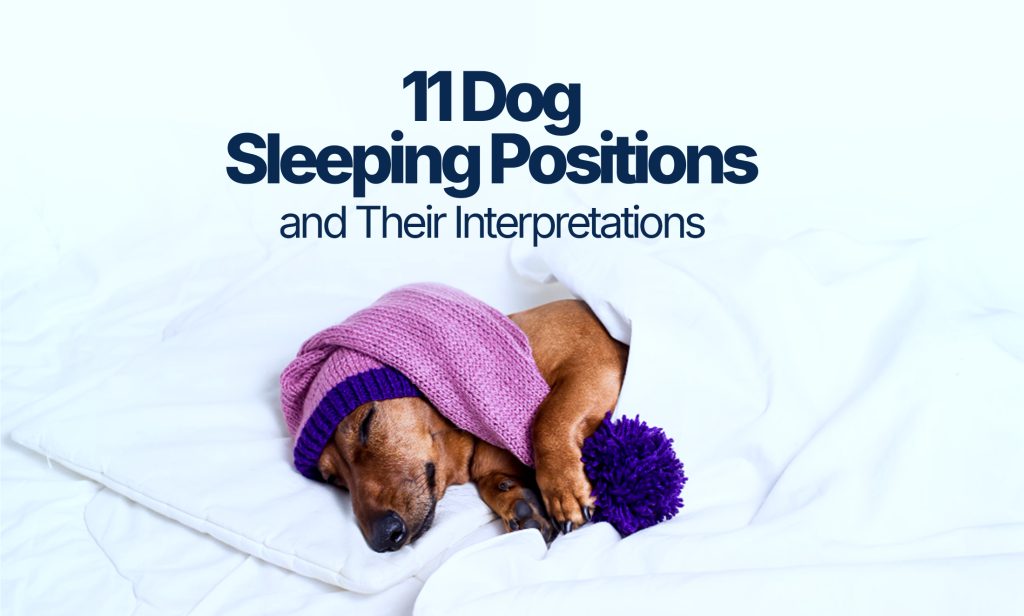
Ever watched your dog sleep and wondered what their position really means? You’re not alone. Many dog owners find themselves curious about how their dog curls up, sprawls out, or sleeps on their back. These dog sleeping positions do more than look cute. They give you real clues about how your dog feels, both physically and emotionally.
Dogs are expert body-language communicators, even in their sleep. According to a 2024 pet wellness report by Petplan, 63% of dog owners say they observe their dog’s sleeping habits to monitor health and comfort. That’s not surprising when you consider how much dogs sleep. Adult dogs can snooze between 12 to 14 hours daily, while puppies often need 18 hours or more.
Your dog’s sleeping position often changes with mood, age, temperature, and even your presence. Some dogs curl into a tight ball when they feel insecure. Others sleep on their backs when they feel safe and relaxed. Every position has meaning, and knowing what to look for helps you connect more deeply with your pet.
As dog trainer Emily Scott puts it, “How a dog sleeps can speak louder than a bark. You just need to learn their language.”
In this guide, you’ll explore 11 common dog sleeping positions and what they tell you about your pet. From the classic side sleeper to the cuddle bug, you’ll learn what each posture reveals and how to use that information to support your dog’s health and comfort. You’ll also discover what sleeping habits can say about stress, pain, or joy. Let’s get started and unlock the secrets behind your dog’s favourite way to snooze.
11 Common Dog Sleeping Positions
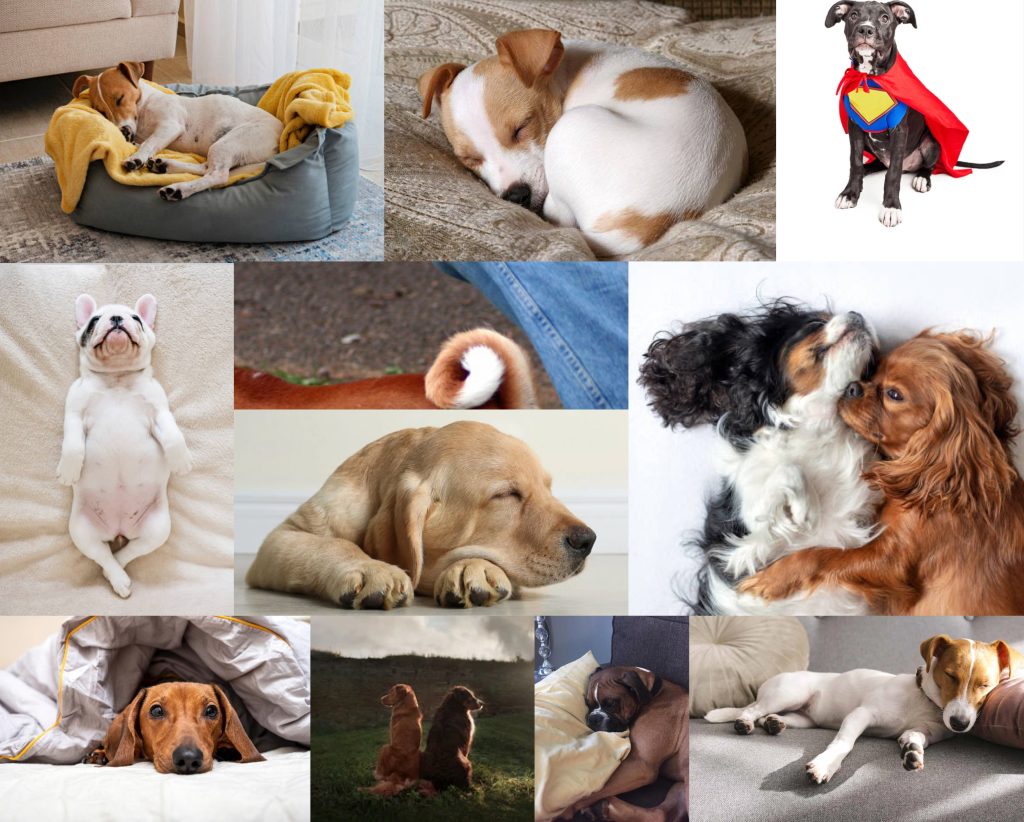
- Side Sleeper Dog Sleeping Position
Your dog lies on their side, legs stretched out. This relaxed pose shows they feel safe and trust their surroundings. It’s common during deep sleep. - Donut Dog Sleeping Position
In this curled-up pose, dogs conserve warmth and protect their organs. It’s a favourite on cold nights or in new environments. - Superman Dog Sleeping Position
Your dog sprawls flat on their belly, legs stretched out like they’re flying. It shows playfulness and a quick-to-react personality. - Belly-Up Dog Sleeping Position
With legs in the air and belly exposed, your dog feels safe and is cooling down. It signals trust and confidence. - Lion Pose Dog Sleeping Position
This alert but resting pose has your dog sitting with their front paws out and head raised. They’re dozing but still aware. - Cuddle Bug Dog Sleeping Position
When your dog snuggles against you or another pet, it’s a sign of strong affection and pack bonding. They crave closeness. - Burrower Dog Sleeping Position
Dogs that burrow under covers want warmth and security. It’s common in anxious or small breeds who like hidden spots. - Back-to-Back Dog Sleeping Position
Sleeping with backs touching shows loyalty and trust. It reflects their pack instincts and emotional connection with you. - Head and Neck Raised Sleeping Position
Your dog props their head on something soft. It may help with airflow or mimic your pillow use. Monitor for breathing issues. - Tummy-Down Dog Sleeping Position
Lying with legs tucked in signals a light nap. Your dog is alert but resting, ready to move if needed.
11. Tail-Wrapped Dog Sleeping Position
A curled-up body with a tail over the nose helps them stay warm and protected. It’s rooted in survival instincts.
Which Dog Sleeping Position Is Most Common?
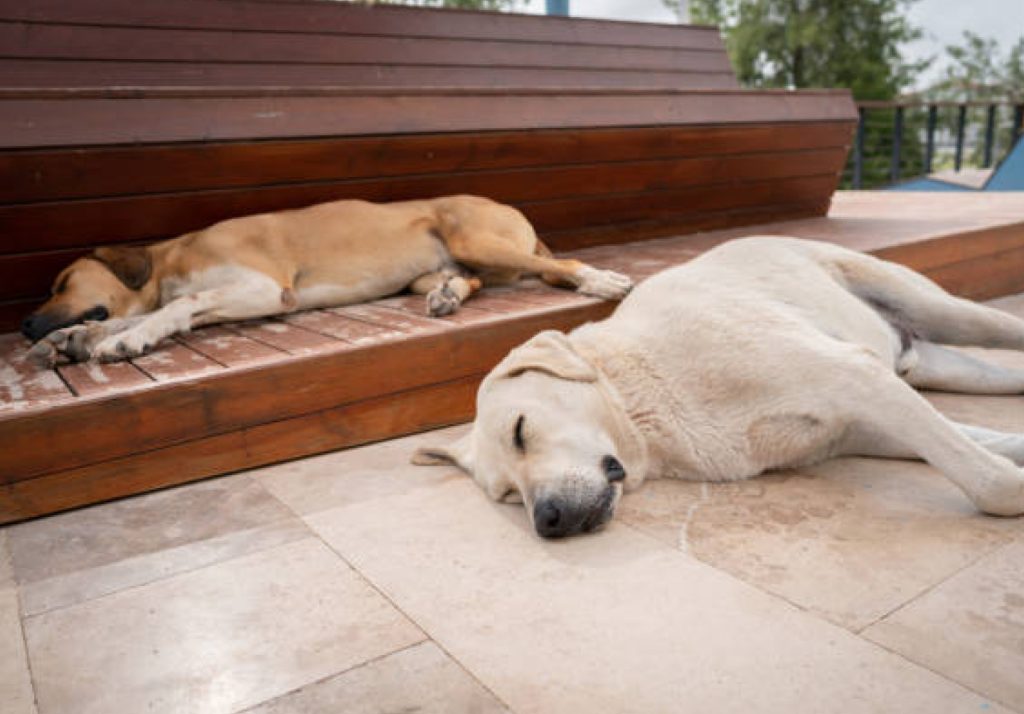
The side sleeper is the most common dog sleeping position. When your dog lies on their side with legs stretched out, it means they feel safe and relaxed. This open posture shows deep trust. Dogs expose their belly only when they feel secure. It’s also a sign of deep, restful sleep. Older dogs often prefer it because it eases pressure on the joints. Puppies flop into it after a busy day of play. Even dogs recovering from injury often find this pose the most comfortable.
Some dogs may start out in curled or tucked positions, especially if they’re new to a home. But as they gain confidence, they may shift to side sleeping over time. Every dog is different, so don’t panic if yours chooses another position. What matters is that they rest well and show no signs of pain or stress.
“A side-sleeping dog is a trusting dog. That position tells you they feel safe in your home,” says Dr. Katherine Houpt, a veterinary behaviorist at Cornell University.
If your dog seems happy, relaxed, and pain-free, whatever their favourite pose, you’re doing something right. But the side sleeper is a great one to watch for, especially as a sign of trust and well-being.
Do Dog Sleeping Positions Change With Age?
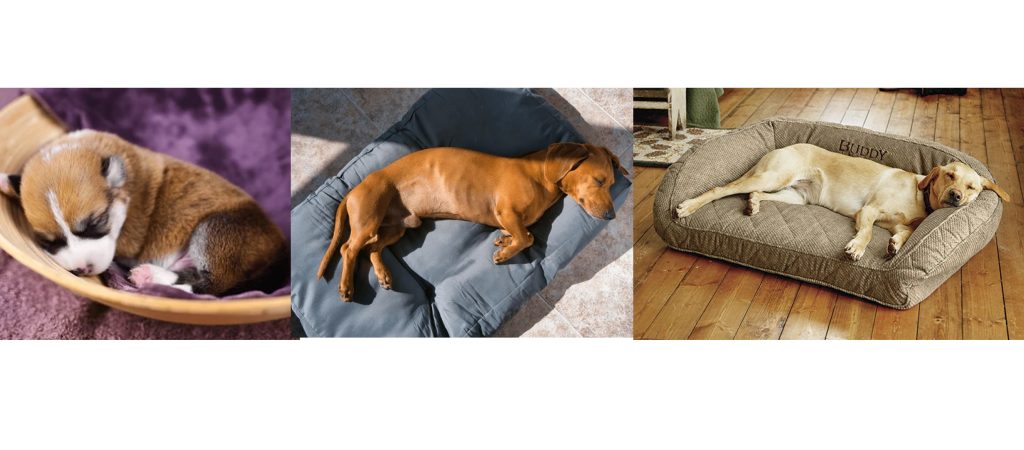
Yes, dog sleeping positions often change as your dog grows older. Puppies twist into odd shapes, curled tight or belly-up, with total flexibility. But as they mature, their sleeping style starts to settle.
In their senior years, dogs often shift positions again. Joint pain, arthritis, or hip discomfort can make some poses less appealing. You might see your dog switch from curled-up or belly-up positions to the more supportive side sleeper. This is normal and usually reflects their need for comfort.
Older dogs also sleep longer and more deeply. Their bodies need extra rest to recover from daily routines. A dog that once sprawled across the sofa may now prefer a firm bed and quiet corner.
“Dogs communicate through body language, even in sleep. As they age, shifts in sleeping positions can reflect both physical and emotional changes,” says Dr. Mary Gardner, co-founder of Lap of Love Veterinary Hospice. Older dogs might sleep closer to you for warmth or reassurance, while others may seek quiet spaces for undisturbed rest.
If your senior dog struggles to get comfortable, an orthopedic bed can offer extra support. Watching their sleep habits helps you understand what they need as they age, so you can keep them comfortable and content.
What Your Dog’s Sleeping Position Says About Their Health
Dog sleeping positions don’t just show mood—they can give clues about your dog’s physical health. The way your dog curls, stretches, or sprawls out often reflects how comfortable they feel, both emotionally and physically.
A side sleeper usually means your dog is at ease. This relaxed pose supports joints and muscles and allows full-body rest. It’s often the position of a healthy, happy dog. But if your dog sleeps curled tightly in a donut shape, it might be trying to conserve body heat or protect vulnerable areas. This can signal anxiety or simply a chilly room.
Sleeping belly-up with legs in the air may look funny, but it usually signals complete trust and comfort. However, if your dog avoids lying on its side or back, it could be due to joint pain or stiffness. In older dogs, a preference for certain sleeping positions might point to arthritis or hip issues.
You should also pay attention if your dog suddenly changes their preferred sleeping style. A dog that once loved stretching out might start curling tightly. If this happens without any change in weather or environment, something could be wrong. Health issues like bloating, breathing problems, or sore muscles can make your dog shift how they sleep.
Keep an eye on how your dog rests. While dog sleeping positions can vary based on breed and personality, sudden changes are worth discussing with your vet. They might reveal discomfort, illness, or injury you wouldn’t notice during play or walks. Sudden changes can signify discomfort or silent pain in dogs.
In short, your dog’s sleeping position is like a quiet report on their well-being. Learn to read it, and you’ll be one step ahead in keeping them happy and healthy.
Do Different Breeds Prefer Different Dog Sleeping Positions?
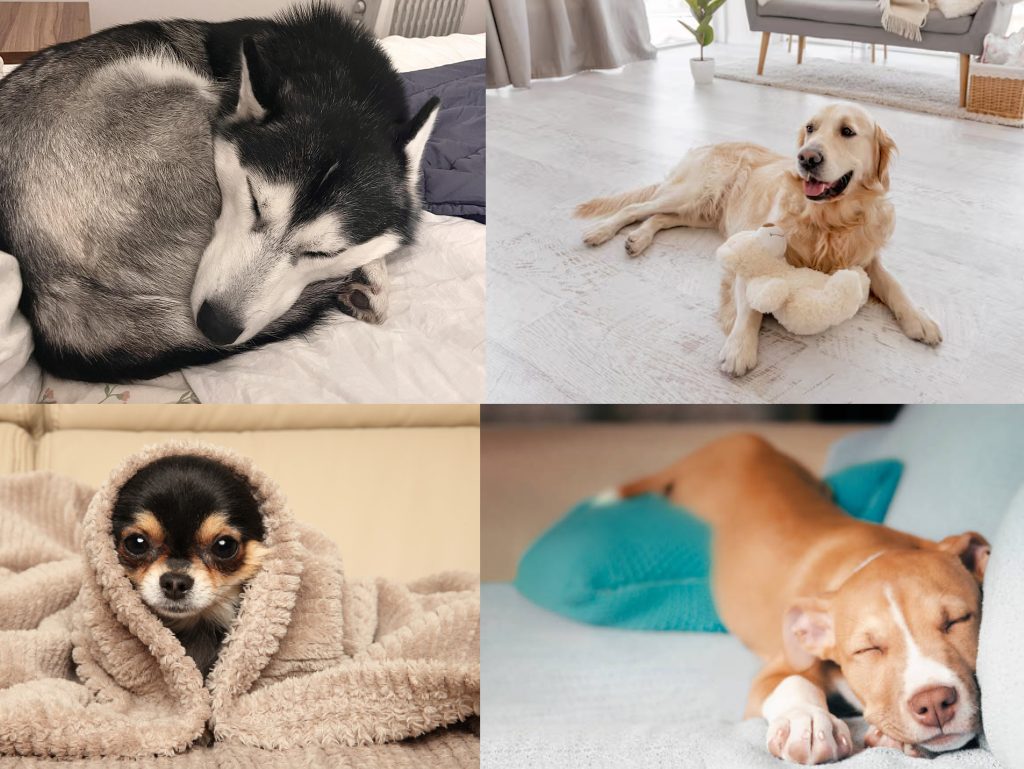
Yes, different dog breeds often show clear preferences for sleeping positions. These choices usually depend on size, coat type, and personality.
Thick-coated breeds like Huskies tend to curl into the donut position to stay warm. It’s a natural instinct, especially for dogs built for colder climates. In contrast, large dogs like Labradors love to sprawl on their sides or stretch belly-up, especially after play. These positions help them stay cool and avoid joint pressure.
Smaller or anxious breeds, such as Chihuahuas or Dachshunds, often prefer to burrow under blankets or curl tightly. This makes them feel safe and hidden. Confident breeds like Boxers might choose the Superman pose, legs stretched out and ready to bounce back into action.
But breed isn’t everything. Your dog’s personality also shapes how they sleep. Some enjoy cuddling close to you, while others seek quiet corners.
As Dr. Jessica Vogelsang, a veterinarian, says, “How your dog sleeps can be a window into their comfort, trust, and unique personality.”
So yes, your dog’s breed can offer clues, but their comfort matters most. If they sleep soundly and wake up happy, their sleeping position is just right for them.
Do Dog Sleeping Positions Affect Their Sleep Quality?
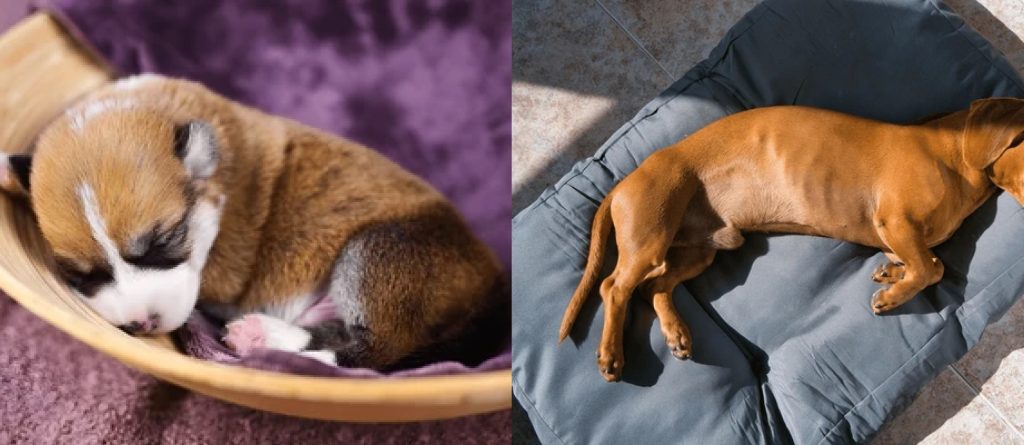
Yes, dog sleeping positions absolutely affect how well your dog sleeps. Just like humans, dogs sleep better when their body feels supported and at ease.
If your dog curls up too tightly, it can limit full muscle relaxation and make it harder to breathe deeply. That donut-shaped position is great for warmth or short naps, but it might not offer the deepest rest. On the other hand, sleeping on their side or back allows the body to fully relax, leading to longer and more restorative sleep cycles.
A dog stretched out on their side usually gets better REM sleep, the kind of deep sleep that helps with healing, memory, and mood. If your dog prefers this pose, they’re likely waking up refreshed and ready to go.
Dog sleeping positions also affect joint and spine alignment. Dogs with arthritis or hip issues often shift positions frequently during the night if they’re uncomfortable. A poor sleeping position can make them stiff or grumpy in the morning.
You should also watch for restless behaviour like twitching or shifting frequently. It might be a sign their chosen sleeping position isn’t supporting them well. Try adjusting their sleeping setup or offering a more padded dog bed to improve comfort.
In the end, good sleep means better health. And since dog sleeping positions are such a big part of that, it’s worth paying attention. Help your dog find the position that lets them rest deeply, and they’ll be healthier, happier, and better behaved overall.