

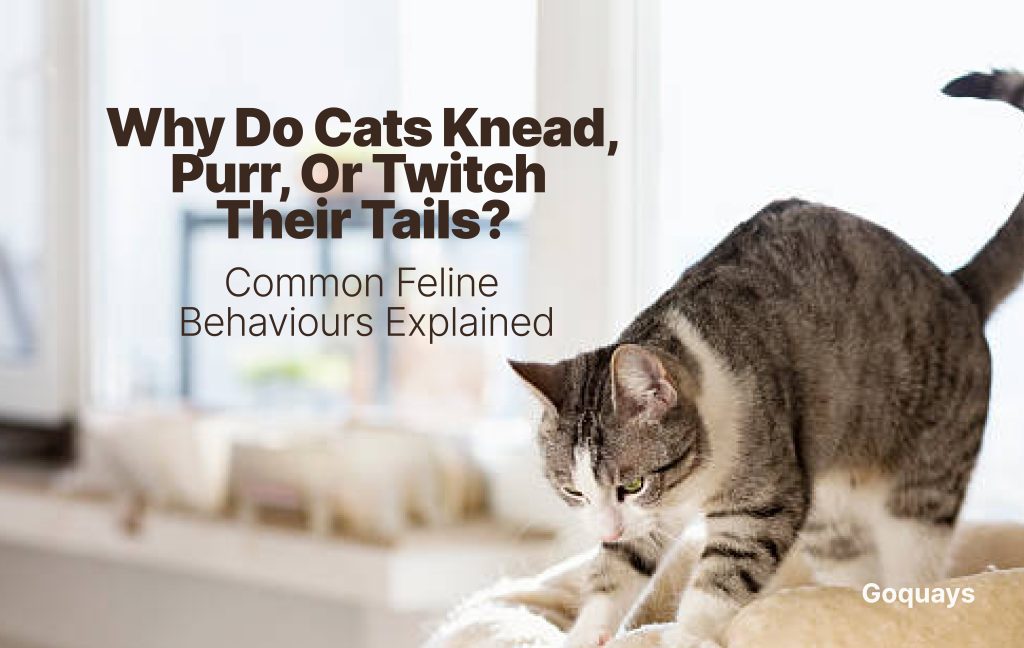
As a cat owner, you have clearly experienced moments where you cat seems strange to you due to some of its actions like kneading you like a dough, or twitching its tail at you which you are unable to comprehend. But that’s okay. They are just normal cat actions they use to communicate their moods, instincts and even their health.
And by understanding some of these cats behaviours, helps you spot any changes to their mood or health in general. By recognizing these, is the first step to keeping them happy, safe, and well cared for.
This content will explore some common cat behaviours like kneading, purring, and tail twitching. By explaining what they mean, what might cause concern, and how being in tune with your cat’s habits can support better vet care.
Why do cats knead?
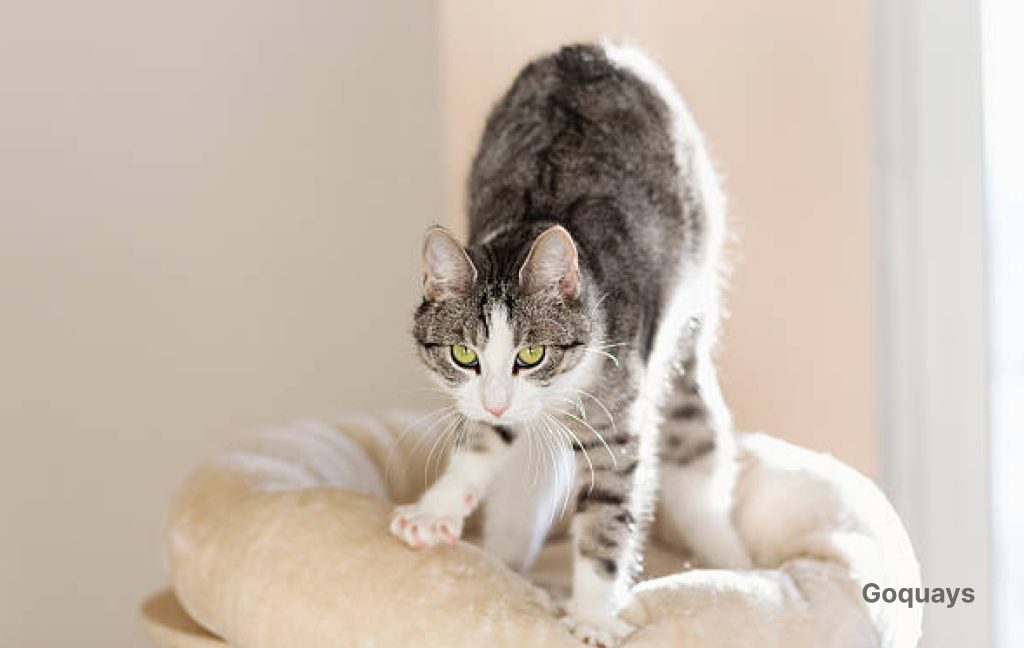
If you have ever had your cat hop onto your lap and begin rhythmically pressing their paws into your legs like they are working invisible dough, congratulations, you have been kneaded. This peculiar (and sometimes painful!) feline habit is one of the most common and beloved behaviours among cat lovers. But what does it mean?
- An instinct from kittenhood
Kneading behaviour starts early. It begins while cats are still nursing. As kittens, they naturally knead their mother’s belly to help stimulate milk flow. Even as they grow up and leave that stage behind, the behaviour sticks around as a sign of comfort and security.
- Marking their territory
More than just kneading due to kittenhood, another reason cats knead is to mark their territory. Cats have scent glands in the pads of their paws, which allow them to release pheromones from their paws. When they knead, they are also leaving behind their scent. So they may be kneading to mark you as theirs.
- Nest-making ritual
This act is traced to wild cats lying in tall grass or leaves to make a comfortable sleeping spot. However, indoor cats also imitate this habit by kneading their resting spot before they curl up for a nap. This is mostly common for them to do on plush, soft surfaces like duvets or the sofa.
- A show of affection
Your cat can also knead when they are trying to show affection or they want affection. They mostly do this when they trust the individual or if they are close to the person. If you ever notice your cat kneading on you, it’s a sign of bonding and telling you “they are comfortable with you.
When kneading might signal a problem
While kneading is usually harmless, there are a few cases where it might point to something more serious:
- If you notice your cat kneading excessively then coupled with drooling or glassy eyes, this may suggest an obsessive behaviour linked to stress or anxiety.
- If you also noticing your cat kneading compulsively on certain textures or chews while kneading, this could be a sign of pica or another behavioural issue.
- You should also keep note of when your cat kneads, accompanied by biting; this could be a sign of overstimulation or pain.
If you notice any of these signs, reach out to your vet as they could be a sign of an underlying health condition.
Why do cats purr?
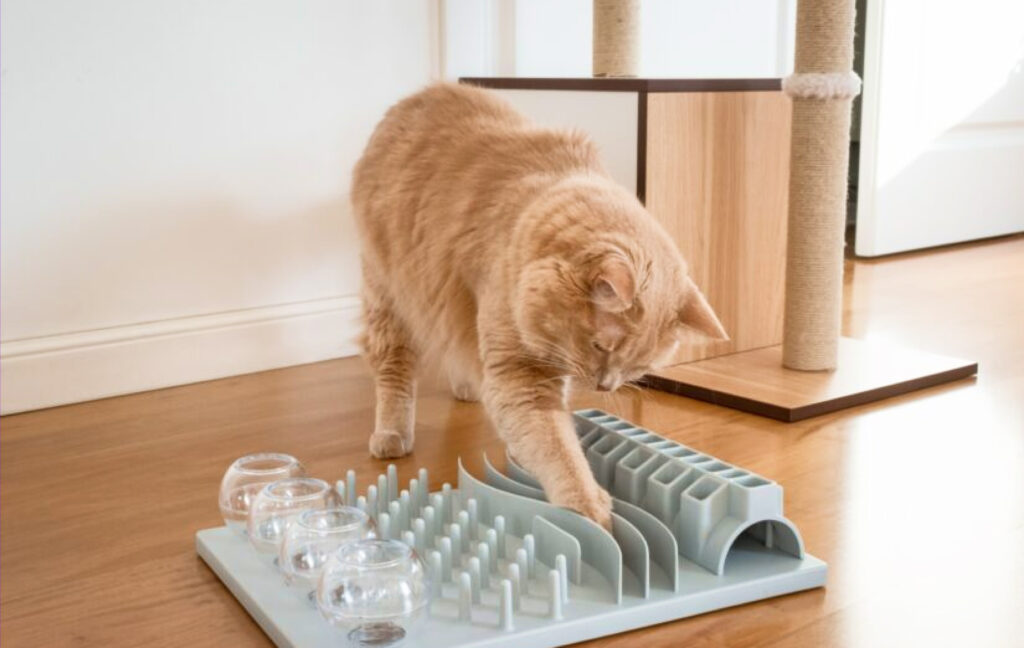
Purring is very common in cats. This is a gentle hum that comes from your cat when they are satisfied or when they feel content. But you also want to keep note of when your cats purr at odd times, for example, your cat can purr as a result of you petting its head, it can also purr when it feels discomfort, or just to mask pain or stress.
Here are some reasons why your cats purr.
- When they are content
Cats mostly purr when they are in contentment, happy or in a positive emotional state. Purring can occur when your cat is curled up in your lap while petting its head, when they are stretching in the sun, eating, feeling sleepy or when they are kneading something soft. When your cat purrs in times like this, it’s a sign your cat is satisfied, secure, loved, or safe.
- When they are in pain
While most pet parents believe purring is only associated with a happy feeling, your cat can also purr when they are anxious, stressed or injured. Some studies have discovered purring to be a self-soothing behaviour, a coping mechanism for such situations. Purring has been linked to a specific vibration frequency (25- 150Hz) that helps with;
- Bone density and healing
- Muscle recovery
- Pain relief
Some experts even believe cats purr to speed up recovery
- A means of communication between cats and humans
Cats also purr as a means to communicate their needs. This is mostly common with indoor, this type of purr is called a solicitation purr. It’s a high-frequency cry similar to a baby’s, this is mostly done for attention. This means your cat may purr when they want food or treats, when they want attention or comfort
When you need to pay attention to your cat’s purring
While a purring cat is harmless most of the time, some other times, purring could mean something is wrong with your cat. You should pay attention to your purring cat when;
- Your cat is purring while hiding or refusing food
- They are purring in combination with laboured breathing, limping, or sudden lethargy
- Purring is accompanied by low growls or flattened ears
If these signs appear, it may be time for a check-up.
Tail twitching: Why do cats twitch their tail?
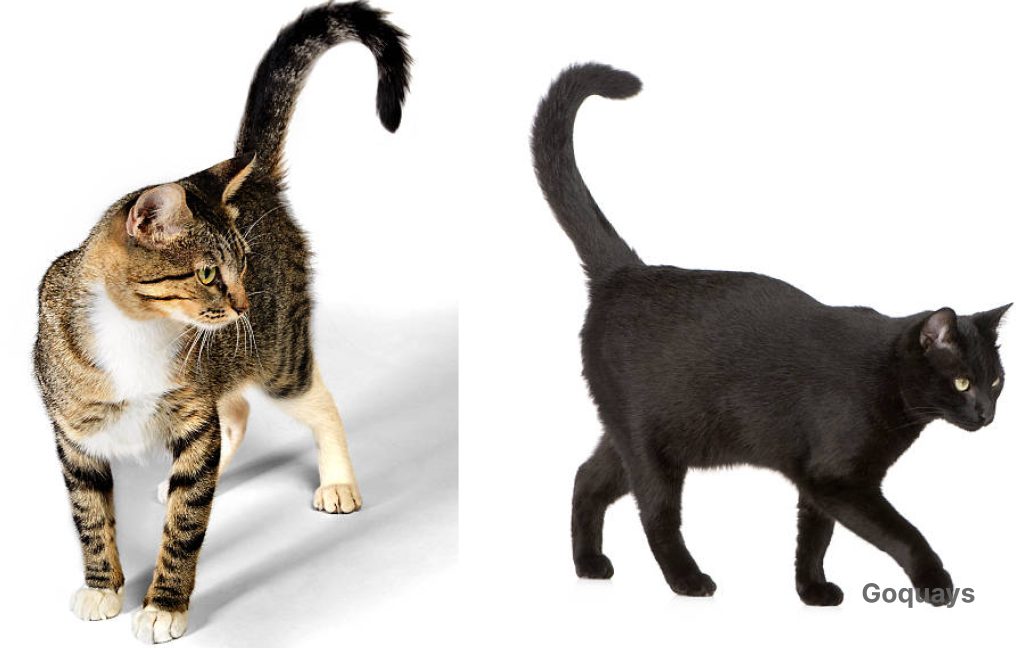
Most pets use their tails to express some emotions, which is the same as a cat. A cat’s tail is the most expressive part of its body, and for those who can read the signs of their cat’s tail, they are likely to understand their cat better. A cat’s twitching tail signals emotion like curiosity, irritation or even signs of stress.
Why do cats twitch their tails?
Tail twitching is a form of non-verbal communication that cats use to interact with their environment.
Common tail movements and their meaning
Tail Movement | Likely meaning |
Quick twitching at the tip | Mild irritation, focus(e.g. Stalking a toy or bird |
Slow swaying from side to side | Alert curiosity or hunting behaviour |
Lashing or whipping back and forth | Agitation, frustration or overstimulation |
Tail puffed up like a bottle brush | Fear or defensive posture |
Tail held high and quivering | Marking territory or excited greeting(especially unneutered cats |
Tail tucked tightly under the body | Anxiety, fear, submission |
When you should pay attention to your cat’s twitching
When twitching only occurs sometimes, that is completely normal. However, persistent or erratic movements could mean something serious, like;
- Pain or injury (especially if the tail is stiff or your cat reacts when it’s touched)
- Neurological issues (involuntary twitches or spasms)
- Stress or anxiety, especially if paired with excessive grooming or hiding
- Overstimulation, leading to aggressive behaviour if interaction continues
Also, if your cat’s tail behaviour changes suddenly or is paired with other signs like limping, vocal distress, or aggressive outbursts, it’s time to book a vet visit.
Other common cat behaviour
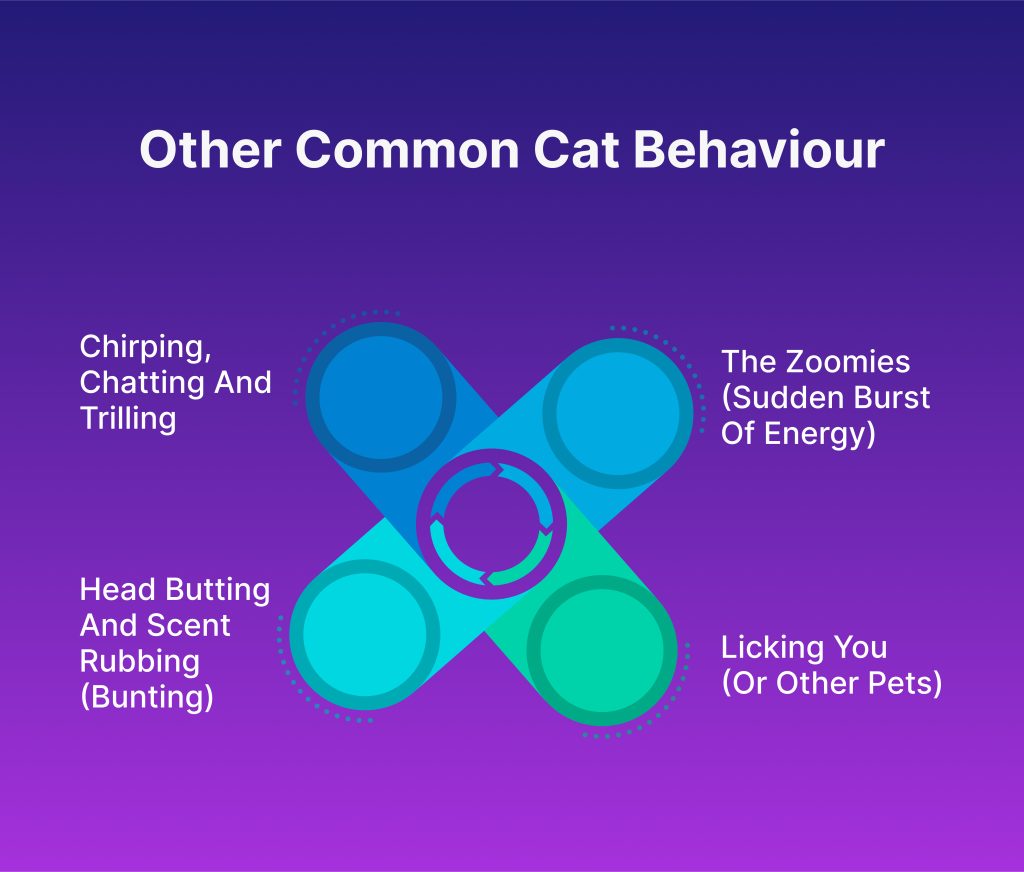
While kneading, tail twitching are among the most visible cat behaviours, cats are known for their quirks which leave their owners asking Is this normal? Here are some other common cat behaviours
Chirping, chatting and trilling
Cat chattering is a mix of excitement and frustration, usually triggered when cats see prey they can’t reach. It reflects their predatory instincts and is common in indoor cats. Interactive toys can help redirect this energy indoors, especially during times when they watch birds from windows.
Head butting and Scent rubbing(Bunting)
Head bunting is a sign of affection, trust, and bonding. Cats do this to mark you with their scent and show they feel safe and connected to you, not as a sign of aggression.
The Zoomies(Sudden burst of energy
Zoomies are sudden bursts of energy where cats run and jump around to release pent-up energy, respond to environmental changes, or show natural hunting instincts. While usually harmless, frequent or extreme zoomies could indicate stress, discomfort, or pain and should be monitored.
Licking you(or other pets)
Cats may lick their owners as a sign of affection, bonding, scent marking, or attention-seeking, though sometimes it can be anxiety-related. While cats sometimes hide for comfort or privacy, sudden or prolonged hiding combined with loss of appetite or lethargy could signal stress or illness and should be monitored.
Conclusion
Kneading, purring, twitching tails, or chirping at the window are all typical cat behaviours which are their primary communication languages to their owners and other people around them. Every movement and sound is a subtle message to reveal how they feel, what they need, or even when they might not be feeling their best.
As cat owners, the more we understand our cats’ behaviour, the better we can care for them. Sometimes, those changes in behaviour are just mood shifts or instinctual actions. But other times, they are early warnings of a health issue that needs professional attention.
So next time you see your cat purr, knead, chirp or twitch their tail, you will know if you should be worried or it’s just a sign your cat feels comfortable with you.