


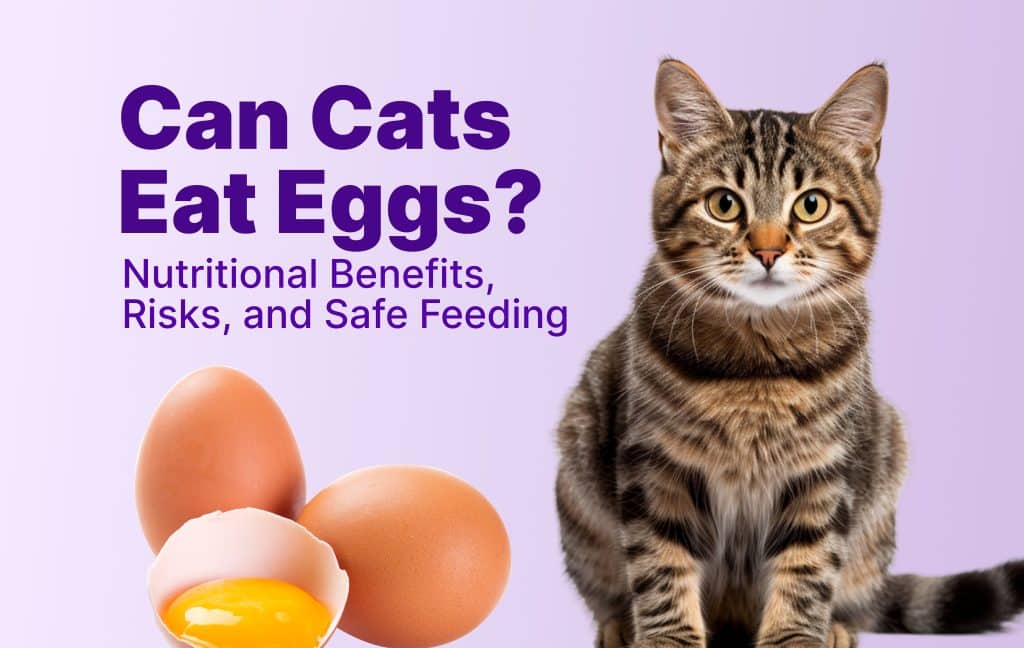
Sharing food with your cat can be tempting, especially when they watch you closely when you eat. Eggs are a common household staple, but before offering your cat a bite, it’s important to understand how they fit into a healthy feline diet. Although eggs are rich in protein and other nutrients, they aren’t a complete source of nutrition for cats and should only be served as an occasional treat.
Cats can eat eggs when they’re fully cooked and served plain. Cooked eggs provide high-quality protein, healthy fats, and essential vitamins and minerals that can complement a balanced diet. However, the way eggs are prepared matters. Raw eggs may contain harmful bacteria and compounds that interfere with the absorption of certain nutrients, while ingredients such as salt, butter, oil, and seasonings can make them unsuitable for cats.
Portion size is just as important as preparation. Too much egg can add unnecessary calories and fat to your cat’s diet, increasing the risk of digestive upset or weight gain over time. Offering small amounts occasionally allows your cat to enjoy the nutritional benefits of eggs without upsetting the balance of their regular meals.
This guide explains the nutritional benefits of eggs for cats, the potential risks, how much egg is safe to feed, the difference between raw and cooked eggs, and the safest ways to prepare and serve them.
Can Cats Eat Eggs?
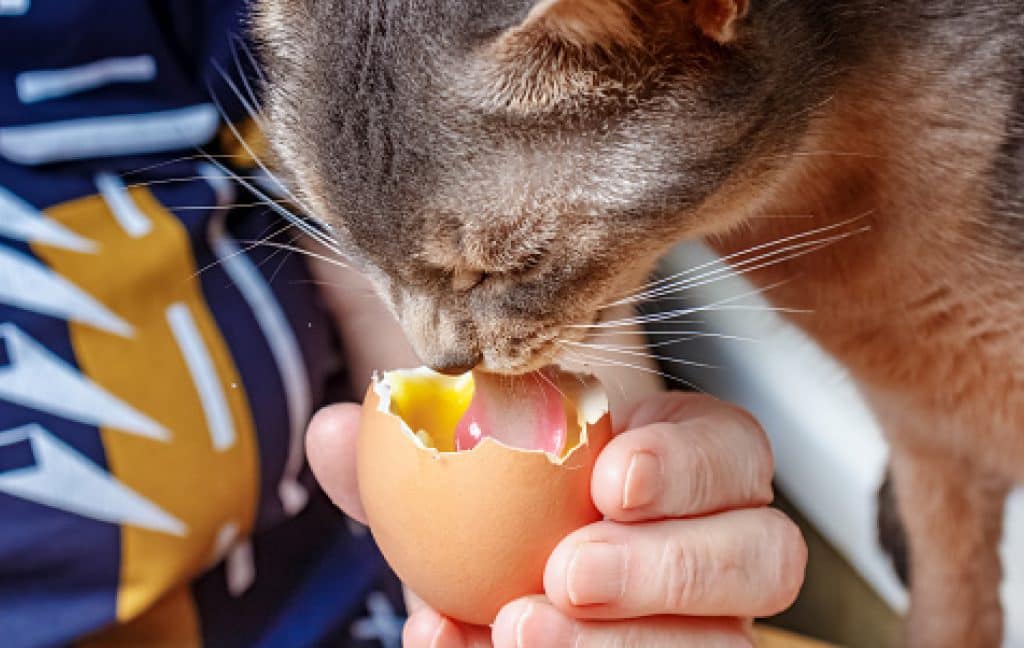
Yes, cats can eat eggs, provided they are fully cooked and served without added salt, butter, oil, or seasonings. Eggs are rich in high-quality protein and contain several vitamins and minerals that can support your cat’s overall health when offered as an occasional treat.
Cats are obligate carnivores, which means they rely primarily on animal-based protein to meet their nutritional needs. Because eggs are an animal protein, they can be a nutritious addition to your cat’s diet. However, they should never replace a complete and balanced commercial cat food, which is specially formulated to provide all the nutrients cats need each day.
It’s also important to remember that not every cat will tolerate eggs in the same way. Some cats may experience digestive upset or, in rare cases, an allergic reaction after eating eggs. If you’re introducing eggs for the first time, offer only a small amount and monitor your cat for any unusual symptoms, such as vomiting, diarrhoea, itching, or changes in behaviour.
When served correctly and in moderation, cooked eggs can be a safe, protein-rich treat that adds variety to your cat’s diet without compromising their overall nutrition.
Nutritional Benefits of Eggs for Cats
When served in moderation, cooked eggs can be a nutritious addition to your cat’s diet. They contain high-quality protein, healthy fats, and several vitamins and minerals that support normal growth, tissue repair, and everyday body functions. Although eggs offer valuable nutrients, they should not replace a complete and balanced cat food.
Some of the key nutrients found in eggs include:
- High-quality protein: Supports muscle growth, tissue repair, and overall body condition.
- Healthy fats: Provide energy and help maintain healthy skin and a glossy coat.
- Vitamin A: Supports vision, immune function, and healthy skin.
- Vitamin D: Helps the body absorb calcium, supporting strong bones and teeth.
- Vitamin B12 and riboflavin: Contribute to energy production and healthy nerve function.
- Selenium: Acts as an antioxidant, helping protect cells from damage.
- Iron and phosphorus: Support red blood cell production, healthy bones, and other essential body functions.
Eggs are also highly digestible, allowing cats to absorb and use many of these nutrients efficiently. While they can be a healthy treat, they don’t provide all the nutrients cats need to thrive. A balanced commercial cat food should remain the foundation of your cat’s diet, with eggs offered only occasionally as a supplement.
Raw Eggs vs Cooked Eggs
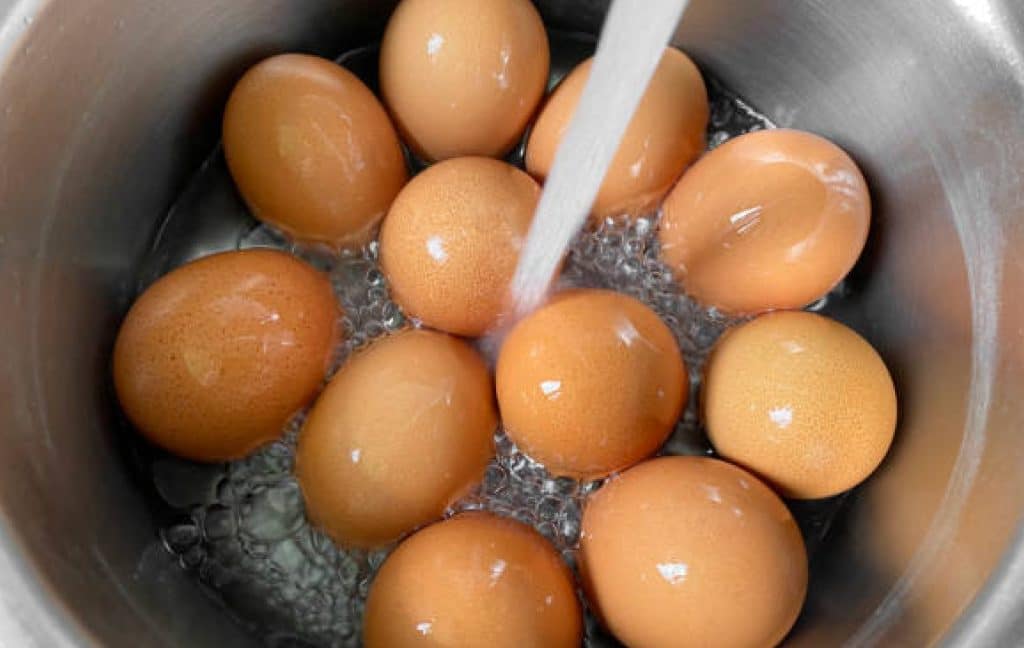
When asking, “Can cats eat eggs?” the real question is how the eggs are prepared. Raw and cooked eggs are worlds apart in terms of safety and nutrition. While raw eggs may look “natural”, they come with serious health risks, while cooked eggs unlock the benefits without the dangers.
Here’s a simple breakdown:
Factor | Raw Eggs | Cooked Eggs |
Safety | Risk of Salmonella or E. coli infection | Safe; bacteria destroyed during cooking |
Nutrient Absorption | Contains avidin, which blocks biotin absorption (important for skin & coat) | Cooking deactivates avidin, allowing proper vitamin absorption |
Digestibility | Harder to digest | Easier for cats to digest |
Protein | Still present but less bioavailable | High-quality, highly usable protein |
Risk Level | High risk, can cause illness and deficiencies | Low risk, safe when served plain, without oil, salt, or butter |
In summary, raw eggs pose risks and can cause serious cat health problems, while cooked eggs offer more benefits. If you want your cat to enjoy the nutritional power of eggs, boiled, scrambled (plain), or poached eggs are the safest and healthiest options.
Can Cats Eat Raw Eggs?
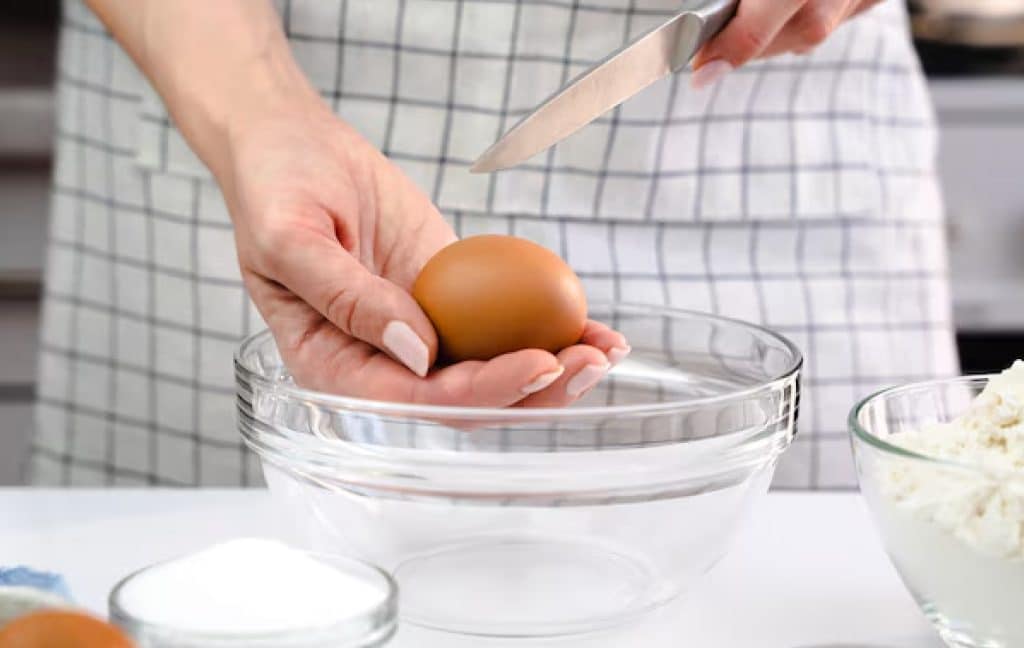
Raw eggs are not recommended for cats. Although some people believe raw eggs are a more natural option, they can expose cats to harmful bacteria such as Salmonella and Escherichia coli (E. coli), both of which can cause illness in pets and the people who handle their food.
Another concern is raw egg whites, which contain avidin, a protein that binds to biotin (vitamin B7). Regularly feeding raw egg whites may interfere with biotin absorption over time, potentially affecting your cat’s skin, coat, and overall health. Cooking the egg deactivates avidin, making the protein easier to digest and allowing your cat to absorb nutrients more effectively.
If your cat accidentally eats a small amount of raw egg, it doesn’t always mean they will become ill. However, monitor them closely for signs such as vomiting, diarrhoea, loss of appetite, or lethargy, and contact your veterinarian if these symptoms develop or persist.
To minimise health risks, always serve eggs fully cooked and plain, without butter, oil, salt, or seasonings. Cooking destroys harmful bacteria while preserving the nutrients that make eggs a healthy occasional treat for cats.
Can Cats Eat Egg White?
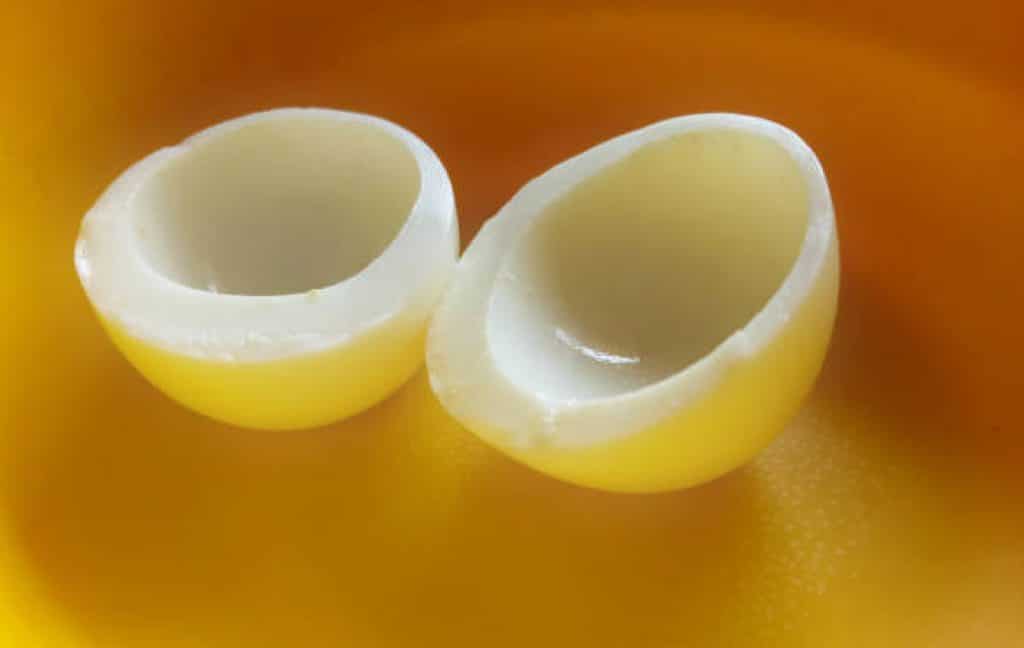
Yes, cats can eat egg whites, but they should always be fully cooked. Cooked egg whites are low in fat and rich in high-quality protein, making them a healthy occasional treat for most cats.
Protein plays an important role in maintaining muscle mass, repairing body tissues, and supporting your cat’s overall health. Because egg whites contain very little fat, they may be a suitable option for cats that need a leaner treat. However, they don’t provide all the nutrients your cat needs, so they should only complement a complete and balanced diet.
Avoid feeding raw egg whites, as they contain avidin, a protein that can interfere with the absorption of biotin (vitamin B7). Cooking neutralises avidin, making egg whites safer and easier for cats to digest.
When introducing egg whites for the first time, offer a small amount and watch for any signs of digestive upset or an allergic reaction. If your cat tolerates them well, cooked egg whites can be offered occasionally as part of a varied diet.
Is Egg Yolk Good for Cats?
Yes, cats can eat egg yolks, provided they are fully cooked and served in small amounts. Egg yolks contain healthy fats, protein, and essential nutrients, including vitamins A, D, E, and B12, as well as minerals such as iron and phosphorus.
While these nutrients can support your cat’s overall health, egg yolks are also higher in calories and fat than egg whites. Feeding large portions or offering them too often may contribute to weight gain, particularly in indoor or less active cats.
Contrary to concerns about cholesterol in human diets, dietary cholesterol is generally not considered a major health concern for healthy cats. The greater consideration is the extra calories and fat that egg yolks add to their diet. For this reason, yolks should be offered as an occasional treat rather than a regular part of your cat’s meals.
For the safest option, serve egg yolks plain and fully cooked, without butter, oil, salt, or seasonings. If your cat has a history of pancreatitis, obesity, or another medical condition that requires a low-fat diet, speak with your veterinarian before offering egg yolks.
The Risks of Feeding Eggs to Cats
Eggs can be healthy for cats, but they’re not risk-free. If fed incorrectly or too often, eggs may cause health problems rather than benefits. Here are the main risks backed by research:
- Raw egg risks: The CDC estimates that about 1 in every 20,000 eggs may contain Salmonella. While rare, infection can cause vomiting, diarrhoea, and lethargy in cats and can also spread to humans in the household.
- Biotin deficiency: Raw egg whites contain avidin, a protein that binds to biotin (vitamin B7). Over time, excessive consumption of raw eggs could interfere with skin health, coat quality, and energy metabolism.
- High fat content: A large egg yolk contains around 4.5 grams of fat and 55 calories. For indoor cats, that’s a significant extra load that can lead to obesity or even pancreatitis if fed too frequently.
- Digestive upset: Cats with sensitive stomachs may react to eggs with diarrhoea or vomiting, especially if portions are too large.
- Allergies: Though uncommon, cats can develop egg allergies, which may show up as skin irritation, itching, or gastrointestinal issues.
Healthy Egg Recipes for Cats
Eggs should always be cooked thoroughly and served plain, without butter, oil, salt, or seasonings. Offer only small portions as an occasional treat alongside your cat’s regular diet.
- Boiled Egg Bites: Chop a small piece of hard-boiled egg and serve it on its own or mix it into your cat’s regular food.
- Plain Scrambled Eggs: Scramble an egg without oil, butter, milk, or seasoning. Allow it to cool before serving one or two teaspoons.
- Egg Food Topper: Mash a small amount of cooked egg and sprinkle it over your cat’s wet or dry food to add variety.
- Egg and Chicken Treat: Mix a little chopped boiled egg with plain, cooked chicken breast for a simple, protein-rich snack.
Introduce eggs gradually and stop feeding them if your cat develops vomiting, diarrhoea, itching, or any other unusual symptoms.
Conclusion
Eggs can be a safe and nutritious treat for cats when prepared and served correctly. Rich in high-quality protein and essential nutrients, they can add variety to your cat’s diet without replacing a complete and balanced cat food. The safest option is always to serve eggs fully cooked, plain, and in small portions.
When introducing eggs for the first time, start with a small amount and monitor your cat for any signs of digestive upset or an allergic reaction. If your cat has an underlying health condition or special dietary needs, speak with your veterinarian before adding eggs to their diet.
With the right preparation and moderation, eggs can be a simple, protein-rich treat that your cat can enjoy as part of a healthy lifestyle.