

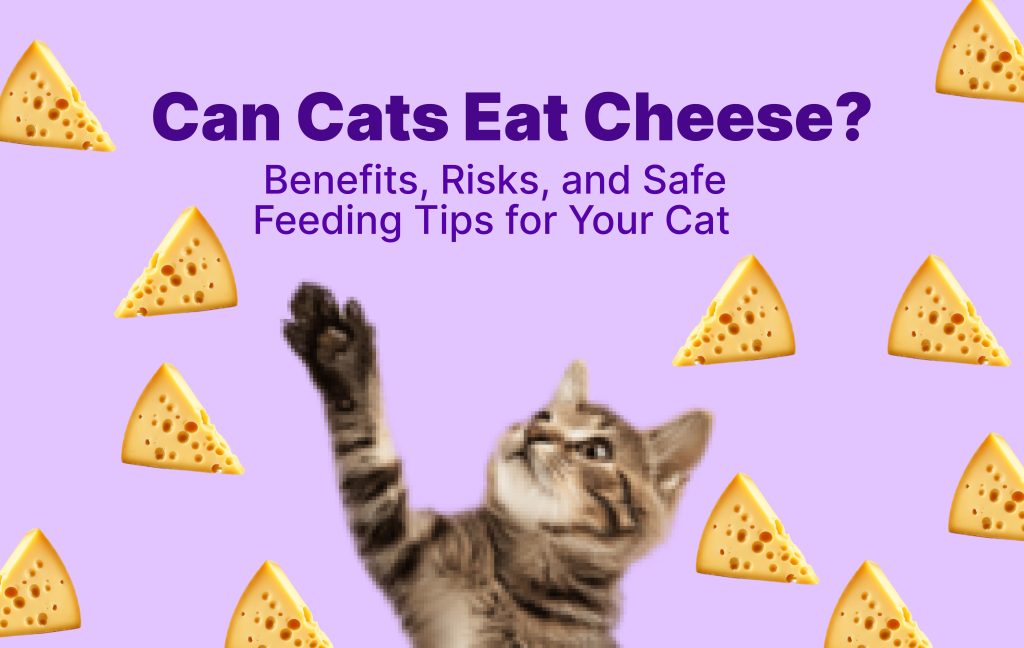
Can cats eat cheese? If you’ve ever opened a packet of cheddar only to find your cat suddenly at your feet, you know how much your cat loves to eat cheese. The rich smell, creamy texture, and salty taste can make cheese irresistible, not just to humans, but to our feline companions as well. But here’s the catch: while cheese isn’t poisonous to cats, it’s not the wholesome treat it might appear to be. Research from the Cummings School of Veterinary Medicine at Tufts University suggests that around 65% of adult cats are lactose intolerant after weaning. This means even a small bite of cheese could cause digestive discomfort for many cats.
That doesn’t mean cheese is completely off the table; it just needs to be given thoughtfully. In this guide, we’ll explore why cats are drawn to cheese, the digestive challenges it can cause, which types are safer, and how to offer it without upsetting your cat’s stomach.
Do Cats Actually Like Cheese?
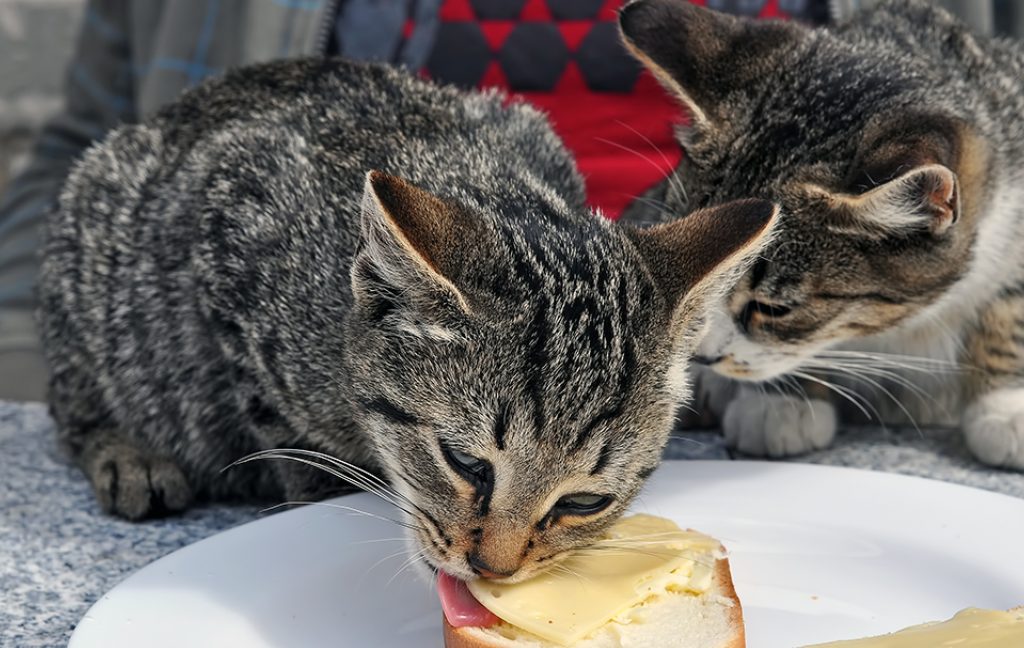
For many cats, cheese is a little mystery wrapped in a mouthwatering scent. It’s not something they’d ever find in the wild, yet the moment you open a block or unwrap a slice, they’re suddenly at your feet, eyes wide, nose twitching. As obligate carnivores, their bodies are built to crave animal protein and fat, and cheese delivers both in a rich, creamy package.
The buttery smell, the salty tang, the soft texture – all of it can be irresistible to a curious feline. Some will cautiously sniff and circle, as if sizing up this strange new “prey”, while others skip straight to begging, paws tapping at your leg or meowing with determination. It’s often the food-driven cats that are most enchanted by cheese. But a cat’s fascination with cheese is less about what it offers nutritionally and more about the sensory experience: the smell, the texture, and the tiny ritual of sharing something with you. For them, it’s a moment of connection as much as it is a bite of food.
Lactose and Digestive Issues

Here’s where our cheese tale takes a gentle turn. Cats may be drawn to its rich smell and creamy texture, but their bodies often struggle to handle it. According to the Cornell Feline Health Centre, most cats begin having difficulty digesting dairy after just 12 weeks of age, right around the time they stop nursing. Without the enzyme lactase, lactose in dairy products passes through a cat’s system undigested, often leading to discomfort.
Why cheese can cause trouble for cats:
- Lactose intolerance: Approximately 65%–70% of adult cats are unable to break down lactose, resulting in digestive distress.
- Tummy troubles: Gas, bloating, and diarrhoea can appear within hours after eating cheese.
- High fat levels: Rich cheeses can contribute to unhealthy weight gain and even trigger pancreatitis in sensitive cats.
- Excess salt: Too much salt can stress the cat’s heart and kidneys over time.
- Hidden dangers: Certain cheeses contain herbs, garlic, or onion, which are toxic to cats, even in small amounts.
Think of cheese as you would a decadent dessert for yourself: delicious, but best enjoyed sparingly, with care, and only when you know it won’t leave your cat feeling unwell.
Best Types of Cheese

If your cat can’t resist the smell of cheese, you don’t have to ban it completely, but you do need to choose wisely. Some cheeses are gentler on a cat’s tummy than others, especially if they’re lower in lactose, salt, and added flavourings.
Best Types of Cheese for Cats:
- Cheddar or Swiss: They have naturally lower lactose levels, making them a bit easier to digest.
- Soft goat cheese: It contains slightly less lactose than cow’s milk cheese, with a mild tang that cats often find intriguing.
- Fresh mozzarella: Soft and creamy, but lower in salt than heavily processed cheeses.
- Plain cream cheese: Its smooth texture can be appealing, but skip flavoured varieties with herbs, garlic, or onion.
When it comes to cheese for cats, less is always more. A pea-sized taste can give them all the joy without overwhelming their digestion. Watch how they react afterwards; even “safe” options may have effects on some cats.
How Much Cheese Is Too Much?

When it comes to cheese, think of it as the feline treat of a rich dessert, delightful in small bites, but not something to serve every day. Even the most cat-friendly cheese can upset your pet’s stomach or add unnecessary calories if given too often.
General guidelines for safe cheese feeding:
- Keep portions small: A pea-sized piece is enough for most cats.
- Limit frequency: You can give your cat cheese once or twice a week at most and only as a treat.
- Watch the calories: A single cube of cheddar can pack more calories than you might expect for such a small body.
- Observe reactions: If your cat shows signs of discomfort such as soft stools, gas, or vomiting, stop feeding it cheese.
- Consider your cat’s health: Cats with pancreatitis, kidney issues, or obesity should avoid cheese altogether.
Remember, your cat won’t miss cheese if they’ve never had it, and there are plenty of other tasty, safer treats that can satisfy their curiosity without risking their digestive health.
Cat-Friendly Alternatives to Cheese
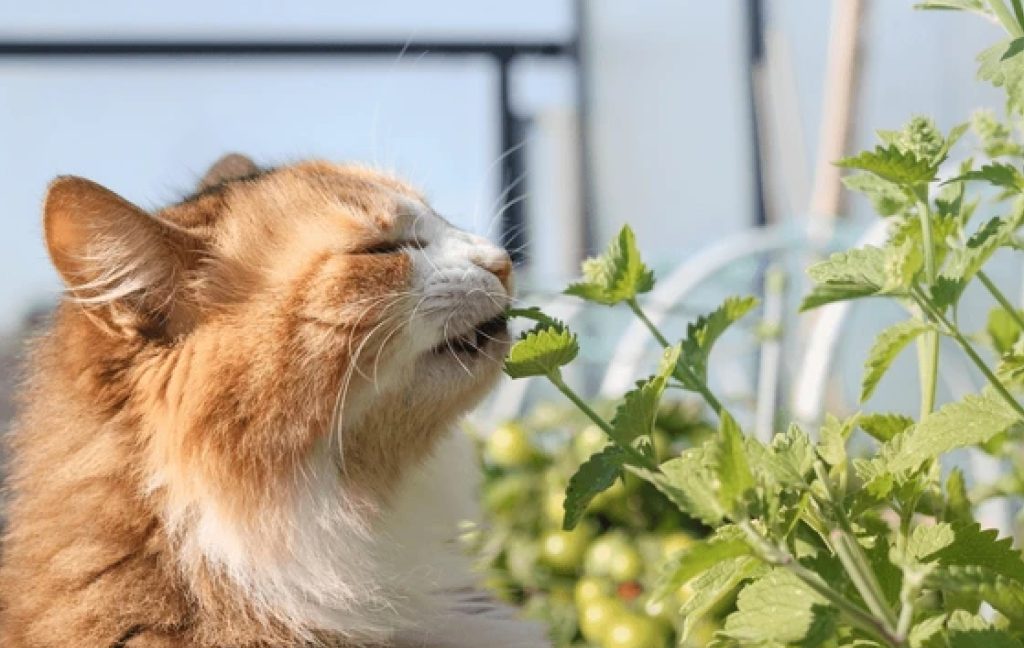
If your cat loves cheese but their tummy doesn’t, you can still treat them without the lactose, salt, and fat overload. The hack is to pick safe, tasty options that satisfy their curiosity without upsetting their digestion. Some cat-friendly alternatives to cheese are:
- Cooked chicken or turkey: High in protein, low in additives, and a natural fit for a cat’s diet.
- Plain cooked fish: Examples of plain cooked fish are salmon or cod, and they are best offered in small, boneless pieces.
- Commercial cat treats: Many commercial cat treats are formulated with cheesy flavours without adding dairy.
- Catnip or cat grass: This offers sensory enjoyment without calories.
- Pumpkin puree: This is unsweetened and should be given in tiny amounts. It can be a surprising hit and supports digestion.
By choosing these alternatives, you keep the joy of sharing a treat while protecting your cat’s health. In their eyes, it’s not about the cheese itself; it’s about the moment of bonding and thoughtfulness they get from you.
Quick Cheese Safety Checklist for Cat Owners
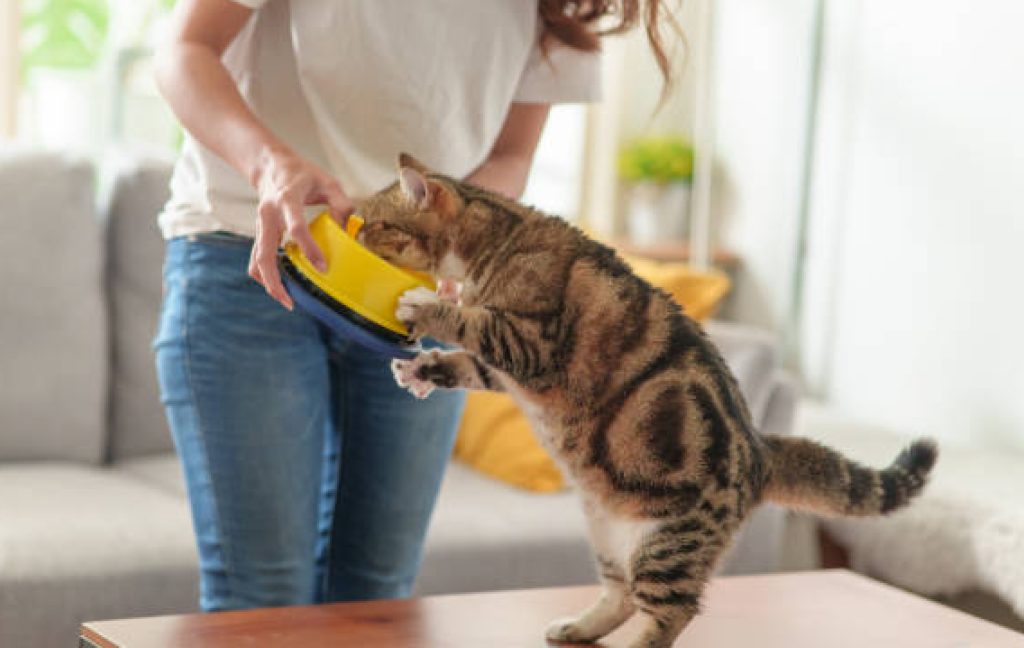
Before letting your cat nibble on cheese, take a quick pause and ask yourself:
- Is my cat likely lactose intolerant? Most adult cats are, and even a tiny amount can cause tummy troubles.
- Is the cheese plain and safe? Skip anything with herbs, garlic, onion, or seasoning; they can be toxic.
- Am I keeping it tiny? A piece no bigger than a pea is all they need.
- Is this a rare treat? Cheese should be a once-in-a-while treat, not part of their regular diet.
If you can’t honestly say “yes” to all four, your best bet is to swap the cheese for a safer treat. Your cat won’t feel left out; they’ll still love the special moment with you, no matter what’s on the menu
Conclusion
Cheese might feel like a fun way to spoil your cat, a tiny token of love from your plate to theirs. But while it may be tempting to share, the reality is that cheese should only ever be an occasional indulgence. Most adult cats lose their ability to digest dairy by around 12 weeks of age, meaning even small amounts can cause stomach upsets, loose stools, or other discomforts. That doesn’t mean cheese is completely off the table. A low-lactose variety, offered in a piece no bigger than a pea, once in a while, is unlikely to cause harm in an otherwise healthy cat.
If you’re looking to share a special treat, you might find healthier options your cat enjoys just as much, from a bit of cooked chicken to a crunchy, feline-safe snack. In the end, treats are about connection, not calories. Your cat won’t remember the cheese, but they’ll remember the joy of your attention, the sound of your voice, and the warmth of your care.