


Bringing home a new kitten is exciting, but it also comes with important responsibilities. A good kitten care guide can help new pet owners understand what their kitten needs to stay healthy, safe, and comfortable during those early stages of growth. From choosing the right food to creating a secure home environment, the right care can make a big difference in your kitten’s development.
This kitten care guide covers the essentials of kitten health, nutrition, and safety, helping you feel more confident as you settle into life with your new furry companion. Whether you are preparing for your first kitten or simply want a refresher, these practical tips can help support a happy and healthy start.
Kitten Health Essentials for Pet Owners
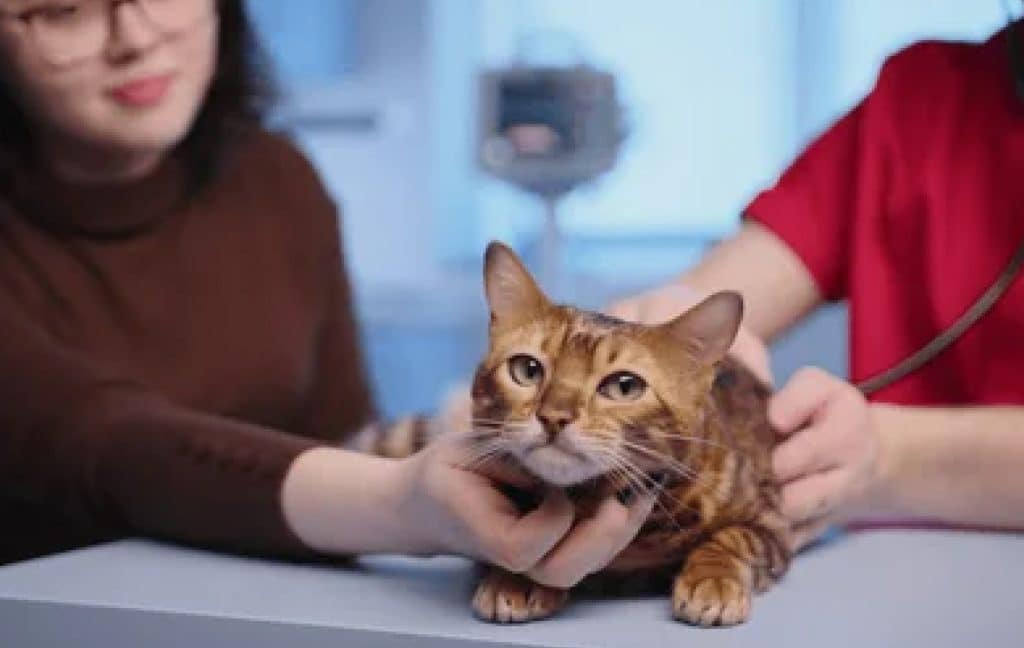
Kitten care begins with health, which is the foundation for a thriving pet. New pet owners must prioritise vet visits, as kittens have fragile immune systems. As a pet parent, these tips will guide you on how to keep your kitten happy and healthy:
- Always schedule a check-up within the first week home to assess the kitten’s health and start vaccinations.
- Use core vaccines, such as feline distemper, calicivirus, and rabies, to protect your kitten from serious diseases, typically starting at 6–8 weeks.
- Watch for signs like sneezing, diarrhoea, or lethargy.
- Ask your vet about flea and worm preventatives; they are common threats to kittens.
- Spaying or neutering around 4–6 months supports long-term kitten care, reducing health risks.
- Dental health is crucial; always check for bad breath or swollen gums.
- Brush your kitten’s teeth weekly with pet-safe toothpaste.
As a loving pet parent, staying attentive to changes like reduced playfulness or appetite is a key part of kitten care. Jotting down these observations is vital for vet visits to ensure your kitten’s well-being. Regular kitten care check-ups help keep your furry friend vibrant and full of life. Take a moment today to gently check your kitten’s eyes, ears, and energy levels as part of your kitten care routine for valuable health insights.
Feeding Your Kitten for Growth
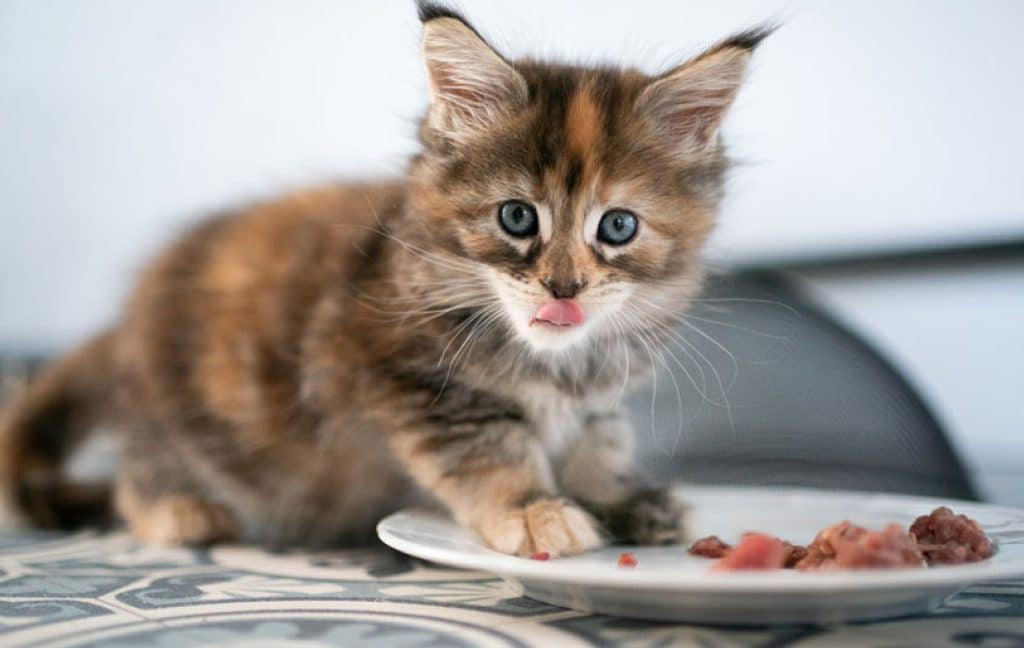
Kitten nutrition is an important aspect of kitten care; your kitten’s health and growth are affected by the type of food they consume. As a pet owner, being critical of their nutrition will help you in your kitten care journey. These tips will serve as a guide to help you navigate kitten nutrition:
- Kittens need high-protein, calorie-rich food to build strong muscles and bones.
- Wet food hydrates and is easy to chew, ideal for young kittens, while dry food supports dental health.
- Feed your kitten 3–4 small meals daily until 6 months, then twice daily. A kitten I cared for gained energy after switching to proper food.
- Avoid toxic human foods like chocolate, onions, garlic, or grapes.
- Always provide fresh water in a shallow bowl for easy access.
- Transition foods slowly over 7–10 days to prevent stomach upset. A pet owner fixed their kitten’s diarrhoea after following this kitten care tip.
- Overfeeding leads to obesity, so measure portions carefully.
- Start a feeding schedule to ensure proper kitten nutrition.
- Check food and water bowls daily to support kitten nutrition.
Pet owners should keep a close eye on their kitten’s eating habits to ensure proper kitten care. If your furry friend skips meals or seems fussy, take it seriously and reach out to your vet for guidance. Offering a variety of flavours, like rotating their food choices, is a great kitten care tip to keep them excited about mealtime. With consistent kitten care and feeding, you’ll build a strong foundation for a vibrant, healthy kitten.
Keeping Your Kitten Safe
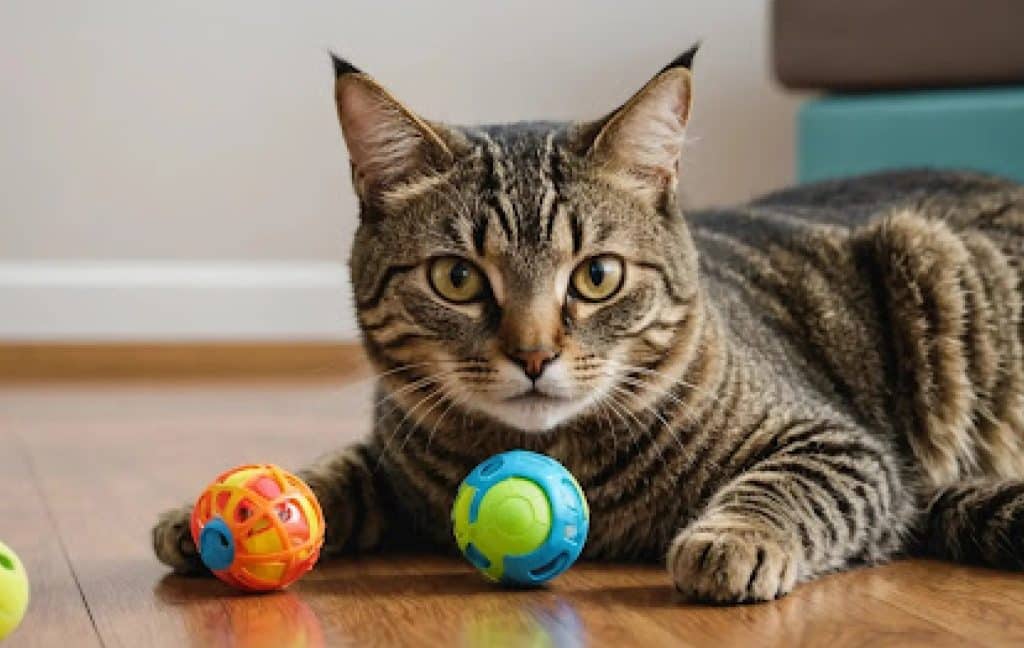
Kitten safety is critical for kitten care, protecting curious pets from harm. New pet owners must kitten-proof their home by securing electrical cords, hiding small objects like buttons or coins, and removing toxic plants like lilies, poinsettias, or aloe. These tips will help you keep your kitten safe:
- Store cleaners in locked cabinets and use pet-safe products.
- Provide safe toys, like feather wands or soft balls, avoiding strings or small parts that could be swallowed.
- Supervise play to prevent accidents and create a quiet retreat with a cozy bed to reduce stress.
- A pet owner’s kitten thrived after a safe space was set up, a vital kitten care step. Keep kittens indoors until vaccinated and spayed/neutered to avoid dangers like cars, predators, or toxic substances.
- Use window screens to prevent falls from high places.
- Check for hazards daily, like open windows or loose items.
Socialization and Play for Kittens

Socialisation is a key part of kitten care, helping pet owners raise confident cats. Between 2 and 7 weeks, kittens learn to trust humans and other pets. Here are kitten care tips to guide you while nurturing your kitten’s socialisation and play:
- Handle them gently daily to build comfort with touch.
- Introduce them to new sounds, like doorbells or vacuums, to prevent fear. A kitten I raised became friendlier after meeting calm visitors.
- Supervised play with other pets fosters social skills, but avoid overwhelming them.
- Provide stimulating toys, like tunnels, laser pointers, or crinkle balls, to encourage play and mental growth.
- Rotate toys weekly to keep them engaged. A pet owner noticed their kitten’s confidence grow with regular play, a kitten care essential.
- Avoid rough play, which can teach bad habits like biting.
- Start a daily play session today to boost your kitten’s socialization.
As a caring pet parent, keep an eye out for stress signs like hiding or hissing during socialisation as part of your kitten care routine. If your kitten seems frightened, take a step back and provide gentle comfort to ease their worries. Consistent kitten care and socialisation foster a warm, loving bond with your furry friend. Dedicate 15 minutes each day to playful interaction to boost your kitten’s confidence and happiness.
Common Kitten Health Issues

Kitten care involves staying vigilant for common health issues that pet owners may encounter. Below are key health concerns and kitten care tips to help you keep your kitten healthy:
- Upper Respiratory Infections (URIs): These often cause sneezing, runny eyes, or nasal discharge. URIs can result from stress or viruses. Ensure a clean environment and reduce stressors to prevent infections.
- Diarrhea: Common causes include diet changes, stress, or parasites like worms. For example, a kitten I fostered had loose stools but improved after vet-prescribed deworming treatment.
- Fleas: These cause itching and, in young kittens, can lead to anemia. Use vet-approved flea treatments to address infestations safely.
- Other Warning Signs: Watch for vomiting, lethargy, or poor appetite, which may indicate underlying issues. A pet owner caught their kitten’s ear mites early by noticing head-shaking.
Consistent kitten care checks and prompt action are essential for your kitten’s health. By staying observant and consulting your vet when needed, you can ensure your kitten thrives.
Litter Training Basics
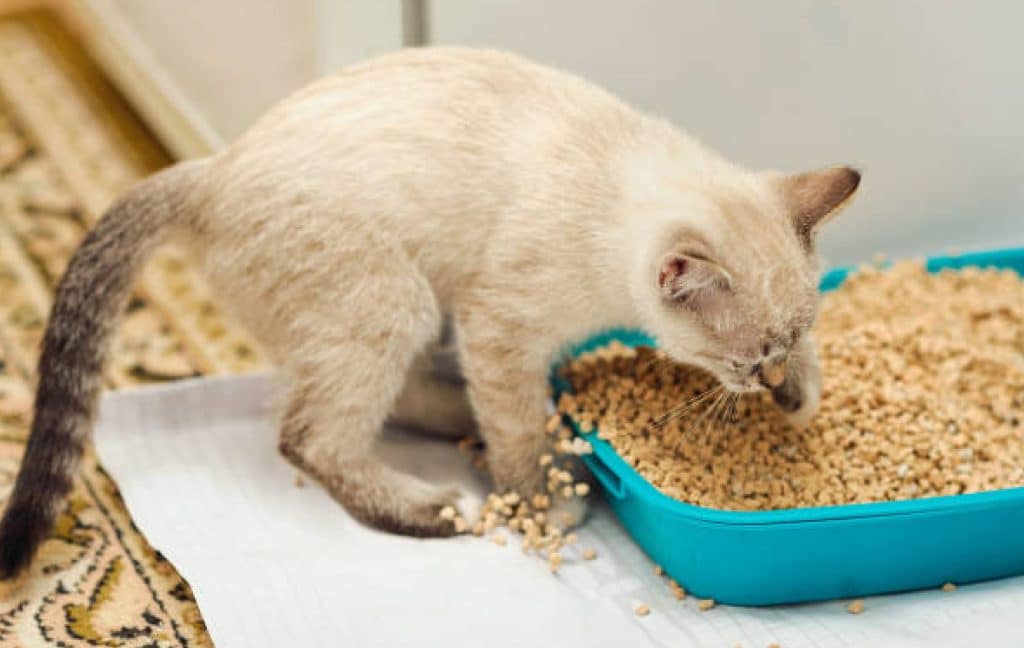
Litter training is an essential kitten care skill for pet owners. Most kittens naturally use a litter box by 4 weeks, but proper guidance ensures success. Here are key kitten care tips for effective litter training:
- Choose the Right Box: Select a low-sided, unscented litter box for easy access. Place it in a quiet, accessible location, away from food and water.
- Guide Your Kitten: Show your kitten the box after meals or naps. A kitten I trained learned quickly with gentle guidance, a kitten care success.
- Maintain Cleanliness: Scoop the litter box daily and clean it weekly with mild soap to keep it inviting.
- Troubleshoot Issues: If your kitten avoids the box or eliminates elsewhere, check for stress or health issues. A pet owner resolved their kitten’s accidents by adding a second box, a helpful kitten care tip.
- Monitor Behavior: Watch for signs like straining or frequent box visits, which may indicate health issues.
- Act Promptly: Consult a vet if you notice persistent problems to address potential health concerns.
- Learn More: Explore resources on litter training to deepen your understanding.
Consistent kitten care and daily litter box checks promote good habits and a clean, happy kitten. Start litter training today to set your kitten up for success.
Grooming for Kitten Comfort
Grooming is a vital kitten care task for pet owners, ensuring your kitten’s comfort and health. Regular grooming strengthens the bond with your kitten while keeping them clean and happy. Here are key kitten care tips for effective grooming:
- Brush Regularly: Brush short-haired kittens weekly and long-haired ones daily to prevent matting and hairballs. Use a soft brush to make the experience enjoyable. A kitten I groomed purred during brushing, a kitten care bonding moment.
- Ear Cleaning: Check ears for dirt and clean with a vet-approved solution, avoiding cotton swabs to prevent injury.
- Nail Trimming: Trim nails every 2–3 weeks with pet-safe clippers to reduce scratching. A pet owner’s kitten became calmer with regular grooming, a kitten care success.
- Start Slowly: Introduce grooming gradually to avoid overwhelming your kitten and reduce stress.
- Act Promptly: Consult a vet if you notice persistent skin or coat issues.
Regular kitten care and grooming promote a healthy, happy kitten. Check their coat weekly for signs of health issues and start a grooming routine today to enhance your kitten’s comfort.
The Risks of Feeding Eggs to Cats
Eggs can be healthy for cats, but they’re not risk-free. If fed incorrectly or too often, eggs may cause health problems rather than benefits. Here are the main risks backed by research:
- Raw egg risks: The CDC estimates that about 1 in every 20,000 eggs may contain Salmonella. While rare, infection can cause vomiting, diarrhoea, and lethargy in cats and can also spread to humans in the household.
- Biotin deficiency: Raw egg whites contain avidin, a protein that binds to biotin (vitamin B7). Over time, excessive consumption of raw eggs could interfere with skin health, coat quality, and energy metabolism.
- High fat content: A large egg yolk contains around 4.5 grams of fat and 55 calories. For indoor cats, that’s a significant extra load that can lead to obesity or even pancreatitis if fed too frequently.
- Digestive upset: Cats with sensitive stomachs may react to eggs with diarrhoea or vomiting, especially if portions are too large.
- Allergies (rare but possible): Though uncommon, cats can develop egg allergies, which may show up as skin irritation, itching, or gastrointestinal issues.
Preparing for Your Kitten’s Arrival
Welcoming a kitten is a heartwarming step, and preparing your home is key to great kitten care. Before they arrive, gather essentials: a litter box, kitten food, water bowls, and safe toys. Create a cozy, quiet spot with a soft bed. Stock vet-approved flea treatments and grooming tools, and kitten-proof your home by hiding wires and toxic items. Have a vet contact list ready and explore kitten preparation tips online.
A thoughtful kitten care preparation builds confidence for you and your new kitten. Set up their space today for a happy start.
Building a Bond with Your Kitten
Bonding is an important part of great kitten care, and it starts with quiet, daily moments, from gentle petting and soft talking to just sitting nearby. My kitten purred louder after our regular cuddle sessions. If your kitten hides, give them space. A pet owner I know gained their kitten’s trust by waiting patiently and letting them approach first. Playtime helps too. Try a feather wand or soft toy to spark a connection. Also, explore more bonding tips online to guide your routine.
Watch for trust signs like a relaxed posture, slow blinks, or a nap in your lap. Start bonding with your kitten today for warmer and more beautiful moments.
Conclusion
Your care shapes every meow, leap, and curious glance. A missed meal, chewed wire, or skipped vet visit can quickly affect their well-being. If something feels off, trust your instincts, observe their habits, take note of changes, and call your vet. Your love is their safety net, supporting your kitten’s health, nutrition, and comfort.
Take some time today to watch how your kitten plays, eats, and rests. If anything seems unusual, act early; it will make a difference. Share this guide with a fellow pet parent; this kitten care guide can brighten another kitten’s life. Let’s grow together in our pet care journey.