

Are you planning a trip with your furry friend? As a pet parent, you can make plans to take your dog on a countryside road trip or fly overseas with your cat. But pet travel requires more than just a leash and a suitcase. Without proper preparation and care, your trip can quickly move from being exciting to becoming overwhelming. This can lead to stress, sickness, and, in some cases, emergency vet visits.
According to the RSPCA and the American Veterinary Medical Association (AVMA), pet travel mishaps are on the rise due to poor planning and misinformation. From anxiety to accidents, your pet needs a calm, consistent environment to enjoy a safe and stress-free trip.
This guide offers proven, vet-approved strategies to ensure pet travel is not only safe but genuinely enjoyable for both you and your companion.
Start with a Vet Check Before Any Trip
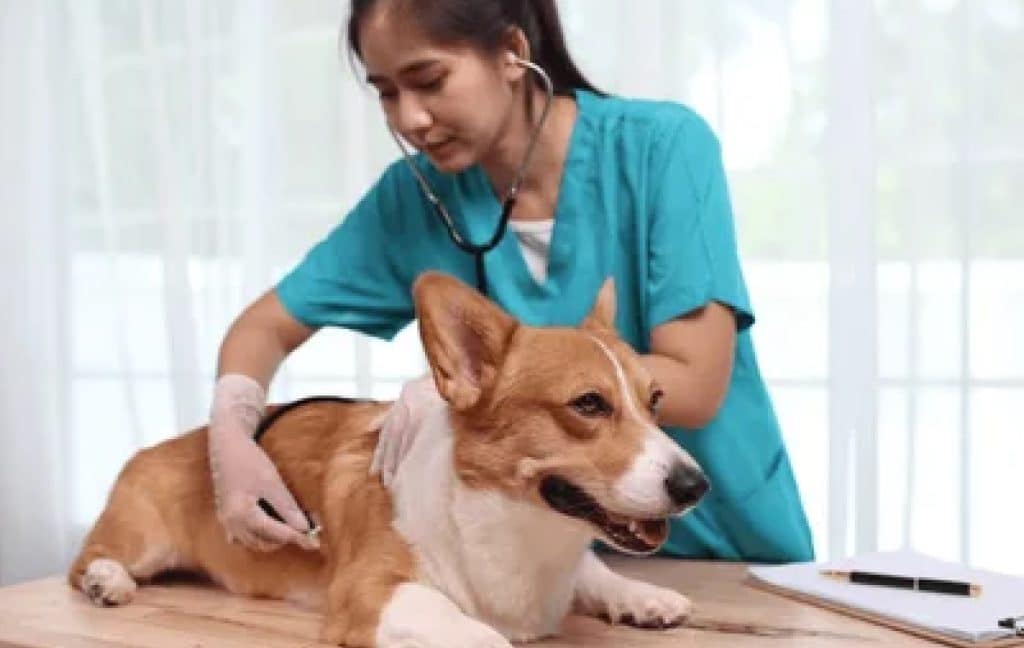
Before you pack a single treat for your pet’s trip, book an appointment with your vet. This is an important step in the pet travel process. A vet check makes your pet ready and happy for a fun trip.
Why it matters:
- Health Clearance: Ensure your pet is fit for travel and has a health clearance, especially if it is flying or crossing borders.
- Vaccinations: It is important to confirm up-to-date rabies and core vaccinations before taking a pet trip.
- Microchip: Check if your pet’s microchip is working and registered with your latest details. This electronic device ensures your pet can be identified if they get lost or need verification at borders.
- Travel certificate: Get a vet-issued health certificate for international or air travel, for verifying your pet’s health and vaccinations
Understand Your Destination’s Pet Travel Regulations
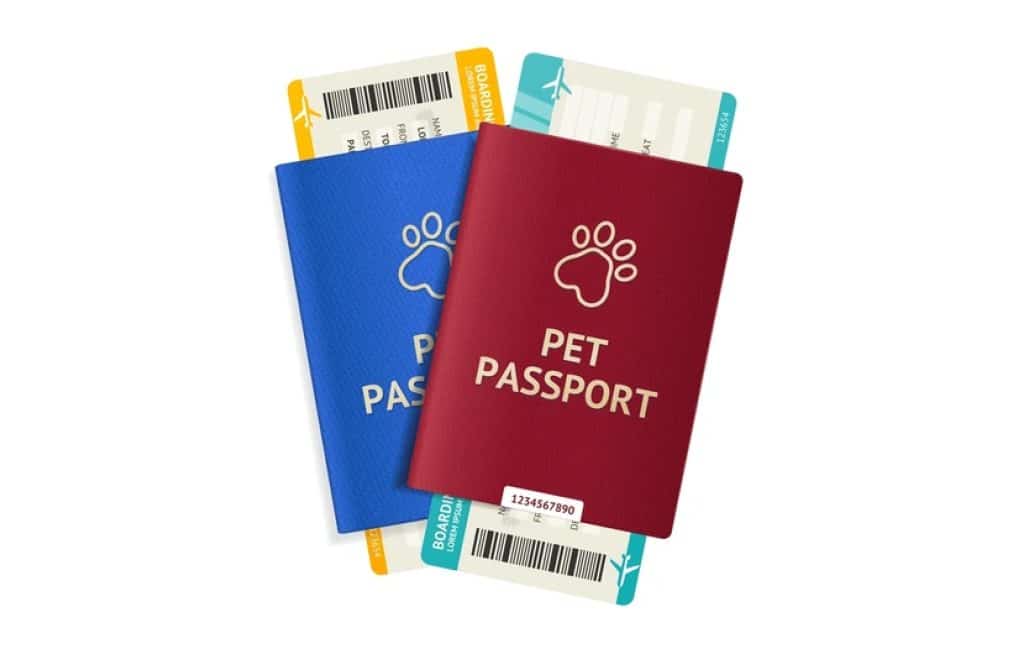
Travel rules vary by country and airline, with each country having its own unique pet travel regulations. Pet parents who fail to take note of their particular pet’s travel regulations often face expensive fines or, worse, denied boarding at the airport.
Key regulations to consider for your pet travel:
|
Location |
Pet Passport Needed? |
Quarantine Risk |
Additional Notes |
|
UK to EU |
Yes (Animal Health Certificate) |
Low |
Must be issued within 10 days of travel |
|
USA to UK |
No pet passport, but a rabies certificate is required |
Moderate |
Health certificate must be USDA-endorsed. |
|
Domestic (UK/US) |
No passport |
Low |
Airline/train pet policy still applies |
Choose the Right Travel Carrier or Restraint
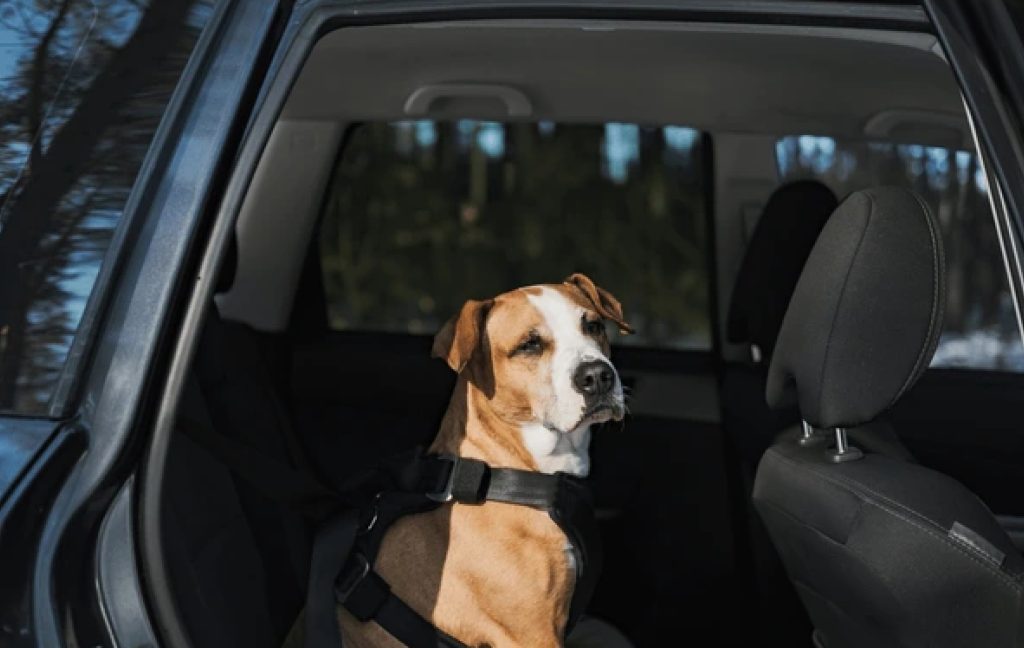
The right pet travel crate or restraint can make the difference between a smooth trip and a stressful ordeal. Many travel-related pet injuries stem from improper or missing restraints.
What to look for:
- Crates for air travel: It must comply with IATA regulations, ensuring a rigid structure, proper ventilation, and clear labelling for your pet’s safety and comfort.
- Car harnesses: Crash-tested car harnesses like Sleepypod or Kurgo ensure pet safety with sturdy, adjustable designs that secure to seat belts, preventing injuries during sudden stops.
- Train/bus carriers: Soft-sided, escape-proof carriers designed to fit under train or bus seats ensure your pet’s safety and comfort while meeting compact travel requirements.
Pack a Dedicated Pet Travel Bag
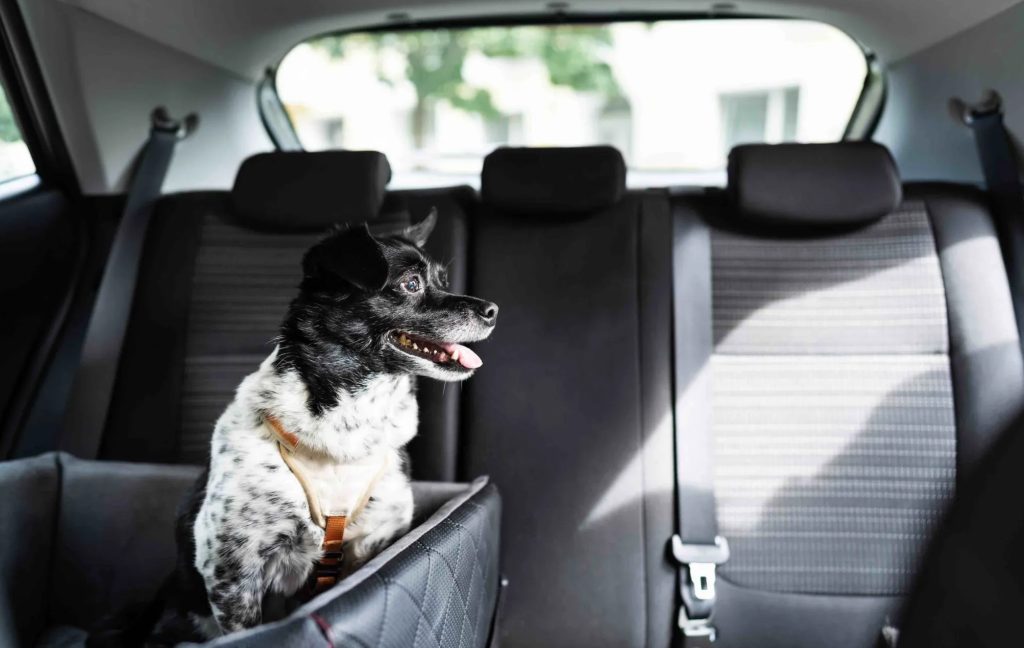
A well-packed pet travel bag keeps essentials organized and your pet comfortable, avoiding last-minute chaos.
Essentials to include:
- Collapsible water and food bowls
- 3–5 days of food and bottled water
- Travel litter tray (cats) or poop bags
- Medications and a pet first aid kit
- Calming spray (e.g., Feliway or Adaptil)
- Wipes and grooming tools
- Proof of vaccinations and microchip ID
Maintain Routine on the Road
Steady routines keep your pet calm and happy, mirroring home with consistent feeding, walks, and rest to ease travel stress.
Maintain:
- Feeding times within 1 hour
- Morning and evening walks
- Calming bedtime rituals
- Quiet breaks every 2–3 hours
- Long hikes may overwhelm small breeds or senior pets.
Calm a Stressed Pet During Travel

Spotting and soothing your pet’s travel anxiety early keeps them comfortable, preventing distress or motion sickness from stealing their joy.
Common stress signs include:
- Panting/meowing: This indicates anxiety or nausea
- Hiding/freezing: This indicates overstimulation
- Vomiting/drooling: This is a sign of motion sickness
- Scratching the carrier: Scratching its carrier can mean an escape attempt
- Loss of appetite: This can be a sign of stress
Calming techniques:
- Pheromone sprays or diffusers
- Vet-approved lavender-scented wipes
- Calming treats or supplements
- White noise or soft classical music
Plan Overnight Stays with Pets

Spotting and soothing your pet’s travel anxiety early keeps them comfortable, preventing distress or motion sickness from stealing their joy.
Check for:
- True pet-friendly policies (not just tolerant)
- Hidden fees or size/breed restrictions
- Secure outdoor areas for exercise.
Bring:
- Familiar blanket or bed
- Travel-safe food container
- Doorstop for room security
- Pet gate for unfamiliar spaces
Prepare for Air Travel with Pets
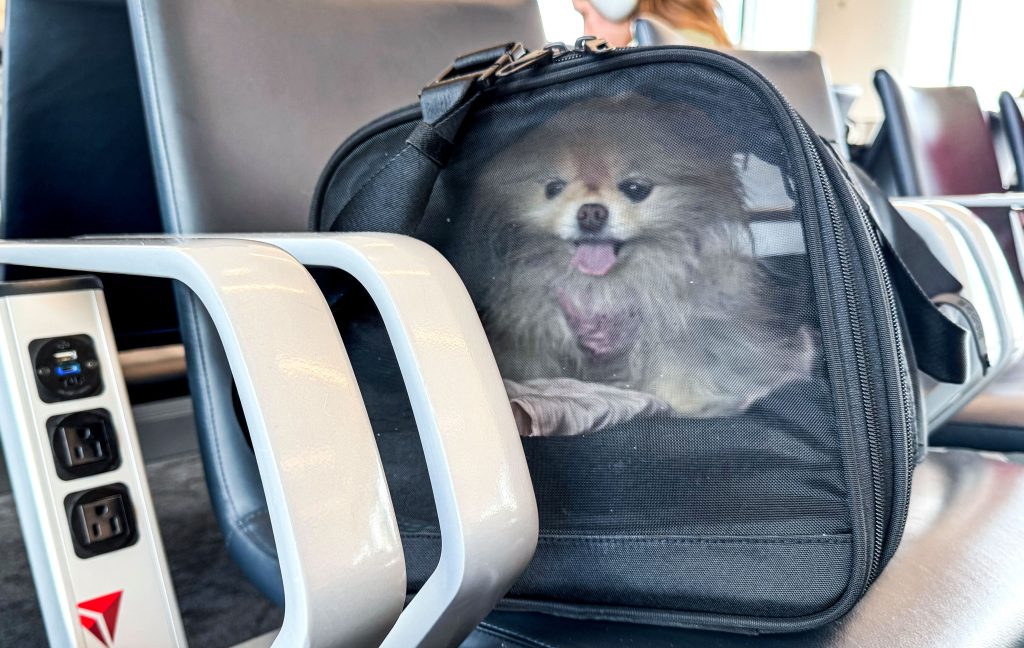
Researching airline policies and preparing early keeps your journey smooth, preventing last-minute stress or denied boarding from disrupting your plans.
Tips for flying:
- Choose direct flights to reduce stress
- Arrive 2–3 hours early for check-in
- Freeze water in a bowl for slow-melting hydration
- Attach feeding instructions and emergency contacts to the crate
Handle Pet Emergencies on the Road
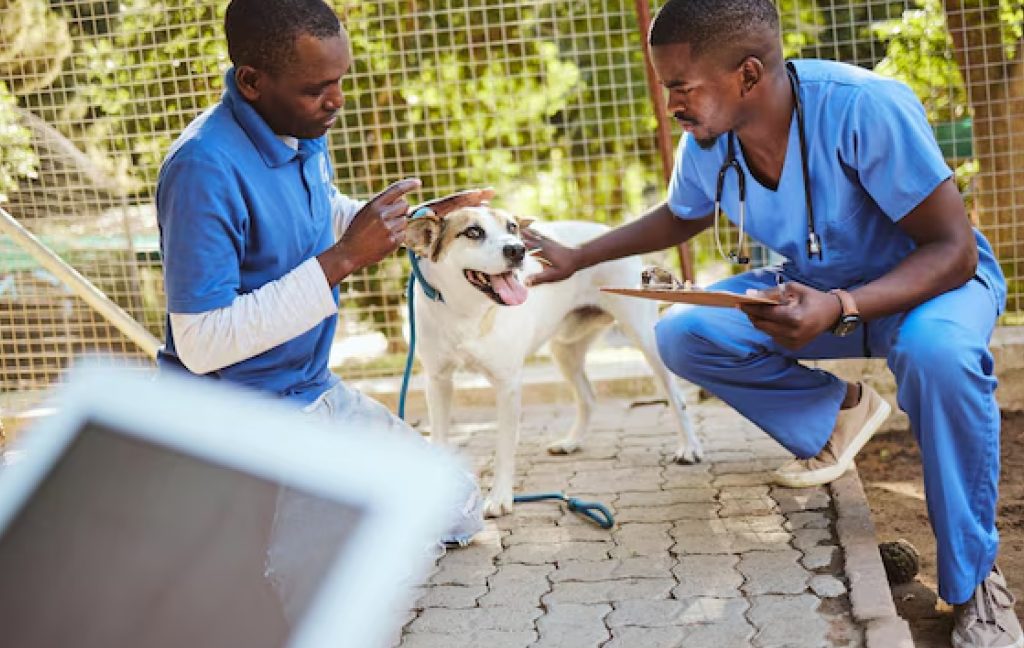
If you have a pet emergency while on the road, prioritize your pet’s safety and immediate care. Planning for emergencies like a lost or sick pet keeps you ready, preventing panic or helplessness from taking over when it matters most.
Lost pet plan:
- Update microchip details pre-trip
- Carry recent pet photos (printed/digital)
- Use GPS tracker collar or an AirTag
- Contact local shelters or community groups.
Sick pet protocol:
- Locate emergency vet clinics in advance
- Save contact info offline
- Pack vet-approved meds for motion sickness or an upset stomach
Help Your Pet Readjust Post-Trip

After a trip, pets might struggle with changes in behaviour, lethargy, and anxiety. They might exhibit signs of separation anxiety, have trouble adjusting to their routine, or even show signs of post-holiday blues like loss of appetite. Easing your pet back into routine gently keeps them grounded, preventing confusion or anxiety from lingering after the adventure ends.
Steps to readjust:
- Offer extra playtime and reassurance
- Monitor for symptoms like diarrhea or with
Train Your Pet for Travel
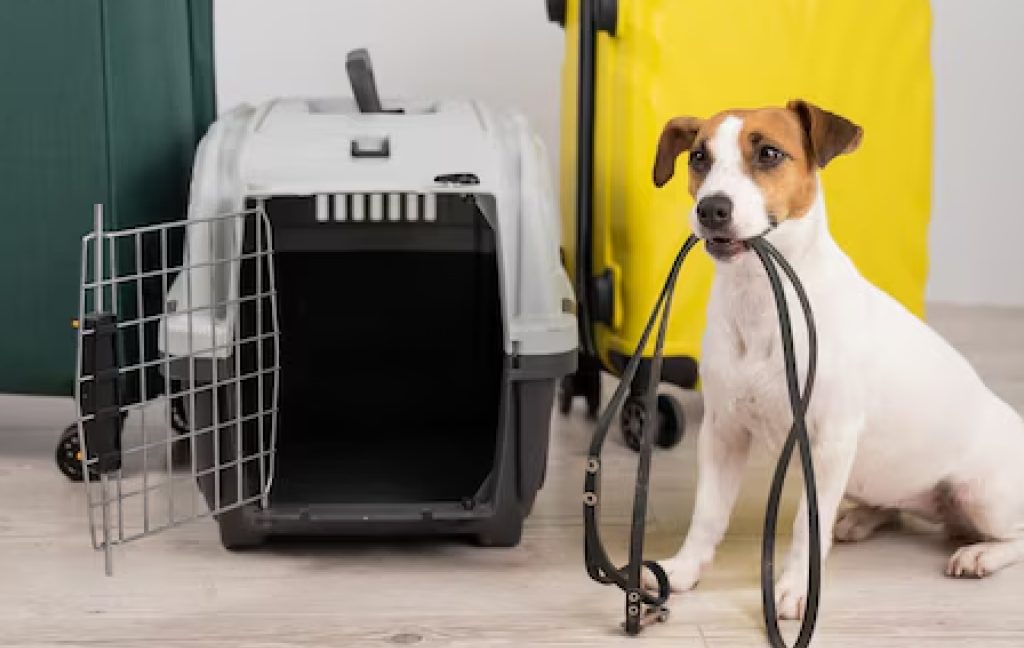
Introducing travel gear and new environments early keeps your pet at ease, preventing fear or resistance from turning travel into a struggle.
- Gradually introduce crates or harnesses at home.
- Practice short car rides to build tolerance.
- Simulate travel noises (e.g., plane sounds) for desensitization.
- Reward calm behaviour with treats to reinforce positive associations.
Plan Pet-Friendly Activities
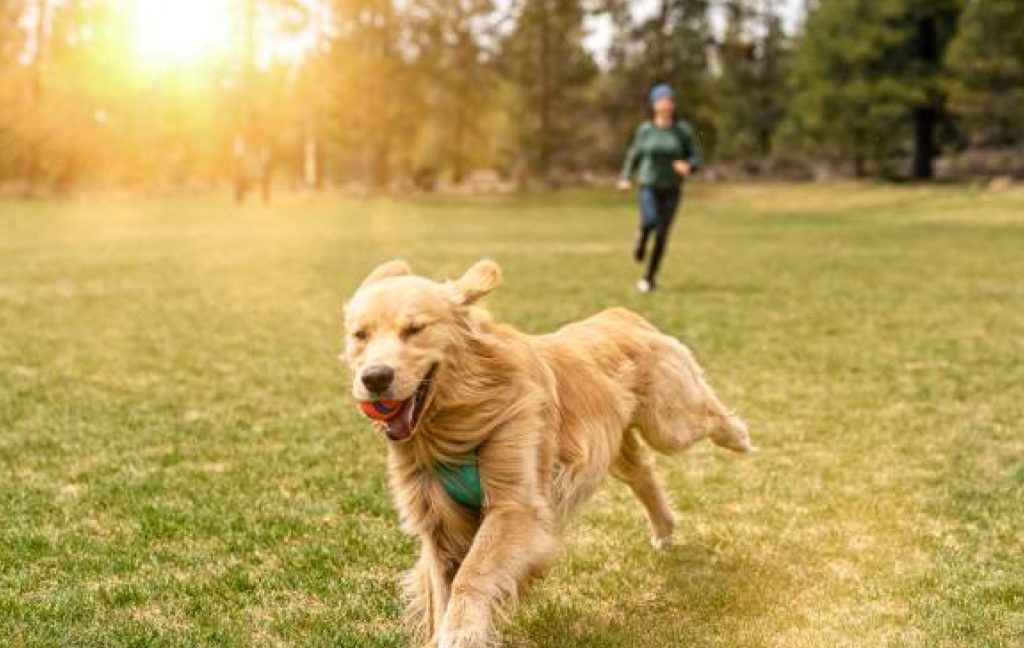
Picking activities that match your pet’s energy and needs keeps them happy, preventing boredom or overstimulation from spoiling the fun.
- Research pet-friendly parks, beaches, or cafes at your destination.
- Avoid crowded or loud places that may overwhelm pets.
- Plan rest stops with shade and water for road trips.
- Keep activities short for puppies, seniors, or anxious pets.
Stay Hydrated and Fed on the Go
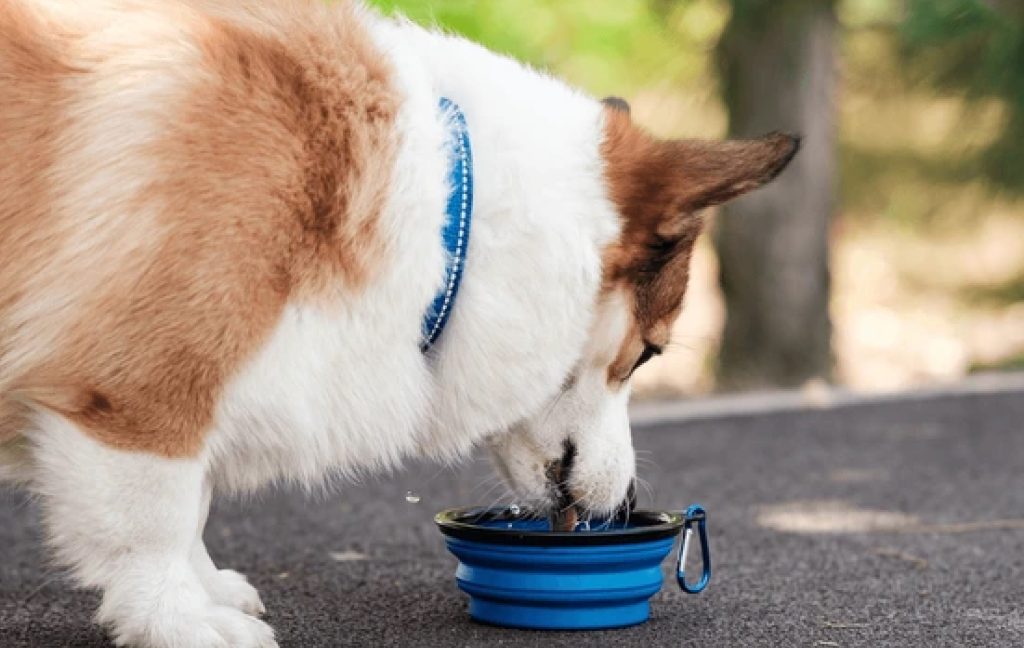
Keeping your pet well-fed and hydrated during travel keeps their energy up, preventing fatigue or illness from slowing down your journey.
- Offer water every 2–3 hours, especially in hot weather.
- Stick to their usual diet to avoid digestive issues.
- Use spill-proof bowls for feeding.
- Carry portable water bottles with built-in dispensers for convenience.
Ensure Pet Identification and Safety
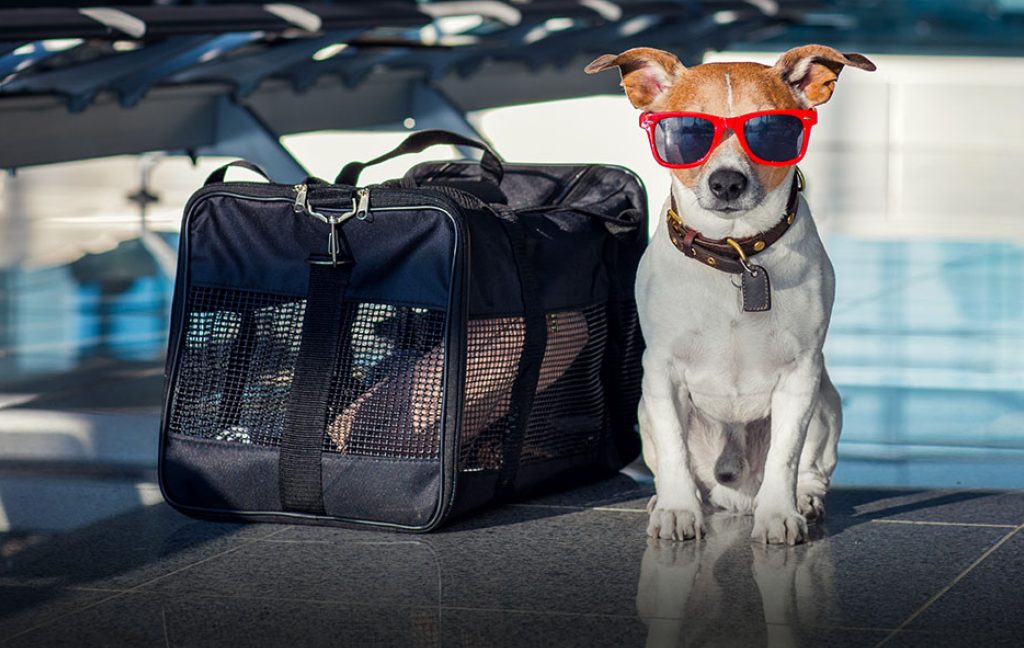
Securing clear ID and safety measures keeps your pet protected, preventing separation or loss from turning travel into a crisis.
- Attach a sturdy ID tag with your contact info to their collar.
- Use a GPS tracker or AirTag for real-time location tracking.
- Include a temporary travel tag with destination contact details.
- Ensure crates are labelled with your pet’s name and your phone number.
Prioritizing Pet Comfort During Long-Haul Travel
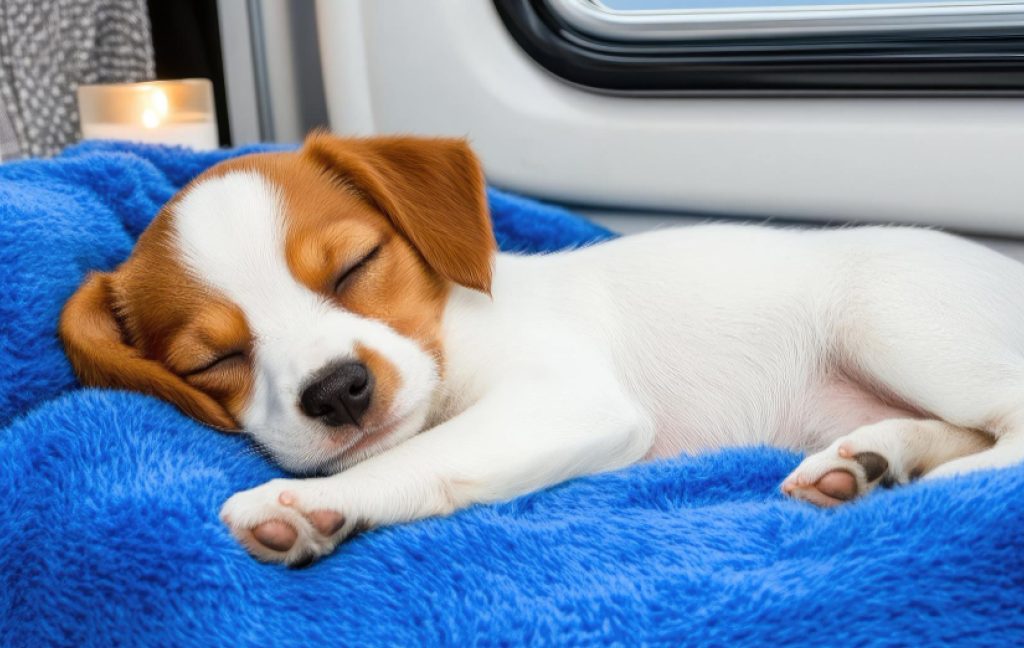
Long journeys can be overwhelming for your pet, so wrapping them in comfort is like bringing a piece of home along for the ride. A carrier lined with soft, orthopaedic bedding becomes a cozy haven, especially for older pets or those with achy joints, helping them feel secure no matter how far you travel. Tucking in a favourite toy or chew item keeps their spirits high, easing boredom without overwhelming them. If your trip includes layovers, finding moments for a quick stretch or bathroom break, where facilities allow, is like giving your pet a chance to breathe and reset. Also, keeping the carrier’s temperature just right by avoiding overheating or chills with proper ventilation or a snuggly blanket shows your pet they’re loved and cared for, mile after mile.
Conclusion
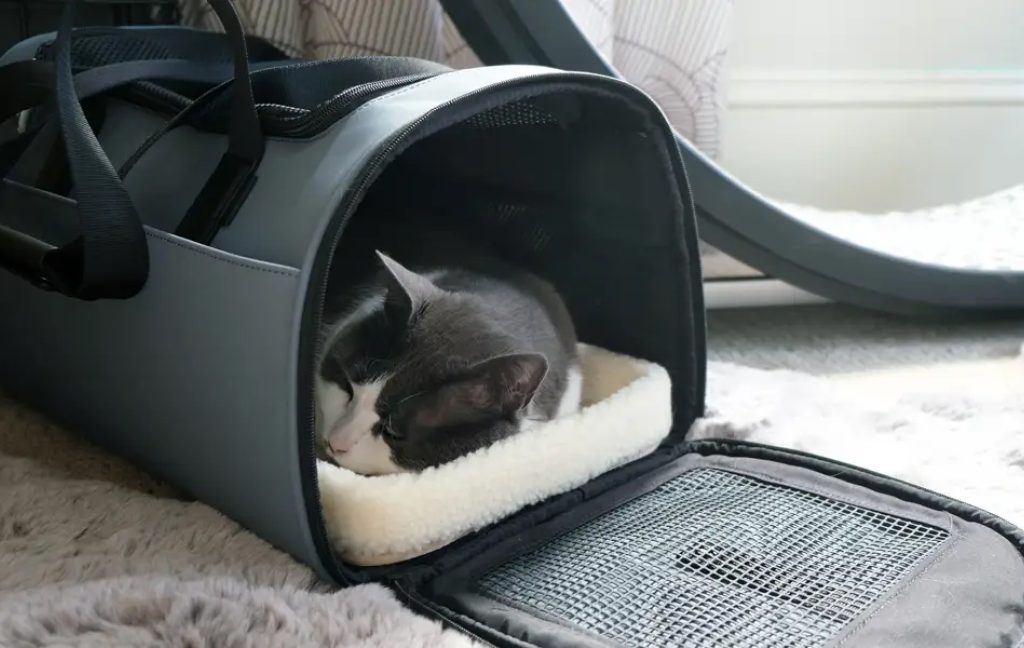
Your pet might not say it out loud, but they feel every bump, pause, and change along the journey. A little extra care, a comfy carrier, familiar scents, and quiet reassurance can turn pet travel from stressful to soothing. Don’t just pack for the trip; prepare with love. Watch their cues, comfort them when they seem unsure, and let your presence be their peace.
Travel is not just a trip; it is a shared experience. So wherever you go, go together with gentleness and trust.
Do you know any pet parents planning a trip with their pet? Share this guide with them; it could turn another pet’s anxiety into ease.