

Pregnancy in rabbits may seem straightforward, but it’s a delicate journey filled with unique signs, stages, and care needs. From the moment breeding begins to the arrival of tiny kits, understanding the process helps you provide a safe and healthy environment for your doe (female rabbit).
This guide walks you through breeding age, pregnancy signs, care, labour, the benefits of neutering and even mistakes to avoid when taking care of your rabbit.
What Age Can Rabbits Breed?
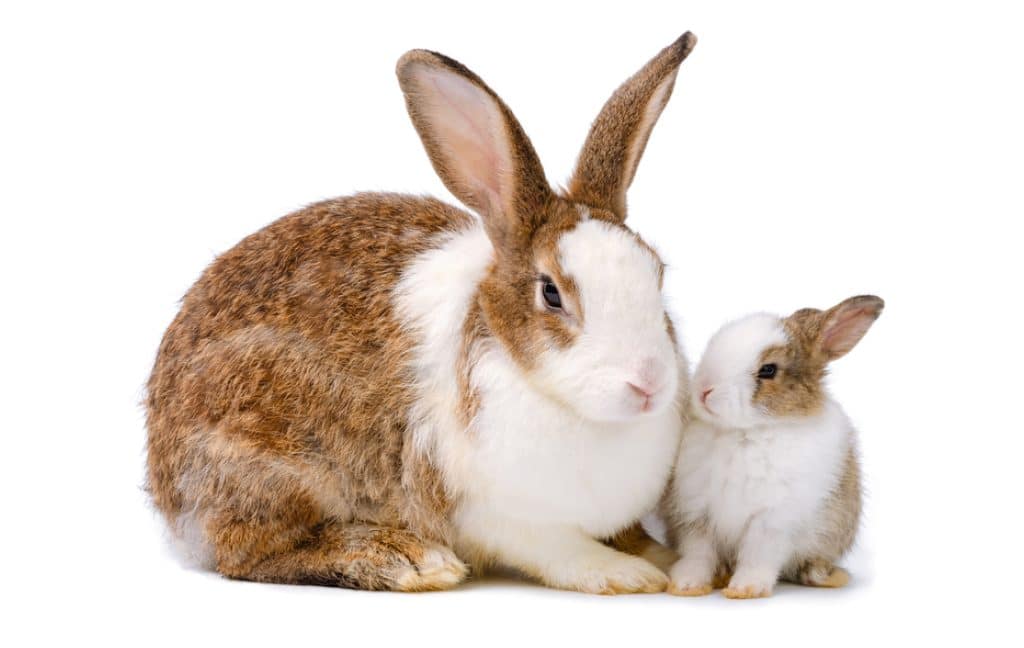
Rabbits grow up faster than most new owners expect. Small breeds usually reach sexual maturity around 4–5 months old, medium breeds at 5–7 months, and large or giant breeds often not until 6–9 months. Technically, they can reproduce as soon as they mature, but that doesn’t mean it’s safe.
Breeding too early puts enormous strain on a young doe’s body. Studies show that when does are bred too young, their litters face much higher risks. A comprehensive research by El-Raffa shows that of over 2,200 kits, more than 77% did not survive to weaning, with most deaths linked to problems like poor milk supply or the doe’s inexperience. Another research found that even adding just one extra kit to a litter could lower survival chances by 5–9%, especially when the mother wasn’t fully developed.
This is why veterinarians and rabbit experts recommend waiting until a doe is at least 5–6 months old for small and medium breeds and closer to 7 months or more for larger breeds. Providing rabbits with this extra time allows their bodies to complete their growth cycle, ensures healthier pregnancies, and gives baby rabbits the best chance to thrive.
Signs of Pregnancy in Rabbits
Pregnancy in rabbits is not always obvious at first. Many signs are subtle, and because false pregnancies are common, it can be easy to think that the symptoms are pointing towards a real pregnancy. However, here are a few clues that may suggest your doe is expecting:
- Changes in behaviour: Changes in hormones can come with mood swings. A gentle rabbit may suddenly become territorial, moody, or more protective of her space. Some does will prefer solitude or show less interest in playing.
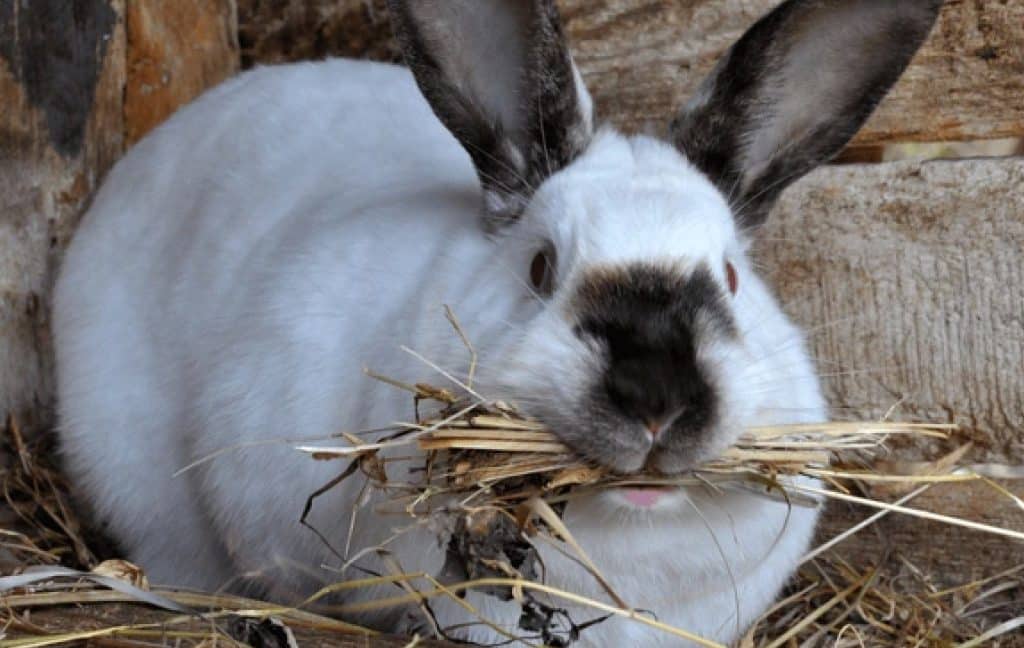
- Nesting instincts: About a week or more after mating, a pregnant rabbit may start gathering hay, straw, or bedding and even pull fur from her chest to line a nest. This instinctive behaviour is one of the clearest signs that her body is preparing for the arrival of her kits.
- Physical changes: Around 10–12 days after mating, an experienced handler or vet may be able to feel tiny marble-like lumps in her abdomen gently, which are the developing kits. As the pregnancy progresses, her belly may appear rounder, and her nipples may become enlarged and slightly swollen.
- Increased appetite: A pregnant doe often eats more hay and pellets than usual and drinks more water as well.
Rabbits are prone to false pregnancies, and hormonal changes may look like the signs without actual kits; the only reliable way to confirm is through a veterinary examination, often with palpation or ultrasound.
Pregnancy Stages in Rabbits
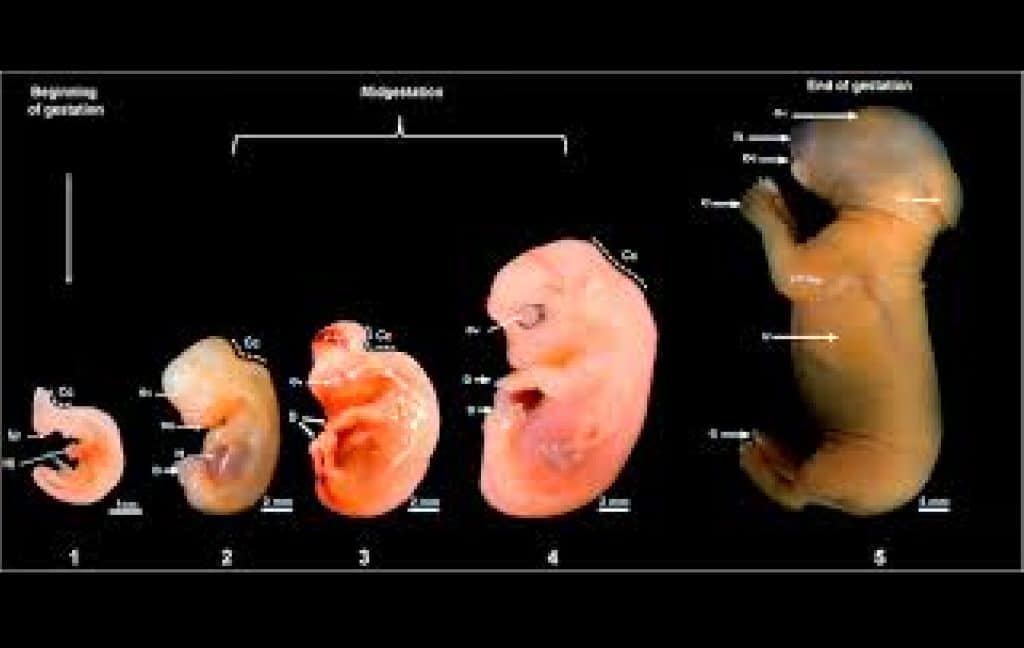
Rabbits have one of the shortest gestation periods among mammals, lasting only about 28 to 32 days. In just a month, an incredible transformation takes place inside the doe (female rabbit), leading to the birth of a new litter
- Week 1 – The Beginning
Fertilization occurs quickly after mating, and the embryos begin to develop at a rapid pace. The doe’s body is already working hard to support new life, even when the outward signs are not visible yet.
- Week 2 – Early Growth
Around this time, gentle palpation by an experienced hand can reveal the tiny developing kits inside her womb. They’re still fragile, but they are now physically detectable. - Week 3 – Preparing the Mind and Space
Hormonal changes set in, and the doe begins to show protective instincts. Nesting behaviours such as gathering hay, straw, or bedding start to appear. She’s instinctively preparing a safe and warm environment for her young. - Week 4 – The Final Countdown
In the last week, the doe starts plucking fur from her chest to line the nest. This is her way of creating insulation and comfort for the kits she’s about to deliver. Labour is just days away, and the entire process has unfolded in a surprisingly short span of time.
What makes rabbit pregnancy so fascinating is not just its speed but also how instinct-driven the doe is throughout each stage of her pregnancy. In a few weeks, she moves from conception to careful preparation for her litter, showcasing just how remarkable and beautiful nature can be.
How to Care for a Pregnant Rabbit
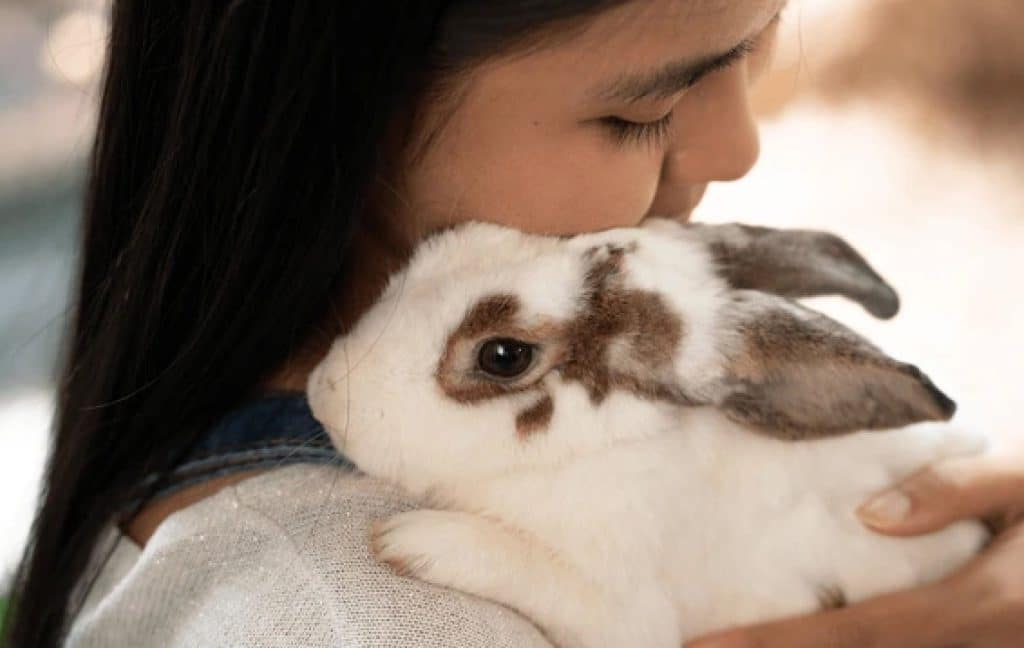
Caring for a pregnant rabbit is about balancing her instincts with the support she needs from you. Pregnancy lasts only about 31 days, so every stage matters. Here’s how to help your doe feel safe, comfortable, and ready for motherhood:
- Provide a Quiet, Stress-Free Space
Pregnant does are more sensitive to stress. Keep her enclosure in a calm, draft-free area away from loud noises, other pets, or unnecessary handling. Stress can interfere with nesting and even complicate labour.
- Offer a Nesting Box
Around the third week of pregnancy, place a nesting box inside her hutch. Fill it with soft hay or straw so she can prepare a warm, secure nest. Most does will instinctively pull fur from their chest to line the box as kindling approaches.
- Feed a Nutritious Diet
Pregnancy requires extra energy. Continue offering unlimited hay as the base of her diet, along with high-quality pellets and fresh greens. Some does eat noticeably more during pregnancy and while nursing, so be prepared to increase food gradually. Make sure she always has fresh water. Here is a guide to choosing the best hay for your rabbit which ensures that they get all the nutritional values that they need.
- Limit Handling
While gentle contact is fine early in pregnancy, avoid picking up or pressing on her abdomen as the kindling approaches. Excessive handling can cause stress and even risk injury to developing kits.
- Watch for Signs of Labor
As her due date nears, you may notice restlessness, increased time spent in the nest box, or fur-pulling. Labour is usually quick, often happening at night, and most does give birth without help.
- Post-Birth Support
After kindling, resist the urge to hover. Rabbit mothers nurse discreetly only once or twice a day, usually at night, and that’s perfectly normal. Simply check the nest daily to ensure the kits are warm and alive, but avoid too much disturbance.
- Keep a Vet on Call
Complications are rare but possible. If your doe seems distressed, has prolonged labour, or neglects her litter, reach out to a rabbit-savvy veterinarian right away.
A relaxed, stress-free environment encourages a smooth pregnancy and prepares the doe to welcome her litter with confidence. With gentle care and support, she can raise her kits in safety and comfort.
Feeding a Pregnant Rabbit
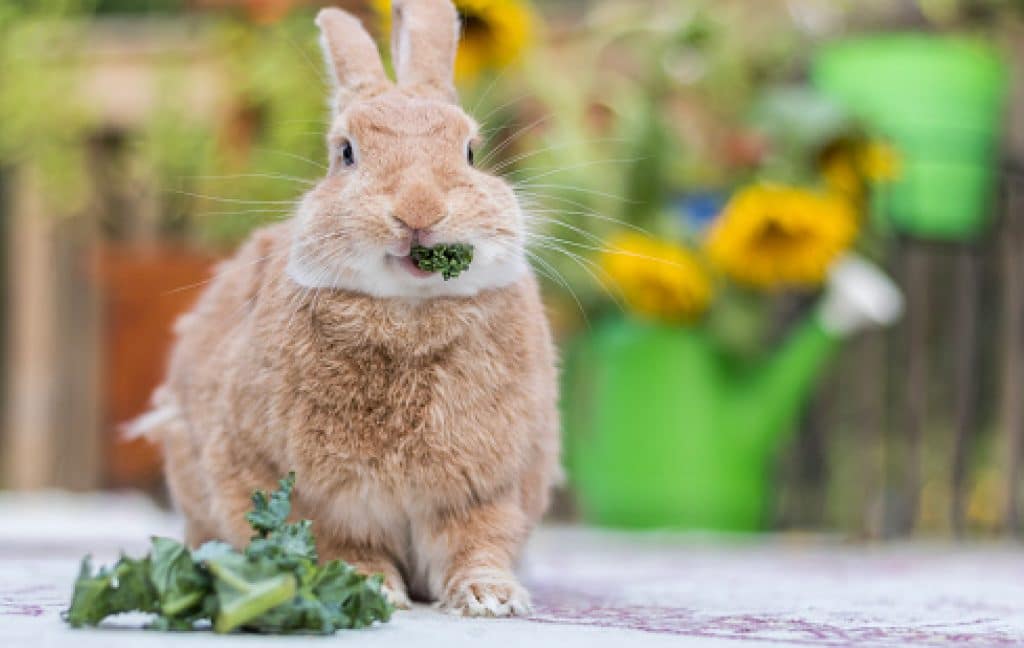
A pregnant rabbit’s diet is the foundation of her health and the well-being of the tiny kits developing inside her. During this short but demanding month-long journey, what she eats can make the difference between a smooth pregnancy and one filled with challenges. Here’s how to keep her nourished and supported:
- Unlimited Hay
Hay should always be the heart of her diet. Timothy hay is a great choice for most adult rabbits, as it provides the high fibre needed for healthy digestion. Younger does or certain breeds with higher energy needs may also benefit from alfalfa hay, which is richer in protein and calcium. Keeping hay available at all times helps prevent digestive issues and keeps her teeth in good shape.
- High-Quality Pellets
Pregnancy and nursing require more energy than normal, so choose nutrient-dense pellets with higher protein content. These pellets supply the extra fuel her body needs to support both her own health and the growth of her kits.
- Fresh Leafy Greens
Adding safe greens like romaine, kale, parsley, or dandelion leaves brings valuable vitamins, minerals, and hydration to her meals. Offer them in moderate portions so her diet stays balanced. A little daily variety also makes mealtime more enriching.
- Plenty of Fresh Water
Pregnant and nursing does drink noticeably more than usual. Always keep her water bowl or bottle clean, full, and within easy reach. Hydration is crucial for milk production and her overall well-being.
- Avoid Stressful Changes
Consistency matters. Skip sugary treats, processed snacks, or sudden diet changes that could upset her sensitive digestive system. A steady, balanced diet keeps her calm and helps her body focus on nurturing her litter.
Feeding with care and consistency not only strengthens the mother but also lays the foundation for healthy, thriving kits. Every handful of hay and every sip of water is an investment in the new lives she’s about to bring into the world.
Signs your Rabbit is Healthy and Eating right
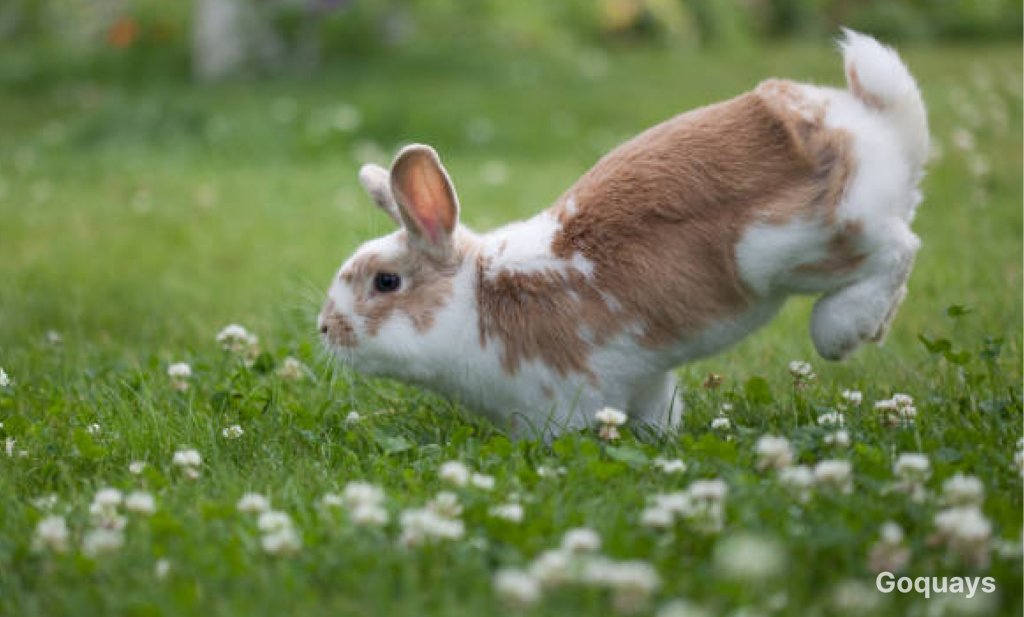
A healthy bunny is a happy bunny and the easiest way to ascertain that your rabbit is enjoying their lives is to pay attention to their behavior, appearance, and droppings. Rabbits are known to hide symptoms of disease, so identifying early signs of illnesses is crucial
Droppings: believe it or not, rabbit dropping tells the owner a lot about the health and state of the digestive system. The dropping of a healthy rabbit should be round, dry rather than mushy and consistent in size. Droppings that are small, different from the usual shape, or too soft may be an indication that your rabbit is not consuming enough hay or is having digestive issues.
A healthy Appetite for Hay: If your rabbit dives into their hay pile with vigour and grazes repeatedly throughout the day, that’s a good sign. Hay should be nibbled practically continuously by bunnies in order to keep their digestive tracts active and their teeth suitably worn down.
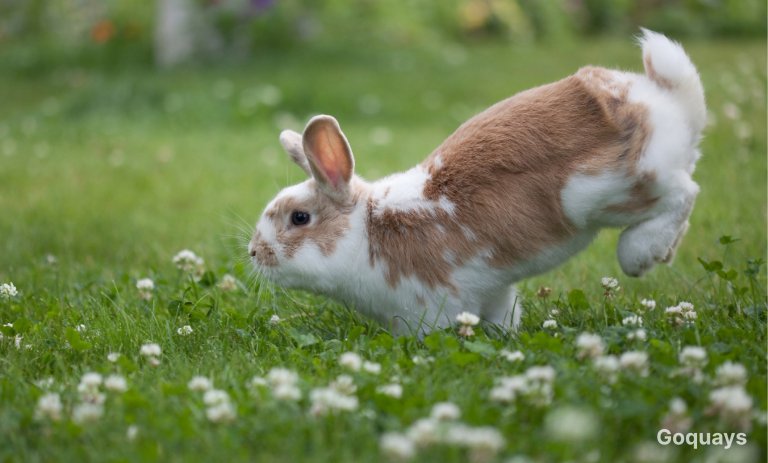
Energetic and Adventurous: Happy, well-fed rabbits tend to be curious, energetic, and alert. A healthy rabbit will typically hop around freely, whether they are darting around the room or cautiously exploring new areas. Leaping and hopping enthusiastically and exhibiting a healthy curiosity about people, toys, or treats
Healthy Teeth and Chewing Constantly: Rabbit teeth are constantly growing, and they can be worn down by chewing on hay and soft chew toys. Regular vet checks and hay consumption are essential since overgrown teeth can cause discomfort and feeding issues.
Smooth, Shiny Fur and Clear Eyes: Positive signs include a clean nose, bright eyes, and shiny fur. Rabbits in good health also routinely groom themselves. Signs of dandruff, crusty eyes, or bald areas could indicate dietary deficits or underlying medical conditions.
Adequate Hydration: A healthy rabbit is one that drinks enough water. Ensure that your rabbit is:
- Regularly drinking from their bowl or water bottle
- Urinating light-colored, non-concentrated urine; and
- Pooping and urinating in their designated spot (if litter trained).
When to be Worried
You should be concerned and consult your vet immediately if you notice any of the following:
- An abrupt refusal to eat or drink
- Very little or no droppings
- Sluggishness or hiding from you
- Grinding teeth (a sign of pain)
- A bloated belly or unusual posture.
Prompt action can significantly improve your rabbit’s comfort and recovery.
How Many Babies Can Rabbits Have?
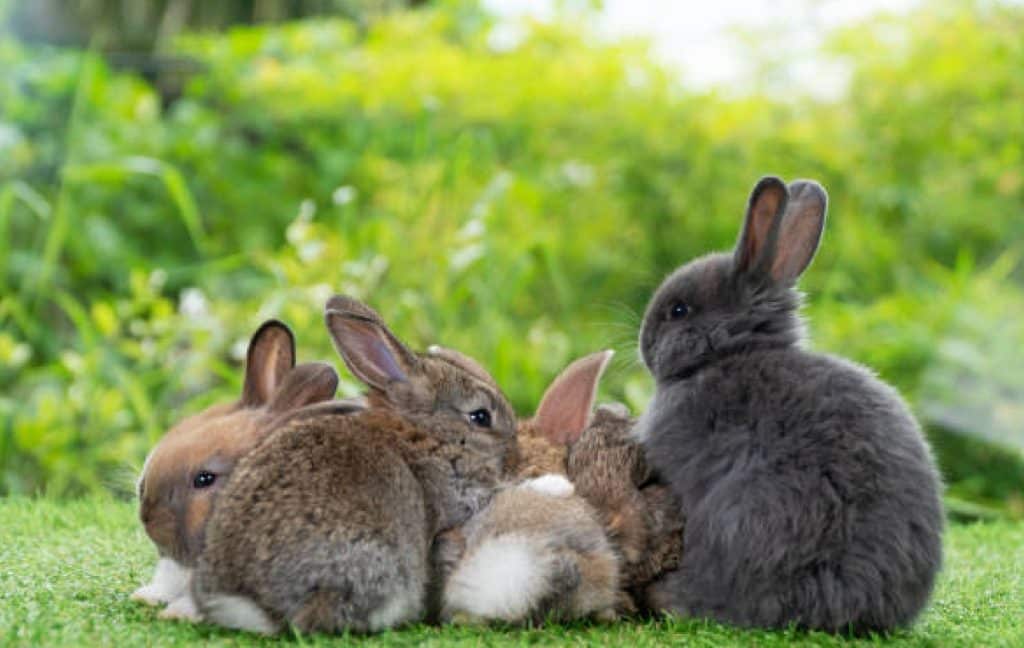
Rabbits are well known for their fertility, and with good reason. A single litter can include anywhere from 4 to 12 kits, with an average of 6 kits. Larger breeds have bigger litters, while smaller breeds have fewer babies.
What makes sets rabbits apart is the speed of their reproductive cycle. A doe can become pregnant again within 24 hours of giving birth, which means a single pair of rabbits could, in theory, produce dozens of babies in just one year. Without careful management, this cycle quickly leads to overpopulation, strain on the mother, and weakened litters. Responsible breeding practices and neutering are key to protecting both the doe’s health and the well-being of her young kit.
How to Know When My Rabbit Is in Labour
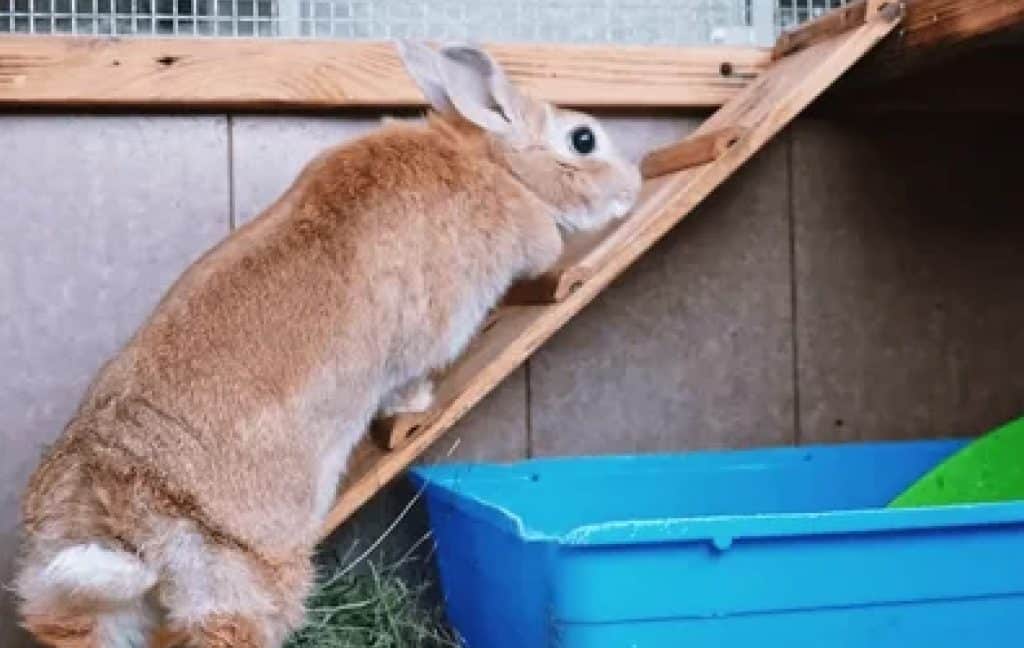
When it comes to a healthy rabbit diet, hay is actually the centre of everything. It keeps their digestion going, their teeth in order, and their little bunny hearts content. Making hay a major component of their daily diet is one of the best decisions you can make, regardless of your level of experience with bunnies.
Not only are you providing your rabbit with food, but you’re also laying the foundation for a longer, healthier life by knowing what a good rabbit diet looks like, making adjustments gradually, and coming up with inventive ways to keep hay interesting and fresh.
False Rabbit Pregnancy
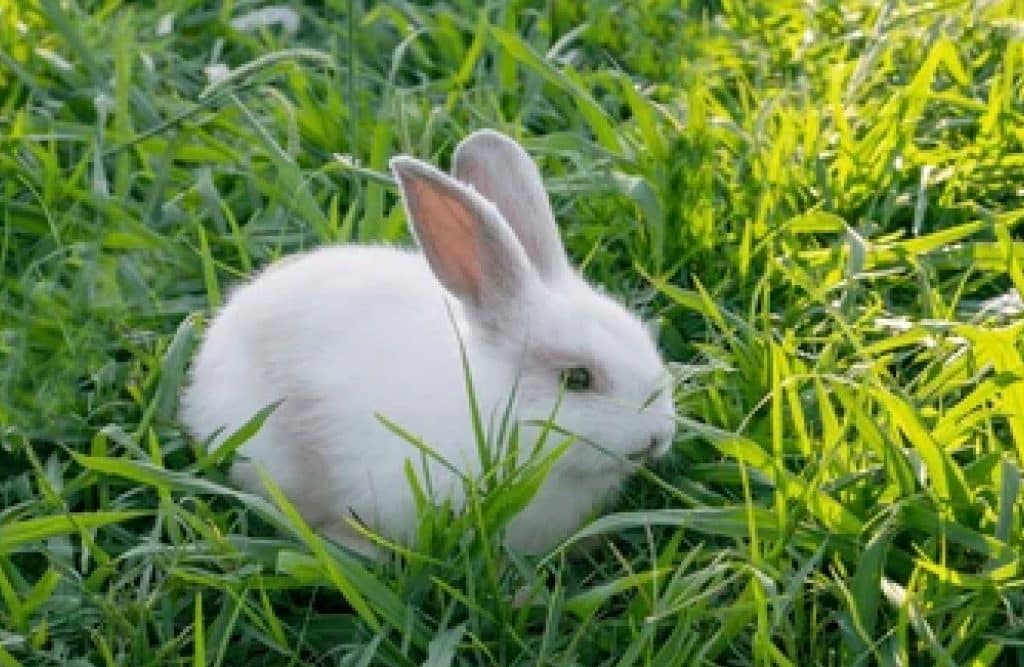
False pregnancies are surprisingly common in does and can look very convincing. A rabbit may carefully build a nest, pull fur, and even show subtle physical changes that look like a real pregnancy. Yet, there are no kits.
This happens when a doe ovulates without actual fertilization, often after mounting or hormonal fluctuations. The condition usually lasts 16–18 days before it resolves on its own. While it is physically harmless, it can leave the doe stressed and unsettled. Giving her calm, consistent care and a stable environment is the best way to help her through this temporary phase.
Tips and Preparation for Rabbit Birth
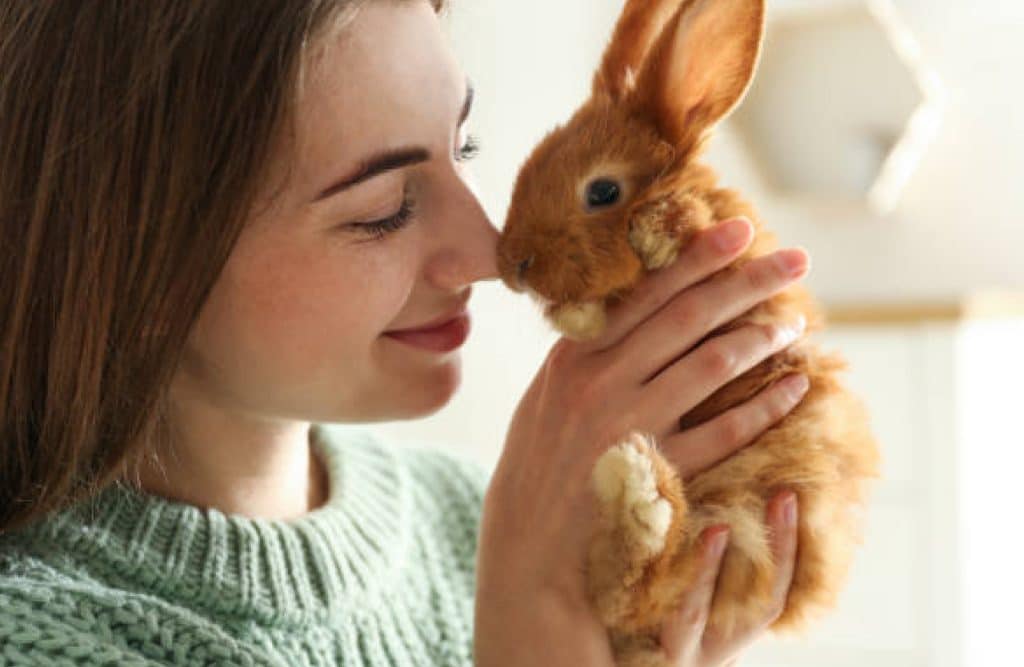
A little preparation can make the difference between a stressful experience and a smooth, natural birth for your rabbit. Before your doe’s due date:
- Set up a nesting box filled with soft hay or straw inside her hutch, giving her a safe place to prepare.
- Keep her surroundings warm, quiet, and free from drafts; a calm environment lowers stress.
- Have your vet’s contact information close by in case any complications arise.
- After kindling, resist the urge to disturb the nest. Does nurse only once or twice a day, often at night. The brief visits are perfectly normal.
These thoughtful steps not only ease the doe’s experience but also give her kits the strongest and warmest start in life.
Benefits of Neutering
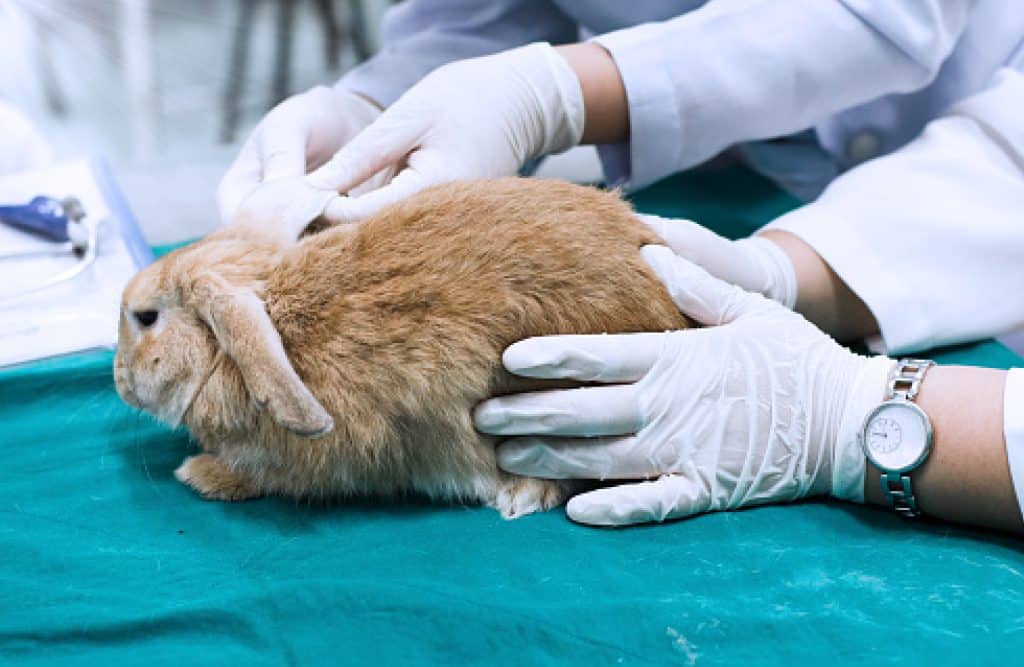
Rabbit pregnancy can be fascinating, but breeding also brings responsibilities that not every pet owner is prepared for. Neutering means spaying females and castrating males. This is one of the most compassionate choices you can make if you don’t plan to breed. Some benefits of neutering are:
- It prevents accidental litters and helps control the risk of overpopulation.
- Spaying significantly reduces the risk of uterine cancer in does, a common and deadly condition in unspayed females.
- It can also reduce aggression, spraying, and territorial behaviour, making rabbits calmer companions.
- Neutered rabbits often enjoy longer, healthier lives with more stable temperaments.
For pet owners, neutering is not just a preventive measure; it is also a way to ensure a happier, healthier bond with your rabbit.
Conclusion
Pregnancy in rabbits may be short, but it’s filled with delicate transitions, from subtle signs and nesting behaviour to the quiet miracle of kindling. By preparing her space, respecting her instincts, and seeking veterinary guidance when needed, you can support your doe through every stage of this journey.
For pet parents keeping rabbits purely as companions, neutering provides lifelong benefits, preventing unwanted litters while promoting health and peace of mind.
In both cases, if you are caring for a pregnant doe or choosing to spay and neuter, always keep in mind that you’re part of the delicate grooming of your rabbit; welcoming new life, and always ensuring the well-being of the rabbit you love.