


Leaving your dog behind when you head to work or travel can tug at your heart. You wonder if they’ll be lonely, bored, or even anxious while you’re away. That’s where doggy day care steps in, not just as a convenience, but as a lifeline for both you and your furry companion.
Doggy day care has grown rapidly in recent years, with the UK pet care market valued at over £7 billion in 2024, according to Statista. More dog parents are turning to these services to meet their pets’ social and emotional needs while managing their busy schedules. And it’s not hard to see why. “Dogs are social animals, they thrive on interaction,” says Dr. Emma Brooks, a veterinary behaviourist. “Day care can offer a safe space for play, structure, and companionship.”
But even with its popularity, choosing the right day care can feel overwhelming. Not every setting suits every dog. Some pups are social butterflies who love the energy, while others prefer quiet snuggles and familiar faces.
This guide will walk you through everything you need to know, from what doggy day care really offers, to how to decide if it’s right for your dog. You will also learn what a typical day looks like, and how to find the best match. Whether your dog is a bouncy Labrador or a shy rescue, you’ll feel more confident knowing you’ve made the right choice for their well-being.
Because when your dog is happy, so are you.
What Is Doggy Day Care?

Doggy day care is a supervised facility where dogs spend time during the day while their owners are at work, running errands, or simply need a break. Think of it as a nursery for dogs, but with tail wags, belly rubs, and lots of play. It offers a structured environment where your dog can socialise, exercise, rest, and stay mentally stimulated, all under the watchful eye of trained carers.
Most doggy day cares divide the day into different activities to suit each dog’s needs. Your dog might start the day with a group walk or play session, followed by quiet time to relax and nap. There are usually designated feeding times, and some centres even offer enrichment games like puzzles or scent work to keep dogs sharp and engaged.
What makes doggy day care so popular is the peace of mind it gives you. You know your dog isn’t home alone chewing furniture or feeling anxious. Instead, they’re playing, learning, and making new friends in a safe and loving environment. Many facilities even share daily photo updates so you can see your dog having a blast while you’re away.
For dogs with high energy or dealing with separation anxiety, day care can be a game-changer. It helps prevent boredom-related behaviour problems and builds confidence through regular social interaction. A happy, tired dog at the end of the day isn’t just content, it’s proof that they’ve had a fulfilling time.
In a world where our schedules are packed and dogs are part of the family, doggy day care offers balance. It supports your lifestyle while giving your dog the stimulation, love, and structure they crave.
Is Doggy Day Care Right for Your Dog?
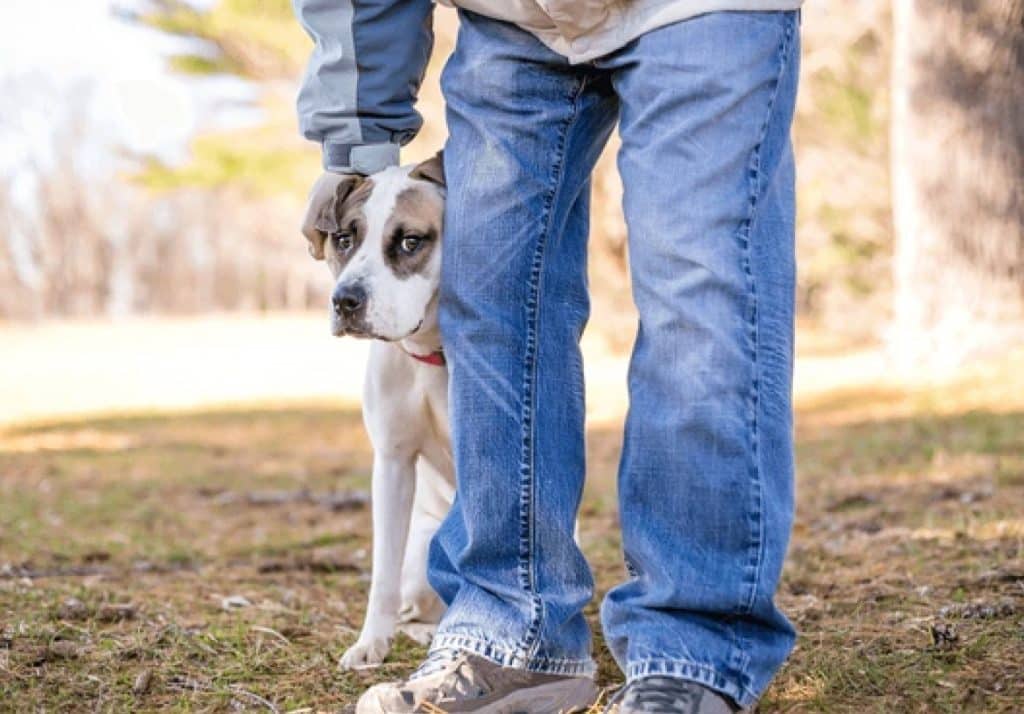
A good dog walker does more than just walk. You respect people, pets, and the environment around you. Here’s how to stay professional and responsible.
- Stay Informed and Trained
Take a short dog behaviour or pet first aid course. Understanding how dogs think and respond can make a huge difference. It builds trust with both pets and their owners.
- Be Careful Near Farm Animals
If you walk dogs in the countryside, stay alert near livestock. Always use a lead and avoid fields with cattle or sheep. Sudden chases can cause serious harm and even lead to legal problems.
- Leave Nature Undisturbed
Stick to footpaths and don’t let dogs chase birds or other wildlife. Respect nature and protect the habitats you pass through. A dog walker who follows these rules earns respect from locals.
- Mind Other People
Not everyone is comfortable around dogs. Step aside for cyclists or children. Control barking or jumping. Be the kind of walker people feel safe around.
- Clean Up Without Fail
Always pick up after the dog. Bring more bags than you think you’ll need. Don’t leave waste behind, it damages your reputation and the environment.
- Keep Training Going
Use the walks as a chance to practice commands like “sit” or “wait.” Regular practice builds discipline and makes the walk smoother. It’s also a great bonding time.
What Happens at Doggy Day Care?

A typical day at doggy day care is built around structure, stimulation, and safety. It’s more than just babysitting—your dog gets a full day of physical activity, mental engagement, and social bonding.
The day often starts with a warm welcome and quick health check. Staff will observe your dog’s mood, check for visible injuries or signs of illness, and ensure they’re fit to join the group. This helps create a safe environment for every dog involved.
Once the dogs are grouped—often by size, energy level, or temperament—the fun begins. Supervised play sessions are the main highlight of day care. These sessions may take place indoors or in secure outdoor areas and are closely monitored by trained staff. Dogs chase balls, play tug-of-war, or simply interact with each other under a watchful eye. Socialising like this helps improve your dog’s confidence, communication skills, and emotional health.
In between high-energy play, dogs get nap breaks. These quiet periods are essential, especially for puppies or older dogs who need more rest. Facilities usually provide cosy, individual crates or calm rooms where dogs can relax without being disturbed.
Some day cares also include walks, particularly if they don’t have large outdoor spaces. These walks are either solo or in small groups, and they offer your dog extra sniff time and variety. However, not all centres offer walks—so it’s best to ask ahead.
Feeding is handled based on your dog’s needs. You may need to provide food and instructions if your dog eats lunch or has special dietary requirements. If your dog takes medication during the day, many day cares will administer it as long as clear guidance is given.
By pick-up time, most dogs are happily tired—mentally and physically—from a full day of fun, rest, and care.
How to Choose the Right Doggy Day Care

Choosing a doggy day care isn’t just about convenience, it’s about trust. You’re handing your dog over to someone else, so it’s important to do your homework.
Start with staff qualifications and licensing. Trained staff should understand dog body language, basic canine first aid, and group dynamics. A licensed facility usually follows regulations that protect your dog’s wellbeing. Always ask to see proof of licensing and any certifications they hold.
Vaccination requirements are a must. A good day care will insist all dogs are up-to-date on key vaccines like rabies, parvovirus, and kennel cough. It’s about keeping every dog safe, including yours.
Cleanliness speaks volumes. The play area should be free of mess, smell fresh, and have clearly designated toilet areas. Clean food and water bowls, disinfected toys, and proper waste disposal are non-negotiables.
Safety is just as important. Ask about fencing, secure gates, and how they prevent fights or injuries. You should also check the supervision ratio, ideally, there should be one staff member for every 10–15 dogs to keep playtime safe and controlled.
Emergency procedures can’t be overlooked. What happens if your dog gets sick or injured? Is there a vet on call? Will you be contacted immediately? These answers matter.
Finally, don’t forget reviews. Read online feedback and ask for references. Other pet parents can give you real insights into how the facility operates day-to-day.
Trust your gut. If something feels off during a tour or the staff aren’t open with information, keep looking. The right doggy day care should feel safe, clean, and welcoming for both you and your dog.
How Much Does Doggy Day Care Cost?
Doggy day care prices can vary, but understanding the cost helps you plan. On average, you’ll pay between £15 and £30 per day in the UK. Hourly rates are usually around £5 to £10, depending on the provider and services included.
Location plays a big role. City centres often charge more than suburban or rural areas due to demand and higher rent. For example, London-based centres might sit at the higher end of the scale, while smaller towns offer more budget-friendly options.
The type of care also matters. A full-service facility with structured play, grooming, training, and web-cam access will cost more than a basic centre offering just supervision and socialisation. Some centres include walks, meals, or one-on-one time, which may come at an added cost.
The size and breed of your dog can affect the price too. Larger breeds may be charged more, especially if they require extra handling or space. If your dog has specific care needs like medication or separate feeding, you might pay an additional fee.
Don’t forget about extras. Late pick-up fees, holiday surcharges, or assessment charges for new dogs can all add up. Always ask for a full breakdown before signing up.
Some facilities offer discounts for weekly bookings or multiple dogs. It’s worth asking if they have loyalty programmes or package deals.
In the end, while cost matters, the quality of care is most important. Paying a little more for trained staff, good supervision, and a safe environment can be well worth it.
Doggy Day Care Alternatives

f doggy day care doesn’t suit your pup, you’ve still got great options. Not every dog thrives in a group setting, especially if they’re older, anxious, or prefer one-on-one attention.
In-home pet sitters are a popular alternative. They come to your home or stay with your dog while you’re out. This option is quieter, keeps your dog in familiar surroundings, and suits dogs who dislike change or travel. It’s also ideal for pets with medical needs or separation anxiety.
Dog walkers are another solid choice. Whether you book a solo walk or a small group outing, it’s a great way to burn off energy without overwhelming your dog. Walkers often build strong bonds with their regulars and can fit into your schedule.
Friends or family can also help. If someone you trust has experience with dogs, they may be a good low-cost or flexible solution. Just make sure they understand your dog’s routine, needs, and boundaries.
Some owners opt for dog-sharing with neighbours or local pet communities. This works well if you have a friendly, social dog and someone nearby is happy to trade care responsibilities.
Each option comes with pros and cons. Day care offers structure and socialisation, but in-home care provides calm and routine. Walkers add physical exercise but may not offer supervision for the whole day.
Think about your dog’s personality, health, and what kind of attention they need. The right alternative should give your dog comfort, consistency, and companionship without adding stress to their day or yours.
Conclusion
Doggy day care can be a lifeline for busy dog owners and a joyful, enriching experience for the right dog. It offers more than just a place to drop your pet, it’s a safe space for socialisation, exercise, and routine. But it’s not one-size-fits-all. You need to consider your dog’s age, health, personality, and comfort with other dogs before making the leap.
A well-chosen day care can ease your guilt when you’re away and give your dog a fun, structured day. From supervised play to nap breaks and even medication support, many centres go the extra mile. But make sure to research. Ask the right questions, visit the space, and trust your gut. Your dog’s well-being comes first.
And if your dog isn’t a fan of crowds, that’s okay too. There are fantastic alternatives like trusted pet sitters or dog walkers who can provide care in quieter ways.
At the heart of it, every dog deserves a day that matches their pace, personality, and needs. Whether that’s romping with friends at day care or lounging at home with a loving sitter, it’s all about what makes your dog happiest.